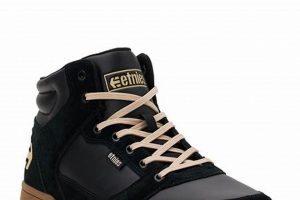
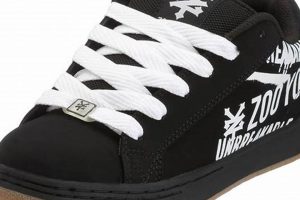
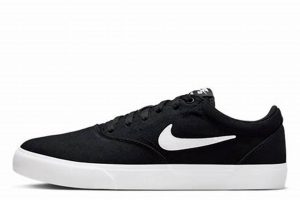
Footwear specifically engineered for skateboarding, but designed and sized to fit the female foot, presents a unique intersection of functionality and style. These articles of apparel prioritize board feel, grip, and durability, offering protection and support crucial for executing skateboarding maneuvers. An example includes low-profile silhouettes constructed from suede or canvas with reinforced stitching and vulcanized rubber soles.
The availability of such specialized equipment significantly impacts the comfort and performance of female skateboarders. Supportive footwear can enhance control, reduce the risk of injury, and contribute to overall confidence while practicing and performing. Furthermore, the evolution of design reflects a growing recognition and inclusion of women within the skateboarding community, showcasing a blend of practicality and aesthetic appeal responsive to market demand and cultural trends.
The subsequent sections will delve into the specific features, materials, and design considerations relevant to selecting the optimal skateboarding footwear. Factors such as sole construction, upper material, and fit will be examined in detail, along with an overview of prominent brands and models available to consumers.
Selection Guidance for Skateboarding Footwear Designed for Women
The selection of appropriate skateboarding footwear is paramount for performance and safety. The following guidance provides crucial insights for choosing footwear specifically tailored to the needs of female skateboarders.
Tip 1: Prioritize Fit: Ensure a snug, but not constricting, fit. Ample toe room is essential to avoid discomfort during extended use. Improper sizing can lead to blisters, impaired board feel, and decreased control.
Tip 2: Evaluate Sole Construction: Vulcanized rubber soles offer superior grip and board feel. Cupsole designs provide enhanced impact protection and support, suitable for more aggressive styles of skateboarding.
Tip 3: Assess Upper Material Durability: Suede and reinforced canvas are common materials. Suede offers durability and board feel, while reinforced canvas provides breathability and resistance to abrasion. Consider double or triple stitching in high-wear areas.
Tip 4: Examine Ankle Support: High-top designs provide increased ankle support and protection, beneficial for beginners or individuals prone to ankle injuries. Low-top designs offer greater flexibility and range of motion.
Tip 5: Consider Padding and Cushioning: Adequate padding in the tongue and collar areas enhances comfort and reduces pressure points. Impact-absorbing insoles can mitigate stress on the feet and joints during landings.
Tip 6: Inspect Lacing System: A secure and reliable lacing system is crucial for maintaining a stable and supportive fit. Recessed eyelets or lace protection features can extend the lifespan of the laces and prevent breakage.
Tip 7: Choose Reputable Brands: Established skateboarding footwear brands typically employ higher quality materials and construction techniques. Research product reviews and consult with experienced skateboarders for informed recommendations.
Selecting the appropriate skateboarding footwear contributes significantly to enhanced performance, improved safety, and an overall more enjoyable skateboarding experience. Proper fit, durable materials, and suitable sole construction are essential factors to consider.
The subsequent sections will examine the long-term care and maintenance of skateboarding footwear, ensuring longevity and optimal performance.
1. Optimal Fit
Optimal fit, in the context of skateboarding footwear designed for women, transcends mere comfort; it is a critical determinant of performance, injury prevention, and overall control. Ill-fitting footwear can significantly hinder a skateboarder’s ability to execute maneuvers effectively and safely. The intricacies of achieving an optimal fit are multi-faceted and require careful consideration.
- Length and Width Considerations
Variations in foot length and width necessitate precise sizing. Footwear that is too short restricts toe movement and can cause blisters or bunions, while excessive length compromises board feel and responsiveness. Similarly, inadequate width leads to lateral instability, hindering balance and control. Precise measurements, accounting for sock thickness, are essential for selecting the appropriate size.
- Arch Support and Footbed Contour
The female foot often exhibits distinct arch characteristics, requiring tailored support. Insufficient arch support can lead to pronation or supination, affecting posture and increasing the risk of ankle or knee injuries. Footbeds with contoured arch support distribute pressure evenly across the foot, enhancing comfort and stability during high-impact activities. Orthotic inserts may be necessary for individuals with specific foot conditions.
- Heel Hold and Ankle Stability
A secure heel hold is paramount to prevent slippage within the shoe, which compromises control and can cause friction blisters. The shoe’s collar and heel counter must conform to the shape of the heel, providing a snug and supportive fit. The integration of ankle support features, such as padded collars or reinforced heel cups, further enhances stability and minimizes the risk of ankle sprains, particularly during landings and complex tricks.
- Toe Box Construction and Freedom of Movement
The toe box must offer sufficient vertical and horizontal space to accommodate natural toe splay during weight-bearing activities. A constricted toe box can lead to nerve compression and discomfort, impairing board feel and potentially causing long-term foot problems. The toe box material should also be flexible enough to allow for natural foot movement without sacrificing protection.
The cumulative impact of these considerations underscores the importance of prioritizing optimal fit when selecting skateboarding footwear for women. Neglecting these nuances can not only detract from the skateboarding experience but also increase the likelihood of injury. The synthesis of appropriate length, width, arch support, heel hold, and toe box construction constitutes the foundation for a secure, comfortable, and performance-enhancing fit, directly impacting a skater’s ability to progress and enjoy the sport.
2. Sole Construction

Sole construction in skateboarding footwear designed for women directly influences board feel, grip, durability, and impact absorption. The specific design and materials employed significantly impact a skater’s control and safety. Therefore, a comprehensive understanding of sole construction is crucial for selecting appropriate skateboarding footwear.
- Vulcanized Construction
Vulcanized soles are characterized by a chemical bonding process that fuses the rubber outsole directly to the upper. This method typically results in a flexible sole with enhanced board feel, allowing for precise control and responsiveness. The vulcanized process, however, may offer less impact protection compared to other constructions, making it suitable for skaters prioritizing board feel over high-impact landings. Examples include classic skateboarding shoe designs with a flat, grippy outsole pattern.
- Cupsole Construction
Cupsole designs feature a separate outsole that is stitched or cemented to the upper. This construction generally offers greater impact protection and support, particularly around the heel. Cupsoles are often thicker and more rigid than vulcanized soles, providing a more stable platform for skaters performing aerial tricks or navigating rough terrain. An example is found in shoes designed for aggressive street skating, incorporating air or gel cushioning within the cupsole.
- Outsole Tread Patterns
The tread pattern of the outsole is critical for grip and traction. Herringbone, waffle, and geometric patterns are commonly used to maximize surface contact and prevent slippage. Deeper treads provide enhanced grip on various surfaces, while shallower treads may prioritize board feel. The specific tread compound also affects grip and durability; softer compounds offer superior grip but may wear down more quickly. Real-world examples include specialized tread patterns designed for specific skateboarding disciplines, such as transition skating or park riding.
- Midsole Materials and Cushioning
The midsole, positioned between the outsole and the insole, contributes to impact absorption and overall comfort. Materials such as EVA (ethylene-vinyl acetate) and polyurethane are frequently used for their cushioning properties. Some shoes incorporate air or gel pockets within the midsole to further enhance impact protection. The choice of midsole material affects the shoe’s weight, flexibility, and energy return. For example, a thicker EVA midsole provides increased cushioning but may reduce board feel, while a thinner, more responsive midsole offers a more direct connection to the board.
The relationship between these aspects of sole construction and skateboarding footwear designed for women is paramount. Understanding these factors allows for informed decision-making, leading to improved performance, enhanced safety, and a more enjoyable skateboarding experience. The optimal choice depends on individual skating style, terrain preference, and the desired balance between board feel, grip, and impact protection.
3. Material Durability

Material durability constitutes a critical attribute of skateboarding footwear designed for women, directly influencing longevity, performance, and protection. The selection of robust materials capable of withstanding the rigors of skateboarding is paramount to ensuring a worthwhile investment and a safe skateboarding experience.
- Upper Material Resistance to Abrasion
The upper material of skateboarding footwear is consistently subjected to abrasion from griptape and environmental elements. Suede, leather, and reinforced canvas are frequently employed due to their inherent abrasion resistance. Double or triple stitching in high-wear areas, such as the ollie patch, reinforces the upper and extends the lifespan of the shoe. The choice of material and construction techniques directly correlates with the shoe’s ability to withstand repeated friction and impact. For example, a suede upper with a rubber ollie patch will exhibit superior durability compared to a canvas upper with minimal reinforcement.
- Sole Bond Integrity
The bond between the upper and the sole must be able to endure repeated stress and flex without separating. Vulcanized construction, where the sole is chemically bonded to the upper, offers a durable and flexible connection. Cupsole construction, which involves stitching or cementing the sole to the upper, provides enhanced support and impact protection, but the integrity of the bond remains crucial. Poor sole bond integrity results in premature failure and renders the footwear unusable. High-quality adhesives and reinforced stitching contribute to a secure and long-lasting bond.
- Lace Durability and Eyelet Reinforcement
Laces are prone to fraying and breakage due to repeated tightening and friction. Reinforced laces, constructed from durable materials such as nylon or polyester, are essential for maintaining a secure fit. Metal or reinforced eyelets prevent the laces from tearing through the upper material. Regularly replacing worn laces and ensuring secure eyelets prolong the lifespan of the shoe and prevent potential safety hazards. Shoes with recessed eyelets or lace protection systems further enhance lace durability.
- Internal Reinforcement and Padding
Internal reinforcement, such as heel counters and toe caps, provides structural integrity and protects against impact. Padding in the tongue and collar areas enhances comfort and reduces friction. The quality and placement of internal reinforcement significantly impact the shoe’s ability to maintain its shape and provide adequate support over time. Insufficient reinforcement leads to premature deformation and reduced performance. For example, a well-padded collar prevents ankle chafing, while a rigid heel counter stabilizes the foot during landings.
The collective impact of these factors directly determines the overall durability of skateboarding footwear for women. Prioritizing shoes constructed from high-quality materials, utilizing robust construction techniques, and incorporating reinforced elements ensures a longer lifespan, enhanced performance, and a safer skateboarding experience.
4. Ankle Support

Ankle support in skateboarding footwear designed for women serves a crucial function, mitigating the risk of injury and enhancing performance. The inherent instability associated with skateboarding maneuvers places considerable stress on the ankle joint, necessitating adequate support to prevent sprains, strains, and other related injuries. Footwear incorporating sufficient ankle support provides a stabilizing influence, limiting excessive range of motion and promoting a more controlled and secure stance. For instance, high-top skate shoes, which extend above the ankle joint, offer a greater degree of support compared to low-top designs. This is particularly beneficial for novice skateboarders or individuals with pre-existing ankle weakness.
The effectiveness of ankle support varies based on shoe design and construction. Features such as padded collars, reinforced heel counters, and internal support structures contribute to overall stability. A snug and secure fit around the ankle is essential to prevent slippage and maintain consistent support throughout the range of motion. Real-world examples include professional female skateboarders who often choose high-top or mid-top skate shoes with integrated ankle support features, recognizing the importance of injury prevention in their demanding discipline. The presence of sufficient ankle support enables skaters to confidently execute complex tricks and landings, minimizing the potential for debilitating injuries that could interrupt their training or competition schedule.
In summary, ankle support constitutes a vital component of skateboarding footwear for women, offering protection and enhancing performance. The selection of shoes with appropriate ankle support features should be guided by individual needs, skating style, and level of experience. While high-top designs provide maximum support, mid-top and even some low-top options offer adequate stability with the inclusion of reinforced collars and heel counters. Prioritizing ankle support not only reduces the risk of injury but also fosters greater confidence and control, ultimately contributing to a more enjoyable and successful skateboarding experience.
5. Impact Absorption
Impact absorption within skateboarding footwear designed for women serves as a critical determinant of long-term joint health and overall performance. The repeated high-impact forces experienced during skateboarding, particularly during landings and tricks, can lead to chronic stress on the ankles, knees, and hips. Footwear incorporating effective impact absorption technologies mitigates these forces, reducing the risk of cumulative trauma and improving rider comfort. The cause-and-effect relationship is direct: insufficient impact absorption elevates the likelihood of injury, while adequate absorption promotes sustained skateboarding activity. For example, the incorporation of gel or air cushioning within the midsole of a skate shoe can significantly reduce the peak forces transmitted to the lower extremities during a hard landing.
The importance of impact absorption as a core component of skateboarding footwear extends beyond injury prevention. Effective absorption enhances board feel by dampening vibrations and improving overall stability. The strategic placement of cushioning materials within the heel and forefoot areas of the shoe provides targeted support and reduces pressure points. This translates to improved control, increased stamina, and the ability to execute more complex maneuvers. Furthermore, specific foam technologies, such as those incorporating rebound properties, can enhance energy return, contributing to a more responsive and dynamic skating experience. A practical application of this understanding involves selecting footwear designed with impact-absorbing insoles and midsoles appropriate for the intensity and style of skateboarding being practiced. A street skater performing frequent ollies and kickflips would require a higher degree of impact absorption than a cruiser focusing on flat ground riding.
In summary, impact absorption constitutes an indispensable attribute of skateboarding footwear designed for women. It serves not only as a protective mechanism against injury but also as a performance enhancer. The challenges lie in balancing the need for adequate cushioning with the desire for optimal board feel and shoe flexibility. The future of skate shoe design will likely involve continued innovation in materials and construction techniques aimed at maximizing impact absorption without compromising the essential characteristics of skateboarding footwear. Understanding and prioritizing impact absorption represents a crucial step towards promoting the longevity and well-being of female skateboarders.
Frequently Asked Questions
This section addresses common inquiries and misconceptions pertaining to skateboarding footwear specifically designed for women. Information is presented in a factual and unbiased manner to facilitate informed decision-making.
Question 1: Are “ladies skate shoes” simply smaller versions of men’s skate shoes?
No, while sizing adjustments are made, “ladies skate shoes” are often designed with a narrower last to better accommodate the anatomical differences of the female foot. Design considerations may also include adjustments to arch support and cushioning to enhance comfort and performance.
Question 2: Is specialized skateboarding footwear necessary for women?
While any durable, flat-soled shoe can be used for skateboarding, footwear specifically engineered for skateboarding offers enhanced board feel, grip, and impact protection. Furthermore, “ladies skate shoes” address fit disparities between male and female foot structures, potentially improving comfort and reducing the risk of injury.
Question 3: What are the key features to look for in “ladies skate shoes”?
Essential features include durable upper materials (suede or reinforced canvas), vulcanized or cupsole construction, adequate cushioning for impact absorption, and a snug, supportive fit. Consideration should also be given to ankle support, lacing systems, and outsole tread patterns.
Question 4: How frequently should “ladies skate shoes” be replaced?
The lifespan of skateboarding footwear is dependent on usage frequency and intensity. Signs of wear, such as sole separation, frayed uppers, and diminished cushioning, indicate the need for replacement. For frequent skaters, replacement every few months may be necessary, while occasional skaters may experience a longer lifespan.
Question 5: Are “ladies skate shoes” only suitable for skateboarding?
While primarily designed for skateboarding, “ladies skate shoes” can be worn for other activities requiring durability and support, such as BMX riding or casual wear. However, their specific design features may not be optimal for all athletic pursuits.
Question 6: What is the typical price range for quality “ladies skate shoes”?
The price range for quality skateboarding footwear varies depending on brand, materials, and features. Expect to invest between $50 and $150 for a pair of well-constructed “ladies skate shoes” from a reputable manufacturer. Investment in quality materials and construction often translates to increased durability and longevity.
In summary, understanding the specific design features and construction of “ladies skate shoes” facilitates informed purchasing decisions. Proper fit, durable materials, and appropriate features are crucial for enhancing performance, comfort, and safety.
The following section will provide guidance on the proper care and maintenance of skateboarding footwear, extending its lifespan and maximizing its performance.
Ladies Skate Shoes
The preceding analysis has explored various facets of skateboarding footwear designed specifically for women. From optimal fit and sole construction to material durability, ankle support, and impact absorption, each element contributes significantly to performance, safety, and the longevity of the footwear. Understanding these attributes empowers consumers to make informed purchasing decisions that align with individual needs and skateboarding styles. The integration of appropriate features and materials directly impacts a skater’s ability to progress and enjoy the sport while minimizing the risk of injury.
Continued advancements in material science and footwear design will undoubtedly lead to further enhancements in skateboarding footwear technology. It is imperative that skateboarders prioritize quality construction and appropriate features to ensure a safe and rewarding experience. Ultimately, the selection of suitable skateboarding footwear represents a critical investment in both performance and physical well-being, promoting long-term participation in the sport.