Information detailing wave conditions, weather, and ocean characteristics specific to the Kona coast of Hawaii is essential for ocean activities. This data typically includes wave height, swell direction, wind speed, tide information, and water temperature, allowing individuals to assess the safety and suitability of ocean conditions for surfing, swimming, or boating.
Access to reliable information empowers informed decision-making, mitigating risks associated with potentially hazardous marine environments. Historically, this type of data relied on visual observation and local knowledge; however, advancements in technology have facilitated the collection and dissemination of real-time, accurate measurements, greatly enhancing ocean safety and recreational experiences.
The following discussion will delve into the interpretation of key elements, the resources available for accessing updated conditions, and the factors influencing variations in such conditions along the coastline.
Effective use of available information is crucial for safe and enjoyable ocean activities. Understanding how to interpret data and anticipate changes will enhance one’s experience.
Tip 1: Prioritize data from multiple sources. Comparing observations from different buoys, weather models, and visual assessments enhances the accuracy of situational awareness.
Tip 2: Scrutinize swell direction. Kona’s coastline is partially sheltered, so slight variations in swell angle significantly impact wave size and accessibility at different locations.
Tip 3: Account for diurnal wind patterns. Kona is known for its calm mornings, but afternoon trade winds can rapidly increase chop and create challenging conditions.
Tip 4: Analyze tidal influences. Low tides often expose reefs and reduce wave size, while high tides may increase wave energy and accessibility to previously unavailable breaks.
Tip 5: Assess water temperature fluctuations. Colder water upwelling can occur, impacting comfort and requiring appropriate thermal protection for extended periods in the water.
Tip 6: Consider local knowledge. Speaking with experienced surfers, boaters, or lifeguards can provide valuable insights regarding unique characteristics of specific locations and recent conditions.
Tip 7: Understand shadowing effects. The Big Island’s topography can block or refract swells, creating significant variations in wave energy along the coast. Identify areas that are more or less exposed based on swell direction.
Careful consideration of these points allows for a more precise understanding, contributing to safer and more satisfying ocean experiences.
The article will now proceed to discuss specific locations and their individual characteristics.
1. Wave Height

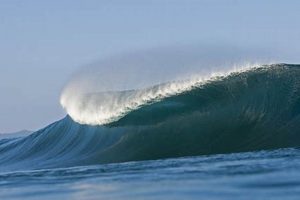
Wave height is a fundamental element within a Kona ocean condition assessment, directly influencing the suitability and safety of various marine activities. Its accurate measurement and interpretation are paramount for informed decision-making.
- Significance for Surfing
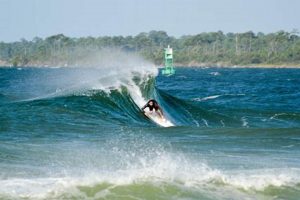
For surfers, wave height is the primary determinant of rideable conditions. Insufficient wave height renders surfing impossible, while excessive wave height poses significant risks, especially for novice surfers. Assessment reports allow surfers to select locations that match their skill level and avoid potentially dangerous conditions.
- Implications for Boating
Wave height affects boat stability and maneuverability. Small craft are particularly vulnerable to large waves, which can lead to capsizing or damage. Wave height data enables boaters to determine safe operating conditions and avoid areas with excessive wave activity. This data is extremely relevant in Kona’s deeper waters.
- Impact on Swimming and Shoreline Activities
Even for seemingly benign activities like swimming or beachcombing, wave height is crucial. Large waves can generate strong currents and increase the risk of being swept out to sea or injured by submerged objects. It informs decisions about where it is safe to swim and which areas to avoid, especially for children and inexperienced swimmers.
- Relationship to Coastal Erosion
Over time, wave height contributes to coastal erosion. Consistently high wave activity can degrade beaches and damage coastal structures. Monitoring wave height trends helps understand and predict patterns of erosion, informing coastal management strategies and infrastructure planning.
The interplay of wave height with other environmental factors, such as wind and swell direction, ultimately determines the overall conditions along the Kona coast. Understanding its influence is crucial for ensuring safety, optimizing recreational experiences, and managing coastal resources.
2. Swell Direction

Swell direction is a pivotal component of a Kona ocean condition assessment, dictating which coastal locations receive the most significant wave energy. Its importance stems from the island of Hawai’i’s unique topography, which creates areas of both exposure and shelter along the Kona coast. A south swell, for instance, will primarily affect south-facing locations, leaving north-facing areas relatively calm. A west swell will be felt along much of the coast. An accurate condition report includes precise swell direction data, usually expressed in degrees, to allow individuals to determine where optimal conditions are most likely to be found. Without this information, generalized data becomes far less useful, particularly given the variability along the Kona coast.
The practical significance of understanding swell direction is demonstrated by comparing two hypothetical scenarios. First, consider a surfer relying solely on wave height information indicating “moderate” conditions. Without knowing the swell is originating from the north, they might travel to a south-facing beach, expecting rideable waves, only to find near-flat conditions. Conversely, with accurate swell direction data indicating a north swell, that surfer could proceed directly to a north-facing break, maximizing their chances of finding ideal surf. Similarly, boaters can use swell direction data to anticipate areas of rough seas and plan routes that minimize exposure to hazardous conditions. Areas in Kealakekua Bay will see different conditions to those further south off Milolii for example.
In summary, swell direction is not merely an adjunct data point within a comprehensive ocean report; it is a crucial factor that shapes wave behavior, wave power, and ultimately influences the accessibility and safety of Kona’s coastal waters. The precise relationship between swell direction and local conditions, and a deep understanding of shadowing effects created by the island’s landmass, is central to responsible and effective use of the ocean along the Kona coast.
3. Wind Speed

Wind speed is a critical element within Kona ocean condition assessments, profoundly influencing sea state, wave quality, and overall suitability for marine activities. Its impact extends beyond mere comfort, directly affecting safety and the enjoyment of recreational pursuits.
- Impact on Wave Formation and Quality
Offshore winds (blowing from land to sea) can groom waves, creating smoother, more defined surf conditions ideal for surfing. Conversely, onshore winds (blowing from sea to land) generate chop, reduce wave quality, and can make surfing more challenging. High wind speeds, regardless of direction, can lead to excessively turbulent conditions, making most water activities unsafe. For Kona, trade winds are a regular occurrence, but are light in the mornings.
- Influence on Watercraft Handling
Wind speed directly affects the handling and stability of boats, kayaks, and other watercraft. Strong winds can make navigation difficult, increase the risk of capsizing, and require experienced operators to manage effectively. Assessing wind speed allows boaters to make informed decisions about whether to venture out, and to select routes that minimize exposure to unfavorable wind conditions. Wind is often light to moderate near the shoreline, but gets stronger with more exposure to the open ocean.
- Effect on Air and Water Temperature
High wind speeds can lower air and water temperatures, increasing the risk of hypothermia, particularly during extended periods in the water. Wind chill is a significant factor to consider, especially in cooler months. Detailed assessments often include wind speed data alongside temperature readings to provide a comprehensive understanding of environmental conditions. Colder water upwelling can also affect the near shore conditions, particularly water temperatures.
- Contribution to Current Generation
Persistent winds contribute to the generation of surface currents, which can significantly impact swimmers, surfers, and boaters. Strong currents can make it difficult to return to shore or maintain a desired course. Wind speed data, coupled with knowledge of local current patterns, is crucial for assessing potential hazards and planning safe routes.
Understanding the interplay between wind speed and other environmental factors, such as swell direction and tide, is essential for a holistic interpretation of Kona ocean condition assessments. Accurate wind speed data empowers individuals to make informed choices, minimizing risks and maximizing their enjoyment of the Kona coast’s diverse marine environment. Wind alerts often will give details on the location of a hazard or expected change in conditions to allow users to stay informed.
4. Tidal Influence

Tidal influence is a significant variable within any ocean condition assessment, especially along the Kona coast. Its periodic rise and fall alters water depths, current patterns, and wave characteristics, thereby impacting the suitability of various marine activities. The accuracy and relevance of a data hinges significantly on accounting for tidal fluctuations.
- Exposure of Reefs and Submerged Hazards
Low tides expose shallow reefs and other submerged hazards that are otherwise concealed at higher water levels. This poses a direct risk to boaters, surfers, and swimmers, increasing the likelihood of grounding, collisions, or injuries. A comprehensive data will clearly indicate tidal heights to allow for informed navigation and activity planning. An extreme low tide could affect water depth significantly in some areas.
- Modification of Wave Breaks
Tidal fluctuations alter the shape and behavior of wave breaks. Low tides can cause waves to break further offshore or become steeper and more abrupt, potentially creating hazardous conditions for inexperienced surfers. High tides can inundate normally dry sections of reef, changing wave dynamics and creating entirely new surfable areas. Surfing information needs to consider these variations to provide accurate information on wave quality and safety at different times of day.
- Alteration of Current Patterns
Tidal currents can intensify or diminish during different stages of the tidal cycle. Ebb tides (outgoing tides) can create strong offshore currents, particularly in channels and inlets, posing a risk to swimmers and small watercraft. Flood tides (incoming tides) can generate currents that push towards the shore, impacting navigation and potentially creating challenging conditions for surfers paddling out. A data will consider these current dynamics in its overall assessment.
- Impact on Shoreline Accessibility
Tidal ranges influence the accessibility of beaches and coastal areas. High tides can submerge portions of the shoreline, reducing the amount of usable beach space and potentially isolating certain areas. Low tides can expose tide pools and intertidal zones, offering opportunities for exploration but also requiring awareness of slippery surfaces and marine life. Assessments should indicate the effect on coastal access and safety.
In summary, integrating tidal information into a data is essential for providing a complete and accurate depiction of coastal conditions. A failure to account for tidal influences can lead to misinterpretations of wave height, current strength, and overall safety, potentially jeopardizing individuals engaging in ocean activities along the Kona coast.
5. Water Temperature

Water temperature is a critical factor often included within ocean condition reports, directly affecting user comfort, safety, and the suitability of various marine activities along the Kona coast.
- Influence on Thermal Comfort and Hypothermia Risk
Water temperature dictates the need for thermal protection, such as wetsuits or rash guards. Prolonged exposure to cold water can lead to hypothermia, impairing physical and cognitive functions. A report provides essential information for individuals to choose appropriate attire and limit exposure time accordingly, mitigating the risk of cold-related illnesses. For example, water temperatures below 75F (24C) may warrant the use of a wetsuit for extended surf sessions.
- Impact on Marine Life Activity and Encounters
Water temperature influences the distribution and behavior of marine life. Certain species are more prevalent in warmer waters, while others thrive in colder environments. Fluctuations in water temperature can alter fish migration patterns and increase or decrease the likelihood of encounters with marine animals, including sharks or jellyfish. A report, by noting significant temperature changes, can provide indirect insights into potential shifts in marine life activity, enhancing awareness for swimmers, divers, and surfers.
- Correlation with Upwelling Events and Nutrient Availability
Sudden drops in water temperature can indicate upwelling, a process where nutrient-rich water from the deep ocean rises to the surface. Upwelling can stimulate plankton blooms, attracting larger marine organisms and creating feeding opportunities for various species. While upwelling can enrich the marine ecosystem, it can also result in localized temperature drops that impact user comfort. A report noting rapid temperature declines can alert users to the possibility of upwelling and associated changes in water clarity and marine life activity. An example is the waters of Kealakekua Bay which tend to be cooler due to upwelling.
- Indicator of Seasonal Changes and Long-Term Trends
Monitoring water temperature over time provides valuable data on seasonal variations and long-term trends in the marine environment. Gradual warming or cooling trends can reflect broader climate change impacts and influence the overall health of the Kona coastline’s ecosystem. Regular inclusion of water temperature data within reports contributes to a more comprehensive understanding of these changes, supporting informed decision-making for coastal resource management and conservation efforts.
The multifaceted influence of water temperature underscores its importance within ocean condition assessments. Its consideration is not merely a matter of comfort, but a crucial aspect of safety, ecological awareness, and responsible engagement with the Kona coast’s marine environment. It is a key element of an assessment, helping individuals and organizations make well-informed decisions.
Frequently Asked Questions Regarding Surf Report Kona
This section addresses common inquiries concerning information related to ocean conditions along the Kona coast of Hawaii, focusing on accuracy, interpretation, and utilization.
Question 1: What is the typical frequency of updates for a surf report Kona?
Update frequency varies depending on the source. Automated buoys provide near real-time data, often updated hourly. Human-generated reports may be issued several times daily or only once per day.
Question 2: How should conflicting information from different surf report Kona sources be handled?
Cross-referencing data from multiple sources is recommended. Prioritize reports that incorporate direct observations from experienced individuals familiar with local conditions. Consider the reliability and track record of each source.
Question 3: What are the limitations of relying solely on automated data within a surf report Kona?
Automated systems may not fully capture localized effects, such as wind patterns influenced by topography or wave shadowing. Visual confirmation is advisable, especially in areas with complex coastal features. Some hazards may not be easily quantified by machines.
Question 4: How does one interpret swell direction data presented in a surf report Kona?
Swell direction is typically expressed in degrees. Understanding the orientation of specific beaches relative to these directions is crucial for determining which locations are likely to receive the most wave energy. A basic understanding of coastal geography is helpful.
Question 5: What role does local knowledge play in complementing a formal surf report Kona?
Local knowledge provides valuable insights into microclimates, subtle current patterns, and hazards not readily apparent in numerical data. Consulting experienced surfers, boaters, or lifeguards can enhance situational awareness.
Question 6: What actions should be taken if conditions on the Kona coast appear significantly different from a published surf report?
Exercise caution and prioritize personal safety. Conditions can change rapidly. If a discrepancy exists, refrain from engaging in activities that exceed one’s skill level and carefully assess the immediate environment.
In summary, effective utilization of surf data requires critical evaluation, cross-referencing of sources, and integration of local knowledge. Prioritizing safety and exercising caution are paramount.
The following section will offer guidance on responsible ocean practices.
Concluding Assessment of Kona Ocean Conditions
This exploration has underscored the multifaceted nature of utilizing data related to Kona ocean conditions effectively. Key elements, including wave height, swell direction, wind speed, tidal influence, and water temperature, each contribute uniquely to the overall assessment. A comprehensive understanding of these factors, combined with an awareness of their limitations and the importance of local knowledge, is paramount.
Responsible engagement with the marine environment necessitates a commitment to informed decision-making and a prioritization of safety. The continuous monitoring and critical evaluation of available resources, including those pertaining to Kona, is essential for mitigating risk and fostering a sustainable relationship with the ocean.