The selection of appropriate recreational footwear designed for use on paved surfaces such as sidewalks, asphalt trails, and concrete parks represents a significant decision for enthusiasts. These items are distinguished by their construction, wheel composition, bearing quality, and overall durability, each factor contributing to the user experience and longevity of the product.
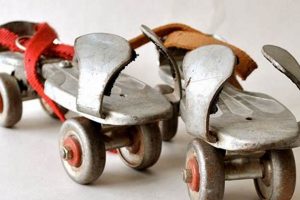
Investing in high-quality equipment designed for use in open-air environments offers numerous advantages, including enhanced exercise opportunities, improved cardiovascular health, and increased exposure to natural surroundings. The development of this specific type of equipment has evolved from basic quad designs to include inline models, reflecting advancements in materials science and engineering principles aimed at optimizing performance and comfort. From historical use as a means of basic transportation to modern interpretations as a means of recreation and sport, its appeal remains substantial.
Subsequent discussion will address critical aspects relevant to choosing suitable equipment. Topics will include wheel characteristics, boot support, bearing considerations, and braking mechanisms. Additionally, this examination will explore how these variables impact the overall suitability of such equipment for diverse user skill levels and terrain conditions.
Guidance on Selecting Appropriate Recreational Footwear
The following recommendations address key considerations when selecting recreational footwear designed for outdoor use. These insights aim to optimize the purchase process, ensuring alignment with individual skill levels and intended application.
Tip 1: Wheel Durometer Assessment: Evaluate the wheel durometer, which measures hardness. Softer wheels (e.g., 78A-85A) provide enhanced grip and shock absorption on rough outdoor surfaces. Harder wheels (e.g., 85A and above) offer increased speed and durability but may compromise comfort on uneven terrain.
Tip 2: Bearing Precision Evaluation: Consider the bearing rating, typically indicated by an ABEC scale. Higher ABEC ratings (e.g., ABEC 5, ABEC 7) signify greater precision and smoother rolling. However, for recreational outdoor skating, an ABEC 3 or 5 bearing may suffice, balancing cost and performance effectively.
Tip 3: Boot Support and Comfort Verification: Assess the boot’s support and comfort levels. A robust ankle support structure prevents instability and reduces the risk of injury. Seek models featuring padded liners and breathable materials to mitigate discomfort during extended use.
Tip 4: Frame Material Examination: Scrutinize the frame material. Aluminum frames offer superior durability and power transfer compared to plastic alternatives. However, aluminum frames may increase the overall weight of the equipment, impacting maneuverability.
Tip 5: Brake System Inspection: Evaluate the brake system’s effectiveness and ease of use. Ensure the brake pad is readily accessible and provides consistent stopping power. Regular brake pad maintenance is essential for maintaining safety.
Tip 6: Size and Fit Optimization: Prioritize accurate sizing and fit. Ill-fitting equipment can lead to discomfort, blisters, and reduced control. Consult sizing charts and, if possible, try on the equipment before purchase.
Tip 7: Surface Condition Adaptability: Consider the predominant surface conditions of the intended skating locations. Smoother surfaces may accommodate smaller wheel diameters, while rougher terrains benefit from larger wheel diameters that enhance stability and obstacle navigation.
Adhering to these guidelines fosters informed decision-making, maximizing enjoyment and minimizing potential hazards associated with outdoor skating activities.
The subsequent sections will delve into specific product recommendations based on these identified criteria.
1. Wheel Durometer

Wheel durometer is a critical specification that defines the hardness of a roller skate wheel, directly influencing performance characteristics. Its impact is significant in determining the suitability for various outdoor surfaces and skating styles. The durometer scale, typically denoted with an ‘A’ following a numerical value (e.g., 78A, 85A), quantifies the wheel’s resistance to indentation. Selection of an appropriate durometer is paramount when seeking to identify the “best outdoor roller skates” for a specific purpose.
- Grip and Surface Adhesion
Lower durometer wheels (e.g., 78A-82A) are characterized by greater softness and enhanced grip, especially on rough or uneven outdoor surfaces. This increased adhesion translates to improved control and stability, minimizing slippage and enhancing safety. The trade-off is typically reduced speed and increased wear, as the softer material deforms more easily under load. For example, a skater traversing cracked asphalt or gravel-strewn paths would benefit from the enhanced grip of a lower durometer wheel.
- Rolling Resistance and Speed
Higher durometer wheels (e.g., 84A-90A+) offer reduced rolling resistance and increased speed on smooth surfaces. The harder compound minimizes deformation, allowing for more efficient energy transfer. However, these wheels provide less shock absorption and reduced grip on rough surfaces, potentially leading to instability and discomfort. An experienced skater prioritizing speed on a well-maintained concrete path might prefer higher durometer wheels.
- Durability and Wear Resistance
While softer wheels offer enhanced grip, they typically exhibit lower wear resistance compared to harder wheels. The softer compound is more susceptible to abrasion and degradation, particularly on abrasive surfaces. Harder wheels, conversely, maintain their shape and performance characteristics for a longer duration, making them suitable for frequent use or environments with significant surface wear. A skater who frequently skates on rough asphalt will wear down a 78A wheel much faster than an 85A wheel.
- Vibration Absorption and Comfort
Softer wheels excel at absorbing vibrations and mitigating the impact of uneven surfaces, resulting in a smoother and more comfortable ride. This characteristic is particularly valuable for skaters with joint sensitivities or those navigating challenging terrain. Harder wheels transmit more vibrations, potentially leading to fatigue and discomfort over extended periods. A skater prioritizing comfort on longer outdoor excursions should strongly consider wheels with lower durometer ratings.
The optimal wheel durometer for “best outdoor roller skates” represents a balance between grip, speed, durability, and comfort, tailored to the skater’s skill level, skating style, and the specific characteristics of the intended skating environment. Careful consideration of these factors is essential for maximizing performance and ensuring a safe and enjoyable skating experience. Furthermore, advancements in wheel technology, such as dual-durometer wheels (combining a softer outer layer with a harder inner core), seek to optimize these trade-offs, offering a potential solution for skaters seeking a versatile wheel option.
2. Bearing Precision
Bearing precision, quantified using the Annular Bearing Engineers’ Committee (ABEC) scale or similar ISO standards, exerts a demonstrable influence on the performance and overall quality of recreational footwear designed for outdoor use. Bearings serve as the interface between the wheel and the axle, facilitating rotational movement and dictating rolling efficiency. Consequently, the precision with which these components are manufactured and assembled directly impacts the user’s skating experience.
Higher ABEC ratings (e.g., ABEC 7, ABEC 9) denote tighter tolerances in bearing construction, resulting in reduced friction and smoother rolling characteristics. This translates to enhanced speed and reduced effort required to maintain momentum. For example, a skater using equipment fitted with ABEC 7 bearings will generally experience a more effortless glide and higher top speeds compared to one utilizing ABEC 3 bearings, assuming all other factors remain constant. However, the benefits of increased precision are most apparent on smooth, well-maintained surfaces. On rough outdoor terrains, the impact of minor surface irregularities can overshadow the advantages conferred by higher-rated bearings, diminishing their practical significance. Furthermore, bearings with elevated precision ratings often exhibit increased sensitivity to contamination from dirt and debris, necessitating more frequent maintenance and cleaning to sustain optimal performance.
Selecting recreational footwear with appropriate bearing precision involves a pragmatic assessment of intended usage and environmental conditions. While higher ABEC ratings may offer theoretical advantages in terms of rolling efficiency, their practical benefits can be mitigated by surface roughness and the potential for increased maintenance demands. For most recreational outdoor skating applications, bearings within the ABEC 3 to ABEC 5 range offer a suitable balance between performance, durability, and cost-effectiveness. Prioritizing regular cleaning and lubrication, regardless of the bearing’s precision rating, remains essential for maintaining optimal performance and extending the lifespan of the equipment.
3. Boot Support
Boot support constitutes a fundamental element in the construction of recreational footwear intended for outdoor use. Its significance stems from its direct influence on stability, control, and injury prevention. The degree and type of support offered by the boot structure determine the user’s ability to effectively maneuver and maintain balance across diverse terrains. Consequently, it has a significant impact on which model qualifies as among the “best outdoor roller skates”.
- Ankle Stability and Injury Prevention
Adequate ankle support is paramount for mitigating the risk of sprains and other lower extremity injuries. A rigid or semi-rigid boot shell, coupled with internal padding and secure closure mechanisms, restricts excessive ankle movement and provides enhanced stability, particularly on uneven surfaces. This is critical when navigating obstacles or performing maneuvers that demand rapid changes in direction. Boots lacking sufficient ankle support increase the likelihood of injury, particularly for novice skaters or those venturing onto challenging terrains.
- Energy Transfer and Responsiveness
The boot’s construction plays a role in transferring energy from the skater’s leg muscles to the wheels. A supportive boot effectively channels force, minimizing energy loss and maximizing responsiveness. This results in more efficient propulsion and improved control over speed and direction. Conversely, a flimsy or poorly designed boot dissipates energy, leading to reduced performance and increased fatigue. High-performance models often incorporate stiff materials and strategic reinforcement to optimize energy transfer.
- Comfort and Fit Considerations
While support is crucial, comfort is also an important consideration. A well-designed boot balances support with cushioning and breathability to prevent discomfort and blisters during extended use. Internal padding, anatomical footbeds, and moisture-wicking liners enhance comfort and reduce friction. Furthermore, a secure and customizable closure system (e.g., laces, buckles, power straps) allows the skater to fine-tune the fit and optimize support according to individual preferences and foot morphology.
- Material Composition and Durability
The materials used in the boot’s construction influence its overall durability and longevity. High-quality materials, such as reinforced polymers, leather, or synthetic composites, withstand the rigors of outdoor skating and maintain their structural integrity over time. Durable boots provide consistent support and resist deformation, ensuring long-term performance and value. The “best outdoor roller skates” are typically constructed of materials robust enough to withstand repetitive impacts with pavement and other outdoor surfaces.
In summary, boot support directly correlates with safety, performance, and comfort. Selecting appropriate footwear necessitates careful consideration of these factors. The materials used, the closure system, and the overall design of the boot determine its ability to provide adequate support, transfer energy efficiently, and maintain comfort during outdoor skating activities. The models exhibiting the best balance of these qualities are often considered among the “best outdoor roller skates.”
4. Frame Material

The frame material of recreational footwear for outdoor use represents a critical determinant of performance, durability, and overall suitability. Its selection necessitates careful consideration due to its direct impact on power transfer, stability, and resistance to environmental stressors.
- Aluminum Alloys: Stiffness and Power Transfer
Aluminum alloy frames offer a high stiffness-to-weight ratio, enabling efficient transfer of energy from the skater’s leg to the wheels. This characteristic is particularly beneficial for experienced skaters seeking enhanced responsiveness and speed. Examples of commonly employed alloys include 6061 and 7005 series aluminum. The increased rigidity minimizes frame flex, translating into more direct power delivery, which is often a key feature of high-performance models.
- Composite Materials: Vibration Dampening and Weight Reduction
Composite frames, typically constructed from reinforced polymers or carbon fiber blends, excel at vibration dampening and weight reduction. These materials absorb road imperfections and minimize fatigue during extended skating sessions. While composite materials may not offer the same level of stiffness as aluminum, their shock-absorbing properties enhance comfort, making them suitable for recreational skaters prioritizing a smoother ride. The lighter weight can also improve maneuverability, particularly for younger or less experienced users.
- Steel: Durability and Cost-Effectiveness
Steel frames, while less common in high-end recreational equipment, provide robust durability and cost-effectiveness. Their strength makes them resistant to bending or breakage under heavy loads. However, steel frames are significantly heavier than aluminum or composite alternatives, which can negatively impact speed and agility. They are typically found in entry-level models prioritizing longevity over performance. The increased weight also increases the effort required for propulsion and maneuvering.
- Frame Length and Wheelbase: Stability and Maneuverability
The frame length and wheelbase, which are directly influenced by the frame material and design, impact stability and maneuverability. Longer frames provide increased stability at higher speeds, while shorter frames offer greater agility for navigating tight turns. Manufacturers often tailor frame length to the intended use case, with recreational models typically featuring a moderate length to balance stability and maneuverability. The selected material must be able to maintain its structural integrity under the stresses imposed by different frame lengths and wheel configurations.
The selection of frame material for recreational footwear involves a trade-off between stiffness, weight, durability, and vibration dampening. The “best outdoor roller skates” for a given individual depend on their skating style, skill level, and the specific characteristics of the intended skating environment. The optimal frame material provides a balance of these properties tailored to the skater’s specific needs and preferences.
5. Brake system
The functionality of the braking mechanism is a critical determinant in assessing the overall quality and safety of recreational footwear designed for outdoor use. Its effectiveness directly influences a skater’s capacity to control speed, avoid collisions, and navigate variable terrain conditions. Consequently, the characteristics of the braking system factor significantly into the evaluation of what constitutes the “best outdoor roller skates.” Failure of the braking system poses immediate and substantial risks to the user and surrounding individuals, making its reliability paramount.
Several distinct types of braking systems are employed in this equipment. The heel brake, typically found on recreational models, offers simplicity and ease of use, particularly for beginners. Its activation involves pivoting the foot and applying pressure to a rubber or composite pad. Inline models may also feature an Active Braking Technology (ABT) system. In contrast, some advanced skaters may opt for models without traditional braking systems, relying instead on techniques such as T-stops or controlled slides. These methods demand a higher level of skill and proficiency. Irrespective of the system type, the braking mechanism must exhibit consistent and predictable performance across a range of surface conditions. The brake pad material should provide adequate friction, even when wet or contaminated with debris. Moreover, the system’s design should minimize the risk of accidental activation or premature wear.
In conclusion, the braking system is an indispensable component of any recreational footwear intended for outdoor use. Its design, materials, and operational characteristics directly affect the skater’s safety and control. In evaluating the “best outdoor roller skates,” rigorous assessment of the braking system’s effectiveness, reliability, and ease of use is essential. Neglecting this aspect can lead to compromised safety and increased risk of accidents. Ultimately, a well-designed and properly maintained braking system contributes significantly to a positive and secure skating experience.
6. Size and fit

Accurate sizing and appropriate fit are fundamental determinants of performance, safety, and comfort in recreational footwear designed for outdoor use. Mismatched dimensions can lead to compromised control, increased risk of injury, and diminished user satisfaction. Thus, meticulous attention to size and fit is essential when evaluating the “best outdoor roller skates”.
- Length and Toe Clearance
Adequate length and sufficient toe clearance prevent discomfort and potential foot damage. Insufficient length forces the toes to curl, leading to blisters, bunions, or nerve compression. Conversely, excessive length compromises control and stability. A proper fit allows for slight toe movement without excessive slippage. Measurements should be conducted with the type of socks intended for use during skating activities, ensuring consistent and accurate sizing.
- Width and Instep Volume
Appropriate width and instep volume are crucial for secure foot placement and preventing lateral movement within the boot. Insufficient width constricts the foot, causing discomfort and potentially hindering circulation. Excessive width allows the foot to shift, reducing control and increasing the risk of ankle strain. The instep, the arched portion of the foot, should be adequately supported without excessive pressure. Adjustable closure systems can accommodate variations in instep volume, optimizing fit and comfort.
- Heel Hold and Ankle Support
A secure heel hold prevents slippage and maintains proper foot alignment during skating movements. Insufficient heel hold compromises stability and increases the risk of blisters. Adequate ankle support, integrated with proper sizing, restricts excessive ankle movement and minimizes the risk of sprains. The heel counter, a reinforced structure at the rear of the boot, plays a vital role in providing heel hold and ankle support. Evaluating these features in conjunction with overall size is imperative.
- Customization and Adjustability
Features that allow for customization and adjustability enhance the likelihood of achieving an optimal fit. Adjustable closure systems, heat-moldable liners, and replaceable footbeds enable users to fine-tune the fit according to their individual foot characteristics. These features are particularly valuable for individuals with non-standard foot shapes or those seeking a high degree of personalized comfort. The presence of these adjustable elements should be considered as part of the selection process.
The interconnectedness of length, width, heel hold, and adjustability underscores the complexity of achieving a truly optimized fit. When selecting recreational footwear, a comprehensive evaluation of these factors, ideally involving a professional fitting, is strongly recommended. The “best outdoor roller skates” for any given individual are those that provide a secure, comfortable, and supportive fit, tailored to their unique foot morphology and skating style. The proper fit is essential for ensuring an enjoyable and safe skating experience.
7. Surface Adaptability
Surface adaptability represents a critical parameter in the selection of recreational footwear intended for outdoor use. This encompasses the capacity of the equipment to perform optimally across varying surface conditions, ranging from smooth concrete to rough asphalt and uneven trails. The extent to which equipment demonstrates surface adaptability significantly impacts user comfort, control, and safety, thereby influencing its designation as among the “best outdoor roller skates.”
- Wheel Durometer and Surface Texture
The durometer, or hardness, of the wheel material directly influences its interaction with different surface textures. Softer wheels (lower durometer values) provide enhanced grip and shock absorption on rough surfaces, mitigating the effects of vibrations and uneven terrain. Harder wheels (higher durometer values) offer increased rolling efficiency on smooth surfaces but may compromise comfort and control on less-than-ideal pavements. Selection of an appropriate wheel durometer tailored to the predominant skating environment is paramount.
- Wheel Size and Obstacle Negotiation
The diameter of the wheels affects the ability to negotiate obstacles and maintain momentum. Larger wheels exhibit a greater capacity to roll over cracks, pebbles, and other impediments, minimizing the risk of abrupt stops or loss of balance. Smaller wheels offer increased maneuverability but may be more susceptible to disruptions caused by surface irregularities. The choice of wheel size should reflect the anticipated frequency of encountering obstacles during typical skating sessions.
- Frame Material and Vibration Dampening
The material composition of the frame influences its ability to dampen vibrations transmitted from the surface to the skater’s feet. Frames constructed from composite materials, such as carbon fiber blends, exhibit superior vibration absorption characteristics compared to those made from stiffer aluminum alloys. The selection of frame material should consider the skater’s sensitivity to vibrations and the typical surface conditions encountered. Reduction of vibrations enhances comfort and minimizes fatigue during extended skating sessions.
- Bearing Shielding and Environmental Protection
The level of shielding provided by the bearings affects their susceptibility to contamination from dirt, dust, and moisture. Bearings with robust shielding mechanisms maintain their performance characteristics for a longer duration, particularly in environments with high levels of particulate matter. The selection of bearings with appropriate shielding is crucial for preserving rolling efficiency and minimizing the need for frequent maintenance. Adequate bearing protection is essential for maintaining consistent performance across diverse surface conditions.
Surface adaptability encompasses a multifaceted interplay of wheel durometer, wheel size, frame material, and bearing shielding. Effective consideration of these elements ensures that recreational footwear performs optimally across a range of surface conditions, maximizing user comfort, control, and safety. The integration of these factors directly influences its designation as among the “best outdoor roller skates” for any given individual or application.
Frequently Asked Questions
The following addresses common inquiries regarding recreational footwear intended for use in open-air environments. These insights aim to provide clarity on crucial aspects impacting performance, safety, and user satisfaction.
Question 1: What distinguishes recreational footwear specifically designed for outdoor use from models intended for indoor skating?
Recreational footwear engineered for outdoor skating typically features softer wheels, constructed from materials with lower durometer ratings, to enhance grip and shock absorption on uneven or abrasive surfaces. Indoor models generally employ harder wheels, optimizing speed and maneuverability on smooth, polished floors. Frame materials may also differ, with outdoor models prioritizing durability and impact resistance.
Question 2: How frequently should recreational footwear used for outdoor skating undergo maintenance procedures?
Maintenance frequency depends on usage intensity and environmental conditions. However, regular inspection and cleaning of bearings, wheels, and braking mechanisms is advisable after each use. Lubrication of bearings should occur every 20-30 hours of skating or more frequently in dusty or wet conditions. Brake pads should be replaced when worn to ensure adequate stopping power.
Question 3: What safety precautions are essential when engaging in outdoor skating activities?
Wearing appropriate protective gear, including a helmet, knee pads, elbow pads, and wrist guards, is paramount. Skating in designated areas away from vehicular traffic is recommended. Maintaining awareness of surroundings and adhering to local regulations is also crucial. Before each use, inspecting equipment for signs of wear or damage is a necessary safety measure.
Question 4: Can the wheels on recreational footwear designed for outdoor use be interchanged with wheels intended for other skating disciplines?
While wheel interchangeability is often possible, it is important to consider wheel diameter and durometer compatibility. Exceeding the frame’s maximum wheel size capacity can compromise stability and safety. Utilizing wheels with inappropriate durometer ratings can negatively impact performance and control. Always consult the manufacturer’s specifications before attempting wheel substitutions.
Question 5: What criteria should inform the selection of recreational footwear for novice skaters?
Novice skaters should prioritize stability, comfort, and ease of use. Models featuring supportive ankle cuffs, responsive braking systems, and forgiving wheel durometer ratings are well-suited for beginners. Seeking guidance from experienced skaters or qualified professionals during the selection process is recommended. Prioritizing safety and comfort over advanced performance features is crucial for fostering a positive learning experience.
Question 6: How does weight capacity influence the selection of recreational footwear designed for outdoor skating?
Exceeding the manufacturer’s specified weight capacity can compromise the equipment’s structural integrity and negatively impact performance. Selecting models with a weight capacity that comfortably exceeds the skater’s body weight ensures adequate support and durability. Ignoring weight limitations can lead to premature wear, equipment failure, and increased risk of injury. Always consult the manufacturer’s specifications prior to purchase.
Selecting appropriate equipment demands careful consideration of various factors, including wheel characteristics, braking mechanisms, and fit optimization. Prioritizing safety, comfort, and adherence to manufacturer guidelines is essential for maximizing enjoyment and minimizing potential risks.
Subsequent sections will explore techniques for proper maintenance and storage of recreational footwear, prolonging their lifespan and sustaining optimal performance.
Concluding Remarks on Open-Air Recreational Footwear
The preceding analysis has elucidated critical factors influencing the selection and evaluation of recreational footwear designed for outdoor environments. Wheel durometer, bearing precision, boot support, frame material, brake system effectiveness, sizing accuracy, and surface adaptability collectively determine the performance, safety, and longevity of such equipment. Prudent consideration of these variables, tailored to individual skill levels and intended skating conditions, is paramount for maximizing the user experience.
The pursuit of appropriate equipment represents a commitment to both physical well-being and responsible recreation. Continued advancements in materials science and engineering promise further enhancements in the design and functionality of these tools, underscoring the importance of staying informed and prioritizing informed decision-making. Diligence in selection, maintenance, and safe operation ensures that such recreational equipment contributes positively to individual fitness and community engagement.