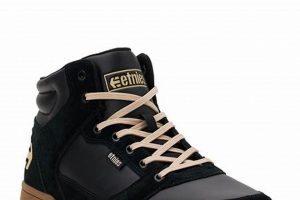
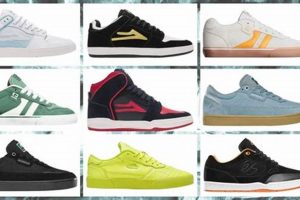
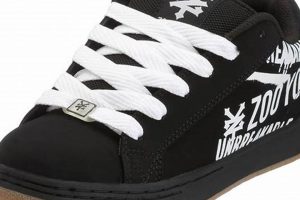
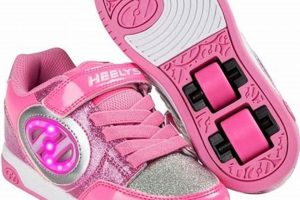
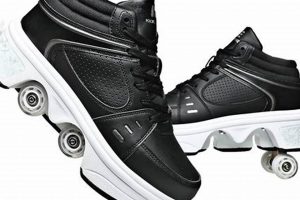
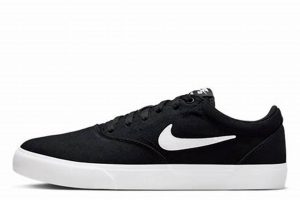
Footwear specifically engineered for skateboarding, often featuring durable construction, reinforced stitching, and a flat, grippy sole to enhance board feel and prevent wear, is a critical component of a skater’s equipment. These specialized shoes provide the necessary protection and performance characteristics required to execute tricks and maneuvers safely and effectively. For example, models with suede uppers and padded collars offer increased abrasion resistance and ankle support.
The adoption of purpose-built footwear significantly improved the safety and performance of skateboarding. The enhanced grip allows for better board control, while the robust build reduces the risk of injury. Historically, skaters initially modified existing athletic shoes for better performance, eventually leading to the development of dedicated designs. This evolution reflects the growing recognition of the importance of suitable equipment within the sport.
Understanding the construction and features of this type of footwear is essential for selecting the appropriate option. Further exploration of the different materials used, the various sole technologies employed, and the influence of specific brands on the market will provide a more comprehensive understanding of this important piece of skateboarding equipment.
Skate Shoe Selection & Maintenance Tips
Proper selection and maintenance of skateboarding footwear are crucial for performance, safety, and longevity. These tips provide guidance on optimizing the lifespan and effectiveness of these specialized shoes.
Tip 1: Prioritize Durability. Examine construction materials. Suede and leather uppers offer greater abrasion resistance compared to canvas. Reinforced stitching in high-wear areas extends shoe life.
Tip 2: Assess Sole Grip. Flat, vulcanized rubber soles are generally preferred for their superior board feel and grip. Look for tread patterns that enhance traction without sacrificing flexibility.
Tip 3: Ensure Proper Fit. A snug but comfortable fit prevents excessive movement within the shoe, improving board control and reducing the risk of blisters. Consider trying on shoes with skateboarding socks.
Tip 4: Utilize Shoe Goo. Apply shoe repair adhesive to areas prone to wear, such as the toe and ollie patch, to reinforce the shoe’s structure and prevent premature damage.
Tip 5: Rotate Footwear. Using multiple pairs of skateboarding shoes and rotating them allows each pair to air out and recover, extending their overall lifespan. This prevents moisture buildup, which can degrade materials.
Tip 6: Clean Regularly. Remove dirt and debris after each session to prevent abrasion and maintain the sole’s grip. Use a brush and mild soap to clean the uppers, avoiding harsh chemicals that can damage materials.
Tip 7: Consider Insole Support. Aftermarket insoles can provide additional cushioning and arch support, enhancing comfort and reducing foot fatigue during extended skateboarding sessions. Select insoles designed for high-impact activities.
Adhering to these guidelines will optimize performance, minimize the risk of injury, and extend the lifespan of skateboarding footwear. Proper care and maintenance are integral to the skateboarding experience.
With a foundation of solid footwear knowledge, further exploration of skateboarding techniques and equipment can lead to a more fulfilling skateboarding experience.
1. Durability

Durability is a paramount consideration in the selection of skateboarding footwear. The abrasive nature of skateboarding surfaces subjects shoes to extreme wear and tear, necessitating robust construction and resilient materials. The lifespan and effectiveness of a shoe are directly correlated with its ability to withstand these forces.
- Material Selection
The choice of materials significantly impacts the overall durability. Suede and leather, known for their abrasion resistance, are commonly used in the uppers. Canvas, while more breathable, is generally less durable. Synthetic materials, such as reinforced nylon, offer a balance between durability and flexibility. The selection process must consider the trade-offs between these material properties.
- Stitching Reinforcement
Stitching patterns and reinforcement techniques play a critical role in preventing premature failure. Double or triple stitching in high-stress areas, such as the ollie patch and toe, enhances the shoe’s structural integrity. The use of heavy-duty threads further contributes to the shoe’s ability to withstand the rigors of skateboarding.
- Sole Construction
The sole’s construction is a key determinant of overall durability. Vulcanized soles, where the rubber is bonded to the upper through a heating process, offer excellent grip and flexibility but may be less durable than cupsole designs, which are stitched to the upper. The outsole material itself must be abrasion-resistant to prevent rapid wear.
- Impact Absorption Technology
While primarily focused on comfort and impact protection, the inclusion of impact-absorbing technologies, such as air pockets or gel inserts, can indirectly contribute to durability. By reducing stress on the shoe’s structure during high-impact landings, these features help prevent premature breakdown of the sole and upper.
The interaction of these factors dictates the longevity of the skateboarding shoe. Prioritizing durability ensures a longer lifespan, reduced replacement costs, and consistent performance, allowing skaters to focus on progression without being hindered by equipment limitations.
2. Grip

The relationship between grip and the footwear engineered for skateboarding is one of direct cause and effect. A shoe’s grip dictates the degree to which a skater can maintain control and execute maneuvers on the board. The design and material composition of the sole are specifically engineered to maximize friction between the shoe and the board’s griptape surface. Reduced grip translates to decreased stability and an increased likelihood of slippage, hindering performance and elevating the risk of injury. For example, a worn-out sole or a sole constructed from unsuitable materials, such as hard plastic, will provide inadequate grip, rendering complex tricks virtually impossible and potentially leading to dangerous falls.
The practical significance of understanding this connection lies in the ability to select appropriate footwear for skateboarding. Skaters, whether novice or experienced, must assess the sole’s material, tread pattern, and overall construction to determine its grip potential. Vulcanized rubber soles, known for their flexibility and high coefficient of friction, are a common choice. The tread pattern, typically a combination of horizontal and vertical grooves, further enhances grip by providing multiple points of contact with the board. Additionally, the sole’s surface texture, often featuring a slightly rough or textured finish, contributes to increased friction and improved board feel. These features work in unison to allow skaters to precisely control their board’s movement and maintain a secure foothold during high-impact activities.
In summary, the connection between grip and the specific footwear is fundamental to the practice of skateboarding. Maximizing grip is essential for maintaining control, executing tricks, and minimizing the risk of injury. Challenges remain in balancing grip with other desirable characteristics, such as durability and board feel. By carefully considering the sole’s material, tread pattern, and overall construction, skaters can make informed decisions that optimize their performance and safety on the board. This knowledge forms a crucial element in the broader understanding of skateboarding equipment and technique.
3. Comfort

The correlation between comfort and footwear specifically designed for skateboarding is integral to performance and endurance. Prolonged skateboarding sessions place significant stress on the feet, demanding footwear that mitigates discomfort and prevents fatigue. Inadequate comfort can lead to reduced concentration, impaired execution of tricks, and an elevated risk of injury. A shoe lacking adequate cushioning, arch support, or breathability can cause blisters, hot spots, and general foot pain, directly impacting a skater’s ability to perform at their best. For example, a skater attempting a series of complex maneuvers will be significantly hampered by foot discomfort, leading to decreased accuracy and increased frustration.
The practical significance of understanding the comfort factor translates into informed purchasing decisions and optimized performance. Features such as padded collars and tongues, cushioning midsoles, and breathable linings directly contribute to the overall comfort of the shoe. Cushioned insoles absorb impact and provide arch support, reducing strain on the plantar fascia. Breathable materials, such as mesh, allow for ventilation, preventing moisture buildup and maintaining a comfortable foot temperature. Furthermore, a properly fitted shoe, with adequate toe room and heel support, minimizes friction and prevents slippage, reducing the likelihood of blisters and discomfort. Many skaters experiment with aftermarket insoles to further customize the fit and enhance the comfort level of their footwear. The selection process should therefore prioritize features that align with the individual skater’s needs and preferences, taking into account foot shape, arch type, and typical skateboarding duration.
In summary, the comfort of skateboarding footwear is not merely a matter of preference; it is a crucial element that directly impacts performance, endurance, and injury prevention. Prioritizing features that enhance cushioning, support, and breathability is essential for maximizing comfort and enabling skaters to perform at their best. While challenges remain in balancing comfort with other desirable characteristics, such as durability and board feel, understanding the practical significance of comfort is paramount for making informed footwear choices and optimizing the skateboarding experience. A comfortable foot leads to improved focus, better technique, and a greater enjoyment of the sport.
4. Ankle support

Ankle support is a critical design element in skateboarding footwear due to the inherent risks of the sport. The repetitive stress of landing tricks and navigating uneven terrain places considerable strain on the ankle joint. Insufficient support increases susceptibility to sprains, strains, and other injuries. The construction of the shoe directly affects the degree of stability and protection afforded to the ankle. For example, a high-top design, extending above the ankle bone, provides more comprehensive support than a low-cut alternative. Similarly, padding around the ankle collar cushions impact and restricts excessive movement. The absence of adequate ankle support can lead to chronic instability and long-term joint problems.
The practical application of this knowledge is evident in the various design features incorporated into skateboarding footwear. Reinforced heel counters stabilize the rearfoot and prevent excessive pronation or supination. Stiff midsoles limit torsional flex, reducing the risk of ankle twisting. Some models feature internal or external support structures that further restrict ankle movement. The selection of appropriate skateboarding footwear necessitates a thorough assessment of the level of ankle support provided, considering the individual skater’s risk factors and skateboarding style. Those with a history of ankle injuries or who engage in high-impact maneuvers may benefit from footwear with enhanced support features. Furthermore, the proper lacing technique, securing the shoe firmly around the ankle, contributes significantly to overall stability.
In summary, ankle support is an indispensable aspect of skateboarding footwear design. Its presence mitigates the risk of injury and enhances performance by providing stability and control. While challenges exist in balancing ankle support with other desirable characteristics, such as flexibility and board feel, prioritizing this element is essential for promoting long-term joint health and enabling skaters to push their limits safely. Recognizing the connection between ankle support and skateboarding footwear empowers skaters to make informed decisions, optimizing their equipment for both performance and protection. The design of skateboarding footwear reflects an ongoing effort to address inherent risks while enabling athletic performance.
5. Board feel

Board feel, a critical yet often intangible aspect of skateboarding, defines the skater’s sensory connection with the board through the footwear. It directly influences control, precision, and the ability to execute intricate maneuvers. Footwear design significantly mediates this connection.
- Sole Thickness
Sole thickness fundamentally alters board feel. Thinner soles enhance sensitivity, allowing skaters to discern subtle changes in the board’s orientation and pressure distribution. Conversely, thicker soles dampen these sensations, providing increased impact protection but at the expense of tactile feedback. Competition skaters often choose thinner soles for enhanced control, while skaters prioritizing high-impact maneuvers may opt for thicker soles. The compromise between sensitivity and protection is a central consideration.
- Sole Material
The composition of the sole material impacts board feel. Vulcanized rubber soles, known for their flexibility and grip, are commonly favored for their enhanced tactile feedback. Cupsole constructions, while offering greater durability and impact absorption, can reduce sensitivity due to their increased rigidity. The durometer (hardness) of the rubber also affects board feel; softer compounds provide more grip and sensitivity, while harder compounds offer greater durability.
- Insole Design
Insole design influences the transmission of sensation from the board to the skater’s foot. Thin, minimalist insoles maximize board feel by minimizing the distance and interference between the sole and the foot. Conversely, thicker, more cushioned insoles dampen vibrations and provide increased impact protection, reducing sensitivity. The choice of insole material, such as EVA foam or polyurethane, also affects the level of feedback transmitted.
- Upper Construction
The flexibility and construction of the upper can subtly influence board feel. A supple upper allows the foot to move more freely within the shoe, enhancing proprioception and the ability to make micro-adjustments. Stiff or restrictive uppers can limit movement and reduce sensitivity. The lacing system also plays a role; a secure, snug fit optimizes the transfer of energy and sensation from the foot to the board.
These interrelated design elements work synergistically to define the overall board feel of skateboarding footwear. The selection process should consider the individual skater’s preferences, skill level, and skateboarding style. Prioritizing board feel is essential for optimizing control, precision, and the overall skateboarding experience. The constant refinement of skateboarding footwear design reflects an ongoing effort to enhance this critical sensory connection.
6. Impact Protection
Footwear specifically designed for skateboarding incorporates features to mitigate the forces generated during landings and other high-impact maneuvers. These features are crucial for reducing the risk of injury and ensuring the longevity of the skater’s joints.
- Midsole Cushioning
The midsole, positioned between the outsole and the upper, serves as a primary source of impact absorption. Materials like EVA (ethylene-vinyl acetate) foam and polyurethane are commonly employed due to their ability to compress under pressure and dissipate energy. Higher-density midsoles offer greater impact protection, but may compromise board feel. Examples include shoes with encapsulated air units or gel inserts in the heel region to further attenuate impact forces. The effectiveness of midsole cushioning directly affects the stress experienced by the skater’s feet, ankles, and knees.
- Insole Design and Materials
The insole, the removable layer inside the shoe, contributes to impact protection and overall comfort. Thicker insoles constructed from materials like memory foam or OrthoLite provide additional cushioning and support. Some insoles feature anatomically contoured designs to distribute pressure evenly across the foot. The choice of insole can significantly influence the level of impact protection and the shoe’s overall fit. Aftermarket insoles are frequently utilized to customize the level of cushioning and support according to individual preferences.
- Outsole Construction
While primarily focused on providing grip and durability, the outsole also contributes to impact protection. The thickness and pattern of the outsole can influence the distribution of impact forces. Some outsoles incorporate specific designs or materials to enhance cushioning. For example, a waffle pattern outsole can deform under impact, absorbing energy and reducing the force transmitted to the foot. The choice of rubber compound also affects the outsole’s ability to absorb shock.
- Heel Reinforcement
The heel region of skateboarding footwear often incorporates additional reinforcement to protect against impact. This can include internal or external heel counters constructed from rigid materials like TPU (thermoplastic polyurethane). Heel counters provide stability and prevent excessive pronation or supination, reducing the risk of ankle injuries. The design and construction of the heel reinforcement directly impact the shoe’s ability to absorb impact and provide support during landings.
These elements, working in concert, define the impact protection capabilities of skateboarding footwear. The specific combination of materials and design features varies across different models and brands, reflecting a diverse range of approaches to mitigating the forces generated during skateboarding. Skaters often prioritize impact protection based on their individual needs, skating style, and injury history. The ongoing development of new materials and technologies continues to improve the effectiveness of impact protection in skateboarding footwear.
7. Style
The integration of style into skateboarding footwear transcends mere aesthetics; it functions as a form of self-expression deeply intertwined with the culture and identity of the sport. The designs, colors, and branding of skateboarding shoes often reflect current trends, historical influences, and individual skater preferences. Footwear choices become visual statements, communicating affiliations with specific brands, subcultures, or skateboarding styles. The impact of style on skateboarding footwear is evident in the diverse range of designs available, from minimalist silhouettes to bold, graphic-laden models. The influence of iconic skaters on footwear design further exemplifies this connection, with signature models often reflecting their personal style and preferences. This emphasis on style creates a direct correlation between the footwear and the skater’s individual identity.
The practical significance of style in skateboarding footwear extends beyond self-expression. Style can influence a skater’s confidence and performance. Wearing shoes that align with their personal aesthetic can boost a skater’s self-assurance, leading to improved execution of tricks and a more positive skateboarding experience. Furthermore, style contributes to the marketability of skateboarding footwear, driving consumer demand and influencing brand strategies. Companies recognize the importance of incorporating style into their designs, collaborating with artists, designers, and skaters to create visually appealing and culturally relevant products. The evolution of skateboarding footwear style mirrors the broader cultural trends, reflecting societal shifts in fashion, music, and art.
In summary, the relationship between style and skateboarding footwear is multifaceted, encompassing self-expression, cultural identity, performance, and market influence. While challenges exist in balancing style with functional requirements such as durability and performance, its integration remains a crucial aspect of skateboarding footwear design. Acknowledging this connection empowers skaters to make informed choices, selecting footwear that not only meets their performance needs but also reflects their personal style and embodies the spirit of skateboarding culture. The fusion of style and functionality continues to drive innovation and creativity within the skateboarding footwear industry.
Frequently Asked Questions About Skate Shoes
The following addresses common inquiries and misconceptions regarding footwear designed for skateboarding, offering concise and informative responses.
Question 1: What distinguishes skateboarding footwear from general athletic shoes?
Skateboarding footwear incorporates specialized design features, including reinforced construction, durable materials, and flat, grippy soles, optimized for the demands of skateboarding. General athletic shoes typically lack these specific attributes.
Question 2: How does sole construction impact skateboarding performance?
Sole construction significantly affects board feel, grip, and durability. Vulcanized soles offer enhanced flexibility and board feel, while cupsole constructions provide greater impact protection and support. The choice depends on individual preferences and skateboarding style.
Question 3: Why is durability a critical consideration when selecting skateboarding footwear?
Skateboarding subjects footwear to extreme wear and tear. Durable materials and reinforced construction are essential for extending the lifespan of the shoe and preventing premature failure.
Question 4: Can skateboarding footwear be used effectively for other activities?
While skateboarding footwear can be worn for other activities, its specialized design may not be optimal for all purposes. The flat soles and reinforced construction may not provide adequate support or cushioning for running or other high-impact activities.
Question 5: How frequently should skateboarding footwear be replaced?
The lifespan of skateboarding footwear depends on various factors, including skateboarding frequency, style, and the quality of the shoes. Replace footwear when it exhibits significant wear and tear, such as sole separation, ripped uppers, or compromised support.
Question 6: Are specific brands consistently superior in terms of skateboarding footwear performance?
Various brands offer high-quality skateboarding footwear. Specific brands may excel in certain areas, such as durability, board feel, or impact protection. Research and consider individual needs and preferences when selecting a brand.
Understanding the features and construction of skateboarding footwear is essential for making informed decisions and optimizing skateboarding performance and safety.
Further exploration of specific skateboarding techniques and equipment can enhance the overall skateboarding experience.
The Significance of Skate Shoe Design
This exploration has illuminated the multifaceted nature of the skate shoe, demonstrating its crucial role in skateboarding. From durability and grip to comfort, ankle support, board feel, impact protection, and style, each design element contributes to performance and safety. The careful consideration of materials, construction techniques, and technological innovations underscores the commitment to optimizing the skater’s experience.
As skateboarding continues to evolve, the skate shoe will undoubtedly remain a focal point of innovation. Understanding its significance is essential for both participants and the industry, ensuring continued progress in performance, safety, and the expression of individual style within this dynamic sport. Further research and development in this area are vital to meet the future demands of skateboarding.