The process of learning to navigate on quad or inline skates for individuals with no prior experience is addressed. This foundational instruction typically covers basic skills such as maintaining balance, proper posture, controlled gliding, and safe stopping techniques. A structured approach ensures a gradual development of competence and confidence on skates.
Mastering the fundamentals offers numerous advantages, including improved cardiovascular health, enhanced coordination, and increased leg strength. Furthermore, this activity presents an engaging form of recreation, fostering a sense of accomplishment and potentially leading to participation in group activities or more advanced skating disciplines. Historically, learning these skills provided a popular mode of transportation and a vibrant form of social entertainment.
Subsequent sections will delineate specific exercises designed to cultivate balance, detail the correct methods for propulsion and controlled movement, and outline effective strategies for stopping and maneuvering safely. A thorough understanding of protective gear and appropriate skating environments will also be emphasized.
Essential Guidance for Novice Skaters
The following recommendations offer critical insights for those embarking on their initial experiences with roller skating. Adherence to these guidelines facilitates a smoother and safer learning curve.
Tip 1: Prioritize Protective Gear: Helmets, wrist guards, elbow pads, and knee pads are non-negotiable for beginners. This equipment significantly reduces the risk of injury from falls, which are common during the initial learning phase.
Tip 2: Locate a Suitable Practice Area: Opt for a smooth, flat surface free from obstacles and pedestrian traffic. An empty parking lot, indoor rink, or designated skating area provides a safer and more controlled environment for practicing fundamental skills.
Tip 3: Master the “Ready” Stance: Bend the knees, maintain a slight forward lean, and keep the feet shoulder-width apart. This stance lowers the center of gravity, enhancing balance and stability on skates.
Tip 4: Practice Small, Controlled Movements: Avoid large strides or sudden movements initially. Focus on shuffling the feet or taking baby steps to get a feel for the skates and maintain balance.
Tip 5: Learn to Fall Safely: Should a fall become inevitable, attempt to relax the body and roll, distributing the impact. Avoid extending the arms to brace the fall, as this can lead to wrist injuries.
Tip 6: Master the Heel Stop: Once comfortable with basic gliding, practice using the heel brake (if equipped) to slow down and stop. Apply consistent pressure to the brake while maintaining balance.
Tip 7: Seek Guidance from Experienced Skaters: Observing or receiving instruction from individuals with established skating skills can provide valuable insights and accelerate the learning process.
By implementing these tips, individuals new to roller skating can establish a solid foundation of skills and confidence, mitigating potential risks and maximizing the enjoyment of this activity.
The succeeding sections will elaborate on advanced techniques, safety considerations, and strategies for continued improvement in roller skating proficiency.
1. Proper Protective Gear

The utilization of appropriate protective gear is an indispensable element of initial roller skating instruction. Its function extends beyond mere suggestion, representing a critical safety measure that mitigates the inherent risks associated with learning a new physical skill. Comprehensive protection allows beginners to focus on skill development without undue apprehension.
- Helmet Integration
A properly fitted helmet is the first line of defense against head trauma. Falls are common during the learning process, and a helmet effectively absorbs impact forces, preventing or minimizing concussions and other serious head injuries. Helmets certified by recognized safety standards (e.g., CPSC, ASTM) are recommended to ensure reliable performance.
- Wrist Guard Application
Wrist injuries, such as fractures and sprains, are prevalent among novice skaters. Wrist guards provide support and distribute impact forces across a broader area, reducing the risk of these injuries. They should fit snugly but allow for a full range of hand movement.
- Elbow and Knee Pad Functionality
Elbow and knee pads offer crucial protection against abrasions, contusions, and more severe joint injuries. These pads cushion the impact of falls, preventing direct contact between the joints and the ground. Properly sized pads should fit securely and allow for unrestricted movement.
- Impact Absorption and Risk Mitigation
Protective gear is not merely an accessory; it’s a system designed to absorb and redistribute impact forces during a fall. This absorption process significantly reduces the energy transferred to the body, thereby decreasing the severity of potential injuries. Consistent use of all recommended protective equipment fosters a safer learning environment.
In summary, comprehensive protective gear is not an optional addition but a fundamental requirement for safely learning to roller skate. Its utilization allows beginners to confidently explore the fundamentals of skating, knowing that they are shielded against many of the common injuries associated with the initial learning phase. The investment in and proper use of such gear significantly enhances the safety and enjoyment of the learning experience.
2. Safe Practice Area

The selection of an appropriate and secure practice environment is paramount in the instruction of novice roller skaters. This environment directly influences the ability to acquire fundamental skills without undue risk of injury. The establishment of a designated area, free from hazards and distractions, constitutes a foundational element of effective introductory roller skating programs.
The causal relationship between a safe practice area and positive learning outcomes is evident. Surfaces that are smooth, level, and free of debris minimize the potential for falls caused by uneven terrain or obstructions. For instance, utilizing an empty parking lot on a weekend morning, as opposed to a busy sidewalk, drastically reduces the risk of collisions with pedestrians or vehicles. Similarly, an indoor roller rink, with its controlled surface and padded barriers, offers a significantly safer environment compared to an outdoor street. The absence of these conditions directly impedes the learner’s progress and elevates the potential for physical harm. Furthermore, a controlled environment can reduce anxiety associated with external hazards, allowing beginners to focus solely on skill development. An individual who feels secure is more likely to attempt new techniques and progress at a faster pace.
In conclusion, the deliberate selection and preparation of a secure practice area are not merely logistical considerations but integral components in the initial instruction of roller skating. This foundational element contributes directly to enhanced safety, improved learning outcomes, and a more positive overall experience for the beginner. The investment in a safe environment represents a critical investment in the skater’s initial success and long-term engagement with the activity.
3. Balanced Body Positioning
The attainment of balanced body positioning constitutes a cornerstone in the introductory phase of roller skating. A properly aligned posture directly influences stability, control, and the mitigation of potential falls, representing a critical element in skill acquisition for beginners. The correlation between balanced body positioning and success in early roller skating is causal: correct posture precedes controlled movement and reduces the likelihood of instability-induced injuries.
For example, a beginner who maintains a low center of gravity by bending the knees and leaning slightly forward distributes weight evenly over the skates, increasing contact area and enhancing stability. Conversely, an upright posture with locked knees raises the center of gravity, making the skater more susceptible to imbalance and falls. This postural adjustment is not merely theoretical; its practical application is evident in the immediate improvement of stability and control observed in learners who adopt the correct stance. Similarly, keeping the feet shoulder-width apart provides a wider base of support, further enhancing balance and reducing the tendency to wobble or veer off course. These postural elements are fundamental to the initial stages of roller skating education.
In conclusion, balanced body positioning is not an ancillary consideration but a core competency for novice roller skaters. It is a prerequisite for safe and effective skill development. The challenges often lie in consistently maintaining the correct posture, requiring conscious effort and repeated practice. Mastery of this fundamental aspect establishes a solid foundation upon which more advanced techniques can be built, linking directly to long-term proficiency and enjoyment of roller skating. The principles are essential to “how to roller skate beginners.”
4. Controlled Initial Movement
The regulated commencement of motion represents a critical juncture in the process of introducing roller skating to novices. The manner in which a beginner initiates movement profoundly affects their balance, confidence, and the overall trajectory of their learning experience. Controlled initiation mitigates the risk of abrupt falls and fosters a sense of stability, setting the stage for more complex maneuvers.
- Reduced Stride Length
Beginners should commence with short, deliberate steps rather than expansive strides. Diminished stride length lowers the center of gravity, enhancing stability and facilitating easier adjustments to maintain balance. For example, a beginner attempting a large stride risks overextension and subsequent loss of equilibrium. Conversely, small steps allow for continuous adjustment and a more controlled transfer of weight, making the process more manageable.
- Minimized Speed Augmentation
An emphasis on gradually increasing velocity is crucial. Rapid acceleration often leads to a loss of control, particularly for individuals unfamiliar with the dynamics of roller skating. A measured approach allows the skater to adapt to the sensation of movement and refine their balance accordingly. Consider a scenario where a novice abruptly pushes off, rapidly gaining speed. The resulting instability could lead to a fall, undermining confidence and hindering further progress. In contrast, incremental speed increases provide an opportunity to develop muscle memory and adapt to the changing forces.
- Focused Gaze Orientation
Maintaining a forward gaze, rather than focusing on the feet, contributes to improved balance and directional control. Looking down restricts peripheral vision and disrupts the natural inclination to maintain an upright posture. By focusing on a point ahead, the skater subconsciously adjusts their body to maintain alignment and anticipate potential obstacles. This simple adjustment has a substantial impact on overall stability and spatial awareness.
- Alternating Weight Distribution
The deliberate shifting of weight from one skate to the other is essential for controlled propulsion. Beginners should focus on transferring their weight smoothly and evenly, rather than relying on jerky or uneven movements. This alternating weight distribution allows for efficient use of momentum and prevents the skater from veering uncontrollably in one direction. The concept emphasizes deliberate motion and controlled body actions.
Collectively, these facets of controlled initial movement underscore the importance of a deliberate and methodical approach. Emphasizing these techniques in the early stages of “how to roller skate beginners” helps establish a solid foundation of stability and confidence, leading to more efficient and enjoyable skill development. The initial movement serves as a foundation for more advanced techniques and long-term engagement in the activity.
5. Effective Fall Techniques

The implementation of effective fall techniques constitutes an essential component of introductory roller skating instruction. While skill development is the primary objective, the inevitability of falls necessitates the integration of strategies to minimize potential injuries. Teaching beginners how to fall safely is as crucial as teaching them how to skate.
- Controlled Descent
Rather than reacting instinctively, the emphasis is placed on controlled lowering of the body towards the ground. This involves bending the knees and attempting to crouch, effectively reducing the distance of the fall. For instance, a beginner who stiffens and falls directly backward experiences a greater impact force compared to one who absorbs the impact by bending their knees. Controlled descent distributes the force of the fall over a longer period, reducing the likelihood of injury.
- Relaxation of the Body
Tensing up during a fall increases the risk of fractures and sprains. Encouraging beginners to relax their muscles and allow their bodies to roll can dissipate the impact. A rigid limb is more likely to break upon impact, whereas a relaxed limb is more likely to bend or roll, minimizing the stress on joints. Relaxation is a conscious effort that requires practice and reinforces the principle of controlled reaction.
- Tucking and Rolling
The objective is to transform a direct impact into a rolling motion. This involves tucking the head and limbs inward, creating a ball-like shape that distributes the force of the fall across the entire body. An example would be protecting the head and neck by tucking the chin towards the chest and rolling onto the shoulder rather than landing directly on the head. Tucking and rolling effectively transforms a point of impact into a distribution of force, greatly reducing the risk of localized injury.
- Protective Gear Utilization
Protective gear serves as a barrier against abrasions and direct impacts. Helmets, wrist guards, elbow pads, and knee pads should be used in conjunction with effective fall techniques. While the techniques minimize the severity of the impact, the gear provides a physical buffer against the ground. Protective gear must conform to relevant safety standards and fit correctly. Protective gear enhances safety beyond relying on technique alone.
The integration of effective fall techniques into introductory roller skating programs directly contributes to a safer learning environment. By teaching beginners how to react safely in the event of a fall, instructors mitigate the risk of injury and foster greater confidence among their students. The application of these techniques in conjunction with appropriate protective gear is essential to “how to roller skate beginners”.
6. Consistent Braking Practice
Consistent braking practice is a fundamental element in the instruction of novice roller skaters. Competent braking ability is essential for controlling speed, avoiding collisions, and ensuring overall safety. Its systematic integration into the learning process establishes a foundation for confident and responsible skating.
- Muscle Memory Development
Repetitive practice of braking techniques cultivates muscle memory, enabling a skater to react instinctively in situations requiring immediate deceleration. For example, a skater who has consistently practiced using the heel brake is more likely to execute the maneuver effectively when encountering an unexpected obstacle, compared to someone who has only performed the technique sporadically. This automatic response reduces reaction time and minimizes the risk of accidents.
- Balance and Stability Enhancement
Executing braking maneuvers requires a skater to maintain balance and stability while shifting weight and applying pressure. Regular practice strengthens core muscles and improves overall body control. Consider the controlled application of a T-stop, which demands precise coordination and balance. Consistent repetition of this maneuver improves the skater’s ability to maintain equilibrium under dynamic conditions, thereby enhancing their skating proficiency beyond mere stopping ability.
- Confidence Building
The ability to confidently and reliably stop instills a sense of security and control, encouraging beginners to explore their capabilities without undue apprehension. A skater who trusts their braking skills is more likely to attempt new maneuvers and progress at a faster pace. Conversely, a lack of confidence in braking can lead to hesitation and risk-averse behavior, hindering skill development. Competent braking skills builds skater confidence.
- Environmental Awareness Amplification
Braking practice necessitates heightened awareness of the surrounding environment. Skaters must assess distances, identify potential hazards, and adjust their speed accordingly. This constant evaluation of the environment promotes responsible skating habits and reduces the likelihood of collisions. The principle emphasizes continuous observation and proactive adaptation to surroundings, ensuring safe and responsible operation.
The consistent incorporation of braking drills into introductory roller skating programs directly contributes to enhanced safety, improved skill acquisition, and a more positive learning experience. The investment in braking skills establishes a foundation upon which more advanced techniques can be built, while simultaneously fostering responsible skating habits. These actions apply to “how to roller skate beginners”.
7. Gradual Skill Progression

A methodical advancement through increasingly complex maneuvers constitutes a fundamental aspect of novice roller skating instruction. Gradual skill progression directly impacts safety, efficacy of learning, and long-term engagement with the activity. Attempting advanced techniques prematurely can lead to injury and discouragement; conversely, a structured progression builds confidence and fosters sustainable skill development. The phased introduction of new skills aligns with the learner’s evolving physical and cognitive abilities, maximizing the potential for success.
Consider the example of a beginner who attempts a complex jump without first mastering basic balance, gliding, and stopping techniques. The heightened risk of a fall could result in injury and create a negative association with the activity. In contrast, a learner who progresses systematically, starting with stationary balance exercises, followed by controlled gliding, and then basic turning maneuvers, establishes a solid foundation upon which more advanced skills can be built. This structured approach minimizes the risk of injury and fosters a sense of accomplishment at each stage, reinforcing motivation and encouraging continued progress. An example can be breaking down the forward motion into these mini steps: 1. learn to stand 2. learn to glide and push off the ground and 3. learn to move without struggling.
In summation, prioritizing gradual skill progression is paramount for “how to roller skate beginners.” This approach not only enhances safety and optimizes learning outcomes but also cultivates a sustained interest in roller skating. By adhering to a systematic progression, instructors can empower beginners to confidently and safely navigate the initial stages of learning, setting the stage for long-term enjoyment and proficiency. A gradual process ensures they can master each step before proceeding.
Frequently Asked Questions Regarding Roller Skating for Novices
The following addresses common inquiries and misconceptions surrounding the initial stages of learning to roller skate. The information provided aims to clarify fundamental aspects and mitigate potential challenges.
Question 1: At what age can one begin learning to roller skate?
There is no definitive age limit; however, factors such as physical coordination, balance, and cognitive understanding play a crucial role. Generally, children around the age of five or six may possess the necessary skills to begin learning under appropriate supervision and with adequate safety equipment.
Question 2: What type of roller skates are best for beginners?
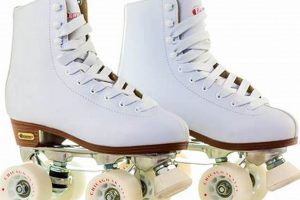
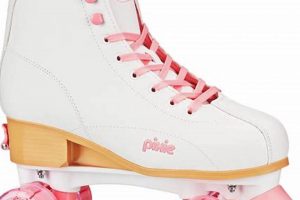
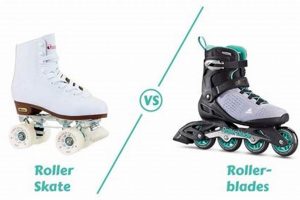
Quad skates, characterized by two wheels in the front and two in the back, are often recommended for beginners due to their inherent stability. Inline skates, while offering different advantages, require a greater degree of balance and control, making them potentially more challenging for novices.
Question 3: How long does it typically take to learn the basics of roller skating?
The duration varies significantly depending on individual aptitude, practice frequency, and instruction quality. However, with consistent effort and proper guidance, most beginners can acquire basic balance, gliding, and stopping skills within a few weeks of regular practice.
Question 4: What are the most common injuries associated with learning to roller skate, and how can they be prevented?
Common injuries include wrist fractures, ankle sprains, and head trauma. Prevention strategies involve the consistent use of appropriate protective gear (helmets, wrist guards, elbow pads, knee pads) and practicing in a safe, controlled environment.
Question 5: Is professional instruction necessary to learn to roller skate?
While not strictly required, professional instruction can significantly accelerate the learning process and minimize the risk of developing incorrect techniques or unsafe habits. A qualified instructor can provide personalized guidance and ensure a structured progression of skills.
Question 6: What type of surface is most suitable for practicing roller skating as a beginner?
A smooth, level surface free from obstructions and pedestrian traffic is ideal. Examples include empty parking lots, indoor roller rinks, or designated skating areas. Avoid surfaces with cracks, gravel, or uneven terrain, as these can increase the risk of falls.
Understanding these fundamental questions is crucial for the implementation of effective learning. Mastering the basics requires time and patience for any learner of “how to roller skate beginners.”
The following section will consider various specific drills to become a more efficient roller skater.
Conclusion
The comprehensive exploration of “how to roller skate beginners” underscores the importance of safety, structured learning, and consistent practice. Key elements, including protective gear utilization, safe practice environment selection, balanced body positioning, controlled initial movement, effective fall techniques, consistent braking drills, and gradual skill progression, collectively contribute to a positive and secure learning experience. Each component is interconnected, influencing the skater’s ability to acquire skills, mitigate risks, and develop confidence.
Mastery of these foundational principles paves the way for long-term enjoyment and proficiency in roller skating. Continued adherence to safety guidelines, dedication to practice, and a commitment to expanding skill sets will ensure a rewarding and fulfilling experience within this activity. The pursuit of roller skating necessitates diligence and a respect for one’s physical limitations, promoting a lifelong journey of skill acquisition and personal enrichment.
![Get Rolling! Brand New Pair of Roller Skates Song [Audio] | Learn to Surf & Skate: A Beginner's Step-by-Step Guide](https://universitysurfandskate.com/wp-content/uploads/2026/05/th-191-300x200.jpg "Get Rolling! Brand New Pair of Roller Skates Song [Audio] Learn to Surf & Skate: A Beginner's Step-by-Step Guide")