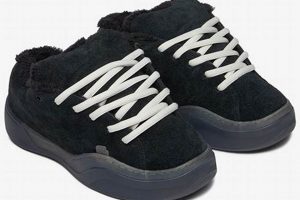
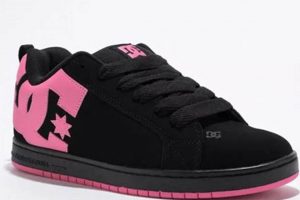
Footwear designed for skateboarding that accommodates broader foot dimensions represents a specialized segment within the athletic shoe market. These shoes prioritize comfort and performance for individuals whose feet exceed standard width measurements, addressing a common challenge encountered with traditionally narrow skate shoe designs. Such designs typically feature a more generous toe box and overall wider platform.
The significance of appropriately sized skateboarding footwear lies in its ability to enhance stability, board feel, and reduce the risk of discomfort or injury. Historically, skaters with wider feet often resorted to purchasing shoes a size or two larger to compensate for the lack of width, a practice that compromised both control and foot support. The emergence of models specifically tailored to accommodate wider foot shapes represents a substantial improvement in accessibility and performance for a considerable segment of the skateboarding community.
The ensuing discussion will delve into the factors one should consider when selecting appropriately fitting models, detailing specific features and brands known for accommodating broader foot shapes, and providing insights into optimal shoe care and maintenance practices. This aims to provide a comprehensive guide for individuals seeking appropriate footwear to maximize their skateboarding experience.
Selection Guidance for Accommodating Footwear
The following guidance outlines key considerations for procuring skateboarding footwear designed to accommodate wider foot dimensions, ensuring optimal performance and comfort. These tips emphasize informed decision-making based on specific foot characteristics and skateboarding style.
Tip 1: Measurement Accuracy: Prior to initiating the selection process, precise measurement of foot length and width is imperative. Utilize a Brannock device or comparable measuring tool to obtain accurate dimensions. Consult sizing charts specific to individual brands, as sizing can vary considerably.
Tip 2: Construction Material Evaluation: Footwear constructed from pliable materials such as suede or canvas often provides greater adaptability compared to rigid leather or synthetic alternatives. These materials exhibit a higher degree of stretch, accommodating wider foot profiles more effectively.
Tip 3: Toe Box Assessment: Scrutinize the toe box area of prospective models. A wider, more rounded toe box allows for natural toe splay, preventing constriction and discomfort. Avoid designs with sharply tapered toe boxes, as these typically exacerbate fit issues for individuals with wider feet.
Tip 4: Sole Unit Considerations: The sole unit’s width and overall stability play a crucial role in board feel and control. Opt for models with a wider platform that provides ample support and prevents excessive foot rollover during maneuvers.
Tip 5: Brand and Model Research: Conduct thorough research to identify brands and specific models known for accommodating wider foot dimensions. Online reviews and skateboarding forums often provide valuable insights into real-world user experiences and fit recommendations.
Tip 6: In-Store Fitting Prioritization: Whenever feasible, prioritize in-store fitting to assess fit and comfort firsthand. Wear skateboarding socks during the fitting process to accurately simulate real-world conditions. Walk and perform basic skateboarding motions to evaluate the shoe’s performance.
Tip 7: Break-In Period Anticipation: Expect a break-in period for new footwear. Initial stiffness may gradually subside as the materials conform to the foot’s shape. Short, controlled skateboarding sessions are recommended during the break-in period to minimize discomfort.
Adhering to these recommendations will significantly increase the likelihood of selecting skateboarding footwear that provides a comfortable, supportive, and performance-enhancing fit for individuals with wider foot dimensions.
The subsequent sections will explore specific brands and models that frequently cater to wider feet, and offering guidance on shoe care practices.
1. Wider Toe Box
The wider toe box represents a crucial design element in footwear engineered for skateboarding, particularly for individuals with wider foot dimensions. This feature directly addresses the discomfort and potential for injury that can arise from constricting the forefoot. A wider toe box allows the toes to splay naturally upon impact and during movement, reducing pressure points and friction. This is a significant departure from traditionally narrow skate shoe designs, which can compress the toes and lead to blisters, bunions, or nerve damage. For example, skaters performing flip tricks require unrestricted toe movement to effectively grip the board; a narrow toe box hinders this action.
The implementation of a wider toe box in “skate shoes for wide feet” often necessitates adjustments to other aspects of the shoe’s construction. The overall width of the sole platform and the internal volume of the shoe must be increased proportionally to maintain balance and prevent excessive heel slippage. Furthermore, the lacing system may need to be modified to accommodate the increased forefoot volume. Brands that prioritize this design element, such as Lakai with certain models, often employ flexible materials in the toe box area to further enhance comfort and adaptability. This approach ensures that the shoe conforms to the wearer’s foot shape without sacrificing durability or board feel.
In summary, the wider toe box is not merely an aesthetic feature but a functional requirement for skateboarding footwear intended for individuals with wider feet. It promotes foot health, enhances performance, and contributes to a more comfortable skateboarding experience. The ongoing evolution of skate shoe design reflects a growing awareness of the importance of accommodating diverse foot shapes, with the wider toe box serving as a prime example of this trend.
2. Flexible Materials

The utilization of flexible materials in skateboarding footwear designed for wider feet directly impacts comfort, fit, and performance. Conventional, rigid materials often exacerbate discomfort for individuals whose feet exceed standard widths. Flexible materials, such as suede or canvas, possess inherent properties that allow for a more conforming fit, minimizing pressure points and accommodating the natural splay of the foot during skateboarding activities. This adaptability is critical for mitigating the risk of blisters, bunions, and other foot ailments commonly associated with ill-fitting footwear. For instance, consider the repetitive impact experienced during ollies; footwear constructed from a supple suede will yield to the foot’s expansion upon impact, whereas a more rigid material may cause friction and subsequent discomfort.
Furthermore, the selection of flexible materials directly influences board feel, a crucial aspect of skateboarding performance. A more pliable upper allows for increased sensitivity and tactile feedback from the skateboard deck. This enhanced connection enables skaters to more accurately perceive their position and execute maneuvers with greater precision. Conversely, overly stiff materials can dampen board feel, hindering the skater’s ability to make subtle adjustments and maintain control. Many models marketed towards skaters with wider feet incorporate strategically placed panels of flexible materials in high-stress areas, such as the vamp and quarter, to maximize both comfort and board feel.
In summary, the integration of flexible materials into skateboarding footwear represents a pragmatic design consideration for accommodating wider foot dimensions. These materials promote comfort, mitigate the risk of foot-related injuries, and enhance board feel, ultimately contributing to an improved skateboarding experience. The ongoing research and development in material science within the skateboarding industry suggest a continued emphasis on the utilization of flexible and adaptive materials to cater to the diverse needs of skaters.
3. Sole Platform Width

The dimension of the sole platform critically affects the functionality and comfort of footwear designed for skateboarding, especially for individuals requiring wider fits. Sole platform width, defined as the lateral expanse of the outsole, directly influences stability and support. Inadequate width can lead to foot rollover, increasing the risk of ankle sprains and diminishing control during complex maneuvers. Therefore, a wider platform is often a defining characteristic of skate shoes designed to accommodate wider feet. These designs consider the broader foot base, providing a more stable foundation and reducing the likelihood of injury. For instance, a skater executing a kickflip requires a stable base to land effectively; insufficient sole width can compromise balance and control, potentially resulting in a fall. Models that offer wider platforms alongside wider uppers exemplify a comprehensive approach to addressing the needs of skaters with broader feet.
A wider sole platform also distributes the impact forces more evenly across the foot, mitigating stress on specific pressure points. This is particularly beneficial for skaters who spend extended periods performing high-impact tricks. Moreover, the increased surface area can enhance grip and traction on the skateboard deck, improving board feel and control. It is important to note that sole platform width should be proportionate to the overall shoe size and design; an excessively wide platform can compromise maneuverability and create an unwieldy feel. Consequently, shoe manufacturers often employ specific design features, such as flared outsoles or reinforced sidewalls, to optimize both stability and board feel. Brands that specialize in skate footwear frequently conduct rigorous testing to determine the ideal sole platform width for various foot shapes and skateboarding styles.
In conclusion, sole platform width constitutes a crucial design parameter in “skate shoes for wide feet,” directly influencing stability, support, and impact distribution. Selection of appropriate sole platform width is integral to minimizing injury risk and maximizing skateboarding performance. Understanding the interplay between foot dimensions, sole platform width, and skateboarding style enables informed decision-making, ensuring that footwear adequately supports the skater’s needs. The evolution of skate shoe design reflects an increasing awareness of the importance of accommodating diverse foot shapes, with sole platform width emerging as a key consideration.
4. Internal Volume
Internal volume, in the context of footwear designed for skateboarding, refers to the three-dimensional space within the shoe that accommodates the foot. For individuals with wider feet, adequate internal volume is crucial to ensure comfort, proper fit, and optimal performance, especially in “skate shoes for wide feet”. A comprehensive understanding of the relationship between internal volume and foot dimensions is essential for selecting footwear that mitigates discomfort and potential injuries.
- Vertical Toe Box Height
Vertical toe box height refers to the space above the toes within the shoe. Insufficient height forces the toes to press against the upper material, causing discomfort and potentially leading to conditions such as hammer toes or ingrown toenails. In “skate shoes for wide feet,” adequate vertical toe box height prevents constriction, allowing for natural toe splay and reducing friction. Examples include designs with a more elevated toe cap, which provide additional vertical space, thereby improving comfort during prolonged skateboarding sessions.
- Midfoot Circumference
Midfoot circumference dictates the space around the arch and instep of the foot. Insufficient midfoot circumference restricts blood flow and can cause pain or numbness. For “skate shoes for wide feet,” a generous midfoot circumference ensures that the shoe does not overly compress the arch, providing a secure yet comfortable fit. Some models incorporate adjustable lacing systems in the midfoot area, allowing for customization and accommodating varying instep heights.
- Heel Cup Depth and Width
Heel cup dimensions influence the stability and security of the heel within the shoe. Inadequate heel cup depth can lead to heel slippage, causing blisters and compromising stability. Conversely, a heel cup that is too narrow can create pressure points and discomfort. “Skate shoes for wide feet” require a heel cup that accommodates the heel’s width while providing sufficient depth to prevent slippage. Reinforced heel counters contribute to heel stability, preventing excessive movement during dynamic skateboarding maneuvers.
- Overall Shoe Length Relative to Width
The relationship between overall shoe length and width dictates the proportional fit of the shoe. Discrepancies between length and width can result in a shoe that is either too long and loose or too short and constricting. For “skate shoes for wide feet”, maintaining proportionality is critical. Selecting a shoe that is appropriately sized in both length and width ensures that the foot is properly supported and that the shoe functions optimally. Brands that offer a range of width options within the same length size demonstrate an understanding of this relationship and provide a more tailored fit.
These facets of internal volume are interconnected and collectively determine the fit and comfort of “skate shoes for wide feet”. While specific brands may offer models that cater to individual aspects of internal volume, selecting a shoe that comprehensively addresses all dimensions is paramount. Consideration of vertical toe box height, midfoot circumference, heel cup dimensions, and the overall length-to-width ratio ensures that skaters with wider feet can perform at their best while minimizing the risk of discomfort or injury. For example, evaluating these factors can result in longer periods of comfortable skating for individuals with wide feet.
5. Enhanced Support
Enhanced support systems integrated into skateboarding footwear are particularly crucial for individuals with wider feet, as these individuals may experience unique biomechanical challenges during skateboarding. Proper support mechanisms can mitigate the risks associated with increased foot volume and weight distribution. This ensures stability and reduces the likelihood of injury, especially during high-impact activities.
- Arch Support Enhancement
Arch support reinforcement is critical for accommodating wider feet because a wider foot often corresponds with a lower or flatter arch profile. Insufficient arch support can lead to overpronation, causing pain and instability. Examples of enhancement include orthotic inserts, reinforced midsoles, and contoured footbeds that maintain the foot’s natural alignment. When incorporated into “skate shoes for wide feet,” these features provide stability and promote efficient energy transfer during movements.
- Ankle Stability Augmentation
Ankle stability is paramount in skateboarding due to the dynamic movements and potential for sudden impacts. Individuals with wider feet may be more susceptible to ankle instability due to altered weight distribution and increased lateral movement. Augmentation can involve higher collar designs, internal heel counters, and reinforced ankle padding. By providing enhanced ankle support, “skate shoes for wide feet” minimize the risk of sprains and improve overall control. High tops can be use for example.
- Midfoot Lockdown Systems
Midfoot lockdown systems are essential for securing the foot within the shoe and preventing excessive movement, particularly in wider feet. Effective systems include reinforced lacing structures, internal straps, and snug-fitting tongue designs. By creating a secure fit in the midfoot, “skate shoes for wide feet” improve board feel and responsiveness, allowing for precise control during tricks and maneuvers. A snug fit that is not too tight is preferred.
- Impact Absorption Technology
Impact absorption technology is designed to dissipate the forces generated during landings and high-impact activities. Wider feet may experience increased stress on certain areas of the foot, making effective impact absorption even more critical. Technologies such as gel inserts, foam midsoles, and air cushioning systems are commonly used to mitigate these forces. In “skate shoes for wide feet,” these features protect the foot and joints from injury and reduce fatigue during prolonged skateboarding sessions.
Collectively, these facets of enhanced support mechanisms contribute to a safer and more comfortable skateboarding experience for individuals with wider feet. By addressing the specific biomechanical needs of this population, manufacturers can create footwear that promotes stability, reduces injury risk, and enhances overall performance. The implementation of these features in “skate shoes for wide feet” demonstrates a commitment to inclusivity and caters to a diverse range of foot shapes and sizes. These systems will need more attention and care.
6. Brand Specialization

Brand specialization, as it pertains to skateboarding footwear, signifies a targeted approach by manufacturers to address specific consumer needs. In the context of “skate shoes for wide feet,” this specialization is crucial due to the limitations of standard shoe sizing and design, which often fail to accommodate individuals with broader foot dimensions. This lack of accommodation can lead to discomfort, reduced performance, and an increased risk of foot-related injuries. Consequently, brands that dedicate resources to understanding and catering to the unique biomechanical requirements of wider feet offer distinct advantages. This specialization manifests in the development of modified lasts, expanded sizing options, and the incorporation of design features that prioritize comfort and support for wider foot profiles. For example, Vans has certain models that are wider compared to others, allowing skaters who are long-time brand enthusiasts to skate comfortably.
The importance of brand specialization is further underscored by the fact that accommodating wider feet necessitates more than simply increasing the overall shoe size. Such a simplistic approach often results in a poor fit, with excessive length or heel slippage. Brands that specialize in “skate shoes for wide feet” instead focus on proportionally adjusting the width across various sections of the shoe, including the toe box, midfoot, and heel. They may also utilize more pliable materials that conform to the foot’s shape or implement unique lacing systems that allow for a customized fit. These specialized design elements contribute to enhanced board feel, improved stability, and a reduced risk of discomfort during prolonged skateboarding sessions. An example of this is Etnies with certain models that are well known for being wider than others, allowing skaters with wider feet to participate in the sport.
In summary, brand specialization in “skate shoes for wide feet” represents a critical response to the diverse needs of the skateboarding community. By investing in research, design, and manufacturing processes tailored to accommodate wider foot dimensions, specialized brands offer tangible benefits in terms of comfort, performance, and injury prevention. This focus on inclusivity not only enhances the skateboarding experience for individuals with wider feet but also promotes a more equitable and accessible sporting environment. This also allows skaters with wide feet to choose their style in skating shoes which can also allow for more personalization and enjoyment.
Frequently Asked Questions
The subsequent section addresses common inquiries regarding skateboard footwear tailored for broader foot dimensions. This information is intended to provide clarity and guidance for individuals seeking optimal fit and performance.
Question 1: Are skate shoes specifically designed for wide feet truly necessary, or can one simply purchase a larger size?
Acquiring a larger size is an inadequate substitute for footwear engineered with wider dimensions. Oversizing typically results in excessive length, leading to heel slippage and diminished board control. Footwear specifically designed for wider feet addresses the broader foot profile without compromising length, ensuring a secure and functional fit.
Question 2: What materials are most suitable for “skate shoes for wide feet,” and why?
Pliable materials such as suede and canvas are generally preferred. These materials offer greater adaptability and conform more readily to the foot’s shape, minimizing pressure points and enhancing comfort. Rigid materials, such as leather or synthetic composites, may exacerbate fit issues.
Question 3: How can proper arch support be ensured in “skate shoes for wide feet?”
Adequate arch support is crucial for maintaining foot stability and preventing overpronation. Look for models with contoured footbeds, integrated arch support structures, or the option to insert custom orthotics. The selected footwear should provide firm yet comfortable support along the medial arch.
Question 4: Are there specific brands known for consistently offering wider models of skateboarding footwear?
Certain brands have established a reputation for accommodating wider foot dimensions. Independent research and consultation of online reviews are recommended to identify models that align with individual needs. Experimentation across different brands is beneficial.
Question 5: How frequently should “skate shoes for wide feet” be replaced, considering the potential for increased wear and tear?
Replacement frequency depends on skateboarding style, frequency of use, and shoe construction. Examine the sole for wear, the upper for tears, and the internal support structures for degradation. Replace footwear when performance or support is compromised.
Question 6: Can aftermarket modifications, such as stretching, effectively widen skateboarding footwear?
Aftermarket modifications can offer limited improvement, but significant alterations may compromise the shoe’s structural integrity and void any warranties. Prioritize selecting footwear with an inherently appropriate width from the outset. Seek professional assistance for any modifications.
This FAQ section serves as a foundational resource for individuals seeking skateboard footwear tailored for wider feet. Informed decision-making is paramount in ensuring comfort, performance, and injury prevention.
The next section will provide practical advice on how to properly care for skateboarding footwear, extending its lifespan and preserving its functional integrity.
Conclusion
The preceding exploration of “skate shoes for wide feet” has illuminated the critical role of appropriately designed footwear in enhancing both the performance and well-being of skateboarders with broader foot dimensions. Factors such as toe box width, material flexibility, sole platform stability, internal volume, and integrated support systems have been identified as key determinants of a comfortable and functional fit. Furthermore, the specialization of certain brands in catering to this specific demographic underscores the importance of targeted design and manufacturing processes.
As the skateboarding landscape continues to evolve, the emphasis on inclusivity and the recognition of diverse anatomical needs will undoubtedly drive further innovation in footwear design. Skateboarders are encouraged to prioritize informed decision-making when selecting footwear, considering not only aesthetic preferences but also the biomechanical implications of ill-fitting shoes. The pursuit of appropriately designed “skate shoes for wide feet” is not merely a matter of comfort but a fundamental investment in long-term foot health and optimal skateboarding performance.