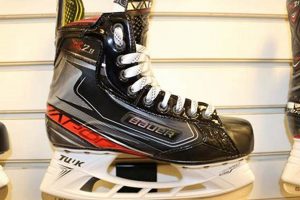
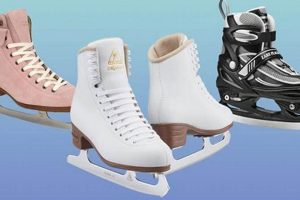
Pre-owned skating footwear offers an accessible entry point to the sport of ice skating. These items, previously owned, present a lower initial investment compared to purchasing new equipment. For example, a beginning skater might acquire a pair to determine their interest in the activity before committing to a more expensive, brand-new set.
Acquiring previously used equipment can provide significant cost savings, making the activity more attainable for individuals and families on a budget. Historically, the practice of acquiring secondhand sporting goods has allowed wider participation in various athletic pursuits. The accessibility also allows for experimentation with different skate types before committing to a particular style.
The subsequent sections will delve into considerations when evaluating such equipment, including assessing condition, determining appropriate fit, and understanding the associated risks and potential benefits. Proper inspection and maintenance are key to ensuring both safety and performance when utilizing previously owned articles.
Guidance on Acquiring Previously Owned Skating Footwear
This section provides essential guidance for individuals considering the acquisition of previously owned skating footwear. Careful assessment and informed decisions are paramount to ensure safety and satisfaction.
Tip 1: Thoroughly Inspect the Blades: Examine the blades for rust, pitting, and excessive wear. Rust can compromise the blade’s edge, while significant pitting indicates poor maintenance. Excessive wear reduces the blade’s ability to grip the ice effectively.
Tip 2: Assess Boot Condition: Evaluate the integrity of the boot. Check for cracks, tears, or deformation, particularly around the ankle and lacing areas. Compromised boot structure can lead to instability and injury.
Tip 3: Evaluate Ankle Support: Ensure the boots provide adequate ankle support. Gently flex the boot forward and backward to assess its rigidity. Insufficient support can increase the risk of ankle sprains.
Tip 4: Verify Liner Integrity: If the skates have removable liners, inspect them for wear and tear, odor, and proper fit. A damaged or ill-fitting liner can cause discomfort and blisters.
Tip 5: Confirm Proper Size and Fit: Try on the skates with appropriate skating socks. Ensure a snug but comfortable fit, allowing for minimal movement within the boot. Ill-fitting equipment can impede performance and increase the risk of injury.
Tip 6: Disinfect Thoroughly: Prior to first use, thoroughly disinfect the interior of the boots to minimize the risk of fungal or bacterial infections. Use a commercially available disinfectant spray or wipe.
Tip 7: Consider Professional Sharpening: Have the blades professionally sharpened before using the skates. A sharp blade edge is crucial for optimal performance and control on the ice.
By adhering to these guidelines, individuals can mitigate the risks associated with acquiring pre-owned skating footwear and maximize the potential for a safe and enjoyable skating experience. Proper diligence in assessment and maintenance is essential.
The concluding sections will summarize key safety considerations and emphasize the importance of professional guidance in selecting and maintaining skating equipment.
1. Blade Condition

Blade condition is a paramount consideration when evaluating previously owned ice skates. The integrity and sharpness of the blade directly influence a skater’s ability to control their movements, execute maneuvers, and maintain balance on the ice. Therefore, a thorough assessment of the blades is crucial prior to acquisition.
- Rust and Corrosion
The presence of rust or corrosion on the blade surface indicates poor maintenance and potential weakening of the steel. Rust can roughen the blade’s edge, reducing its ability to grip the ice effectively. Severe corrosion may compromise the structural integrity of the blade, increasing the risk of breakage. Blades exhibiting significant rust or corrosion should be avoided.
- Edge Sharpness and Profile
The sharpness of the blade’s edge is critical for efficient skating. A dull edge will slip and slide, making it difficult to control speed and direction. The blade’s profile, or the curvature along its length, also affects performance. An improperly shaped profile can hinder maneuverability and increase the risk of falls. Professional sharpening is often necessary to restore optimal edge sharpness and profile.
- Nicks and Gouges
Nicks and gouges on the blade’s edge can significantly impair performance. These imperfections disrupt the smooth flow of the blade across the ice, creating uneven grip and reducing control. Minor nicks can often be removed through professional sharpening, but more significant damage may necessitate blade replacement. Close inspection of the blade’s edge is crucial for detecting these imperfections.
- Blade Alignment and Mounting
Proper blade alignment and secure mounting to the boot are essential for safe and effective skating. Misaligned blades can cause uneven wear, instability, and difficulty in maintaining balance. Loose or damaged mountings can lead to blade detachment, posing a significant safety hazard. Careful examination of blade alignment and mounting hardware is necessary to ensure structural integrity.
In summary, the condition of the blades is a critical determinant of the overall usability and safety of previously owned ice skates. Thorough inspection for rust, edge sharpness, nicks, and proper alignment is essential. Addressing any identified issues through professional sharpening or blade replacement is crucial for optimal performance and minimizing the risk of injury.
2. Boot Integrity
Boot integrity is a critical component of previously owned ice skates, directly impacting user safety and performance. The boot provides structural support to the ankle and foot, translating a skater’s movements into controlled action on the ice. Compromised boot integrity diminishes this support, potentially leading to instability, injury, and reduced skating efficiency.
Causes of boot damage in secondhand skates range from material degradation due to age and environmental factors to physical trauma sustained during use. Cracks in the outer shell, separation of the sole from the upper, and deformation of the ankle support are common issues. For example, repeated exposure to moisture can weaken the boot’s adhesives, causing layers to delaminate. Similarly, impacts from falls or collisions can cause stress fractures in the plastic or composite materials. A boot lacking proper support may fail to adequately secure the ankle, increasing the risk of sprains or more severe injuries. Practical assessment involves a careful visual inspection, focusing on areas prone to stress, such as the ankle hinge, lace eyelets, and sole attachment points.
The practical significance of understanding boot integrity lies in mitigating potential risks associated with pre-owned equipment. A thorough evaluation can reveal hidden damage not immediately apparent. Neglecting this assessment can lead to preventable injuries and diminished performance. While some minor repairs may be possible, extensive damage often necessitates replacement. Prioritizing boot integrity ensures a safer and more enjoyable skating experience and should form a cornerstone of the evaluation process when acquiring previously owned ice skates.
3. Ankle Support
Ankle support is a critical determinant of safety and performance in ice skating, a factor particularly pertinent when considering previously owned ice skates. The boot’s ability to provide adequate lateral and medial support to the ankle joint directly impacts the skater’s stability, control, and risk of injury. Inadequate support can lead to ankle sprains, strains, and other musculoskeletal problems, especially when executing complex maneuvers or navigating uneven ice surfaces. The degree of support required varies depending on the skater’s skill level, skating style, and physical condition; beginners typically benefit from more rigid support, while advanced skaters may prefer a degree of flexibility to allow for greater range of motion.
Previously owned skates may exhibit degradation of ankle support due to wear and tear, material fatigue, or improper storage. The boot’s internal padding and structural components can weaken over time, reducing their ability to provide the necessary stability. For instance, a boot that was originally designed with firm ankle support may, after years of use, become excessively flexible, compromising its effectiveness. The level of risk related to diminished ankle support depends on the specific defect and the skater’s capabilities. Identifying compromised ankle support is crucial, and involves a hands-on assessment of the boot’s rigidity, flexibility, and overall structural integrity. Skaters should feel comfortably secured while executing side to side movements during initial assessment.
In summary, when evaluating used ice skates, diligent assessment of ankle support is essential to ensure user safety and prevent potential injuries. Compromised ankle support can significantly increase the risk of sprains and other musculoskeletal problems. Verification of adequate ankle support must be included as part of equipment evaluation.
4. Proper Fit

The correlation between proper fit and previously owned skating footwear is crucial for both safety and performance. A correct fit ensures efficient energy transfer from the skater to the ice, minimizes the risk of blisters and chafing, and provides optimal ankle support. Improperly fitting equipment, particularly in secondhand purchases, can negate the benefits of even high-quality skates, potentially leading to injury and hindering skill development. For example, skates that are too large allow excessive foot movement within the boot, causing instability and reducing control. Conversely, skates that are too small can constrict circulation and cause discomfort, limiting a skater’s ability to perform. The practical significance of understanding fit is heightened in the context of used equipment, as the boots may have already conformed to the previous owner’s foot shape, potentially exacerbating fit issues.
The complexities of ensuring proper fit in used ice skates extend beyond simple size measurements. Factors such as foot width, arch height, and individual foot morphology must be considered. Skates that initially feel comfortable may become problematic after extended use, as the materials soften and mold further. This phenomenon is particularly relevant with used skates, where the break-in process has already occurred. Professional skate fitters utilize specialized tools and techniques to assess these variables and recommend appropriate adjustments. For instance, heat molding can customize the boot’s shape to better conform to the skater’s foot, addressing minor fit discrepancies. In instances where used skates deviate significantly from the ideal fit, alternative options or custom modifications may be necessary.
In conclusion, proper fit represents a cornerstone of safe and effective ice skating, particularly when considering previously owned equipment. The potential for pre-existing wear patterns and individualized foot shapes necessitates careful evaluation and professional guidance. Prioritizing fit not only enhances performance but also mitigates the risk of injury, ensuring a positive and sustainable skating experience. Challenges associated with fit can be effectively addressed through diligent assessment and appropriate modifications or alternative equipment choices.
5. Sanitization
The acquisition and subsequent use of previously owned ice skates necessitate a rigorous sanitization protocol to mitigate the risk of transmitting infectious agents. Enclosed within the boot, the interior environment creates a conducive breeding ground for bacteria, fungi, and viruses due to the presence of moisture from perspiration and potential skin abrasions. The prior user’s microbial flora may persist within the skate’s lining and padding, posing a potential health hazard to the new owner. Furthermore, the reuse of skates without proper cleaning can lead to the development of unpleasant odors and accelerate material degradation. For example, dermatophytes, fungi responsible for athlete’s foot, can survive for extended periods in shoes and socks, readily colonizing the interior of unsterilized skates and causing infection in subsequent users. The practical significance of thorough sanitization lies in preventing these potential health risks and prolonging the lifespan of the equipment.
Effective sanitization strategies for previously owned ice skates involve a multi-pronged approach. Initial steps should include the physical removal of debris, such as dirt, hair, and loose fibers, using a brush or vacuum cleaner. Following this, the interior surfaces should be treated with a broad-spectrum disinfectant, targeting both bacterial and fungal pathogens. Commercially available disinfectants specifically formulated for athletic equipment are preferred, as they are designed to be effective against a wide range of microorganisms while minimizing damage to the skate’s materials. Alternative sanitization methods include the use of ultraviolet (UV) light sanitizers or ozone generators, which can effectively eliminate microorganisms without the use of harsh chemicals. However, these methods should be used with caution, as prolonged exposure to UV light or ozone can degrade certain materials. Allowing the skates to air dry completely after sanitization is crucial to prevent the regrowth of microorganisms.
In summary, sanitization constitutes an indispensable step in the process of acquiring and utilizing previously owned ice skates. Neglecting this aspect can expose the user to a range of potential health risks, including bacterial and fungal infections. A comprehensive sanitization protocol, incorporating physical cleaning, disinfectant application, and thorough drying, is essential for mitigating these risks and ensuring a safe and hygienic skating experience. Challenges associated with sanitizing intricate components can be addressed by the multi-pronged approach. Ultimately, prioritizing sanitization safeguards the user’s health and contributes to the longevity and usability of the equipment.
Frequently Asked Questions
The following questions address common concerns and misconceptions regarding the acquisition and utilization of previously owned ice skates. The information provided aims to offer clarity and guidance to prospective buyers.
Question 1: Is it safe to purchase previously owned ice skates?
The safety of acquiring secondhand skating equipment depends on a meticulous evaluation of the skates’ condition. Key factors include blade integrity, boot support, and overall fit. A professional assessment is recommended to identify potential risks and ensure the equipment meets acceptable safety standards.
Question 2: How can the condition of used ice skate blades be assessed?
Examine the blades for rust, pitting, and nicks. A dull blade edge indicates the need for sharpening. Uneven wear patterns may signify underlying structural issues. Consultation with a qualified skate technician is advisable for a comprehensive evaluation.
Question 3: What are the primary risks associated with poorly fitting ice skates?
Ill-fitting skates can lead to blisters, chafing, and reduced ankle support. Inadequate support increases the risk of ankle sprains and other injuries. Furthermore, improper fit can hinder performance and impede skill development.
Question 4: What steps should be taken to sanitize previously owned ice skates?
Thoroughly clean the interior of the skates with a disinfectant solution. Allow the skates to air dry completely. Consider replacing the insoles for enhanced hygiene. Regular maintenance and cleaning are crucial to prevent the growth of bacteria and fungi.
Question 5: Can used ice skates be heat-molded to improve the fit?
Some types of skating boots are designed to be heat-molded, allowing for a more customized fit. However, this process should be performed by a trained professional to avoid damaging the equipment. Heat-molding may not be suitable for all used skates, depending on their material and construction.
Question 6: What is the average lifespan of used ice skates?
The lifespan of previously owned ice skates depends on the quality of the equipment, the frequency of use, and the level of maintenance. With proper care, used skates can provide several seasons of reliable performance. However, regular inspection and timely repairs are essential to maximize their longevity.
Prioritize safety through diligent inspection, professional assessment, and proper maintenance when considering previously owned ice skates. A well-informed decision ensures a safer and more enjoyable skating experience.
The following section will delve into resources for locating and acquiring previously owned skating equipment.
Conclusion
This exploration has illuminated critical considerations for acquiring pre-owned skating footwear. Thorough assessment of blade condition, boot integrity, ankle support, proper fit, and sanitization protocols are paramount. Addressing potential deficiencies through professional services is frequently advisable. Used ice skates present a viable entry point to the sport but require diligent evaluation to ensure safety and performance.
The decision to acquire previously owned equipment should be made with informed awareness. Prioritizing thorough inspection and adhering to established maintenance practices will maximize both the utility and longevity of used ice skates. The informed consumer contributes to a safer and more sustainable sporting ecosystem.