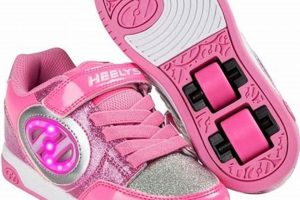
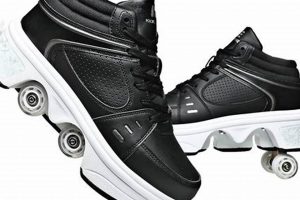
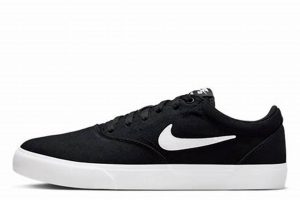
Footwear incorporating retractable wheels allows the wearer to transition between walking and skating modes. These hybrid designs typically feature a mechanism to deploy or retract wheels embedded within the sole of the shoe, offering a convenient alternative to carrying separate skates.An example would be footwear that appears as ordinary sneakers but, with the push of a button, transforms into functional roller skates.
The appeal of integrated footwear stems from its practicality and versatility. It provides a compact solution for recreational skating, commuting short distances, or navigating urban environments. Early iterations faced challenges in durability and comfort, but advancements in materials and engineering have led to improvements in performance and user experience. This type of design offers individuals the ability to seamlessly switch between pedestrian and skating mobility, enhancing freedom and efficiency in various situations.
This article will delve into the mechanics of the retraction systems, examine the variety of available models, explore safety considerations, and discuss the future trends shaping the development of such adaptable footwear.
Guidance on Integrated Skate Footwear
This section provides crucial guidance for users and potential purchasers of footwear designed for dual walking and skating functionalities.
Tip 1: Mechanism Inspection: Prior to each use, meticulously examine the retraction mechanism. Ensure that all locking mechanisms are fully engaged in either the walking or skating configuration. Failure to do so may result in unexpected deployment or retraction, leading to potential injury.
Tip 2: Surface Evaluation: Assess the skating surface for hazards such as debris, cracks, or unevenness. This type of footwear is typically not designed for aggressive skating and is best suited for smooth, paved surfaces.
Tip 3: Weight Distribution: When skating, maintain a balanced posture with weight evenly distributed across both feet. This will maximize control and stability, especially during turns or when encountering minor surface irregularities.
Tip 4: Gradual Transitioning: Practice transitioning between walking and skating modes in a controlled environment. Familiarize yourself with the deployment and retraction procedures before using the footwear in dynamic settings.
Tip 5: Wheel Maintenance: Regularly inspect the wheels for wear and tear. Replace worn wheels promptly to maintain optimal grip and rolling efficiency. Clean the wheels periodically to remove dirt and debris.
Tip 6: Protective Gear: While it is tempting to omit, it is vital to wear appropriate protective gear, including a helmet, knee pads, and elbow pads, even for experienced skaters. These measures can mitigate the severity of injuries resulting from falls or collisions.
Tip 7: Understanding Limitations: Recognize that integrated skate footwear may not perform as well as dedicated skates. Avoid attempting advanced maneuvers or skating at high speeds until comfortable with the handling characteristics of the footwear.
By following these guidelines, users can enhance their safety and enjoyment when utilizing footwear with integrated skating capabilities.
The subsequent sections will cover various models, safety standards, and emerging technologies relevant to integrated skating footwear.
1. Mechanism

The mechanism is at the core of footwear capable of transforming into skates, representing the engineering solution that enables the dual functionality. Its reliability, efficiency, and user-friendliness directly influence the overall performance and acceptance of this type of product. The specific design of the mechanism dictates the ease of transition between walking and skating modes and plays a critical role in ensuring safety and durability.
- Wheel Deployment/Retraction System
The core component is the mechanism for deploying and retracting the wheels. This can involve levers, buttons, or sliders that activate a series of internal linkages. The system must be robust enough to withstand repeated use and exposure to environmental elements, such as dirt and moisture. Early systems relied on complex spring-loaded designs, while more recent iterations incorporate simpler, more reliable mechanical solutions. Improperly designed deployment systems can lead to wheels deploying unexpectedly, posing a safety hazard.
- Locking Mechanism
A secure locking mechanism is critical for both skating and walking modes. When skating, it prevents the wheels from retracting unintentionally, and when walking, it ensures the wheels are securely locked away to avoid impeding normal gait. These mechanisms often involve multiple locking points to distribute stress and enhance security. A failure in the locking mechanism can lead to instability while skating or difficulty walking, increasing the risk of falls.
- Material Selection and Engineering
The materials used in the mechanism’s construction significantly impact its durability and longevity. High-strength metals and engineered plastics are commonly used to withstand the forces generated during skating and the wear and tear of repeated transformations. The design must also account for the precision required to ensure smooth operation and minimal friction. Poor material choices can lead to premature failure of components, rendering the footwear unusable or unsafe.
- Maintenance and Accessibility
The ease with which the mechanism can be maintained or repaired influences its practicality for long-term use. A design that allows for easy cleaning and lubrication of moving parts can extend its lifespan. Similarly, the availability of replacement parts or the ability to disassemble the mechanism for repairs is a key consideration. Mechanisms that are difficult to access or repair may discourage users from maintaining their footwear, leading to a shorter lifespan and potential safety issues.
In conclusion, the mechanism is not merely a component but a complex system whose design and execution determine the success or failure of footwear designed for dual functionality. A well-engineered mechanism provides a seamless, safe, and durable experience, while a poorly designed one can compromise both performance and safety, highlighting the critical importance of rigorous engineering and quality control in the development of these products.
2. Durability

Durability is a critical factor in the overall utility and consumer satisfaction regarding footwear with integrated skating capabilities. The ability of this type of footwear to withstand repeated use under varying conditions directly impacts its value and longevity, influencing purchasing decisions and user experience.
- Material Strength and Resilience
The materials used in constructing integrated skate footwear must possess high tensile strength and resistance to wear and tear. The shoe’s upper, sole, and internal mechanisms are subjected to constant stress from walking, skating, and the act of transforming between modes. Polymers, reinforced composites, and treated leathers are often employed to enhance resistance to abrasion, impact, and environmental degradation. The selection of substandard materials can lead to premature failure, compromising functionality and safety.
- Structural Integrity of the Retraction Mechanism
The retraction mechanism, involving hinges, levers, and locking systems, requires robust engineering to endure repetitive deployment and retraction cycles. Metal alloys, such as hardened steel or aluminum, are frequently used for these components to resist bending, breaking, and corrosion. The structural design must distribute stress evenly to prevent localized failures. Inadequate mechanism integrity can result in wheels becoming stuck, failing to lock properly, or completely detaching, rendering the footwear unusable or hazardous.
- Wheel and Bearing Endurance
The wheels and bearings are subjected to continuous friction and impact during skating. High-quality polyurethane wheels, known for their abrasion resistance and shock absorption, are essential for maintaining performance and longevity. Similarly, sealed bearings constructed from durable metals ensure smooth rolling and resistance to contamination from dirt and moisture. Inferior wheels can wear down quickly, reducing grip and control, while substandard bearings can seize up, impeding the skating experience.
- Resistance to Environmental Factors
Integrated skate footwear is often used outdoors, exposing it to diverse environmental conditions, including moisture, temperature fluctuations, and UV radiation. Materials must be treated or inherently resistant to these elements to prevent degradation. Water-resistant coatings, UV inhibitors, and breathable fabrics can help maintain the footwear’s integrity and appearance over time. Failure to protect against environmental factors can lead to material breakdown, color fading, and reduced performance.
In summary, the durability of integrated skate footwear is determined by the combined performance of its materials, mechanism, wheels, and resistance to environmental factors. Compromises in any of these areas can significantly reduce the product’s lifespan and overall value, emphasizing the importance of prioritizing durability in design and manufacturing.
3. Comfort

Comfort is a paramount consideration in the design and adoption of footwear featuring integrated skating capabilities. Unlike dedicated athletic footwear, these hybrid designs must balance the demands of both walking and skating, necessitating careful attention to ergonomics, materials, and construction.
- Ergonomic Design and Foot Support
The internal structure of the shoe must provide adequate arch support and cushioning to mitigate the impact forces generated during both walking and skating. A well-designed footbed distributes pressure evenly, reducing fatigue and preventing discomfort. Ill-fitting footwear can lead to blisters, plantar fasciitis, and other foot ailments. The integration of skating components must not compromise the shoe’s ability to properly support the foot. For example, added weight or rigidity can negatively affect the wearers gait and overall comfort.
- Material Breathability and Moisture Management
Extended use of footwear, whether walking or skating, can lead to perspiration and moisture buildup inside the shoe. Breathable materials, such as mesh fabrics and ventilated linings, facilitate airflow and allow moisture to evaporate, maintaining a comfortable internal environment. Moisture-wicking properties in the sock liner further enhance comfort by drawing sweat away from the skin. Inadequate ventilation can cause discomfort, odor, and increase the risk of fungal infections.
- Weight Distribution and Balance
The weight of the integrated skating mechanism can affect the wearer’s balance and stability, particularly during walking. Distributing the weight evenly across the sole minimizes strain on specific areas of the foot and ankle. Lightweight materials and optimized design can reduce the overall weight of the footwear, improving comfort and maneuverability. Uneven weight distribution can lead to instability, fatigue, and an increased risk of falls.
- Flexibility and Range of Motion
Footwear must allow for a natural range of motion during both walking and skating. Excessive rigidity can restrict movement, causing discomfort and increasing the risk of injury. Flexible soles and articulated uppers allow the foot to bend and flex naturally, enhancing comfort and performance. Compromises in flexibility, particularly in the ankle area, can hinder skating technique and make walking less efficient.
In summary, comfort in integrated skate footwear is not merely a matter of preference, but a critical factor influencing user satisfaction, performance, and long-term foot health. Addressing ergonomic design, breathability, weight distribution, and flexibility is essential in creating a product that is both functional and comfortable for a variety of activities.
4. Safety

Safety is a paramount concern in the design, manufacturing, and utilization of footwear that transitions into skates. The inherent duality of function introduces specific risks that must be addressed to ensure user well-being and minimize potential for injury.
- Braking Mechanisms and Stopping Distance
Effective braking systems are crucial for controlling speed and preventing collisions. Heel brakes, toe stops, or other integrated mechanisms must provide sufficient stopping power on various surfaces. Testing stopping distances under different conditions is essential to ensure adequate performance. Inadequate braking systems can lead to uncontrolled acceleration and increase the risk of accidents, particularly in crowded or uneven environments.
- Wheel Locking and Deployment Security
Secure locking mechanisms are necessary to prevent unintended wheel deployment during walking and unintended retraction during skating. These mechanisms must withstand impact forces and repeated use without failing. Redundant locking systems can provide an extra layer of protection against accidental activation. A failure in the locking mechanism can result in sudden loss of balance or unexpected transitions, potentially causing falls or collisions.
- Ankle Support and Stability
Adequate ankle support is vital for maintaining stability and preventing ankle injuries, particularly during skating. Stiff uppers, reinforced ankle cuffs, and secure lacing systems can help to minimize ankle roll and provide support during lateral movements. Insufficient ankle support can increase the risk of sprains, fractures, and other lower extremity injuries.
- Visibility and Conspicuity
Enhanced visibility is essential for users operating in low-light conditions or areas with vehicular traffic. Reflective materials, bright colors, and integrated lighting systems can increase conspicuity and reduce the risk of collisions with pedestrians, cyclists, or vehicles. Poor visibility can make it difficult for others to see the skater, increasing the likelihood of accidents, especially at night or in adverse weather conditions.
The safety considerations outlined above are not exhaustive, but they highlight the critical importance of prioritizing safety in the design and use of footwear with integrated skating capabilities. Adherence to established safety standards, rigorous testing, and user education are essential for mitigating the risks associated with this type of product. Continuous improvement in safety features and user awareness will be critical for fostering widespread adoption and ensuring user well-being.
5. Portability
Portability is a key attribute that distinguishes footwear incorporating retractable skates from conventional skates. The ease with which these items can be carried or transported directly influences their practicality and appeal for various activities.
- Integrated Design
The core of the item’s portability lies in its integrated design, which eliminates the need to carry separate skates. The wheels retract into the sole, allowing the footwear to function as regular shoes when not in use. This dual functionality significantly reduces the burden of carrying extra equipment, making it convenient for commuting, traveling, or engaging in spontaneous recreational skating. A person might, for example, wear these items while commuting to work and then use the skate function for a recreational activity during their lunch break, all without the added inconvenience of carrying separate skates.
- Weight Considerations
The weight of the footwear directly affects its portability. Manufacturers strive to minimize weight while maintaining durability and structural integrity. The use of lightweight materials, such as aluminum alloys and advanced polymers, contributes to reducing the overall weight. For instance, a lighter design allows the user to walk more comfortably and carry the footwear in a bag without excessive strain. Balance between reducing weight and ensuring robustness is crucial for the item’s practicality.
- Compact Form Factor
The ability to minimize the overall size and shape of the footwear when the skates are retracted enhances its portability. A streamlined design allows the footwear to fit more easily into bags, lockers, or luggage. Mechanisms and components must be designed to minimize protrusion when retracted. Consider a traveler who wants to explore a city both on foot and by skating; the compact form factor allows them to pack more efficiently.
- Ease of Transition
The simplicity and speed of transitioning between walking and skating modes impact the overall portability experience. A user-friendly retraction mechanism that allows for quick and effortless transformations enhances the convenience of switching between activities. For example, a design that enables instant transformation between functions, eliminates delays, making it seamless transition between activities.
In conclusion, the portability of footwear incorporating retractable skates is not merely a convenience but a core design principle that enhances versatility and user experience. The integration of design, weight management, form factor, and ease of transition contribute to the practicality, expanding the product appeal for individuals seeking a convenient and adaptable transportation option.
6. Innovation

Innovation forms the cornerstone of development and refinement in footwear with integrated skating capabilities. These products inherently require inventive solutions to merge the disparate functions of walking and skating into a single, cohesive design. Without continuous innovation, the functionality, safety, and user experience of such footwear would stagnate. The cause-and-effect relationship is clear: innovative engineering leads to improved mechanisms, enhanced durability, and increased user adoption. Consider the evolution of wheel retraction systems. Early designs were cumbersome and prone to failure, but innovations in materials science and mechanical engineering have yielded more reliable and user-friendly mechanisms.
The importance of innovation is further highlighted by the ongoing efforts to enhance safety features. For example, the integration of advanced braking systems, such as responsive heel brakes or electronically controlled stopping mechanisms, represents a significant leap forward in user safety. Similarly, innovations in materials and manufacturing techniques have resulted in lighter, more durable components, improving both the performance and longevity of the footwear. These developments are not merely aesthetic improvements; they directly address practical concerns such as stability, control, and resistance to wear and tear. The practical application of these innovations is evident in the improved performance and reduced injury rates associated with more recent models.
In summary, innovation is not just a desirable aspect but a fundamental requirement for progress in integrated skate footwear. It drives improvements in functionality, safety, durability, and user experience. While challenges remain in balancing these factors and addressing cost considerations, continued innovation is essential for realizing the full potential of these adaptable and versatile products. The future trajectory of integrated skate footwear hinges on the ability to overcome current limitations through creative engineering and a commitment to ongoing refinement.
Frequently Asked Questions
This section addresses common inquiries regarding footwear designed to transition between walking and skating modes. The information provided aims to clarify aspects related to functionality, safety, and maintenance.
Question 1: What is the expected lifespan of the wheel retraction mechanism?
The lifespan of the retraction mechanism varies depending on usage frequency, environmental conditions, and adherence to maintenance guidelines. High-quality mechanisms, constructed from durable materials and properly maintained, can typically withstand several years of regular use. However, frequent use in harsh conditions or neglect of maintenance can significantly reduce the mechanism’s lifespan.
Question 2: Are these shoes suitable for performing advanced skating maneuvers?
Footwear with integrated skating functionality is generally designed for recreational skating and short-distance commuting. It is not intended for aggressive skating, performing complex tricks, or use in skate parks. Attempting advanced maneuvers may exceed the footwear’s design limitations and increase the risk of injury.
Question 3: What type of maintenance is required?
Regular maintenance is essential for preserving the functionality and lifespan of the footwear. This includes cleaning the wheels and bearings, lubricating moving parts of the retraction mechanism, and inspecting for signs of wear or damage. Specific maintenance instructions are typically provided by the manufacturer.
Question 4: How does the weight of these shoes compare to regular athletic shoes?
Footwear with integrated skating functionality typically weighs more than regular athletic shoes due to the presence of the wheels and retraction mechanism. However, manufacturers strive to minimize weight through the use of lightweight materials and optimized design. The added weight may be noticeable during walking but is generally manageable for most users.
Question 5: What safety certifications do these shoes typically carry?
Depending on the region and manufacturer, these items might adhere to safety standards established by organizations like ASTM International. Such certifications ensure the footwear meets certain requirements for structural integrity, braking performance, and material safety. Purchasers should verify the presence of relevant certifications prior to purchase.
Question 6: Can the wheels be replaced if they become worn?
In many cases, the wheels can be replaced if they become worn or damaged. Replacement wheels are typically available from the manufacturer or authorized retailers. The process for replacing the wheels varies depending on the specific design of the footwear.
In summary, understanding the limitations, maintenance requirements, and safety features of footwear with integrated skating functionality is crucial for ensuring a positive and safe user experience. Purchasers are encouraged to carefully review product specifications and follow manufacturer guidelines.
The following sections will address consumer insights and future trends in the design of shoes that convert to skates.
Conclusion
This exploration has illuminated the multifaceted nature of footwear integrating skating capabilities. From the intricacies of the retraction mechanism to the critical importance of durability and safety, each element contributes to the overall functionality and user experience. The discussion of portability and innovation underscores the ongoing efforts to refine these hybrid designs. The FAQ section addressed practical concerns, offering guidance on maintenance, limitations, and safety certifications.
The ongoing development of this dual-function footwear will likely depend on further innovation in materials science, mechanical engineering, and safety technology. Consumers are encouraged to prioritize safety and performance by carefully evaluating product specifications and adhering to manufacturer guidelines. Further research and development will be instrumental in realizing the full potential of integrated skate footwear.