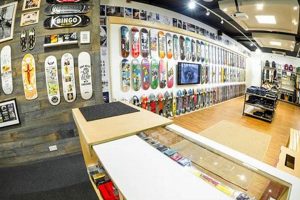
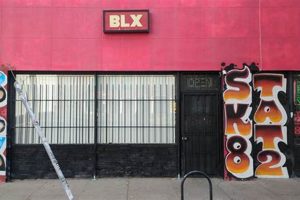
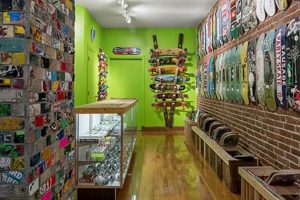
Establishments specializing in footwear designed for skateboarding are retail locations offering a curated selection of products geared towards the unique demands of the sport. These businesses typically provide durable, supportive shoes with reinforced construction to withstand the wear and tear associated with skateboarding maneuvers. As an example, a customer might visit such a store seeking a specific brand known for its vulcanized soles and impact-resistant insoles.
The importance of these specialty retailers lies in their ability to cater to the specific needs of skateboarders. These establishments offer benefits such as expert advice on footwear selection, ensuring proper fit and functionality for optimal performance and injury prevention. Historically, such shops have played a vital role in fostering skateboarding culture, serving as community hubs and sources for information and equipment.
The following sections will delve into the various types of footwear available, considerations for selecting the right shoe, and the impact these retail outlets have on the broader skateboarding ecosystem. Furthermore, information regarding shoe technology advancements and brand-specific features will be addressed.
Footwear Selection Guidance
Selecting appropriate skateboarding footwear is crucial for performance, safety, and longevity. This section provides guidance on choosing the right shoe based on skateboarding style, foot anatomy, and intended use.
Tip 1: Prioritize Durability: Vulcanized rubber soles and reinforced stitching are essential. These features withstand the abrasive nature of skateboard grip tape and repeated impacts.
Tip 2: Assess Ankle Support: High-top designs offer increased ankle support, beneficial for vert skating or individuals prone to ankle injuries. Low-top options provide greater flexibility for street skating.
Tip 3: Consider Sole Construction: Cupsole construction offers greater impact protection and durability, while vulcanized soles provide enhanced board feel and flexibility.
Tip 4: Examine Material Composition: Suede and leather uppers offer durability and resistance to wear. Canvas alternatives provide increased breathability but may be less durable.
Tip 5: Ensure Proper Fit: Shoes should fit snugly without being restrictive. Ample toe room is necessary to prevent discomfort during extended use. Try shoes on with skateboarding socks for accurate sizing.
Tip 6: Evaluate Insole Technology: Insoles with impact-absorbing properties, such as polyurethane or gel, can reduce stress on joints during landings and high-impact maneuvers.
Tip 7: Research Brand Reputation: Established skateboarding shoe brands often possess a proven track record of quality, durability, and performance. Review customer testimonials and professional skater endorsements.
Adhering to these guidelines will assist in selecting footwear that provides optimal performance, protection, and longevity, ultimately enhancing the skateboarding experience.
The following section will address frequently asked questions regarding skateboard shoe maintenance and care to prolong the lifespan of your chosen footwear.
1. Durable Footwear Selection
The availability of durable footwear is a cornerstone of the specialized retail environment dedicated to skateboarding. These retail locations prioritize stocking merchandise designed to withstand the unique stresses and impacts associated with the sport. This focus directly impacts the longevity and performance of skateboarding shoes.
- Reinforced Construction Materials
Skateboarding places extreme demands on footwear, requiring materials capable of resisting abrasion, tearing, and repetitive impacts. A durable selection features shoes constructed with reinforced stitching, double-layered ollie patches, and robust materials such as suede or leather uppers. These features extend the lifespan of the shoe and prevent premature failure.
- Vulcanized or Cupsole Sole Technology
The sole is a critical component of skateboarding footwear. Vulcanized soles, known for their flexibility and board feel, undergo a process that bonds the rubber to the upper, creating a durable and responsive platform. Cupsole construction offers increased impact protection and stability due to its molded design. A durable selection incorporates one or both of these technologies.
- Impact-Resistant Insole Technology
Sustained impacts from landings can lead to discomfort and potential injuries. A durable footwear selection includes shoes with impact-resistant insoles, often composed of materials such as polyurethane or gel. These insoles absorb and dissipate energy, reducing stress on the feet and joints. These insoles also have heel support.
- Brand Reputation and Quality Control
Established skateboarding shoe brands often prioritize durability and performance through rigorous quality control measures. These brands have a proven track record of producing footwear that withstands the rigors of skateboarding. A durable footwear selection reflects a commitment to offering products from reputable manufacturers known for their quality and reliability.
The presence of a durable footwear selection is a defining characteristic of a legitimate skateboarding shoe retail location. It directly impacts the customer’s ability to engage in the sport safely and effectively while also promoting the long-term value of their purchase.
2. Expert Product Knowledge

Expert product knowledge is a critical component of a successful retail outlet specializing in skateboarding footwear. The connection stems from the nuanced requirements of the sport, which necessitate a deep understanding of shoe construction, materials, and their influence on performance and injury prevention. A sales associate possessing comprehensive knowledge can effectively guide customers through the selection process, ensuring they acquire footwear that aligns with their skill level, skateboarding style, and individual needs. For instance, a novice skater may require guidance on the importance of ankle support and sole durability, while a more experienced skater might seek specific features related to board feel and impact absorption. This knowledge directly affects customer satisfaction and the longevity of the footwear purchased.
The practical significance of expert product knowledge extends beyond mere sales transactions. Employees with specialized training can accurately assess a customer’s foot type, identify potential biomechanical issues, and recommend appropriate shoe models or insole modifications. This proactive approach can mitigate the risk of injury and enhance the overall skateboarding experience. Furthermore, knowledgeable staff can provide valuable advice on shoe maintenance and care, maximizing the lifespan of the footwear and reducing the need for frequent replacements. Skate shops with informed employees function as educational resources, building trust and fostering a sense of community among skaters.
In conclusion, expert product knowledge is not merely a desirable attribute of a skateboarding footwear retailer but a foundational element that drives customer satisfaction, promotes safety, and strengthens the connection between the retail environment and the skateboarding community. Challenges may arise in maintaining a consistently high level of expertise among staff, necessitating ongoing training and a commitment to staying abreast of the latest technological advancements in skateboarding shoe design and construction. The relationship underscores the unique demands of specialized retail and its role in supporting niche sports.
3. Community Gathering Point

The function of a skateboarding shoe retail location as a community gathering point is integral to its success and the cultivation of skateboarding culture. These establishments often serve as more than mere commercial spaces; they provide a physical location for skaters to connect, share experiences, and foster a sense of belonging. The presence of a physical space dedicated to skateboarding creates a tangible center around which the community can coalesce. This dynamic, in turn, generates brand loyalty and strengthens the retail establishment’s position within the local skateboarding scene. Consider, for example, a shop hosting local skateboarding video premieres or offering after-school skateboarding lessons. These initiatives transform the space into a destination for skaters of all skill levels, creating a continuous flow of individuals and reinforcing the shop’s community-oriented image.
The practical significance of understanding this connection is multifaceted. Retailers can leverage the community gathering aspect to enhance customer engagement and drive sales. By organizing events, sponsoring local skaters, and providing a welcoming environment, shops can foster a sense of ownership among community members. This, in turn, translates to increased customer loyalty and positive word-of-mouth referrals. Furthermore, the feedback loop created by community interaction allows retailers to better understand the needs and preferences of their target audience, enabling them to curate their product selection and marketing strategies more effectively. Independent skate shops often face competition from larger online retailers; however, the community-centric approach provides a distinct advantage that online platforms struggle to replicate. A real-life example is the transformation of a struggling skate shop into a thriving business after implementing regular skateboarding workshops and sponsoring a local skateboarding team. This initiative not only increased sales but also established the shop as a recognized and respected member of the skateboarding community.
In summary, the role of skateboarding shoe retail locations as community gathering points is a critical factor in their sustainability and contribution to the skateboarding ecosystem. Understanding this connection enables retailers to leverage community engagement to drive sales, build brand loyalty, and foster a vibrant skateboarding culture. Challenges may include managing diverse community needs and ensuring inclusivity, but the benefits of a strong community connection far outweigh the potential difficulties. The function links directly to the long-term success of the retail establishment and the promotion of skateboarding as a positive and inclusive activity.
4. Specialized Repair Services

The availability of specialized repair services within the context of a skateboarding shoe retail establishment represents a significant value-added proposition, extending the lifespan of skateboarding footwear and fostering customer loyalty. These services address the specific wear and tear patterns inherent to skateboarding, providing targeted solutions to prolong the functionality of the shoes.
- Sole Regluing and Stitching Reinforcement
The soles of skateboarding shoes are frequently subjected to separation from the upper due to repetitive impact and abrasion. Specialized repair services offer professional reglueing using industrial-strength adhesives designed to withstand the stresses of skateboarding. Additionally, stitching reinforcement, particularly in high-wear areas such as the ollie patch, further enhances the shoe’s structural integrity. An example is the repair of separated soles on a heavily used pair of skateboarding shoes, extending their usability by several months.
- Ollie Patch Replacement
The ollie patch, a reinforced area on the side of the shoe, is specifically designed to withstand the abrasive action of the skateboard during ollies. However, even with reinforcement, this area is prone to wear and eventual failure. Specialized repair services offer ollie patch replacement, using durable materials that closely match the original construction. This service addresses a common point of failure, preventing the shoe from becoming unusable due to a worn-out patch.
- Eyelet and Lacing System Repair
The eyelets and lacing system are critical for securing the shoe to the foot and providing proper support. These components can become damaged through repeated use or accidental breakage. Specialized repair services offer eyelet replacement and lacing system repair, ensuring that the shoe remains securely fastened. An example is the replacement of broken eyelets on a pair of skateboarding shoes, restoring the shoe’s ability to be properly laced and worn safely.
- Insole Replacement and Customization
Insoles provide cushioning and support, contributing to overall comfort and impact absorption. Specialized repair services offer insole replacement with a variety of options, including aftermarket insoles designed for enhanced performance and support. Furthermore, some shops may offer custom insole modifications to address specific foot conditions or biomechanical issues. This enhances the fit and comfort of the skateboarding shoe, promoting long-term foot health.
The provision of specialized repair services directly enhances the customer experience within a skateboarding shoe retail environment. By offering solutions to common footwear problems, these establishments foster customer loyalty and demonstrate a commitment to supporting the skateboarding community. The presence of these services distinguishes a specialized retailer from generic footwear providers, reinforcing their expertise and dedication to the specific needs of skateboarders.
5. Brand Authenticity Guarantee
The concept of a “Brand Authenticity Guarantee” within the context of a skateboarding shoe retail location directly addresses concerns regarding counterfeit products and assures customers of the genuine nature of their purchases. This guarantee is paramount, given the performance-critical nature of skateboarding footwear and the potential safety risks associated with substandard or fake goods.
- Verification of Sourcing and Distribution Channels
A robust “Brand Authenticity Guarantee” necessitates meticulous verification of the sourcing and distribution channels. Retailers must establish direct relationships with authorized manufacturers and distributors, bypassing potential intermediaries that may introduce counterfeit products into the supply chain. Documented proof of purchase and traceability measures are essential components of this process. An example includes a retailer maintaining records of all shipments received directly from established skateboarding shoe brands, thereby ensuring the authenticity of the stock. The implication of this is that customers can trust the origin and quality of the merchandise.
- Implementation of Product Inspection Protocols
Prior to offering footwear for sale, a rigorous product inspection protocol must be implemented. This protocol involves a detailed examination of each shoe for inconsistencies in stitching, material quality, and branding details. Comparison with known authentic samples and consultation with brand representatives are crucial steps. Consider the process where a trained employee scrutinizes each pair of shoes against a checklist of known characteristics of genuine products, such as the correct logo placement and the precise shade of the outsole color. The implication is a reduced risk of counterfeit products reaching the sales floor.
- Transparent Return and Refund Policies
A transparent return and refund policy serves as a critical element of a “Brand Authenticity Guarantee.” Customers should be provided with clear and unambiguous guidelines regarding returns and refunds for products suspected of being inauthentic. This policy demonstrates the retailer’s commitment to resolving authenticity concerns and maintaining customer trust. An example is a policy that allows customers to return suspected counterfeit items for a full refund upon verification of inauthenticity by the manufacturer. The implication is enhanced consumer confidence and a strong incentive for the retailer to uphold authenticity standards.
- Staff Training and Brand Awareness Programs
Effective implementation of a “Brand Authenticity Guarantee” requires ongoing staff training and brand awareness programs. Employees must be educated on the distinguishing features of genuine products and the methods used to identify counterfeits. Collaboration with skateboarding shoe brands to provide product training and updates on emerging counterfeiting techniques is essential. An example includes a retailer conducting regular training sessions for its staff, featuring presentations from brand representatives and simulated scenarios involving the identification of counterfeit products. The implication is improved detection capabilities and enhanced protection against unknowingly selling fraudulent merchandise.
These facets collectively underscore the importance of a “Brand Authenticity Guarantee” within the skateboarding shoe retail environment. By prioritizing verification, inspection, transparent policies, and staff training, “shoes skate shop” can effectively mitigate the risk of counterfeit products and ensure that customers receive genuine, high-quality footwear that meets the performance demands of skateboarding. A comparison between retailers offering such guarantees and those that do not reveals a clear advantage in terms of customer trust, brand reputation, and long-term sustainability within the competitive skateboarding market.
Frequently Asked Questions Regarding “Shoes Skate Shop”
This section addresses common inquiries concerning establishments specializing in skateboarding footwear. The information provided aims to clarify typical operational aspects and product-related concerns.
Question 1: What distinguishes a specialized skateboarding footwear retailer from a general shoe store?
Specialized retailers curate their inventory to meet the specific demands of skateboarding, offering shoes with reinforced construction, durable materials, and design features optimized for the sport. General shoe stores typically lack this focused selection.
Question 2: How is the durability of skateboarding shoes assessed?
Durability is typically assessed by evaluating the materials used (e.g., suede, leather, reinforced canvas), the construction method (e.g., vulcanized vs. cupsole), and the presence of features like reinforced stitching and ollie patches.
Question 3: What role does foot support play in skateboarding shoe selection?
Adequate foot support is crucial for preventing injuries and enhancing performance. High-top designs offer greater ankle support, while well-designed insoles provide arch support and impact absorption.
Question 4: What are common shoe maintenance practices recommended for skateboarding footwear?
Recommended practices include regular cleaning to remove dirt and debris, spot cleaning stains promptly, using shoe trees to maintain shape, and avoiding prolonged exposure to moisture and extreme temperatures.
Question 5: How does the expertise of staff benefit customers in a skateboarding shoe shop?
Knowledgeable staff can provide guidance on shoe selection based on skateboarding style, foot type, and individual needs, ensuring optimal fit and performance while minimizing the risk of injury.
Question 6: What recourse exists if a customer suspects a purchased skateboarding shoe is not authentic?
Customers should first consult the retailer’s return policy and present evidence supporting the claim of inauthenticity. Direct contact with the brand manufacturer may also be necessary for verification.
The information provided clarifies key aspects related to establishments specializing in skateboarding footwear, enabling informed decisions and promoting responsible purchasing practices.
The subsequent section will explore the economic impact of skateboarding shoe retail locations on local communities.
Conclusion
The preceding exploration has detailed the multifaceted nature of establishments specializing in skateboarding footwear. The analyses have illuminated the significance of durable product selection, expert consultation, community engagement, specialized repair services, and the assurance of brand authenticity. These elements, when effectively implemented, contribute to a thriving retail environment that serves both the individual skateboarder and the broader skateboarding community. The absence of any of these factors can significantly detract from the overall value proposition and long-term sustainability of such businesses.
Continued adherence to these principles, coupled with an ongoing commitment to innovation and adaptation to evolving consumer needs, is essential for the enduring success of those engaged in the retail of skateboarding footwear. A sustained focus on quality, expertise, and community will ensure these establishments remain vital components of the skateboarding landscape. The role is critical to the health of the sport.
![Your Guide to Skate Shops in San Jose CA - [Year] | Learn to Surf & Skate: A Beginner's Step-by-Step Guide](https://universitysurfandskate.com/wp-content/uploads/2026/04/th-506-300x200.jpg "Your Guide to Skate Shops in San Jose CA - [Year] Learn to Surf & Skate: A Beginner's Step-by-Step Guide")