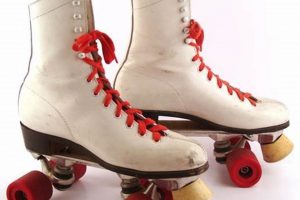
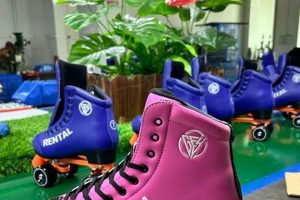
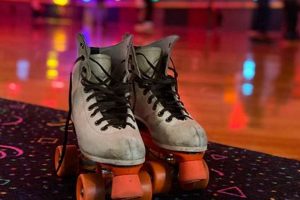
Creative expression utilizing roller skates as a medium or subject matter constitutes a unique art form. This can involve physically creating artwork on skates, decorating the skates themselves, or depicting skating scenes in various artistic formats. For instance, customized skates adorned with intricate paint designs or multimedia sculptures portraying dynamic skating poses exemplify this art form.
This artistic avenue fosters individual creativity and provides a novel platform for self-expression. Historically, the customization of personal items has been a significant form of individualization. In this context, adorning and modifying skates with artistic elements transforms a functional object into a personalized statement. Furthermore, visual representations of skating culture capture the energy and dynamism associated with the activity, offering social commentary or celebration.
The following sections will explore different facets of artistic skate customization techniques, showcase prominent artists engaging with this medium, and discuss the potential for community building through shared creative experiences.
Tips for Roller Skate Art Creation
The following guidelines provide insight into practices that may enhance the creation of visual works related to roller skates. Consideration of these points can lead to improved aesthetic outcomes and increased longevity of the artwork.
Tip 1: Surface Preparation is Paramount: Thoroughly clean and prepare the surface of the roller skate before applying any paint or adhesive. Remove any dirt, grease, or existing finishes to ensure proper adhesion and prevent premature deterioration of the applied materials. Use appropriate primers specifically designed for the skate’s material (e.g., plastic, leather, metal).
Tip 2: Select Durable, Weather-Resistant Materials: Choose paints, sealants, and embellishments that are resistant to abrasion, moisture, and UV exposure. Acrylic paints formulated for outdoor use, marine-grade varnishes, and UV-resistant adhesives offer enhanced protection and longevity when dealing with artwork on items in constant motion.
Tip 3: Employ Layering Techniques for Depth and Protection: Apply multiple thin layers of paint or sealant rather than a single thick coat. This layering approach allows for better control over color saturation, prevents runs and drips, and enhances the overall durability of the finish. Allow each layer to dry completely before applying the next.
Tip 4: Utilize Stencils and Masking for Precision: Employ stencils or masking tape to create clean lines and intricate designs. This technique ensures precision and prevents unwanted paint bleed, resulting in a more polished and professional appearance.
Tip 5: Secure Embellishments Properly: When adding embellishments such as rhinestones, studs, or patches, use high-strength adhesives designed for the specific materials involved. Ensure that the embellishments are firmly attached to minimize the risk of detachment during use.
Tip 6: Consider Ergonomics and Functionality: Be mindful of how applied decorations may affect the functionality and comfort of the skates. Avoid adding bulky or sharp embellishments in areas that may interfere with movement or cause discomfort.
Tip 7: Document the Process: Take photographs or videos of the artwork at various stages of creation. This documentation serves as a valuable record of the creative process and allows for replication or improvement in future projects.
Adherence to these recommendations promotes the creation of visually appealing and enduring artistic expressions that incorporate roller skates, ensuring both aesthetic value and practical usability.
The following sections will delve into specific artistic styles and explore the evolving trends within the realm of personalized skate design.
1. Customization Techniques
The application of customization techniques is fundamental to the creation of roller skate art. These techniques represent the methods by which artists transform standard roller skates into unique artistic expressions. The selection and execution of these techniques directly determine the visual impact, durability, and overall aesthetic value of the finished artwork. Without customization, roller skates remain functional objects; with it, they become canvases for personal and artistic statements. For example, consider the use of hydro-dipping to apply complex, repeating patterns to skate boots, a technique that provides a durable and visually striking alternative to traditional painting. Similarly, the intricate hand-tooling of leather boots on high-end skates demonstrates a level of personalization that elevates the skate to an art object.
The range of available customization techniques is diverse, spanning from simple aesthetic modifications like applying stickers or paint to more involved processes such as replacing components, altering the shape of the boot, or embedding LED lighting. The choice of technique often depends on the artist’s skill level, available resources, and desired outcome. Airbrushing, for instance, allows for the creation of intricate gradients and detailed imagery, while the application of resin coatings provides a protective layer that enhances durability and creates a glossy finish. Furthermore, digital printing technologies enable the transfer of high-resolution images directly onto skate surfaces, expanding the possibilities for creative expression. A practical application of this understanding lies in the restoration of vintage skates, where careful application of period-appropriate painting techniques and replacement parts can revive and preserve these artifacts.
In summary, customization techniques are the driving force behind roller skate art, transforming functional equipment into unique works. Understanding these methods and their impact is essential for both artists and enthusiasts. Challenges often arise in balancing aesthetic considerations with the need to maintain the skate’s structural integrity and functionality. However, the ongoing evolution of materials and techniques continues to expand the possibilities within this field, linking it to broader trends in personalized design and artistic expression.
2. Skate Design Evolution

The evolution of roller skate design directly influences the possibilities and constraints within roller skate art. Changes in materials, construction methods, and functional requirements have shaped the canvas upon which artists express themselves, impacting aesthetic choices and artistic techniques.
- Material Innovation and Artistic Expression
The introduction of new materials, such as high-strength polymers and lightweight alloys, has expanded the scope of skate design. These advancements allow for more complex and durable skate structures, which in turn provide a stable base for intricate artistic embellishments. For instance, the transition from wooden wheels to polyurethane wheels not only improved performance but also opened up new possibilities for custom wheel designs and color variations, becoming integrated features of artistic expression. The development of transparent plastics similarly allowed for illuminated skate designs, pushing the boundaries of artistic possibilities.
- Functional Design and Aesthetic Integration
Skate designs prioritizing functionality, such as improved ankle support and precision bearings, have subtly influenced aesthetic trends. The streamlined silhouettes of modern speed skates or the robust construction of derby skates each offer unique visual characteristics that artists can incorporate into their designs. This convergence of form and function can be seen in the custom skate builds popular within specific skating communities, where aesthetic modifications are often intertwined with performance enhancements.
- Technological Advancements and Customization Options
Advances in manufacturing technologies, like 3D printing and laser cutting, have enabled a new level of customization within skate design. Artists can now create highly personalized skate components, from uniquely shaped plates to intricate boot modifications, that were previously unattainable. The proliferation of online platforms offering custom skate building services has further democratized the process, allowing more individuals to engage with skate design and express their creative vision.
- Cultural Influences and Trend Adoption
Cultural shifts and trends within skating subcultures directly shape skate design evolution and artistic interpretation. The resurgence of vintage skate styles, for example, has led to the adaptation of older designs with modern materials and artistic flourishes. Similarly, the influence of street art and graffiti culture is evident in the custom paint jobs and graphic designs seen on many urban skating setups. The adoption of these trends reflects the dynamic interplay between skate design, cultural expression, and artistic innovation.
The progression of skate design is not simply a linear trajectory but a continuous cycle of innovation, adaptation, and artistic interpretation. As materials improve, technologies advance, and cultural trends evolve, the canvas for roller skate art will continue to expand, challenging artists to explore new possibilities and push the boundaries of creative expression. The artistic potential of skates is inextricably linked to advancements of design.
3. Artistic Skating Styles

Artistic skating styles represent a performance-oriented discipline that directly influences and is influenced by roller skate art. These styles encompass various forms of skating where aesthetic expression and technical skill converge, resulting in a dynamic visual spectacle. The inherent visual nature of these skating disciplines necessitates a consideration of artistic elements, thereby establishing a symbiotic relationship with roller skate art.
- Figure Skating and Costume Design
Figure skating on roller skates demands precision and grace, qualities often mirrored in the costume design. Costumes are not merely functional garments but rather integral components of the performance, often embellished with intricate designs, rhinestones, and vibrant colors. The artistic choices in costume design complement the skater’s movements, enhancing the visual impact of the routine and demonstrating a direct application of artistic principles.
- Jam Skating and Skate Customization
Jam skating, characterized by its improvisational and rhythm-based movements, frequently involves personalized skate designs. Skaters often customize their skates with unique paint jobs, LED lighting, and other aesthetic modifications to reflect their individual style and enhance their presence on the rink. This form of self-expression through skate customization underscores the intrinsic link between artistic skating styles and the broader field of roller skate art.
- Roller Derby and Team Branding
Roller derby, a contact sport with a strong emphasis on team identity, incorporates artistic elements through team logos, uniforms, and skate designs. Teams often adopt distinctive color schemes and graphic motifs that reflect their personality and create a unified visual presence. This application of artistic principles in roller derby contributes to the overall spectacle of the sport and demonstrates how roller skate art can serve as a form of team branding and identity expression.
- Rhythmic Skating and Prop Integration
Rhythmic skating involves the integration of props, such as ribbons, hoops, and balls, into skating routines. The selection and utilization of these props are carefully considered to enhance the aesthetic appeal of the performance. The integration of visually striking props demonstrates the synergy between athletic skill and artistic expression, further highlighting the relationship between artistic skating styles and roller skate art.
The examples detailed showcase the diverse ways in which artistic skating styles and roller skate art are interconnected. From the meticulous costume design in figure skating to the personalized skate designs in jam skating, artistic elements contribute to the overall visual experience and enhance the expressive potential of these disciplines. This symbiotic relationship highlights the capacity for blending athleticism and artistic expression within the realm of roller skating.
4. Material Durability Considerations in Roller Skate Art

The longevity and integrity of roller skate art are intrinsically linked to material durability. The selection of materials with appropriate resistance to wear, tear, and environmental factors directly determines the lifespan and visual quality of the artwork. Art applied to skates is subject to unique stresses, including abrasion from pavement, impacts from tricks and falls, and exposure to weather elements. Consequently, the failure to consider material durability results in premature degradation of the artwork, diminishing its aesthetic value and potentially compromising the functionality of the skates themselves. As an example, the use of non-UV resistant paints on outdoor skate designs leads to rapid fading and discoloration, necessitating frequent touch-ups or complete repainting. Similarly, the application of brittle adhesives to secure embellishments results in their detachment under normal use, undermining the intended artistic effect.
A comprehensive approach to material selection involves evaluating factors such as abrasion resistance, UV stability, water resistance, and flexibility. For instance, artists employing spray paint for skate decoration should opt for formulations specifically designed for outdoor use, incorporating UV inhibitors to prevent fading and acrylic polymers to enhance adhesion and flexibility. When incorporating metallic elements, corrosion-resistant alloys or protective coatings are essential to prevent rust and maintain the visual appeal of the artwork. Upholstery techniques used in customizing skate boots benefit from durable fabrics and stitching methods that withstand repeated stress and flexing. Furthermore, transparent coatings and sealants play a crucial role in safeguarding underlying artwork from abrasion and environmental damage. These protective layers not only enhance the durability of the design but also provide a glossy finish that enhances its visual impact.
In conclusion, material durability considerations are not merely ancillary details but fundamental components of successful roller skate art. By prioritizing the selection of durable, weather-resistant materials and employing appropriate protective measures, artists can ensure that their creations withstand the rigors of skating and maintain their aesthetic integrity over time. The practical significance of this understanding lies in its capacity to transform ephemeral skate decoration into enduring artistic expressions, capable of enhancing both the visual appeal and the functional value of roller skates. Challenges remain in balancing cost considerations with the need for high-quality materials, but the long-term benefits of prioritizing durability far outweigh the initial investment.
5. Surface preparation methods
Surface preparation methods are essential to the creation and longevity of roller skate art. Proper preparation ensures adequate adhesion of paints, adhesives, and other embellishments, resulting in a durable and visually appealing final product. Failure to adequately prepare the surface can lead to premature peeling, chipping, and fading, diminishing the aesthetic value and potentially compromising the structural integrity of the artwork.
- Cleaning and Degreasing
Thorough cleaning and degreasing are foundational steps in surface preparation. Removal of dirt, grease, waxes, and other contaminants is critical for promoting adhesion. Isopropyl alcohol, specialized degreasers, or mild detergents are commonly used. For example, prior to applying custom paint to a skate boot, wiping the surface with isopropyl alcohol removes any residual oils that could interfere with paint adhesion. The presence of contaminants compromises the bond between the skate surface and the applied art, resulting in peeling and premature wear.
- Sanding and Abrasion
Sanding or abrasion creates a textured surface, enhancing the mechanical bond between the substrate and the applied materials. The grit of sandpaper used depends on the skate material and the desired level of adhesion. Light sanding with fine-grit sandpaper is typically sufficient for most skate surfaces. Aggressive sanding, however, is necessary for removing existing finishes or creating a more pronounced texture. For instance, sanding the smooth surface of a plastic skate shell before applying a primer creates a rougher surface, providing more “tooth” for the primer to grip. Improper sanding can damage the underlying material, thus affecting the artwork’s stability.
- Priming
Priming creates a uniform and receptive surface for subsequent layers of paint or other decorative elements. Primers are specially formulated to adhere to a variety of surfaces and to provide a consistent base coat. Selection of the appropriate primer depends on the skate material and the type of paint being used. For example, applying a plastic-specific primer to a polymer skate boot ensures proper adhesion of acrylic paints. Without a primer, paint may not adhere properly, leading to uneven coverage and peeling.
- Masking
Masking techniques, such as the use of painter’s tape or stencils, allow for the creation of clean lines and precise designs. Masking protects areas that are not intended to be painted or decorated. Correct application of masking tape ensures sharp, well-defined edges and prevents paint bleed. For instance, masking off the wheels and hardware of a skate before airbrushing allows for the creation of intricate designs without affecting the functionality of the skate components. Incorrect masking results in blurred lines and an unprofessional appearance.
The effective application of these surface preparation methods is paramount for producing durable and visually compelling roller skate art. Each step contributes to the overall quality and longevity of the artwork, ensuring that the aesthetic vision is realized and maintained over time. A commitment to proper surface preparation is fundamental for artists seeking to create lasting and impactful expressions on roller skates.
6. Wearability and Functionality

The confluence of wearability and functionality represents a critical intersection within the realm of roller skate art. While artistic expression may prioritize aesthetics, the inherent purpose of roller skatesto be worn and usedimposes constraints that must be carefully considered. Therefore, successful integration of art into roller skate design necessitates a balance between visual appeal and the preservation of operational utility and user comfort.
- Impact of Embellishments on Comfort and Movement
The addition of embellishments, such as studs, rhinestones, or bulky appliqus, can significantly impact wearability. Ill-placed adornments may cause discomfort, restrict ankle movement, or create pressure points, thereby hindering the skater’s performance. Furthermore, improperly secured embellishments pose a safety hazard by potentially detaching during use, creating trip hazards. Therefore, designs must meticulously consider the placement, size, and attachment methods of adornments to minimize interference with the skater’s range of motion and overall comfort.
- Paint and Coating Effects on Skate Mechanics
The application of paints and coatings can alter the mechanical properties of skate components. Excessive paint buildup on moving parts, such as wheel bearings or pivot points, can impede their function, reducing speed and maneuverability. Similarly, thick coatings on skate boots can stiffen the material, compromising flexibility and potentially causing blisters or discomfort. Consequently, careful selection and application of paints and coatings are crucial to avoid compromising the mechanical performance of the skates.
- Weight Considerations and Performance
The addition of artistic elements can increase the overall weight of the skates. Excessive weight can negatively impact agility, endurance, and the ability to perform complex maneuvers. For competitive skaters, even minor weight increases can compromise their performance. Therefore, artists must carefully consider the weight of their materials and designs, opting for lightweight alternatives whenever possible to minimize the impact on skate performance.
- Durability and Maintenance Requirements
Artistic modifications can introduce new points of vulnerability requiring specialized maintenance. Intricate paint designs may require frequent touch-ups to address scratches and wear. Elaborate embellishments may necessitate specialized cleaning methods to prevent damage. The increased maintenance requirements associated with artistic skates must be considered by both the artist and the wearer to ensure the artwork’s longevity and the skate’s continued functionality.
In essence, the effective implementation of roller skate art demands a holistic approach that transcends purely aesthetic considerations. Designs that prioritize wearability and functionality not only enhance the skater’s comfort and performance but also ensure the enduring value and visual appeal of the artwork. This fusion of art and engineering is the key to creating roller skates that are both visually stunning and functionally sound.
7. Historical Contextualization

Examining roller skate art through the lens of historical contextualization provides critical insights into its evolution, cultural significance, and artistic expression. Analyzing past eras and their respective societal influences reveals how roller skate art reflects and responds to broader historical trends.
- Early Skate Designs and Social Class
The initial designs of roller skates, emerging in the 19th century, were often associated with leisure activities of the upper classes. Artistic embellishments on these early skates, such as decorative engravings or customized leather boots, mirrored the opulence and status symbols prevalent in that era. These early examples of skate art thus become markers of social stratification and the exclusive nature of early skating culture.
- The Rise of Roller Rinks and Popular Culture
The proliferation of roller rinks in the mid-20th century democratized skating and fostered a vibrant popular culture. Skates became increasingly customizable, with mass-produced options allowing individuals to express personal style through color choices, wheel designs, and decorative accessories. This era saw the rise of DIY skate art, reflecting the growing accessibility of skating and its integration into mainstream entertainment.
- Skate Culture and Subcultural Identity
The emergence of distinct skate subcultures, such as roller derby and jam skating, further diversified the landscape of roller skate art. Each subculture developed unique aesthetic codes, expressed through customized skates that served as visual markers of group affiliation and individual identity. Roller derby skates, for example, often feature aggressive designs and team colors, while jam skates prioritize flashy embellishments and personalized touches.
- Modern Technological Influences and Artistic Innovation
The integration of modern technologies, such as 3D printing and digital design software, has revolutionized the creation of roller skate art. Artists can now produce highly intricate and personalized designs, pushing the boundaries of both form and function. This technological convergence has also facilitated the preservation and documentation of historical skate designs, allowing for a deeper understanding of the evolution of roller skate art.
Analyzing roller skate art within its historical context reveals its dynamic relationship with broader societal shifts and cultural trends. The evolution of skate designs, artistic techniques, and subcultural expressions highlights the enduring capacity of roller skates to serve as canvases for personal and collective identity.
Frequently Asked Questions
This section addresses common inquiries regarding the creation, preservation, and appreciation of artistic expressions involving roller skates. The information provided aims to clarify misconceptions and offer insights into this multifaceted art form.
Question 1: What constitutes roller skate art beyond mere decoration?
Roller skate art transcends simple adornment by employing deliberate artistic techniques to express personal or cultural narratives. The customization must demonstrate intentional design choices rather than random application of embellishments.
Question 2: How does the choice of materials impact the longevity of roller skate art?
Material selection is paramount. Durable, weather-resistant paints, adhesives, and coatings are essential to withstand the rigors of skating and environmental exposure. Non-durable materials result in rapid degradation of the artwork.
Question 3: What are the key considerations when integrating artistic elements without compromising skate functionality?
Wearability and functionality must be prioritized. Embellishments should not impede movement, create pressure points, or add excessive weight. Paints and coatings must not interfere with the operation of skate components.
Question 4: What surface preparation methods are crucial for successful adhesion of artistic materials?
Thorough cleaning, degreasing, and sanding are essential for promoting adhesion. Priming creates a uniform and receptive surface for subsequent layers of paint or embellishments, enhancing durability.
Question 5: How does historical context inform the appreciation of roller skate art?
Historical contextualization reveals the cultural influences and social trends that have shaped the evolution of skate designs and artistic expressions. Understanding these influences enhances the interpretation and appreciation of the artwork.
Question 6: Is it necessary to be a skilled skater to create meaningful roller skate art?
While skating proficiency may inform certain design choices, it is not a prerequisite for artistic expression. The focus remains on the artistic concept and execution, rather than skating ability.
Proper material selection, surface preparation, and design considerations are crucial for creating durable and meaningful roller skate art. Historical awareness enhances the appreciation of its evolution and cultural significance.
The subsequent section will delve into case studies of prominent roller skate artists, highlighting their unique approaches and contributions to this dynamic art form.
Conclusion
This exploration has examined roller skate art as a multifaceted art form encompassing diverse techniques, historical influences, and design considerations. Surface preparation methods, material durability considerations, and the reconciliation of wearability with artistic expression are critical factors influencing the creation and longevity of works within this medium. Artistic skating styles further intersect with skate design, creating opportunities for dynamic performance and self-expression.
Continued engagement with roller skate art necessitates a commitment to technical skill, historical awareness, and creative innovation. Further research and exploration of this dynamic art form can potentially yield new understandings of the intersection between design, culture, and individual expression, thereby ensuring its continued relevance and evolution.