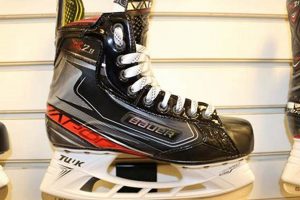
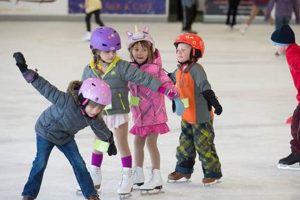
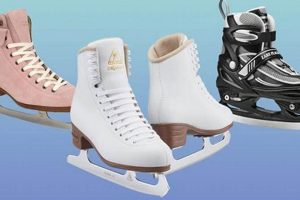
Equipment utilized for leisure skating on frozen surfaces commonly features a supportive boot with a blade attached to the sole. This type of footwear allows individuals to glide across the ice, enabling recreational activity and exercise. For example, a family might purchase several pairs in varying sizes for winter enjoyment at a local ice rink.
This specialized sporting equipment promotes physical fitness through cardiovascular exercise and the development of lower body strength. Historically, the design has evolved from rudimentary bone skates to more sophisticated models offering improved comfort and performance, expanding access to the winter sport for a broader range of users. Its prevalence fosters community engagement and provides opportunities for social interaction during colder months.
The following sections will delve into the diverse aspects related to selecting appropriate models, maintaining their condition, and understanding the safety precautions essential for their use, ensuring a positive and secure skating experience.
Selection and Maintenance Guide
Proper selection and ongoing maintenance are essential for ensuring optimal performance and longevity of recreational skating equipment. Following these guidelines will contribute to a safer and more enjoyable skating experience.
Tip 1: Sizing Considerations: Precise fitting is critical. Measure the foot while wearing the type of socks intended for skating. A snug, but not constricting, fit is desirable to prevent ankle movement within the boot. Consult sizing charts specific to the manufacturer, as sizes can vary.
Tip 2: Blade Sharpness: Regularly assess the blade’s sharpness. Dull blades compromise the ability to grip the ice effectively, increasing the risk of falls. Professional sharpening services are recommended, typically after every 10-20 hours of use, depending on ice quality and usage intensity.
Tip 3: Boot Support: Evaluate the boot’s ankle support based on skill level. Beginners benefit from stiffer boots that provide greater stability. More experienced skaters may prefer boots with increased flexibility for enhanced maneuverability.
Tip 4: Drying Practices: After each use, thoroughly dry both the blades and the boot’s interior. Moisture promotes rust formation on the blades and can lead to bacterial growth within the boot. Remove the liners (if removable) to facilitate drying.
Tip 5: Blade Protection: Always use blade guards when walking on surfaces other than ice. This prevents damage to the blades from abrasive materials such as concrete or rubber flooring. Hard guards are suitable for walking, while soft guards absorb moisture during storage.
Tip 6: Lacing Technique: Correct lacing is paramount for optimal performance. Tighten the laces firmly around the ankle area to provide adequate support, but avoid over-tightening, which can restrict circulation and cause discomfort. Distribute pressure evenly along the length of the laces.
Tip 7: Regular Inspection: Conduct routine inspections of the equipment. Check for signs of wear and tear, such as cracks in the boot, loose rivets, or damaged blades. Address any issues promptly to prevent further deterioration and potential safety hazards.
By adhering to these selection and maintenance recommendations, users can maximize the lifespan of their equipment and ensure a safe and pleasurable experience on the ice. Prioritizing these practices will lead to improved performance and reduce the risk of injury.
The subsequent sections will explore safety measures and techniques to enhance overall enjoyment and minimize potential risks associated with this activity.
1. Blade Material Quality

The composition of the blade is a critical determinant of performance and longevity in equipment for recreational ice skating. Material selection directly impacts the skate’s glide efficiency, edge retention, and resistance to corrosion, influencing the overall user experience.
- Stainless Steel Composition
Stainless steel blades offer a balance of affordability and adequate performance for recreational users. The chromium content in stainless steel provides corrosion resistance, reducing the need for meticulous drying after each use. This material choice is prevalent in entry-level models due to its durability and ease of maintenance. However, stainless steel typically does not hold an edge as well as higher-carbon alternatives, requiring more frequent sharpening for optimal performance.
- Carbon Steel Properties
Carbon steel blades exhibit enhanced edge retention capabilities compared to stainless steel. The increased carbon content allows for a sharper, more precise edge, translating to improved control and maneuverability on the ice. However, carbon steel is more susceptible to rust and corrosion. Rigorous drying and oiling are necessary after each use to prevent degradation of the blade. This material is often preferred by more experienced recreational skaters seeking enhanced performance characteristics.
- Hardness and Tempering
The hardness of the blade material, measured by Rockwell hardness testing, correlates with its ability to resist deformation and maintain a sharp edge. Proper tempering is essential during manufacturing to achieve the desired balance of hardness and ductility. A blade that is too hard may be brittle and prone to chipping, while a blade that is too soft will dull quickly. The specific tempering process varies depending on the type of steel and intended application.
- Surface Finishing and Treatment
The surface finish of the blade impacts its glide efficiency. A smooth, polished surface minimizes friction between the blade and the ice, allowing for effortless gliding. Some blades undergo surface treatments, such as cryogenic hardening, to further enhance their durability and wear resistance. These treatments modify the microstructure of the steel, improving its ability to withstand the stresses of skating.
In summary, the material used to construct the blade significantly influences the performance and maintenance requirements of recreational ice skating equipment. Choosing the appropriate material involves considering the skater’s skill level, frequency of use, and willingness to perform regular maintenance. The selection process necessitates a careful evaluation of the trade-offs between durability, performance, and cost.
2. Ankle support rigidity
Ankle support rigidity constitutes a critical design parameter in equipment intended for recreational ice skating. The degree of stiffness in the boot structure directly affects stability, control, and injury prevention, particularly for novice skaters.
- Beginner Support and Stability
For individuals new to ice skating, a more rigid boot provides substantial ankle support. This limits lateral movement and reduces the likelihood of ankle sprains. The added stability assists in maintaining balance and encourages proper form development. Recreational models designed for beginners frequently incorporate reinforced ankle supports made from high-density plastics or composite materials. Example: Entry-level rental skates often prioritize maximum ankle support to accommodate a wide range of users with varying skill levels.
- Advanced Flexibility and Maneuverability
Experienced skaters may prefer models offering greater ankle flexibility. This allows for more dynamic movements, tighter turns, and advanced skating techniques. Boots with increased flexibility are generally constructed from lighter materials and feature a less restrictive design around the ankle joint. Example: Skates designed for figure skating or ice hockey often prioritize ankle flexibility to enable complex maneuvers, while still providing adequate support for jumps and quick changes in direction.
- Impact on Performance and Control
The level of ankle support directly correlates with the skater’s ability to control their movements on the ice. Insufficient support can lead to instability and reduced precision, while excessive rigidity can hinder agility and limit the skater’s range of motion. The optimal level of support is dependent on the skater’s skill level, skating style, and the specific demands of the activity. Example: A skater performing basic forward strides requires less ankle flexibility than a skater attempting a complex spin.
- Material Properties and Construction Techniques
The rigidity of the ankle support is determined by the materials used in the boot’s construction and the specific manufacturing techniques employed. Materials such as leather, reinforced plastics, and composite materials offer varying degrees of stiffness. Construction methods, such as adding reinforcing layers or incorporating internal supports, further influence the boot’s overall rigidity. Example: Heat-moldable boots allow skaters to customize the fit and stiffness of the ankle support to their individual needs, providing a more personalized and comfortable skating experience.
In conclusion, ankle support rigidity is a key factor in selecting appropriate equipment for recreational ice skating. Understanding the trade-offs between stability and flexibility, and considering the skater’s skill level and intended use, are essential for ensuring a safe and enjoyable skating experience. Properly matched equipment will enhance performance, reduce the risk of injury, and maximize enjoyment on the ice.
3. Proper size calibration
Accurate size calibration constitutes a foundational element in selecting recreational ice skating equipment. A correctly sized skate ensures optimal comfort, control, and safety. Improperly sized equipment increases the risk of injury and diminishes the overall skating experience. The internal dimensions of the boot must correspond closely with the user’s foot measurements to facilitate efficient power transfer and maintain stability on the ice. For example, a skate that is too large allows excessive foot movement, leading to blisters, chafing, and diminished control during maneuvers.
The consequences of inaccurate size calibration extend beyond mere discomfort. Insufficient support due to an ill-fitting boot can increase the likelihood of ankle sprains and other lower extremity injuries. A skate that is too small can constrict circulation, leading to numbness and potential long-term damage. The proper fitting process involves precise measurement of foot length and width, ideally conducted by a trained professional. In many retail establishments, specialized fitting devices are utilized to determine the optimal size for a given skate model. Furthermore, consideration should be given to the thickness of socks worn during skating activities, as this can influence the required boot size.
In summary, the significance of proper size calibration in recreational ice skating equipment cannot be overstated. It directly impacts user comfort, safety, and performance. Prioritizing accurate measurement and professional fitting guidance minimizes the risk of injury and maximizes the enjoyment derived from the activity. Neglecting this critical aspect compromises the functionality of the equipment and potentially exposes the user to avoidable health risks. Therefore, meticulous attention to size calibration is an essential prerequisite for a positive and secure skating experience.
4. Maintenance frequency adherence

Consistent adherence to a predetermined maintenance schedule is paramount to ensure the safety, performance, and longevity of recreational ice skating equipment. Neglecting regular maintenance protocols can compromise structural integrity, diminish functionality, and increase the potential for injury.
- Blade Sharpening Intervals
Regular blade sharpening is crucial for maintaining optimal grip and control on the ice. The frequency of sharpening depends on factors such as ice quality, skating frequency, and individual skating style. Dull blades increase the risk of slipping and loss of control. Professional sharpening services are recommended to ensure proper edge geometry and prevent damage to the blade. For example, a skater who uses their equipment multiple times a week on heavily used public rinks may require more frequent sharpening compared to a casual skater who only uses their equipment a few times a month.
- Drying Procedures and Rust Prevention
Thorough drying of both the blades and the boot’s interior after each use is essential to prevent rust formation and bacterial growth. Moisture promotes corrosion of the blade material, compromising its structural integrity and performance. Removing the liners (if removable) and allowing the boot to air dry facilitates moisture evaporation. Applying a thin layer of oil to the blades can further protect against rust. For example, storing equipment in a humid environment without proper drying procedures can accelerate rust formation and significantly reduce the lifespan of the blades.
- Hardware Inspection and Tightening
Regularly inspecting and tightening all hardware components, such as screws, rivets, and laces, is critical to ensure the equipment remains structurally sound. Loose hardware can compromise the boot’s stability and increase the risk of mechanical failure during use. Tightening loose components can prevent further damage and extend the lifespan of the equipment. For instance, loose rivets in the blade holder can lead to blade detachment, posing a significant safety hazard.
- Boot Support Assessment and Repair
Periodically assessing the boot’s ankle support and overall structural integrity is vital for maintaining proper stability and control. Signs of wear and tear, such as cracks, tears, or excessive softening of the boot material, should be addressed promptly. Repairing or replacing damaged components can prevent further deterioration and ensure the equipment remains safe for use. As an example, a cracked plastic shell in a boot can compromise its structural integrity, potentially leading to ankle injuries.
In conclusion, consistent adherence to a comprehensive maintenance schedule is indispensable for ensuring the safe and reliable operation of recreational ice skating equipment. Neglecting routine maintenance can result in compromised performance, increased risk of injury, and reduced equipment lifespan. Prioritizing maintenance frequency adherence ensures that the equipment remains in optimal condition, providing a safe and enjoyable skating experience.
5. Closure system integrity
The operational reliability of recreational ice skating equipment hinges significantly on the integrity of its closure system. This system, encompassing laces, buckles, straps, and related mechanisms, is critical for securing the foot within the boot, thereby enabling efficient force transfer and maintaining stability on the ice. Degradation or failure of this system can compromise performance and increase the risk of injury.
- Lace Durability and Knot Security
Laces, a common closure component, must exhibit sufficient tensile strength and abrasion resistance to withstand repeated tightening and friction against eyelets. Degradation of lace material can lead to breakage during use, resulting in compromised ankle support and potential falls. Knot security is equally important; improperly tied or weakened knots can loosen, requiring frequent adjustments and disrupting skating rhythm. Example: High-tenacity synthetic laces, such as those made from nylon or polyester, are often preferred for their durability and resistance to moisture absorption, which can weaken natural fibers.
- Buckle Mechanism Reliability
Buckle systems, frequently found in recreational models, provide a quick and adjustable method of securing the boot. The reliability of these mechanisms depends on the quality of the materials used and the precision of their construction. Worn or damaged buckles can fail to latch securely, resulting in inadequate support and potential instability. Example: Ratchet buckles, often constructed from reinforced polymers, are designed to withstand significant force and maintain consistent tension throughout the skating session. Regular inspection for cracks or worn teeth is essential.
- Strap Integrity and Fastener Strength
Straps, often used in conjunction with laces or buckles, contribute to overall boot security and adjustability. The strap material must exhibit resistance to stretching and tearing under stress. The strength of the fastener, such as Velcro or hook-and-loop closures, is crucial for maintaining consistent tension. Example: Power straps, typically positioned around the ankle, provide additional support and can be adjusted to customize the fit. Weakened Velcro closures can gradually lose their grip, requiring replacement of the strap.
- Systematic Wear and Maintenance
All components of the closure system are subject to wear and tear over time. Regular inspection for signs of degradation, such as fraying laces, cracked buckles, or weakened straps, is essential for proactive maintenance. Replacing worn components before they fail prevents unexpected disruptions during skating. Example: Replacing laces annually, even if they appear visually intact, can mitigate the risk of breakage due to internal weakening. Lubricating buckle mechanisms can prevent corrosion and ensure smooth operation.
The collective integrity of these closure system elements directly impacts the safety and performance of equipment utilized for recreational ice skating. A well-maintained and reliable system ensures a secure fit, enabling efficient force transfer and minimizing the risk of injury. Conversely, neglecting the closure system compromises the equipment’s functionality and potentially endangers the user.
Frequently Asked Questions about Equipment for Recreational Ice Skating
The following section addresses commonly asked questions regarding equipment used for recreational ice skating. The answers provided are intended to offer clear and informative guidance.
Question 1: What factors should be considered when selecting equipment?
Key considerations include the skater’s skill level, intended frequency of use, and the type of ice surface to be skated upon. Equipment should provide adequate ankle support and blade quality appropriate for the intended use.
Question 2: How often should the blades be sharpened?
The frequency of blade sharpening depends on usage intensity and ice conditions. Blades should be sharpened when they exhibit a noticeable reduction in grip on the ice. Professional sharpening services are recommended.
Question 3: What is the proper way to store equipment?
Equipment should be thoroughly dried after each use to prevent rust formation. Blades should be protected with blade guards when not in use. Storage in a dry environment is recommended.
Question 4: How important is proper sizing?
Proper sizing is crucial for comfort, control, and safety. Equipment that is too large or too small can compromise stability and increase the risk of injury. Professional fitting services are recommended.
Question 5: What type of ankle support is recommended?
The level of ankle support should correspond with the skater’s skill level. Beginners benefit from more rigid ankle support, while experienced skaters may prefer greater flexibility.
Question 6: Are there specific maintenance procedures for different blade materials?
Carbon steel blades require more frequent cleaning and oiling to prevent rust formation compared to stainless steel blades. Specific maintenance instructions should be followed based on the blade material.
In summary, informed equipment selection and consistent maintenance are essential for a safe and enjoyable experience on the ice. Seeking professional guidance is advisable when uncertain about any aspect of equipment selection or maintenance.
The next section will delve into advanced techniques to enhance your skill.
Conclusion
The preceding discourse has comprehensively examined the multifaceted aspects surrounding rec ice skates. Attention has been given to selection criteria, maintenance protocols, essential safety measures, and frequently asked questions. The information presented underscores the importance of informed decision-making to optimize performance and mitigate potential risks associated with their use.
The enduring appeal of rec ice skates as a source of recreation and exercise necessitates a continued emphasis on user education and product development. By prioritizing safety, proper maintenance, and the dissemination of accurate information, stakeholders can ensure that future generations continue to derive enjoyment and benefit from this activity. Further research into advanced materials and ergonomic designs may yield equipment that offers enhanced performance and reduced injury potential. It is incumbent upon users to prioritize safety and maintenance to maximize their enjoyment and the lifespan of their equipment.