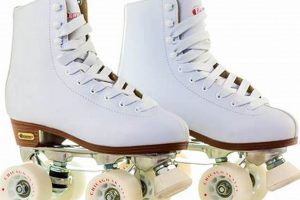
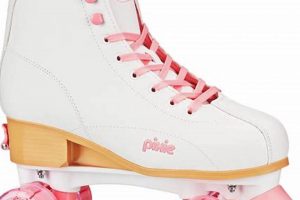
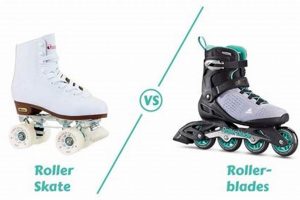
Equipment designed for recreational or fitness activities on paved surfaces constitutes a specific category of rolling footwear. These devices, typically featuring durable wheels and robust construction, enable users to glide and maneuver across asphalt, concrete, or similar outdoor environments.
The utilization of such equipment fosters physical well-being through cardiovascular exercise and muscle engagement. Furthermore, it offers an avenue for social interaction and enjoyment of the outdoors. Its historical development reflects advancements in materials science and engineering, resulting in improved performance and user safety over time.
The subsequent sections will delve into the key components, selection criteria, maintenance procedures, and safety considerations associated with this form of recreational equipment, providing a thorough understanding for both novice and experienced users.
Guidance for Outdoor Rolling Footwear Use
The following guidelines are designed to enhance the user’s experience and safety when engaging with rolling footwear designed for external surfaces. Adherence to these recommendations will contribute to optimal performance and longevity of the equipment.
Tip 1: Wheel Selection: The durometer rating of the wheels is a crucial factor. Lower durometer wheels (e.g., 78A-85A) offer greater grip and shock absorption on uneven surfaces, enhancing stability and comfort. Higher durometer wheels (e.g., 85A+) are faster but less forgiving on rough terrain.
Tip 2: Bearing Maintenance: Regular cleaning and lubrication of the bearings are essential for smooth rolling and reduced wear. Debris accumulation can significantly impede performance. Use a solvent specifically designed for bearing cleaning and apply a thin layer of lubricant after drying.
Tip 3: Protective Gear: The use of appropriate protective equipment is non-negotiable. A helmet certified to applicable safety standards, along with wrist guards, elbow pads, and knee pads, significantly mitigates the risk of injury in the event of a fall or collision.
Tip 4: Surface Assessment: Prior to use, carefully evaluate the intended surface. Avoid areas with excessive debris, cracks, or uneven pavement. Consistent use on substandard surfaces can damage the equipment and increase the risk of accidents.
Tip 5: Boot Fit: A properly fitted boot is paramount for control and comfort. The foot should be snug within the boot, without excessive movement. Ill-fitting boots can lead to blisters, instability, and impaired maneuverability. Consider heat-moldable liners for a customized fit.
Tip 6: Regular Inspections: Conduct routine inspections of all components, including wheels, bearings, axles, and boot hardware. Loose or worn parts should be promptly addressed to prevent potential mechanical failures.
Tip 7: Skill Progression: Advance skill development gradually. Begin with basic techniques in controlled environments and progressively introduce more challenging maneuvers as proficiency increases. Avoid attempting advanced skills before mastering fundamental techniques.
These guidelines represent fundamental aspects of responsible and effective use of rolling footwear designed for external surfaces. Prioritizing safety and equipment maintenance contributes to a more enjoyable and sustainable recreational experience.
The subsequent section will provide a detailed overview of specific brands and models available, allowing for informed decision-making based on individual needs and preferences.
1. Wheel Durometer

Wheel durometer, a critical specification in rolling footwear designed for external surfaces, measures the hardness of the wheel material. This measurement, typically expressed on the A scale, directly impacts the performance characteristics of the equipment. Lower durometer values (e.g., 78A-85A) indicate softer wheels, which exhibit increased grip and shock absorption. This characteristic is particularly beneficial when navigating uneven asphalt or concrete, common surfaces encountered in outdoor environments. The increased grip enhances stability and control, while the enhanced shock absorption reduces vibrations and fatigue, leading to a more comfortable experience. In contrast, higher durometer values (e.g., 85A+) denote harder wheels, prioritizing speed and rolling efficiency on smooth, even surfaces. However, harder wheels offer less grip and transmit more vibrations, making them less suitable for typical outdoor conditions. The selection of appropriate wheel durometer is therefore paramount for optimizing performance and user comfort.
Real-world examples illustrate the practical significance of wheel durometer selection. A recreational user primarily skating on rough, cracked pavement would benefit from wheels with a lower durometer rating. These wheels will provide a more comfortable and stable ride, reducing the risk of losing control due to uneven surfaces. Conversely, an individual participating in speed skating events on a smooth, purpose-built track would likely prefer wheels with a higher durometer rating to maximize speed and minimize rolling resistance. The choice of durometer should always align with the intended use and the characteristics of the skating environment. Ignoring this consideration can result in compromised performance, increased discomfort, and potentially heightened risk of injury.
In summary, wheel durometer plays a pivotal role in determining the suitability of rolling footwear for various external surfaces. Selecting the appropriate durometer rating is crucial for optimizing performance, ensuring rider comfort, and promoting safety. Understanding the relationship between wheel hardness and surface conditions is essential for any user seeking to maximize their experience and minimize potential risks. Further research into specific wheel compounds and bearing types can further refine the selection process, leading to a more personalized and effective setup.
2. Bearing Precision
Bearing precision, a critical factor in the performance of rolling footwear designed for external surfaces, significantly impacts rolling efficiency, speed, and overall user experience. The degree to which bearings are manufactured to precise tolerances directly correlates with the smoothness and longevity of the rolling action.
- ABEC Rating System
The Annular Bearing Engineers’ Committee (ABEC) rating system is a common standard used to classify the tolerance of bearings. Higher ABEC ratings (e.g., ABEC 7, ABEC 9) indicate tighter tolerances and greater precision in bearing construction. Bearings with higher ABEC ratings typically exhibit reduced friction and increased rolling speed, advantageous for users seeking maximum performance. Conversely, bearings with lower ABEC ratings (e.g., ABEC 1, ABEC 3) may be more robust and suitable for applications where durability is prioritized over ultimate speed. Examples include recreational use on rough surfaces where debris contamination is more likely.
- Impact of Materials and Manufacturing
The materials used in bearing construction, such as steel or ceramic, and the precision of the manufacturing process influence bearing performance. High-quality materials and meticulous manufacturing result in smoother rolling, reduced wear, and extended bearing lifespan. Ceramic bearings, for instance, offer increased hardness and reduced friction compared to steel bearings, making them desirable for high-performance applications. However, they may also be more susceptible to damage from impacts or contamination.
- Influence on Rolling Resistance
Bearing precision directly affects rolling resistance. Bearings with tighter tolerances and smoother surfaces exhibit lower rolling resistance, requiring less effort to maintain speed. This is particularly important for longer distances or when skating uphill. Increased rolling resistance due to inferior bearings can lead to premature fatigue and reduced overall efficiency. Routine maintenance, including cleaning and lubrication, is essential for minimizing rolling resistance and preserving bearing performance.
- Contamination and Longevity
The precision of bearings affects their susceptibility to contamination. Tighter tolerances mean smaller gaps for dirt and debris to enter, impacting performance. However, should contaminants enter a high-precision bearing, the effects can be more detrimental than with a lower precision bearing, due to tighter internal clearances. The quality of seals is crucial for mitigating contamination. Regular cleaning and proper lubrication are vital for extending the lifespan of bearings and maintaining optimal performance in external surface skating applications.
In conclusion, bearing precision is a paramount consideration in the selection and maintenance of rolling footwear designed for external surfaces. The ABEC rating, materials, manufacturing processes, and maintenance protocols collectively determine the performance, longevity, and overall user experience. Careful attention to these factors ensures efficient rolling, reduced fatigue, and a more enjoyable skating experience.
3. Boot Support
The structural integrity of the boot, often termed “boot support,” is a paramount consideration in rolling footwear designed for external surfaces. It dictates the level of stability, control, and comfort experienced by the user, directly influencing performance and safety.
- Ankle Stabilization
Adequate ankle support is crucial for preventing injuries, particularly sprains and strains. A well-designed boot provides lateral and medial stability, limiting excessive ankle movement during skating. This is especially important on uneven or unpredictable surfaces, where the risk of ankle inversion or eversion is heightened. Boots lacking sufficient support can lead to fatigue and an increased susceptibility to injury.
- Energy Transfer Efficiency
Effective boot support facilitates efficient energy transfer from the skater’s leg muscles to the wheels. A rigid or semi-rigid boot minimizes energy loss due to flex or deformation, allowing for more powerful strides and improved speed. In contrast, a soft or poorly structured boot absorbs energy, resulting in reduced performance and increased effort. The material composition and design of the boot’s upper and sole directly influence energy transfer efficiency.
- Foot Alignment and Comfort
Proper boot support contributes to correct foot alignment within the skate, preventing overpronation or supination. This reduces stress on joints and ligaments, minimizing the risk of discomfort and overuse injuries. A well-contoured footbed and supportive insole further enhance comfort and alignment. Ill-fitting or poorly supported boots can lead to blisters, hot spots, and chronic pain.
- Impact Absorption
The boot’s construction can contribute to impact absorption, mitigating the effects of bumps, cracks, and other surface irregularities. A cushioned sole and strategically placed padding can dampen vibrations and reduce stress on the skater’s feet and joints. This is particularly important when skating on hard or uneven pavement, where impact forces are magnified. The type and thickness of the cushioning material play a significant role in impact absorption effectiveness.
In essence, boot support is an indispensable element in the design and selection of rolling footwear for external surfaces. It directly impacts safety, performance, comfort, and injury prevention. A well-designed boot with adequate support provides stability, enhances energy transfer, promotes proper foot alignment, and absorbs impact, contributing to a more enjoyable and sustainable skating experience.
4. Surface Compatibility
The performance and longevity of rolling footwear designed for external surfaces are inextricably linked to surface compatibility. The type of surface on which these skates are used directly influences wheel wear, bearing performance, and the overall riding experience. Abrasive surfaces, such as rough asphalt or heavily textured concrete, accelerate wheel degradation and increase the likelihood of debris infiltration into bearings. Conversely, smoother surfaces, like polished concrete or well-maintained bike paths, minimize wear and provide a faster, more efficient glide. Failure to consider surface characteristics can result in premature equipment failure and a compromised user experience. The selection of appropriate wheel durometer and bearing type must therefore align with the intended skating environment. For example, using high-durometer wheels designed for smooth surfaces on rough terrain will lead to discomfort and reduced control, while soft, high-grip wheels on smooth surfaces may feel sluggish and inefficient. Understanding the cause-and-effect relationship between surface type and equipment performance is crucial for maximizing the lifespan and enjoyment of these devices.
Practical application of this understanding involves careful assessment of the intended skating environment. Before embarking on a skating session, the user should evaluate the surface for smoothness, debris, and potential hazards. Routes should be selected based on the surface conditions, prioritizing smoother paths whenever possible. In situations where rough surfaces are unavoidable, selecting wheels with a lower durometer and ensuring properly sealed bearings are paramount. Regular maintenance, including cleaning wheels and bearings after skating on abrasive surfaces, is essential for preserving equipment integrity. Furthermore, the skater’s skill level and skating style should influence surface selection. Novice skaters benefit from smoother, more predictable surfaces, while experienced skaters may be comfortable navigating more challenging terrain, provided they have appropriately configured equipment and the necessary skills.
In summary, surface compatibility represents a fundamental consideration in the use of rolling footwear designed for external surfaces. The interaction between the skate’s components and the skating surface dictates performance, longevity, and user safety. Challenges arise when encountering unpredictable or variable surface conditions, necessitating adaptive equipment selection and skilled skating techniques. By understanding and addressing the relationship between surface characteristics and equipment requirements, users can optimize their skating experience and minimize the risk of equipment damage or personal injury. Further research into advanced wheel materials and bearing technologies may offer solutions for mitigating the impact of abrasive surfaces, expanding the range of suitable skating environments.
5. Protective Gear
The utilization of rolling footwear on external surfaces introduces inherent risks of falls and collisions, necessitating the consistent use of protective equipment. The nature and extent of potential injuries range from minor abrasions to severe fractures, underscoring the critical role of comprehensive protective measures.
- Helmet Certification and Impact Resistance
Helmets designed for skating should adhere to established safety standards, such as those set by the Consumer Product Safety Commission (CPSC). These certifications indicate that the helmet has undergone rigorous testing to ensure adequate impact absorption. Helmets mitigate the risk of traumatic brain injuries by dissipating force upon impact. Regular inspection for damage and replacement following any significant impact are imperative to maintain protective efficacy. Example: A skater experiencing a fall onto concrete, wearing a certified helmet, significantly reduces the potential for skull fracture or concussion compared to skating without head protection.
- Wrist Guards: Support and Fracture Prevention
Wrist guards provide crucial support to the wrist joint, preventing hyperextension and fractures during falls. These guards typically feature a rigid splint on the palm side to limit wrist movement. Proper fit is essential to ensure adequate protection without restricting circulation. Consistent use can significantly reduce the incidence of wrist injuries, which are common among skaters. Example: A skater losing balance and instinctively reaching out to break their fall can rely on wrist guards to distribute impact force and prevent a distal radius fracture.
- Elbow and Knee Pads: Abrasion Resistance and Joint Protection
Elbow and knee pads offer protection against abrasions and impact forces, safeguarding vulnerable joints. These pads typically consist of a hard outer shell and a shock-absorbing inner layer. Proper fit is crucial to prevent slippage during activity. The use of elbow and knee pads is particularly important when skating on rough or uneven surfaces. Example: A skater stumbling and falling forward onto asphalt can avoid severe skin lacerations and potential joint damage by wearing appropriately sized and secured elbow and knee pads.
- Mouthguards: Dental and Facial Injury Prevention
Mouthguards provide protection for the teeth, gums, and jaw, reducing the risk of dental fractures and facial lacerations during falls or collisions. While less commonly used than other protective gear, mouthguards are recommended, particularly for aggressive skating styles or when participating in group activities where collisions are more likely. Custom-fitted mouthguards offer superior protection compared to generic, over-the-counter options. Example: A skater colliding with another individual during a recreational skate can minimize the risk of chipped teeth and soft tissue injuries by wearing a properly fitted mouthguard.
The multifaceted approach to protective gear outlined above highlights the importance of mitigating risks associated with the use of rolling footwear on external surfaces. Consistent use of helmets, wrist guards, elbow pads, knee pads, and, when appropriate, mouthguards, significantly reduces the likelihood and severity of injuries. These measures are not merely suggestions but essential components of responsible skating practice, contributing to user safety and promoting the sustained enjoyment of this recreational activity.
Frequently Asked Questions
The following section addresses common inquiries regarding the selection, maintenance, and usage of rolling footwear designed for outdoor surfaces. The information presented aims to provide clarity and promote informed decision-making.
Question 1: What constitutes the primary difference between indoor and outdoor roller skates?
The fundamental distinction resides in wheel composition. Outdoor varieties typically feature softer wheels, characterized by lower durometer ratings, to enhance grip and shock absorption on uneven surfaces. Indoor skates, conversely, utilize harder wheels optimized for smooth, consistent surfaces.
Question 2: How frequently should the bearings of outdoor roller skates be cleaned and lubricated?
Bearing maintenance frequency depends on usage intensity and environmental conditions. Generally, cleaning and lubrication are recommended every 20-30 hours of use, or more frequently if skating in dusty or wet environments. Neglecting maintenance can lead to reduced performance and premature bearing failure.
Question 3: What safety equipment is considered essential for outdoor roller skating?
Essential safety equipment includes a certified helmet, wrist guards, elbow pads, and knee pads. Mouthguards are also recommended, particularly for aggressive skating styles or when participating in group activities. Proper fit and consistent use are paramount for effective protection.
Question 4: How does wheel durometer affect the performance of outdoor roller skates?
Wheel durometer directly influences grip, speed, and shock absorption. Lower durometer values provide increased grip and shock absorption on rough surfaces, while higher durometer values prioritize speed on smooth surfaces. The optimal durometer depends on the intended skating environment and user preferences.
Question 5: What factors should be considered when selecting outdoor roller skates for beginners?
Beginners should prioritize stability, comfort, and ease of use. Boots with adequate ankle support, wheels with moderate durometer ratings, and easily adjustable components are recommended. Seeking guidance from experienced skaters or retailers can aid in the selection process.
Question 6: How can the lifespan of outdoor roller skates be extended?
Regular maintenance, including cleaning and lubricating bearings, inspecting and replacing worn wheels, and properly storing the skates, can significantly extend their lifespan. Avoiding prolonged exposure to moisture and abrasive surfaces also contributes to longevity.
In summary, the selection, maintenance, and usage of outdoor roller skates require careful consideration of various factors to ensure optimal performance, safety, and longevity. Adhering to established guidelines and prioritizing preventative measures are crucial for a positive skating experience.
The following section will explore advanced techniques and specialized equipment for more experienced skaters.
Conclusion
This exploration has delineated key considerations surrounding equipment designed for propulsion on external surfaces. Understanding the nuances of wheel durometer, bearing precision, boot support, and surface compatibility is paramount for both performance optimization and safety assurance. Furthermore, the consistent use of protective gear cannot be overstated, representing a non-negotiable aspect of responsible participation.
The pursuit of knowledge regarding the selection, maintenance, and safe operation of outdoor roller skates reflects a commitment to informed decision-making. Continued advancements in materials science and engineering promise further enhancements in equipment design and performance. Vigilance in adhering to established safety protocols remains the ultimate safeguard against potential hazards.
![Get Rolling! Brand New Pair of Roller Skates Song [Audio] | Learn to Surf & Skate: A Beginner's Step-by-Step Guide](https://universitysurfandskate.com/wp-content/uploads/2026/05/th-191-300x200.jpg "Get Rolling! Brand New Pair of Roller Skates Song [Audio] Learn to Surf & Skate: A Beginner's Step-by-Step Guide")