![Best Kids Figure Skates [Guide] for Young Skaters!](data:image/svg+xml;base64,PHN2ZyB4bWxucz0iaHR0cDovL3d3dy53My5vcmcvMjAwMC9zdmciIHdpZHRoPSI0NzQiIGhlaWdodD0iMTAxIiB2aWV3Qm94PSIwIDAgNDc0IDEwMSI+PHJlY3Qgd2lkdGg9IjEwMCUiIGhlaWdodD0iMTAwJSIgc3R5bGU9ImZpbGw6I2NmZDRkYjtmaWxsLW9wYWNpdHk6IDAuMTsiLz48L3N2Zz4= "Best Kids Figure Skates [Guide] for Young Skaters! Learn to Surf & Skate: A Beginner's Step-by-Step Guide")
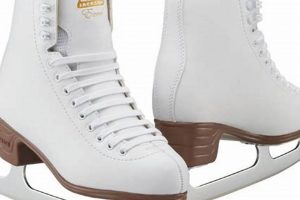
Specialized footwear designed for young individuals participating in the sport of figure skating are essential equipment. These skates provide the necessary support and blade configuration to execute jumps, spins, and other intricate maneuvers on the ice. Proper fit and construction are paramount for safety and performance development.
The use of appropriately sized and designed equipment offers numerous advantages for young skaters. These benefits include enhanced ankle support, which reduces the risk of injury, and optimized blade geometry, which facilitates learning and executing advanced skating techniques. Historically, advances in materials and manufacturing have led to improved skate designs, contributing to the progression of the sport and increased accessibility for younger participants.
The following sections will delve into specific aspects of selecting suitable equipment, including size and fit considerations, blade types, and maintenance practices. This guide aims to provide a comprehensive overview for parents and guardians seeking to equip their young skaters with the tools for success and enjoyment on the ice.
Guidance for Selecting Youth Figure Skating Footwear
The selection of appropriate figure skating footwear for young athletes is a crucial decision impacting both performance and safety. Adherence to the following guidelines is strongly advised.
Tip 1: Size and Fit Assessment: Prioritize professional fitting services. Ensure adequate toe room (approximately one finger’s width) while maintaining a snug heel fit to prevent slippage and maximize control.
Tip 2: Ankle Support Considerations: Opt for models offering substantial ankle support, particularly for novice skaters. Insufficient support increases the risk of ankle injuries. Evaluate stiffness levels based on the skater’s skill level and physical development.
Tip 3: Blade Quality Evaluation: Inspect blade quality meticulously. Blades should be securely mounted, properly aligned, and constructed from high-grade steel to maintain edges effectively and resist corrosion.
Tip 4: Regular Maintenance Schedule: Establish a routine maintenance schedule that includes blade sharpening, drying after each use to prevent rust, and tightening of screws to ensure structural integrity.
Tip 5: Professional Skate Technician Consultation: Seek guidance from a qualified skate technician for adjustments, sharpening, and repairs. Avoid attempting complex modifications without professional expertise.
Tip 6: Material Selection: Leather or synthetic materials should offer durability and water resistance. Prioritize breathable materials to minimize moisture buildup and maintain foot comfort during extended skating sessions.
Tip 7: Break-in Period Management: Allow for an appropriate break-in period. New equipment may require several skating sessions to conform to the skater’s foot. Monitor for signs of discomfort or excessive pressure points.
Proper selection and maintenance contribute significantly to a skater’s development, comfort, and overall safety. Neglecting these considerations can hinder progress and elevate the risk of injury.
The following section will address common misconceptions regarding youth figure skating equipment and provide clarification based on current industry standards.
1. Proper Sizing and Kids Figure Skates

The correlation between properly sized figure skating footwear and the performance and safety of young skaters is direct and significant. Incorrect sizing can compromise ankle support, hinder balance, and impede the execution of technical elements. Specifically, footwear that is too large allows for excessive foot movement within the boot, reducing control and increasing the risk of ankle sprains or blisters. Conversely, footwear that is too small restricts circulation, causes discomfort, and can lead to long-term foot problems. In practical terms, a skater attempting a jump or spin in improperly sized equipment will likely experience decreased stability and an increased probability of falling, potentially resulting in injury.
The process of determining appropriate sizing requires careful measurement of the skater’s foot length and width, taking into account sock thickness and individual foot characteristics. Relying solely on standard shoe sizes is inadequate, as figure skate sizing often differs. Real-world examples illustrate the importance of this precision: a young skater consistently struggling with edge control may discover that the issue stems from wearing skates a half-size too large, preventing them from effectively engaging the blade. Adjusting to the correct size can result in immediate improvements in stability and control.
In summary, proper sizing is a foundational element of effective figure skating for children. Overlooking this detail can negate the benefits of advanced blade technology or high-quality materials. Challenges may arise from variations in manufacturer sizing or rapid foot growth in young skaters, necessitating frequent re-evaluation and professional fitting consultations. Understanding and prioritizing correct sizing ultimately contributes to a safer, more enjoyable, and successful skating experience.
2. Ankle Support and Kids Figure Skates

Adequate ankle support within children’s figure skating footwear is a critical factor directly impacting skater safety, skill development, and long-term orthopedic health. The structural integrity of the boot in providing lateral and medial stability to the ankle joint is paramount, especially during the execution of complex maneuvers.
- Ankle Stability and Injury Prevention
Insufficient ankle support increases the likelihood of ankle sprains, strains, and fractures, particularly during landings from jumps or rapid changes in direction. Skates with inadequate support may allow excessive ankle pronation or supination, leading to chronic instability. For example, a young skater attempting a single Axel jump in inadequately supported footwear is at a heightened risk of ankle injury upon landing.
- Impact on Skill Development
Proper ankle support facilitates the development of correct skating technique. It allows the skater to maintain proper alignment and balance, enabling efficient execution of edges, turns, and spins. Without adequate support, skaters may compensate with improper body mechanics, hindering progress and potentially reinforcing incorrect habits. Novice skaters, in particular, require stiffer boots with robust ankle support to learn fundamental skills effectively.
- Boot Stiffness and Skill Level
The appropriate level of ankle support is directly correlated to the skater’s skill level. Beginner skaters generally require boots with a higher stiffness rating to provide maximum support and stability. As skaters progress and develop stronger ankle musculature, they may transition to boots with a lower stiffness rating, allowing for greater flexibility and range of motion. However, even advanced skaters require a degree of ankle support sufficient to prevent injury during demanding routines.
- Material Construction and Support Mechanisms
The materials used in the construction of figure skating boots contribute significantly to ankle support. Leather or synthetic materials must be durable and rigid enough to withstand repeated stress. Internal padding and lacing systems further enhance support by providing a secure and customized fit. Features such as reinforced ankle collars and heel counters are designed to minimize ankle movement within the boot, thereby increasing stability.
The considerations surrounding ankle support in children’s figure skating footwear necessitate a balance between providing adequate stability and allowing sufficient flexibility for skill development. Selecting footwear that is appropriate for the skater’s skill level, foot structure, and training regimen is essential for promoting both safety and performance. The long-term benefits of investing in well-designed, properly fitted skates with appropriate ankle support far outweigh the potential risks associated with inadequate equipment.
3. Blade Quality

Blade quality is a determining factor in the performance and safety of figure skating footwear designed for young individuals. The relationship is causal: superior blade construction directly enhances edge control, glide efficiency, and overall maneuverability on the ice. The steel’s composition, hardness, and the precision of its edges are critical components. A low-quality blade may exhibit inconsistent edges, rendering precise movements difficult and increasing the risk of falls. For example, a skater attempting a back spin with a blade that has a poorly defined sweet spot will struggle to maintain balance and control, potentially leading to a failed maneuver and possible injury. The practical significance of understanding blade quality lies in selecting equipment that supports the skater’s technical development and minimizes safety risks.
Further analysis reveals that blade quality impacts various aspects of skating, including jump landings and edge work. Sharper, more precisely ground edges allow for cleaner, more controlled landings, reducing the stress on joints and preventing common injuries. In edge work, consistent blade quality enables skaters to execute turns and transitions with greater accuracy and fluidity. Real-world applications include the selection of blades specifically designed for different skill levels. Beginner skaters may benefit from blades with less aggressive edges, promoting stability, while advanced skaters require blades with more pronounced edges to execute intricate routines. Proper blade maintenance, including regular sharpening by a qualified technician, is crucial for preserving performance and prolonging the blade’s lifespan.
In conclusion, blade quality represents a pivotal element of figure skating footwear for children. Its impact extends beyond mere aesthetics, influencing both performance outcomes and skater safety. Addressing challenges related to blade quality requires careful consideration of material composition, edge geometry, and consistent maintenance. Overlooking blade quality can hinder a skater’s progress and increase the risk of injury. Understanding the interplay between blade quality and skater skill is essential for optimizing the skating experience and fostering continued development within the sport.
4. Maintenance Schedule for Kids Figure Skates
A consistent maintenance schedule is a crucial component of children’s figure skating equipment, directly impacting safety, performance, and longevity. The causal relationship is evident: neglected maintenance leads to degraded blade performance, increased risk of injury, and premature equipment failure. A maintenance schedule, including regular blade sharpening, drying, and hardware checks, is not merely supplemental but integral to the proper functioning of figure skates. For example, moisture left on blades after each use causes rust, dulling the edges and diminishing grip on the ice, which is essential for executing precise maneuvers.
Practical application of a maintenance schedule involves several key steps. Blades require sharpening by a qualified technician at intervals determined by usage frequency and skating surface hardness. Inspecting and tightening screws securing the blade to the boot prevents instability, a common cause of falls. Wiping down the blades and boots with a dry cloth after each session removes moisture, inhibiting rust and mildew growth. Periodically checking the boot for wear and tear, particularly around stress points like the ankle area, allows for timely repairs and prolongs the boot’s usable lifespan. These steps, performed consistently, ensure the skates remain in optimal condition.
In summary, a well-defined maintenance schedule for children’s figure skates is essential for maximizing the equipment’s lifespan, ensuring skater safety, and optimizing performance. Challenges, such as parental awareness and access to professional sharpening services, necessitate educational efforts and readily available resources. Adhering to a regular maintenance routine contributes to a more secure, enjoyable, and successful skating experience, preventing costly repairs and potential injuries. This commitment aligns directly with the broader objective of fostering youth participation in figure skating while prioritizing safety and skill development.
5. Professional fitting and Kids Figure Skates
Professional fitting constitutes a critical element in the selection process for children’s figure skates. The connection between these two is directly related to skater safety, performance development, and the prevention of long-term orthopedic issues. Improperly fitted skates can cause discomfort, impede technique development, and significantly increase the risk of injury, including ankle sprains, stress fractures, and blisters. The importance of professional fitting lies in the expertise of trained personnel to accurately assess foot size and shape, accounting for factors such as width, instep height, and any existing foot conditions. This assessment ensures the skates provide appropriate support and stability, allowing for correct alignment and efficient energy transfer during skating maneuvers. A real-life example involves a young skater experiencing persistent foot pain who, after a professional fitting, discovered the initial skates were too narrow. Replacing the skates with properly fitted ones resolved the pain and improved skating performance. The practical significance of understanding this connection is that it prioritizes the child’s well-being and technical progress over cost considerations or convenience.
Further analysis reveals that professional fitting extends beyond initial size determination. A qualified fitter evaluates the skater’s skill level, skating frequency, and training goals to recommend appropriate boot stiffness and blade type. The fitter also ensures proper lacing techniques and suggests modifications, such as custom footbeds or padding adjustments, to optimize comfort and support. For instance, a skater transitioning to more advanced jumps may require a stiffer boot to provide increased ankle support. Professional guidance in selecting this appropriate boot and customizing the fit can prevent injuries associated with landing these jumps. Additionally, professional fitters possess specialized tools and knowledge to diagnose and address fitting issues that may not be apparent to untrained individuals. This includes identifying pressure points, assessing ankle pronation, and recommending corrective measures to enhance overall skate performance and comfort.
In conclusion, the professional fitting of children’s figure skates is an indispensable component in ensuring a safe, comfortable, and effective skating experience. The challenges, such as limited access to qualified fitters in some geographic areas, are outweighed by the substantial benefits. Prioritizing professional fitting from the outset mitigates risks associated with ill-fitting equipment and contributes to long-term skater development and enjoyment of the sport. Educating parents and skaters about the importance of professional fitting is essential in promoting a culture of safety and informed decision-making within the figure skating community.
6. Material Durability and Kids Figure Skates
The longevity and performance of children’s figure skates are directly linked to the durability of the materials used in their construction. Skates are subjected to repeated stresses and impacts during skating sessions, necessitating resilient materials to withstand these forces and maintain structural integrity over time.
- Boot Construction and Material Fatigue
The boot, typically constructed of leather or synthetic materials, provides essential ankle support and protection. Repeated flexing and impact from landings can lead to material fatigue, compromising the boot’s structural integrity. Durable materials, such as high-quality leather or reinforced synthetics, resist deformation and cracking, thereby prolonging the boot’s lifespan and maintaining its supportive qualities. For example, skates made with lower-grade synthetic materials may exhibit premature breakdown around the ankle area, reducing support and increasing the risk of injury.
- Blade Mounting Systems and Hardware Resilience
The hardware used to secure the blade to the boot, including screws and rivets, is crucial for stability and safety. These components are subjected to constant vibrations and stress, and the use of corrosion-resistant materials, such as stainless steel, is essential to prevent weakening and failure. A compromised blade mounting system can lead to instability and an increased risk of accidents on the ice. Skates with inferior hardware may require frequent repairs or replacements, incurring additional costs and downtime.
- Blade Material and Edge Retention
The skating blade itself, typically made of high-carbon steel, must maintain its edge sharpness for optimal performance. Durable blade materials resist wear and corrosion, allowing for consistent edge control and glide. Blades made with lower-quality steel may dull quickly, requiring more frequent sharpening and reducing the skater’s ability to execute precise maneuvers. For instance, a young skater attempting a figure eight may find their blade slipping if the blade is not made with enough carbon.
- Lining and Padding Materials
The internal lining and padding materials contribute to comfort and impact absorption. Durable, moisture-wicking materials help to maintain a comfortable and hygienic environment within the boot, preventing the growth of bacteria and reducing the risk of blisters. Lower-quality linings may break down quickly, leading to discomfort and potential skin irritation. A skater who spends all day in a good lining skate can do so without these issues.
The selection of durable materials in children’s figure skates is a critical investment in safety, performance, and equipment longevity. Parents and guardians should prioritize skates constructed with high-quality components to ensure a positive and productive skating experience for their young athletes. Overlooking material durability can result in compromised performance, increased risk of injury, and the need for frequent replacements.
Frequently Asked Questions Regarding Kids Figure Skates
This section addresses common inquiries related to children’s figure skating footwear, providing essential information for parents and guardians.
Question 1: What are the primary factors in selecting appropriate figure skates for a child?
The selection process should prioritize proper fit, adequate ankle support, blade quality, and intended skill level. Seek professional fitting services to ensure accurate sizing and support.
Question 2: How often should figure skate blades be sharpened?
Sharpening frequency depends on usage and ice conditions. Blades typically require sharpening every 20-40 hours of skating. A qualified technician can assess blade condition and recommend appropriate sharpening intervals.
Question 3: What are the key indicators that figure skates no longer fit properly?
Signs of improper fit include toe cramping, heel slippage, ankle instability, and recurring blisters. Foot growth necessitates periodic size reassessment.
Question 4: What is the recommended break-in period for new figure skates?
A break-in period of approximately 6-10 hours of skating is recommended. Gradually increasing skating time allows the boot to conform to the skater’s foot, minimizing discomfort and potential pressure points.
Question 5: Can figure skates be purchased online without professional fitting?
Purchasing figure skates online without professional fitting is discouraged. Accurate sizing and assessment of ankle support requirements are best determined through in-person evaluation.
Question 6: What is the expected lifespan of children’s figure skates?
The lifespan of figure skates varies depending on usage, maintenance, and skater growth. Properly maintained skates can last several years, but growth spurts may necessitate more frequent replacements.
Selecting appropriate figure skating equipment requires careful consideration and expert guidance. Prioritizing fit, support, and maintenance ensures a safe and productive skating experience.
The subsequent section will explore advanced equipment considerations and techniques for optimizing skater performance.
Concluding Remarks on Kids Figure Skates
This exploration of specialized footwear for young figure skaters has underscored the critical importance of proper fit, adequate support, durable materials, and consistent maintenance. The analysis emphasized the direct correlation between these factors and skater safety, skill development, and equipment longevity. Moreover, the discussion addressed common misconceptions and provided practical guidance for parents and guardians navigating the selection process.
The insights presented herein serve as a foundation for informed decision-making, promoting a commitment to prioritizing the well-being and technical advancement of young athletes. A continued emphasis on professional fitting, rigorous maintenance schedules, and awareness of technological advancements in figure skating equipment remains essential for fostering a safe and successful environment within the sport.