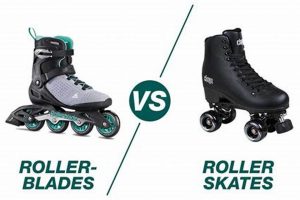
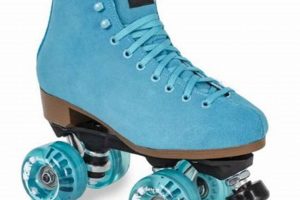
Equipment designed for gliding across smooth, interior surfaces typically incorporates wheels formulated for optimal grip and controlled movement. These skates facilitate recreational activity and fitness routines within designated spaces. For instance, a skater might use these to practice routines in a gymnasium or enjoy leisurely skating in a roller rink.
This specialized footwear offers numerous advantages, including providing a low-impact exercise option that enhances cardiovascular health and strengthens lower body musculature. Historically, the evolution of skating technology has led to advancements in wheel materials and boot construction, improving performance and safety for participants. This progression has increased accessibility and broadened the appeal of skating as a pastime and a competitive sport.
The subsequent sections will delve into specific considerations regarding wheel types, bearing selection, boot fitting, and maintenance practices crucial for maximizing the lifespan and performance characteristics of these specialized skates. Careful attention to these aspects ensures a safe and enjoyable skating experience.
Essential Guidance for Indoor Skating Equipment
Proper selection and maintenance of skating equipment significantly impact performance and safety. The following guidance ensures optimal functionality and longevity of the specified gear.
Tip 1: Wheel Hardness Selection: Wheel durometer, measured in “A” scale, influences grip and roll. Lower numbers (e.g., 78A) provide enhanced grip but slower roll, suitable for beginners. Higher numbers (e.g., 95A) offer faster roll with reduced grip, preferred by experienced skaters on polished surfaces.
Tip 2: Bearing Maintenance: Regular cleaning and lubrication of bearings minimize friction and extend lifespan. Remove bearings from wheels, clean with solvent, and apply a thin layer of lubricant. Contaminated bearings degrade performance and require replacement.
Tip 3: Boot Fit Assessment: A snug, comfortable boot fit prevents ankle instability and enhances control. Ensure toes have adequate space, and the heel remains secure during movement. Ill-fitting boots contribute to discomfort and potential injury.
Tip 4: Surface Compatibility: Consider floor material when selecting wheels. Polyurethane wheels perform well on coated concrete or wood surfaces. Avoid abrasive or uneven surfaces, which accelerate wear and reduce maneuverability.
Tip 5: Regular Inspection: Routinely inspect wheels for wear, bearings for play, and boots for damage. Promptly replace worn components to maintain safety and performance characteristics. Neglecting inspection compromises skating integrity.
Tip 6: Controlled Storage: Store equipment in a cool, dry environment to prevent degradation. Avoid prolonged exposure to sunlight or extreme temperatures, which can compromise material integrity and reduce lifespan.
Implementing these strategies maximizes the functionality and durability of skating equipment, enhancing the overall skating experience and promoting skater safety.
The subsequent sections will explore more advanced techniques and further refine equipment customization to enhance performance metrics.
1. Wheel Durometer

Wheel durometer, a measurement of a wheel’s hardness, significantly influences the performance characteristics of equipment designed for indoor skating. Expressed on the “A” scale, durometer values dictate a wheel’s grip, roll, and wear resistance. Lower durometer values (e.g., 78A-85A) signify softer wheels, which provide increased grip on smooth, interior surfaces like polished concrete or wood typically found in skating rinks. This enhanced grip facilitates easier maneuvering and controlled stops, particularly advantageous for novice skaters or those practicing intricate routines requiring precise movements. Conversely, softer wheels exhibit increased rolling resistance and tend to wear more rapidly under sustained use.
Higher durometer values (e.g., 88A-101A) represent harder wheels. These offer reduced grip but significantly enhanced roll speed. Experienced skaters often select higher durometer wheels to maximize velocity and minimize energy expenditure during long skating sessions or competitive events. However, harder wheels necessitate greater skill and control, as the reduced grip can lead to slipping or difficulty in executing sudden turns. The selection process thus involves a trade-off, balancing the desired level of grip with the need for speed and efficiency. For example, a speed skater competing on a meticulously prepared roller rink surface would likely opt for wheels with a durometer of 95A or higher to achieve maximum speed.
In conclusion, appropriate wheel durometer selection is critical for optimizing indoor skating performance. The choice depends on skater skill level, skating style, and the specific characteristics of the skating surface. By carefully considering these factors, skaters can enhance their control, speed, and overall skating experience. Neglecting this aspect can lead to suboptimal performance, increased fatigue, or even safety risks due to inadequate grip or excessive speed for the environment and skill level.
2. Bearing Precision
Bearing precision, specifically within the context of mechanisms facilitating wheeled motion, plays a crucial role in the performance characteristics of indoor skating equipment. The efficiency and smoothness of movement directly correlate with the quality and manufacturing tolerances of the installed bearings, affecting speed, energy expenditure, and overall skater experience.
- ABEC Rating and Tolerances
The Annular Bearing Engineers’ Committee (ABEC) rating system classifies bearing precision based on manufacturing tolerances. Higher ABEC ratings (e.g., ABEC-7, ABEC-9) indicate tighter tolerances, resulting in reduced friction and improved rolling efficiency. For example, using ABEC-9 rated bearings in skates designed for indoor speed skating translates to faster acceleration and higher top speeds compared to lower-rated bearings, all else being equal.
- Bearing Materials and Lubrication
Bearing material composition (e.g., steel, ceramic) and lubrication type (e.g., grease, oil) influence rolling resistance and bearing lifespan. Ceramic bearings exhibit lower friction coefficients than steel counterparts, contributing to enhanced speed and reduced maintenance requirements. Furthermore, proper lubrication minimizes friction, prevents corrosion, and dissipates heat generated during use. Neglecting lubrication leads to premature bearing failure and degraded performance.
- Impact on Rolling Resistance
Rolling resistance, the force opposing motion, is directly impacted by bearing precision. Bearings with higher precision and superior lubrication exhibit lower rolling resistance, requiring less energy input from the skater to maintain a given speed. For instance, skates equipped with high-precision bearings enable skaters to glide further with each push-off, conserving energy and improving endurance during extended skating sessions.
- Durability and Maintenance Requirements
While higher precision bearings offer performance advantages, they may also exhibit increased sensitivity to contaminants and require more frequent maintenance. Debris, dust, and moisture can degrade bearing performance and reduce lifespan. Regular cleaning and lubrication are essential for preserving bearing functionality and ensuring consistent performance. Neglecting maintenance can lead to bearing seizure and potentially hazardous skating conditions.
Therefore, appropriate selection and maintenance of bearings are paramount for optimizing the performance and lifespan of indoor skating apparatus. Careful consideration of ABEC rating, material composition, lubrication, and maintenance practices ensures a smooth, efficient, and safe skating experience. Skaters must balance the pursuit of increased speed with the practical considerations of bearing durability and maintenance requirements to achieve optimal results.
3. Boot Comfort

Boot comfort in apparatus designed for interior skating directly influences performance and user experience. Ill-fitting boots contribute to discomfort, blisters, and reduced control, hindering a skater’s ability to execute maneuvers effectively. Conversely, comfortable boots enable extended periods of skating with minimal fatigue, allowing skaters to focus on skill development and enjoyment. For instance, boots with adequate padding and arch support mitigate foot strain, reducing the likelihood of pain during prolonged use.
The selection of appropriate boot materials and construction techniques further contributes to comfort. Breathable linings prevent excessive moisture buildup, minimizing friction and the formation of blisters. Anatomically contoured designs conform to the natural shape of the foot, providing enhanced support and stability. Adjustable closures, such as laces or buckles, allow skaters to customize the fit, ensuring a secure yet comfortable experience. As an example, a skater practicing a rigorous routine will benefit from a boot that offers both firm ankle support and ample cushioning, preventing injury and maximizing performance.
Ultimately, boot comfort is an integral component of the overall skating experience. Investing in well-fitting and appropriately designed boots enhances enjoyment, improves performance, and reduces the risk of discomfort-related injuries. Prioritizing boot comfort represents a strategic decision that yields long-term benefits for both recreational and competitive skaters, allowing them to fully engage in the activity without physical limitations. Selecting skates solely based on aesthetics or price, without considering fit and comfort, often results in dissatisfaction and decreased usage.
4. Frame Material

The frame material in equipment designed for interior skating serves as a critical determinant of performance characteristics and durability. This component connects the wheels to the boot, influencing stability, responsiveness, and the overall weight of the assembly. The material’s properties, therefore, directly impact a skater’s ability to execute maneuvers, maintain balance, and sustain momentum. For example, a frame constructed from lightweight aluminum alloys enhances agility due to reduced inertia, whereas a frame made of a more rigid material like carbon fiber optimizes energy transfer, resulting in increased speed and efficiency. The choice of frame material is a primary factor in determining the intended application of the skates, whether for recreational use, fitness training, or competitive speed skating.
Various materials are employed in the construction of frames, each offering distinct advantages and disadvantages. Aluminum alloys provide a favorable balance of strength, weight, and cost, making them a prevalent choice for intermediate to advanced skaters. Carbon fiber composites, though more expensive, offer superior stiffness-to-weight ratios, ideal for maximizing performance in competitive settings. Plastic or nylon frames, commonly found on entry-level models, offer affordability and shock absorption but lack the rigidity and durability required for demanding skating activities. The geometry of the frame also affects performance; shorter frames enhance maneuverability, while longer frames promote stability at higher speeds. A skater seeking increased responsiveness for artistic skating, for instance, may opt for a frame with a shorter wheelbase, whereas a speed skater would prioritize a longer wheelbase for enhanced stability during straight-line sprints.
In conclusion, the selection of frame material represents a crucial decision in the design and purchase of apparatus. The material’s properties directly influence performance, durability, and overall skating experience. An understanding of the trade-offs associated with different materials enables skaters to make informed choices that align with their specific needs and skill levels. The long-term benefits of selecting an appropriate frame material include improved performance, reduced fatigue, and enhanced safety, contributing to a more enjoyable and rewarding skating experience. Ignoring this aspect can lead to suboptimal performance, increased risk of injury, and reduced lifespan of the equipment.
5. Surface Friction
Surface friction, the force resisting motion between two surfaces in contact, profoundly affects the performance characteristics of apparatus designed for interior skating. The magnitude of this force dictates wheel grip, speed, and maneuverability, influencing the skater’s ability to control movement and execute techniques.
- Coefficient of Friction and Wheel Durometer
The coefficient of friction quantifies the interaction between wheel material and floor surface. Wheels with lower durometer (softer) exhibit a higher coefficient of friction, providing enhanced grip on smooth surfaces such as polished concrete or wood. Conversely, harder wheels possess a lower coefficient, enabling faster rolling speeds but reduced traction. For example, a rink with a highly polished surface would necessitate softer wheels to maintain adequate control.
- Surface Texture and Grip Consistency
The texture of the skating surface influences the consistency of grip. Smooth, uniform surfaces provide predictable traction, facilitating consistent performance. Irregularities or contaminants (e.g., dust, debris) introduce variability in friction, potentially leading to slippage or loss of control. Regular maintenance, including cleaning and resurfacing, ensures consistent frictional properties. For instance, routine sweeping of a skating rink minimizes debris that could impede wheel grip.
- Temperature Effects on Friction
Temperature variations alter the frictional characteristics of both wheel material and skating surface. Warmer temperatures generally reduce the coefficient of friction, leading to decreased grip and increased wheel wear. Conversely, cooler temperatures can enhance grip but may also increase rolling resistance. Maintaining a stable temperature within a skating facility minimizes these effects. For example, regulating temperature in a rink prevents wheels from becoming excessively soft or hard, ensuring consistent performance.
- Impact on Braking and Acceleration
Surface friction directly influences braking and acceleration capabilities. Higher friction facilitates rapid deceleration and powerful acceleration. Conversely, lower friction necessitates longer braking distances and reduces acceleration efficiency. The selection of appropriate wheel durometer and maintenance of a clean skating surface optimize both braking and acceleration performance. A skater attempting a quick stop on a low-friction surface would require greater skill and technique compared to a high-friction scenario.
These factors collectively demonstrate the significant interplay between surface friction and the dynamics of interior skating. Understanding and managing these interactions is essential for optimizing performance, ensuring safety, and maintaining the integrity of both equipment and skating surfaces. Ignoring the impact of surface friction can result in suboptimal performance, increased risk of injury, and accelerated wear of apparatus and facility components.
6. Maintenance Schedule

Adherence to a structured schedule is paramount for preserving the functionality and safety of indoor skating apparatus. Regular maintenance mitigates wear, prevents component failure, and ensures optimal performance characteristics over the lifespan of the equipment.
- Bearing Lubrication and Cleaning
Scheduled lubrication of bearings minimizes friction and prevents corrosion, thereby extending their operational lifespan. The frequency of lubrication depends on usage intensity and environmental conditions. Cleaning removes debris and contaminants that can degrade bearing performance. For instance, bearings used in dusty environments require more frequent cleaning compared to those used in controlled, indoor settings. Neglecting this aspect leads to increased rolling resistance and potential bearing seizure.
- Wheel Inspection and Rotation
Routine inspection of wheels identifies wear patterns and potential damage. Uneven wear reduces skating efficiency and increases the risk of instability. Rotating wheels redistributes wear, prolonging their lifespan and maintaining consistent performance. As an example, wheels subjected to frequent stops or sharp turns exhibit accelerated wear on specific areas. Regular rotation ensures uniform wear across all wheels.
- Boot and Frame Assessment
Periodic assessment of boots and frames detects signs of damage or structural compromise. Loose fasteners, cracked frames, or worn boot linings reduce support and increase the risk of injury. Tightening fasteners, repairing minor damage, and replacing worn components maintain equipment integrity. For instance, checking for cracks in the frame after periods of heavy use prevents catastrophic failure during subsequent skating sessions.
- Brake Pad Replacement (if applicable)
If equipped with brakes, regular inspection and replacement of brake pads are crucial for ensuring reliable stopping power. Worn brake pads reduce braking efficiency and increase stopping distance. The replacement frequency depends on usage intensity and braking technique. For example, a skater who frequently uses brakes to control speed will require more frequent pad replacements compared to one who relies primarily on other techniques.
Consistent implementation of a defined maintenance schedule optimizes the performance, longevity, and safety of interior skating apparatus. Neglecting routine maintenance compromises equipment integrity, increases the risk of injury, and ultimately shortens the useful life of the skates. These actions help ensure a reliable skating experience.
Frequently Asked Questions
The following questions address common concerns regarding the selection, maintenance, and usage of equipment designed for interior skating activities.
Question 1: What differentiates wheels specifically designed for indoor use from those intended for outdoor applications?
Wheels purposed for interior surfaces typically feature a higher durometer rating, indicating increased hardness. This characteristic minimizes rolling resistance on smooth floors while providing sufficient grip. Outdoor wheels, conversely, are softer to absorb irregularities in rougher surfaces.
Question 2: How frequently should the bearings of apparatus be cleaned and lubricated?
Bearing maintenance frequency depends on usage intensity and environmental conditions. Regular cleaning, removing accumulated debris, is recommended every 10-20 hours of use. Lubrication with appropriate bearing oil should follow each cleaning to minimize friction and prevent corrosion.
Question 3: What criteria should be considered when assessing the fit of skating boots?
Proper boot fit requires a snug yet comfortable enclosure of the foot. Toes should have adequate space to move freely without restriction, and the heel must remain securely positioned to prevent slippage. Ill-fitting boots contribute to discomfort and reduced control.
Question 4: What are the primary advantages and disadvantages of frames constructed from aluminum versus those made from composite materials?
Aluminum frames offer a favorable balance of strength, weight, and cost, suitable for intermediate to advanced skaters. Composite frames, typically carbon fiber, provide superior stiffness-to-weight ratios, maximizing energy transfer and performance but at a higher cost.
Question 5: How does the condition of the skating surface influence the selection of wheels?
Smooth, well-maintained surfaces necessitate harder wheels to minimize rolling resistance and maximize speed. Uneven or contaminated surfaces require softer wheels to enhance grip and maintain control. Careful assessment of surface conditions is crucial for optimal wheel selection.
Question 6: What are the potential consequences of neglecting regular maintenance procedures on apparatus?
Failure to adhere to a consistent maintenance schedule compromises equipment integrity, increases the risk of injury, and shortens the operational lifespan of the skates. Neglected maintenance can lead to component failure and unsafe skating conditions.
Proper understanding of these factors ensures responsible equipment management and promotes a safe and enjoyable skating experience.
The subsequent section will explore advanced techniques for enhancing skating performance.
Conclusion
This examination has elucidated the critical factors influencing the performance, safety, and longevity of indoor roller skates. From wheel durometer and bearing precision to boot comfort, frame material, surface friction, and diligent maintenance, each aspect contributes significantly to the user’s skating experience. Proper understanding and application of these principles are essential for maximizing equipment effectiveness.
Ultimately, informed decision-making regarding indoor roller skates empowers skaters to optimize their performance, minimize risks, and extend the lifespan of their equipment. Continual vigilance in maintenance practices and an awareness of evolving technologies within the skating industry will further contribute to a safer and more rewarding pursuit of this activity.

![Find Cheap Skate Roller Center Photos: [Location] Fun! | Learn to Surf & Skate: A Beginner's Step-by-Step Guide](https://universitysurfandskate.com/wp-content/uploads/2026/05/th-141-300x200.jpg "Find Cheap Skate Roller Center Photos: [Location] Fun! Learn to Surf & Skate: A Beginner's Step-by-Step Guide")