The process of initiating individuals into the activity of gliding on ice surfaces using specialized footwear is a fundamental element in winter sports and recreational activities. This introductory instruction aims to provide the foundational skills necessary for safe and enjoyable participation. For example, a new participant might begin by learning how to maintain balance on the ice before progressing to forward movement.
Mastering the fundamentals offers numerous advantages, including improved physical fitness, enhanced balance and coordination, and increased opportunities for social interaction. Historically, the ability to traverse frozen surfaces provided essential transportation means in colder climates, evolving from a practical necessity to a popular pastime and competitive sport.
Understanding the core techniques, selecting appropriate equipment, and adopting safety measures are critical aspects of successfully navigating the initial stages of ice skating. Subsequent sections will delve into these essential elements, providing a structured approach to learning this engaging activity.
Essential Guidance for Novice Ice Skaters
The following recommendations aim to facilitate a smoother and safer introduction to ice skating for individuals with limited or no prior experience. Adherence to these guidelines can contribute to a more positive learning experience.
Tip 1: Prioritize Appropriate Attire. Select clothing that allows for a full range of motion while also providing adequate insulation against the cold. Multiple thin layers are generally preferable to bulky outerwear, enabling temperature regulation.
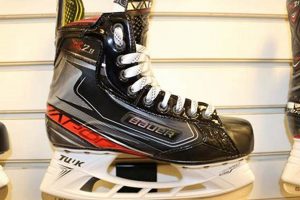
Tip 2: Choose Well-Fitting Skates. Properly fitted skates are crucial for both comfort and control. Ensure the skates provide adequate ankle support without restricting circulation. Consult with a skate professional for optimal fitting.
Tip 3: Master Basic Balance Techniques. Before attempting forward movement, practice maintaining balance while standing still. Slight knee flexion and a forward lean from the ankles can improve stability.
Tip 4: Learn to Fall Correctly. Falling is an inevitable part of the learning process. Aim to fall to the side, bending knees and using forearms to brace for impact. Avoid extending arms straight out, which can increase the risk of injury.
Tip 5: Practice the “Marching” Technique. Begin by “marching” across the ice, lifting each skate and placing it down in a controlled manner. This helps develop a feel for the ice and improves balance.
Tip 6: Utilize Wall or Rail Support. Initially, use the rink’s perimeter wall or rail for support as needed. Gradually reduce reliance on this support as confidence and balance improve.
Tip 7: Consider Professional Instruction. Enrolling in a beginner ice skating lesson can provide valuable guidance and accelerate the learning process. A qualified instructor can offer personalized feedback and correct improper techniques.
Consistent application of these recommendations can establish a solid foundation for further skill development in ice skating. Gradual progression and patient practice are key to mastering the fundamentals.
Subsequent discussion will address advanced techniques and safety protocols for continued participation in this activity.
1. Balance

Balance is a foundational element in the acquisition of ice skating skills. Initial success and subsequent progression are contingent upon the ability to maintain equilibrium on a potentially unstable surface. Understanding the mechanics of balance and implementing appropriate techniques are critical for novice skaters.
- Center of Gravity Management
The body’s center of gravity must be strategically positioned over the base of support, which in this context is the blade-ice interface. A slight forward lean from the ankles, coupled with knee flexion, shifts the center of gravity forward, promoting stability. Failure to manage the center of gravity effectively results in instability and potential falls.
- Proprioceptive Awareness
Proprioception, the body’s awareness of its position in space, plays a crucial role in maintaining balance. On ice, the sensory input from the feet, ankles, and legs is essential for making minute adjustments to maintain equilibrium. Enhanced proprioceptive awareness, often developed through practice and focused attention, allows for quicker and more effective responses to shifts in balance.
- Muscle Engagement and Coordination
Maintaining balance requires coordinated activation of various muscle groups, particularly in the core, legs, and ankles. These muscles work synergistically to counteract destabilizing forces. Inadequate muscle engagement or poor coordination can compromise stability and increase the risk of falls.
- Environmental Factors and Adjustments
External factors such as uneven ice surfaces, wind gusts, and the movements of other skaters can influence balance. Novice skaters must learn to adapt to these environmental variables. This often involves making subtle adjustments to posture and weight distribution to compensate for external forces.
Each of these facets significantly contributes to the overall ability to maintain balance while learning to ice skate. Proficiency in these areas translates directly into increased confidence, reduced fear of falling, and a more enjoyable learning experience. Continued focus on balance techniques is essential for progressing to more advanced skating skills.
2. Proper Equipment
The selection and utilization of appropriate equipment represent a foundational aspect of introducing individuals to ice skating. The effectiveness of initial training and the prevention of potential injuries are directly correlated with the suitability and condition of the equipment used.
- Skate Selection and Fit
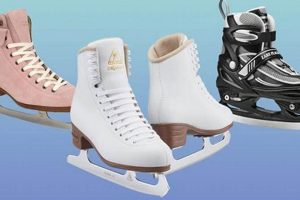
The primary piece of equipment, ice skates, must be chosen based on foot size, skill level, and intended use. Skates that are too large or too small can impede balance, hinder control, and cause discomfort, potentially leading to blisters or more serious foot injuries. Professional fitting ensures adequate ankle support and proper alignment, both crucial for developing correct skating technique.
- Protective Gear
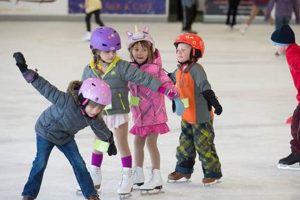
Protective gear is essential, particularly for novices who are more prone to falls. Helmets are highly recommended to mitigate the risk of head injuries. Knee pads and elbow pads can provide additional protection against scrapes and bruises, common occurrences during the initial learning phase. Wrist guards are also advisable, as outstretched hands are often the first point of contact during a fall.
- Clothing Considerations
While not technically equipment, appropriate clothing plays a crucial role in comfort and safety. Multiple layers of clothing allow for temperature regulation and prevent overheating or chilling. Gloves or mittens are necessary to protect hands from the cold and potential abrasions. Socks that wick moisture away from the skin are preferable to cotton socks, which can become damp and cause discomfort.
- Blade Maintenance
The condition of the skate blades directly affects performance and safety. Sharp blades provide better grip on the ice, enhancing control and reducing the likelihood of slipping. Regular sharpening by a qualified professional is necessary to maintain optimal blade performance. Additionally, wiping the blades dry after each use prevents rusting and prolongs their lifespan.
The synergistic effect of these equipment-related factors significantly influences the novice skater’s experience. Prioritizing proper equipment ensures a safer, more comfortable, and ultimately more successful introduction to the activity.
3. Controlled Falling
The ability to execute a controlled fall is integrally linked to the process of introducing individuals to ice skating. Falls are an unavoidable occurrence during the learning phase, and the manner in which these falls are managed directly influences the skater’s safety, confidence, and willingness to persist in skill development. A controlled fall minimizes the risk of injury, converting a potentially negative experience into a learning opportunity. For instance, a novice skater, upon feeling a loss of balance, can execute a controlled descent by bending at the knees, angling the body to the side, and using forearms to absorb impact. This action reduces the likelihood of a hard fall onto the wrists, head, or back.
The understanding and practice of controlled falling techniques contribute significantly to a skater’s overall confidence. When learners are aware of how to safely manage an impending fall, they are more inclined to attempt new skills and push beyond their comfort zones. This proactive approach not only accelerates skill acquisition but also reduces anxiety associated with potential missteps. Ice skating lessons frequently incorporate instruction on proper falling techniques early in the curriculum, emphasizing the importance of bending knees, tucking in limbs, and avoiding the instinctive reaction of reaching out with straight arms, which can lead to fractures.
In summary, the concept of controlled falling is not merely an ancillary safety measure; it is a critical component of successful ice skating instruction. By equipping learners with the knowledge and skills to mitigate the impact of falls, instructors foster a safer and more encouraging learning environment. This, in turn, enhances the likelihood of sustained engagement and the development of competent skating abilities. Furthermore, mastering this skill early establishes a foundation for more advanced maneuvers, where controlled falling becomes an essential element of risk management.
4. Basic Movement

The acquisition of basic movement skills represents a fundamental and non-negotiable stage in the process of introducing individuals to ice skating. These initial movements form the building blocks upon which all subsequent skating abilities are developed. Without a solid grounding in these basics, advancement to more complex maneuvers becomes significantly more challenging and potentially hazardous.
- The “Duck Walk” or “Penguin Walk”
This initial movement involves walking on the ice with feet turned outwards, resembling a duck or penguin’s gait. Its primary purpose is to familiarize the novice skater with the sensation of being on ice and to develop a rudimentary sense of balance. The “duck walk” allows the individual to gradually acclimate to the slippery surface and begin to understand how to control their movements. For instance, a learner using this technique may initially shuffle slowly across the ice, gradually increasing the size of their steps as their confidence grows.
- Forward Propulsion: Scooting and Gliding
Once the “duck walk” provides a degree of stability, the next step involves learning to propel oneself forward. This is often achieved through a “scooting” motion, where one skate pushes off the ice while the other glides. By alternating between pushing and gliding, the skater can maintain forward momentum. This technique introduces the concept of edge control and weight transfer, essential for more advanced skating. An example would be a novice skater pushing off with the inside edge of one skate and gliding on the flat of the other, repeating this process to traverse the rink.
- Stopping Techniques: The Snowplow Stop
Equally important as forward movement is the ability to stop safely and effectively. The snowplow stop, where the skater brings both skates together in a wedge shape, with the toes pointed inwards, is a fundamental stopping technique for beginners. This action creates friction against the ice, slowing the skater down and eventually bringing them to a halt. Mastery of the snowplow stop provides a sense of control and reduces the risk of collisions. A practical application might involve a skater approaching a barrier or another skater, executing a snowplow stop to avoid impact.
- Basic Posture and Stance
Underlying all of these movements is the importance of maintaining a proper posture and stance. This typically involves bending the knees, keeping the back straight, and looking ahead. This posture lowers the center of gravity, improving balance and stability. Maintaining a consistent stance allows for more controlled and efficient movement. A skater exhibiting proper posture will appear balanced and in control, while a skater with poor posture may appear unsteady and prone to falls.
The consistent practice and refinement of these basic movement skills are critical for the successful introduction of individuals to ice skating. Proficiency in these areas not only enhances safety but also provides a solid foundation for further skill development and enjoyment of the activity.
5. Ankle Support

Adequate ankle support is a critical factor in the successful introduction of individuals to ice skating. Insufficient support can impede balance, hinder proper technique development, and increase the risk of injury. The following details highlight the essential facets of ankle support within the context of beginner ice skating instruction.
- Skate Boot Stiffness
The stiffness of the skate boot directly influences the level of ankle support provided. Beginner skates typically feature a moderate level of stiffness, offering a balance between support and flexibility. Excessive stiffness can restrict movement and make it difficult to learn basic techniques, while insufficient stiffness can lead to ankle instability and potential sprains. For example, a novice skater in overly flexible skates may struggle to maintain an upright posture, leading to a greater likelihood of falling.
- Proper Lacing Technique
Correct lacing is essential for maximizing ankle support. Laces should be tightened firmly, particularly around the ankle area, to provide a secure and stable fit. However, over-tightening can restrict circulation and cause discomfort. A properly laced skate should allow for a snug fit without causing pain or numbness. A skater experiencing ankle instability may find that adjusting their lacing technique improves their support and balance.
- Ankle Alignment and Pronation/Supination
Ankle support plays a role in correcting or accommodating natural pronation (inward rolling) or supination (outward rolling) of the foot. Some skates incorporate features that help to align the ankle properly, promoting a more neutral and stable stance. Orthotics may be necessary for individuals with significant pronation or supination issues. A skater with excessive pronation, for instance, may benefit from skates with enhanced arch support to prevent ankle collapse.
- Injury Prevention
Adequate ankle support significantly reduces the risk of ankle sprains and other related injuries. By stabilizing the ankle joint, the skates help to prevent excessive movement and protect the ligaments from strain. This is particularly important for beginners who are still developing their balance and coordination. A novice skater with strong ankle support is less likely to suffer an injury from a sudden twist or fall.
In conclusion, the multifaceted nature of ankle support underscores its vital role in successfully introducing individuals to ice skating. A combination of appropriate skate selection, proper lacing technique, attention to ankle alignment, and a focus on injury prevention ensures a safer and more effective learning experience for novice skaters.
6. Initial Posture

The establishment of a proper initial posture is a critical determinant in the successful acquisition of basic ice skating skills. A correct stance directly influences balance, stability, and the ability to execute fundamental movements effectively. The connection between initial posture and learning to ice skate is a cause-and-effect relationship; flawed posture creates instability, while correct posture enables controlled movement and reduces the risk of falls. For example, a novice skater who stands upright with locked knees will exhibit significant instability, whereas a skater with bent knees and a slight forward lean will demonstrate greater control and balance. This foundational element underpins all subsequent skill development and must be emphasized from the outset.
Further, the practical significance of understanding and adopting the correct initial posture extends beyond mere stability. It directly impacts the efficiency of movement and the ability to transfer weight effectively. A skater with proper posture can more easily initiate forward motion, execute turns, and control their speed. Conversely, a skater with poor posture will expend more energy and struggle to maintain control. A practical example includes the “snowplow stop,” which requires a specific leg and body posture to execute correctly; incorrect posture hinders the ability to generate the necessary friction to stop safely.
In conclusion, initial posture is not simply a preliminary step, but an integral component of learning to ice skate. Challenges may arise in establishing this posture due to individual variations in physical conditioning and balance. However, consistent instruction and focused practice are essential to overcome these obstacles. The ability to adopt and maintain a correct initial posture lays the groundwork for further skill development and ultimately contributes to a more enjoyable and safer ice skating experience.
7. Qualified Instruction
The role of qualified instruction is a critical determinant in the successful and safe introduction of individuals to the activity of ice skating. Systematic instruction from knowledgeable professionals provides the necessary framework for skill acquisition, technique refinement, and risk mitigation, particularly for those with no prior experience.
- Structured Skill Progression
Qualified instructors employ a structured curriculum that progresses logically from basic balance techniques to more complex maneuvers. This systematic approach ensures that learners acquire foundational skills before attempting advanced techniques, reducing the risk of frustration and injury. For example, an instructor would initially focus on proper stance and falling techniques before introducing forward skating or turns. The curriculum is designed to address skill development in a coherent, progressive manner.
- Personalized Feedback and Correction
Qualified instructors provide personalized feedback tailored to each learner’s individual needs and abilities. They can identify and correct improper techniques early on, preventing the development of bad habits that may hinder future progress. For example, an instructor might correct a learner’s posture or adjust their skate alignment to improve balance. Personalized attention leads to optimized learning and skill retention.
- Risk Mitigation and Safety Protocols
Qualified instruction includes comprehensive instruction on safety protocols and risk mitigation strategies. Learners are taught how to fall safely, avoid collisions, and recognize potential hazards on the ice. For example, an instructor would emphasize the importance of awareness of surroundings and proper spacing between skaters. Instruction on safety enhances the overall learning experience.
- Motivation and Encouragement
Qualified instructors foster a positive and encouraging learning environment, providing motivation and support to learners as they navigate the challenges of acquiring new skills. They celebrate successes, offer constructive criticism, and help learners overcome obstacles. For example, an instructor might provide positive reinforcement when a learner successfully executes a new maneuver, boosting confidence and encouraging continued effort. Motivation is crucial for sustained engagement and success.
These facets collectively demonstrate the profound impact of qualified instruction on the successful introduction of individuals to ice skating. By providing structured skill progression, personalized feedback, risk mitigation strategies, and positive encouragement, qualified instructors facilitate a safer, more efficient, and more enjoyable learning experience.
Frequently Asked Questions Regarding Ice Skating for Beginners
This section addresses common inquiries and misconceptions concerning the initial stages of learning to ice skate. The following questions aim to provide clarity and guidance to prospective skaters.
Question 1: At what age is it appropriate to commence ice skating lessons?
There is no definitive age; however, most individuals possess sufficient motor skills and coordination to begin basic instruction around the age of four or five. Readiness varies, and assessment of individual physical and cognitive development is recommended prior to enrollment.
Question 2: What essential equipment is required for the first ice skating session?
The primary equipment needs are properly fitted ice skates and appropriate protective gear, including a helmet. Knee and elbow pads are advisable, particularly for younger learners. Gloves or mittens are also necessary for hand protection.
Question 3: How should one dress for an ice skating lesson?
Multiple layers of clothing are recommended to allow for temperature regulation. Clothing should permit a full range of motion. Avoid bulky outerwear that may restrict movement. Moisture-wicking socks are preferable to cotton socks.
Question 4: How can the fear of falling be overcome?
The fear of falling can be mitigated through instruction on controlled falling techniques. Understanding how to fall safely reduces anxiety and promotes a more confident approach to learning. Practicing falling on soft surfaces can also build confidence.
Question 5: How frequently should beginner ice skating lessons be scheduled?
Consistency is key. A minimum of one lesson per week is recommended to maintain skill progression. More frequent lessons, such as two or three times per week, may accelerate learning.
Question 6: What are the initial indicators of progress in learning to ice skate?
Initial progress is typically demonstrated by improved balance, increased comfort level on the ice, and the ability to execute basic movements such as marching and gliding with greater control. A reduced frequency of falls is another positive indicator.
The information provided in this FAQ section serves as a general guide. Individual circumstances may necessitate adjustments to these recommendations.
The subsequent section will explore advanced techniques and strategies for continued skill development in ice skating.
Conclusion
This exposition has detailed essential aspects of how to ice skate beginners, covering balance, equipment, controlled falling, movement, support, posture, and instruction. Mastery of these core elements provides a foundation for safe and effective participation in ice skating activities. Consistent application of discussed techniques, coupled with diligent practice, contributes to improved skill acquisition.
The demonstrated knowledge and implementation of these essential principles are vital in the initial engagement with ice skating. Continued focus on these fundamentals will enable individuals to successfully transition from novice to proficient skater, facilitating participation in the sport with confidence and reduced risk of injury. Consistent practice and gradual skill development are vital for maximizing success in this activity.