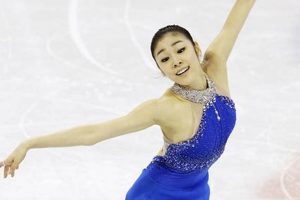
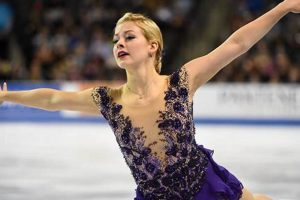
Training regimens designed to enhance the physical capabilities of individuals engaged in the discipline of figure skating are multifaceted. These regimens often incorporate elements of strength conditioning, flexibility enhancement, and cardiovascular endurance training tailored to the demands of the sport. For example, exercises focusing on core stability, lower body power, and upper body strength are commonly included to support jumps, spins, and other technical elements.
Structured physical preparation is vital for optimizing on-ice performance, minimizing the risk of injuries, and prolonging an athlete’s competitive career. Historical precedent indicates a growing recognition of the value of targeted physical training, moving beyond solely on-ice practice to encompass a more holistic approach to athletic development. This integration has led to advancements in skill execution, injury prevention strategies, and overall athleticism within the sport.
The subsequent sections will delve into specific exercises, training methodologies, and nutritional considerations that contribute to a well-rounded physical program for figure skaters, providing a detailed understanding of the components necessary for success in this demanding athletic pursuit. These components include both on-ice and off-ice activities.
Essential Considerations for Enhanced Physical Preparation
The following recommendations are presented to optimize the efficacy and safety of training protocols designed to improve figure skating performance. Adherence to these guidelines can contribute to enhanced athletic capability and reduced risk of injury.
Tip 1: Prioritize Core Stability. A robust core musculature is fundamental for maintaining balance and control during complex rotational movements. Exercises such as planks, Russian twists, and Pilates-based routines are highly recommended to strengthen the abdominal and back muscles.
Tip 2: Emphasize Lower Body Power. Explosive leg strength is crucial for executing jumps and generating speed on the ice. Incorporate plyometric exercises like box jumps, squat jumps, and lunge jumps to develop the necessary power output.
Tip 3: Incorporate Flexibility Training. A comprehensive stretching routine is essential for maintaining range of motion and preventing muscle strains. Static stretching, held for at least 30 seconds per muscle group, should be performed after each training session. Dynamic stretching, such as leg swings and arm circles, can be included as part of the warm-up.
Tip 4: Optimize Cardiovascular Endurance. Sustained aerobic activity is vital for maintaining energy levels throughout a program. Interval training, consisting of short bursts of high-intensity exercise followed by periods of rest, can effectively improve cardiovascular fitness.
Tip 5: Implement Progressive Overload. Gradually increase the intensity, duration, or frequency of training sessions to stimulate continued adaptation and improvement. This principle ensures that the body is consistently challenged, leading to enhanced physical capabilities.
Tip 6: Focus on Proprioceptive Training. Enhance body awareness and balance through exercises performed on unstable surfaces, such as balance boards or BOSU balls. This type of training can improve coordination and reduce the risk of falls.
Tip 7: Consider Off-Ice Simulation. Utilize off-ice training techniques that mimic on-ice movements to reinforce proper technique and muscle memory. Examples include harness work for jump landings and spinning simulations.
These recommendations, when integrated into a structured training program, contribute significantly to improved athletic performance, injury prevention, and overall well-being for individuals engaged in figure skating. Adherence to these principles can facilitate the attainment of athletic goals and enhance the longevity of a skater’s career.
The following sections will further expand upon these foundational principles, providing a more in-depth exploration of advanced training methodologies and strategies relevant to figure skating.
1. Strength and Power

The development of strength and power constitutes a critical component of physical preparation for figure skating. The ability to generate force rapidly is essential for executing jumps, spins, and other technical elements with precision and control. Therefore, a targeted approach to strength and power training is indispensable for optimizing on-ice performance.
- Lower Body Power Generation
Lower body strength is fundamental for generating the vertical displacement required for jumps. Exercises such as squats, lunges, and plyometric drills like box jumps and depth jumps directly contribute to enhancing jump height and distance. The force generated during the takeoff phase of a jump is directly proportional to the strength and power of the leg muscles.
- Core Strength and Stability
A strong core musculature is essential for maintaining stability and control during rotations and landings. Core exercises, including planks, Russian twists, and medicine ball throws, improve the ability to stabilize the spine and transfer force efficiently throughout the body. Inadequate core strength can lead to compromised technique and increased risk of injury.
- Upper Body Strength for Rotational Control
While figure skating is predominantly a lower body sport, upper body strength plays a crucial role in maintaining balance and controlling rotational movements. Exercises such as pull-ups, rows, and dumbbell presses contribute to upper body strength, which aids in controlling arm positions during spins and jump landings. Proper upper body control can significantly impact the stability and aesthetic quality of on-ice performance.
- Rate of Force Development (RFD)
RFD refers to the speed at which force can be generated. Exercises designed to improve RFD, such as ballistic movements and Olympic weightlifting derivatives, are essential for maximizing jump height and minimizing the time spent on the ice during takeoffs. A higher RFD allows skaters to generate the necessary force more quickly, resulting in more powerful and efficient movements.
The integration of these strength and power components into a comprehensive training program is essential for optimizing performance and minimizing injury risk in figure skating. A balanced approach that addresses both strength and power development, while considering individual needs and goals, is crucial for maximizing athletic potential. Effective implementation of these training modalities directly translates to improved on-ice execution and competitive success.
2. Flexibility Enhancement
Flexibility enhancement is a critical component of any structured physical preparation program for figure skaters. A comprehensive approach to improving range of motion is essential for optimizing on-ice performance and mitigating the risk of injury. The following details the facets of flexibility development within the context of a figure skating regimen.
- Increased Range of Motion in Key Joints
Figure skating demands extreme ranges of motion in joints such as the hips, ankles, and shoulders. Flexibility enhancement exercises, including static and dynamic stretching, aim to increase the range of motion in these key joints. Examples include sustained hamstring stretches to facilitate split jumps and shoulder rotations to improve spin positions. Inadequate range of motion can limit technical execution and increase the susceptibility to strains and tears.
- Improved Muscle Elasticity
Enhanced muscle elasticity allows for greater power output and efficient movement. Stretching exercises, when performed consistently, improve the elasticity of muscle fibers, enabling them to stretch and contract more effectively. This is particularly important for executing explosive movements like jumps. Improved muscle elasticity contributes to reduced muscle stiffness and enhanced performance during strenuous skating routines.
- Injury Prevention
Flexibility enhancement plays a pivotal role in preventing injuries commonly associated with figure skating. Adequate flexibility reduces the risk of muscle strains, ligament sprains, and joint impingements. Stretching routines target muscles frequently subjected to high stress, such as the hamstrings, quadriceps, and hip flexors. By increasing tissue compliance, flexibility training minimizes the likelihood of injury during demanding on-ice maneuvers.
- Enhanced Posture and Alignment
Flexibility enhancement promotes improved posture and alignment, which is crucial for maintaining balance and control on the ice. Stretching exercises address muscle imbalances that can lead to poor posture and compromised biomechanics. By optimizing postural alignment, skaters can improve their stability, reduce energy expenditure, and enhance the aesthetic quality of their performance.
The aspects of flexibility enhancement outlined above are integral to a successful training regimen for figure skaters. Prioritizing flexibility development contributes not only to improved athletic performance but also to the long-term health and well-being of the skater. This holistic approach ensures a reduced risk of injury and the ability to execute challenging maneuvers with greater ease and precision. Further investigation into supplementary training techniques can further elevate the impact of flexibility routines.
3. Endurance Development

Endurance development within a figure skating training regimen is inextricably linked to an athlete’s capacity to sustain high levels of performance throughout a routine or competition. A direct correlation exists between the level of cardiovascular and muscular endurance and the ability to execute complex technical elements with precision and consistency, particularly in the latter stages of a program. Insufficient endurance leads to diminished jump height, reduced spin speed, and decreased overall artistic expression. As an example, a skater unable to maintain aerobic capacity may experience a progressive decline in jump consistency from the start to the finish of a four-minute program, directly impacting their score and competitive standing.
Effective endurance development typically involves a combination of on-ice and off-ice training modalities. On-ice sessions focused on program simulations and repetitive drills build sport-specific stamina. Off-ice activities such as interval running, cycling, and swimming contribute to overall cardiovascular fitness, providing a foundation for on-ice endurance. The selection of specific training protocols should consider the demands of different skating disciplines. For instance, ice dancers require a greater emphasis on aerobic endurance to support prolonged periods of continuous movement, while singles skaters may benefit from more intense, anaerobic-focused training to enhance jump power and recovery.
In summary, endurance development is a critical determinant of success in figure skating, influencing both technical execution and artistic performance. A well-structured training program integrates on-ice and off-ice activities to enhance both aerobic and anaerobic capabilities, preparing athletes to meet the physical demands of the sport. Understanding the specific endurance requirements of different skating disciplines allows for the development of tailored training plans that maximize performance potential and minimize the risk of fatigue-related errors. This integrated approach ensures that skaters possess the necessary stamina to perform consistently at their peak throughout demanding routines and competitions.
4. Balance and Coordination

Balance and coordination are foundational neuromuscular skills that profoundly influence a figure skater’s proficiency and injury resilience. A figure skate workout must incorporate exercises that specifically target these skills to maximize athletic potential and ensure consistent performance across all skating disciplines.
- Proprioceptive Enhancement
Proprioception, the body’s awareness of its position in space, is paramount for maintaining equilibrium during complex maneuvers. Exercises on unstable surfaces, such as wobble boards or BOSU balls, challenge the proprioceptive system, improving the skater’s ability to make subtle adjustments and maintain balance during spins, jumps, and intricate footwork. In practical terms, consistent proprioceptive training enables a skater to recover more efficiently from slightly off-center landings, reducing the risk of falls and maintaining fluidity in their performance.
- Vestibular System Integration
The vestibular system, located in the inner ear, plays a vital role in detecting changes in head position and maintaining balance. Activities that involve controlled head movements and rotations, such as targeted spinning drills and visual tracking exercises, can enhance the integration of vestibular information with visual and proprioceptive inputs. This integration is particularly crucial during rapid rotations, allowing skaters to maintain spatial orientation and minimize dizziness, ultimately contributing to more stable and controlled spins.
- Neuromuscular Synchronization
Effective coordination involves the precise synchronization of muscle activation patterns. Drills that require skaters to perform complex sequences of movements, such as agility ladder exercises and multi-planar plyometrics, promote neuromuscular synchronization. These activities improve the timing and coordination of muscle contractions, enabling skaters to execute intricate footwork sequences with greater precision and efficiency. Improved neuromuscular synchronization translates to smoother transitions, more controlled landings, and enhanced overall skating artistry.
- Core Stability and Balance Integration
A strong and stable core is fundamental for maintaining balance and coordinating movements throughout the body. Core strengthening exercises, such as planks, Pilates routines, and rotational exercises with resistance, improve the skater’s ability to control their center of gravity and maintain stability during dynamic movements. Integrating core stability with balance exercises ensures that skaters can effectively transfer force through their bodies and maintain equilibrium, even when subjected to external forces or sudden changes in direction.
The facets of balance and coordination outlined above are essential components of a comprehensive figure skate workout. By specifically targeting these neuromuscular skills, training programs can enhance a skater’s performance capabilities, improve injury resistance, and contribute to a more fluid, expressive, and technically proficient skating style. A holistic approach that integrates these elements is crucial for realizing an athlete’s full potential in the demanding discipline of figure skating.
5. Injury Prevention

The incorporation of injury prevention strategies within a comprehensive figure skate workout is paramount for ensuring athlete longevity and consistent performance. The demanding nature of figure skating, characterized by high-impact landings, repetitive stress, and extreme ranges of motion, predisposes skaters to a range of injuries. A proactive approach to injury prevention is therefore essential to mitigate these risks.
- Strength Imbalance Correction
Strength imbalances between opposing muscle groups can contribute to injury by altering joint mechanics and increasing stress on specific tissues. A well-designed figure skate workout incorporates exercises that address these imbalances, strengthening weaker muscles and improving overall symmetry. For example, if a skater exhibits quadriceps dominance, exercises targeting the hamstrings and gluteal muscles are included to restore balance and reduce the risk of knee injuries. This targeted approach ensures that all muscle groups contribute effectively to movement, minimizing the strain on individual structures.
- Proper Warm-up and Cool-down Procedures
Adequate warm-up and cool-down protocols are integral to preparing the body for and recovering from strenuous activity. A comprehensive warm-up increases blood flow to the muscles, improves joint lubrication, and enhances neuromuscular activation. A cool-down promotes the removal of metabolic waste products, reduces muscle soreness, and facilitates tissue repair. The inclusion of dynamic stretching during the warm-up and static stretching during the cool-down further enhances flexibility and reduces the risk of muscle strains. Failure to adhere to proper warm-up and cool-down procedures significantly increases the likelihood of acute and overuse injuries.
- Technique Refinement and Biomechanical Analysis
Improper technique and biomechanical flaws can place excessive stress on specific joints and tissues, increasing the risk of injury. A figure skate workout often includes technique refinement drills and biomechanical analysis to identify and correct movement patterns that may contribute to injury. For example, analysis of jump landings can reveal faulty alignment or insufficient shock absorption, allowing coaches and trainers to implement corrective exercises and modifications. Addressing these biomechanical issues reduces the strain on vulnerable structures and promotes more efficient and safer movement patterns.
- Progressive Overload and Training Volume Management
Gradual and progressive increases in training intensity and volume are essential for promoting adaptation and minimizing the risk of overuse injuries. Sudden increases in training load can overwhelm the body’s ability to recover, leading to stress fractures, tendinopathies, and other overuse conditions. A figure skate workout should incorporate a carefully planned progression of exercises and training volume, allowing the body to adapt gradually to increasing demands. Monitoring athlete fatigue levels and adjusting training parameters accordingly is crucial for preventing overtraining and reducing the risk of injury.
The integration of these facets of injury prevention into a figure skate workout represents a holistic approach to athlete health and performance. By addressing strength imbalances, implementing proper warm-up and cool-down procedures, refining technique, and managing training volume, skaters can significantly reduce their risk of injury and sustain consistent performance throughout their careers. This proactive approach ensures that athletes are able to train and compete at their highest level while minimizing the potential for debilitating injuries.
Frequently Asked Questions
The following questions and answers address common inquiries regarding the role and implementation of structured physical training within a figure skating context. The information provided aims to clarify prevalent misconceptions and offer evidence-based insights.
Question 1: What constitutes a comprehensive physical program for figure skaters?
A comprehensive physical program integrates strength and power training, flexibility enhancement, endurance development, balance and coordination drills, and injury prevention strategies. The program must be tailored to the individual skater’s needs, skill level, and skating discipline.
Question 2: How does off-ice training translate to improved on-ice performance?
Off-ice training complements on-ice practice by enhancing physical attributes that directly impact skating skills. Strength training increases jump height and landing stability, while flexibility exercises improve range of motion and reduce the risk of injury. Cardiovascular training enhances endurance, allowing skaters to maintain performance quality throughout their routines.
Question 3: What is the optimal frequency and duration of physical training sessions?
The frequency and duration of physical training sessions depend on the skater’s age, training history, and competitive schedule. Generally, 3-5 sessions per week, lasting 60-90 minutes, are recommended. Adequate rest and recovery periods must be incorporated to prevent overtraining.
Question 4: What are the most common injuries associated with figure skating, and how can they be prevented?
Common injuries include ankle sprains, knee injuries (e.g., meniscus tears, patellar tendinitis), and back pain. Prevention strategies include strength training to stabilize joints, flexibility exercises to improve range of motion, proper warm-up and cool-down procedures, and technique refinement to minimize stress on vulnerable structures.
Question 5: What role does nutrition play in supporting physical training for figure skaters?
Adequate nutrition is essential for fueling training sessions, supporting muscle recovery, and maintaining overall health. A balanced diet that includes sufficient carbohydrates, protein, and healthy fats is recommended. Hydration is also crucial for optimizing performance and preventing fatigue.
Question 6: Is it necessary to work with a specialized coach or trainer for physical preparation?
While not always mandatory, working with a qualified coach or trainer who understands the specific physical demands of figure skating is highly beneficial. A specialized professional can develop a tailored training program, provide expert guidance on technique and exercise selection, and monitor progress to ensure optimal results and minimize injury risk.
The insights shared above highlight the importance of an informed and systematic approach to physical training. The principles outlined serve to improve skating abilities and ensure enduring health.
The subsequent section will explore case studies of successful training interventions implemented with elite figure skaters. These case studies will provide real-world examples of how the principles discussed can be applied to enhance performance and prevent injuries.
Conclusion
This exploration has delineated the multifaceted nature of a structured physical regimen designed for figure skaters. Key components, encompassing strength, flexibility, endurance, balance, coordination, and injury prevention, collectively contribute to enhanced athletic performance and prolonged career longevity. The integration of these elements, tailored to individual needs, establishes a foundation for technical proficiency and artistic expression.
Continued adherence to the principles outlined herein represents a commitment to excellence and athlete well-being. The pursuit of optimal physical condition remains a vital undertaking, influencing the future of competitive figure skating. Strategic planning and dedication is the way to success.