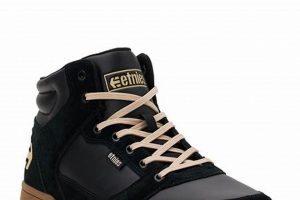
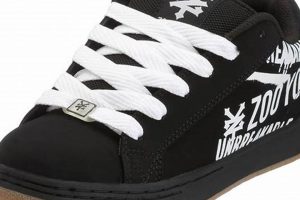
Footwear designed for skateboarding can adhere to principles of fair labor practices, environmental sustainability, and animal welfare. These shoes prioritize materials and manufacturing processes that minimize harm to the planet and its inhabitants, contrasting with conventional production methods often associated with negative social and ecological consequences. Examples include shoes made from recycled rubber, organic cotton, or vegan alternatives to leather, produced in factories with safe working conditions and fair wages.
The movement toward responsible manufacturing in the skateboarding industry reflects a growing awareness of the environmental and social impact of consumer goods. Such production models offer several benefits, including reduced pollution, conservation of natural resources, and improved livelihoods for workers. Historically, the skate shoe industry has faced criticism for its reliance on resource-intensive materials and labor practices, prompting a shift toward more sustainable and socially conscious alternatives. The rise of brands committed to these principles signals a significant change in industry norms.
The subsequent sections will delve into the specific materials utilized in these shoes, the labor standards employed during their production, and the certifications that validate their ethical claims. Furthermore, the discussion will encompass the long-term environmental implications and the overall value proposition for consumers seeking more sustainable skateboarding options.
Guidance for Informed Selection
The following provides practical advice for consumers seeking to purchase skate shoes that align with responsible production standards.
Tip 1: Material Assessment: Examine the shoe’s construction for sustainable materials. Recycled rubber outsoles, organic cotton uppers, and plant-based alternatives to leather represent more environmentally conscious choices.
Tip 2: Brand Transparency Evaluation: Research the brand’s commitment to fair labor practices. Look for publicly available information regarding factory audits, worker wages, and safety standards.
Tip 3: Certification Verification: Seek out certifications from recognized organizations. Fair Trade, GOTS (Global Organic Textile Standard), and Vegan Society certifications provide independent validation of ethical claims.
Tip 4: Manufacturing Location Scrutiny: Consider the geographical location of production facilities. Countries with stronger labor and environmental regulations may indicate a higher likelihood of responsible manufacturing.
Tip 5: Durability and Longevity Consideration: Choose well-constructed shoes designed for durability. A longer lifespan reduces the need for frequent replacements, minimizing the overall environmental impact.
Tip 6: Minimalist Design Preference: Opt for shoes with simple designs and minimal embellishments. Complex designs often require more materials and energy to produce, potentially increasing the environmental footprint.
Tip 7: End-of-Life Planning: Investigate the brand’s take-back programs or recycling initiatives. Some companies offer options for properly disposing of old shoes, reducing landfill waste.
Prioritizing these aspects facilitates purchasing decisions that support environmentally and socially responsible manufacturing practices. Selection based on these guidelines contributes to a more sustainable consumption model within the skateboarding industry.
The final section will summarize the core principles and underscore the long-term significance of adopting responsible purchasing habits.
1. Sustainable Materials Sourcing

Sustainable materials sourcing forms the bedrock of ethical skate shoe production. It involves a deliberate shift away from conventional, resource-intensive materials towards alternatives that minimize environmental impact and promote ecological responsibility within the skateboarding industry.
- Recycled Rubber Utilization
The incorporation of recycled rubber, derived from used tires and industrial scraps, significantly reduces the demand for virgin rubber production. This process mitigates deforestation associated with rubber plantations and minimizes the energy consumption required for raw material extraction and processing. Recycled rubber outsoles offer comparable performance to traditional rubber while substantially lessening the environmental footprint of each shoe.
- Organic Cotton Adoption
The adoption of organically grown cotton, cultivated without synthetic pesticides and fertilizers, protects ecosystems from harmful chemical runoff. Organic cotton farming practices also promote soil health, conserve water resources, and improve the livelihoods of farmers. Uppers constructed from organic cotton represent a significant stride towards sustainable manufacturing in skate shoe production, addressing the environmental concerns linked to conventional cotton cultivation.
- Plant-Based Leather Alternatives
The utilization of plant-based leather alternatives, derived from sources such as apple waste, pineapple leaves (Piatex), or mushroom leather (Mylo), offers a cruelty-free and environmentally conscious alternative to traditional leather. These materials reduce the reliance on animal agriculture, mitigating the environmental impacts associated with livestock farming, including greenhouse gas emissions and deforestation. Innovative plant-based alternatives provide durable and aesthetically pleasing options for skate shoe construction.
- Water-Based Adhesives and Dyes
The replacement of solvent-based adhesives and dyes with water-based alternatives reduces the emission of volatile organic compounds (VOCs), which contribute to air pollution and pose health risks to workers. Water-based formulations minimize the environmental impact associated with the manufacturing process, promoting a safer and healthier working environment. The shift towards water-based adhesives and dyes represents a critical step towards cleaner production practices in the skate shoe industry.
These facets of sustainable materials sourcing collectively contribute to a more responsible and environmentally conscious approach to skate shoe production. The integration of recycled materials, organic fibers, plant-based alternatives, and eco-friendly chemical formulations significantly reduces the environmental burden of the industry, fostering a more sustainable future for skateboarding footwear.
2. Fair Labor Standards
The concept of fair labor standards is intrinsically linked to the production of ethical skate shoes. It addresses the social dimension of sustainability, ensuring that the manufacturing processes adhere to principles of justice and respect for workers’ rights throughout the supply chain.
- Safe Working Conditions
The provision of safe and healthy working environments is a fundamental aspect of fair labor standards. This entails implementing measures to minimize workplace hazards, providing adequate ventilation, ensuring access to protective equipment, and complying with occupational safety regulations. Instances of unsafe conditions in conventional footwear factories, such as exposure to toxic chemicals and inadequate safety protocols, underscore the importance of this facet in the context of ethical skate shoe production.
- Living Wages and Benefits
Fair compensation, encompassing a living wage that covers basic needs and access to essential benefits like healthcare and social security, is a cornerstone of ethical labor practices. In many developing countries where footwear is manufactured, workers are often paid wages that fall below the poverty line. Ethical skate shoe brands prioritize paying fair wages and providing benefits that enable workers to live with dignity and security.
- Freedom of Association and Collective Bargaining
The right of workers to freely associate and collectively bargain is essential for ensuring fair treatment and equitable working conditions. This includes the right to form and join trade unions without fear of reprisal, and the ability to negotiate collectively with employers on issues such as wages, benefits, and working conditions. Ethical skate shoe companies respect these rights and actively engage with workers and unions to promote fair labor practices.
- Elimination of Child Labor and Forced Labor
The prohibition of child labor and forced labor is a non-negotiable principle of fair labor standards. Ethical skate shoe brands implement rigorous monitoring and auditing systems to ensure that their supply chains are free from these exploitative practices. This involves conducting regular inspections of factories, verifying the age of workers, and implementing measures to prevent forced or bonded labor.
The implementation of fair labor standards in the production of ethical skate shoes contributes to a more just and equitable global economy. By prioritizing the well-being and rights of workers, brands can ensure that their products are not only environmentally sustainable but also socially responsible.
3. Reduced environmental impact

The principle of minimizing ecological harm is integral to the ethos of responsible skateboarding footwear. This dedication manifests through deliberate choices across the product lifecycle, from raw material procurement to end-of-life disposal, with the aim of mitigating the detrimental consequences associated with conventional manufacturing.
- Lower Carbon Footprint via Transportation Optimization
The relocation of manufacturing to regions closer to consumer markets and the utilization of more fuel-efficient transport methods diminishes the carbon emissions associated with shipping. Conventional skate shoe production often involves extensive global supply chains, resulting in substantial carbon dioxide output from long-distance transportation. Companies committed to responsible practices actively seek to shorten supply routes and employ modes of transport with reduced emissions, thereby minimizing their contribution to climate change. For instance, utilizing sea freight instead of air freight can significantly lower the carbon footprint of each shipment.
- Minimization of Water Usage in Production
Textile dyeing and tanning processes are water-intensive and can result in significant water pollution. Ethical skate shoe manufacturers employ techniques such as waterless dyeing, closed-loop water recycling systems, and the use of natural dyes to reduce water consumption and prevent the discharge of harmful chemicals into waterways. These methods demonstrably lower the demand on freshwater resources and minimize the ecological damage caused by contaminated wastewater.
- Waste Reduction Through Circular Economy Practices
The implementation of circular economy principles, such as product take-back programs and the utilization of recycled materials, helps to minimize waste generation and promote resource efficiency. Conventional skate shoe production often follows a linear “take-make-dispose” model, leading to significant waste accumulation. By designing shoes for disassembly, offering repair services, and utilizing recycled components, ethical brands strive to create a closed-loop system that minimizes waste and maximizes the value of materials over time. An example includes brands that accept used shoes for recycling into new products or other applications.
- Biodegradable and Compostable Components
The incorporation of biodegradable and compostable materials, such as natural rubber and plant-based textiles, enables the safe return of shoe components to the environment at the end of their useful life. Traditional skate shoes often contain synthetic materials that persist in landfills for centuries. By utilizing biodegradable and compostable alternatives, ethical brands facilitate the natural decomposition of shoe components, reducing landfill waste and promoting the regeneration of soil resources.
Collectively, these facets underscore the commitment to curtailing environmental impact within the realm of skateboarding footwear. By prioritizing resource efficiency, pollution prevention, and circularity, ethical brands endeavor to lessen their ecological footprint and foster a more sustainable future for the industry.
4. Transparent Supply Chains

Transparency in the supply chain represents a critical element in ensuring the ethical production of skateboarding footwear. It allows for verification of claims regarding fair labor practices, environmental sustainability, and product integrity, fostering accountability and responsible sourcing.
- Traceability of Materials
The ability to trace the origin of raw materials, such as cotton, rubber, and leather alternatives, is fundamental to a transparent supply chain. This involves tracking materials from their source through each stage of processing and manufacturing. For example, knowing the specific farm where cotton is grown allows for verification of organic certification and fair labor practices. Lack of traceability hinders the ability to ensure ethical sourcing and may conceal unsustainable or exploitative practices.
- Factory Disclosure and Auditing
Transparency necessitates the disclosure of factory locations and independent audit reports. This enables external verification of working conditions, wages, and safety standards. Reputable ethical skate shoe brands readily provide information regarding their manufacturing partners and make audit results publicly available. This allows consumers and advocacy groups to assess compliance with established labor standards and identify potential areas of concern.
- Certification Verification
Independent certifications, such as Fair Trade, GOTS (Global Organic Textile Standard), and Vegan Society, play a vital role in validating ethical claims. Transparency requires readily accessible information regarding these certifications, including certification numbers and the scope of certification. Consumers can then verify the validity of these claims with the certifying organizations. Absence of verifiable certification undermines trust and may indicate unsubstantiated claims.
- Communication with Stakeholders
Open communication with stakeholders, including workers, consumers, and non-governmental organizations, is crucial for fostering trust and accountability. Ethical skate shoe brands actively engage with these stakeholders, soliciting feedback and addressing concerns. This may involve publishing regular reports on sustainability initiatives, participating in industry forums, and responding to consumer inquiries. A lack of communication signals a potential lack of commitment to transparency and ethical practices.
These elements of transparent supply chains are essential for ensuring the ethical production of skateboarding footwear. They allow for verification of claims, promote accountability, and empower consumers to make informed purchasing decisions that support responsible manufacturing practices.
5. Vegan alternatives available
The availability of vegan alternatives within the skateboarding footwear industry represents a significant advancement in ethical manufacturing. The complete absence of animal-derived materials aligns with the core tenets of animal welfare, offering a tangible option for consumers seeking to minimize their contribution to animal exploitation. This development is not merely a trend but a reflection of growing consumer awareness and demand for products that align with ethical values.
- Elimination of Leather Usage
The substitution of leather, traditionally a prominent material in skate shoe construction, with plant-based or synthetic alternatives avoids the ethical concerns associated with animal agriculture, including inhumane treatment of animals and the environmental impact of leather production. Alternatives such as polyurethane (PU) leather, recycled polyethylene terephthalate (rPET), or innovative materials derived from pineapple leaves (Piatex) or mushrooms (Mylo) offer comparable durability and performance characteristics while eliminating reliance on animal products. These alternatives are not always without their own environmental considerations, necessitating careful material selection based on a comprehensive lifecycle assessment.
- Adhesive Composition
Conventional shoe adhesives often contain animal-derived components, such as casein (derived from milk) or bone glue. Vegan-friendly skate shoes utilize synthetic or plant-based adhesives, ensuring that no animal products are incorporated into any aspect of the shoe’s construction. Verification of adhesive composition requires detailed supply chain transparency and rigorous ingredient scrutiny, highlighting the importance of certifications and brand commitment to vegan principles.
- Dye and Treatment Processes
Some dyes and treatment processes used in conventional shoe manufacturing may involve animal-derived ingredients or testing on animals. Ethical vegan skate shoe production employs dyes and treatments that are certified vegan and cruelty-free, ensuring that no animals are harmed during the manufacturing process. This often involves selecting dyes derived from plant-based sources or utilizing synthetic alternatives that have not been tested on animals.
- Reinforcement and Structural Components
Certain reinforcement materials, such as beeswax used for waterproofing or animal-derived glues used for bonding, can compromise the vegan status of a skate shoe. Vegan alternatives include synthetic waxes, plant-based glues, and innovative bio-based materials that provide comparable structural support without relying on animal products. Careful attention to these seemingly minor components is crucial for ensuring that the entire shoe adheres to vegan principles.
The incorporation of verified vegan alternatives in skate shoe production extends beyond mere material substitution. It requires a holistic approach that encompasses all aspects of the supply chain, from raw material sourcing to manufacturing processes, and demands a firm commitment from brands to uphold ethical and sustainable practices. The availability of these alternatives empowers consumers to make informed choices that align with their values, contributing to a more ethical and environmentally responsible skateboarding industry.
6. Durable construction quality

The correlation between durable construction quality and skateboarding footwear aligning with ethical production standards is substantive. Longevity in a product directly impacts sustainability metrics. Inferior construction necessitates frequent replacement, escalating resource consumption, energy expenditure, and waste generation. Conversely, superior durability extends the lifespan of the shoe, reducing the demand for new production cycles and mitigating environmental impact. This represents a fundamental principle underlying the relationship between product quality and ecological responsibility.
Durable construction quality in footwear transcends mere material selection; it encompasses design principles and manufacturing techniques. Reinforced stitching, robust sole adhesion, and strategically placed protective elements contribute to a shoe’s ability to withstand the rigorous demands of skateboarding. Ethical brands often prioritize these construction aspects, recognizing that a longer-lasting product minimizes its environmental footprint. Furthermore, durable shoes offer economic benefits to consumers, reducing the long-term cost associated with frequent replacements. For example, a shoe designed with multiple layers of reinforcement in high-abrasion areas, coupled with high-quality adhesives resistant to delamination, demonstrates a commitment to extended product lifespan. These design choices are indicative of a holistic approach to ethical production.
The challenges associated with achieving durable construction within an ethical framework include balancing material sustainability with performance requirements and cost considerations. Sustainable materials may exhibit different durability characteristics compared to conventional alternatives, requiring innovative design and manufacturing approaches. Despite these challenges, the connection between durable construction and ethical production remains critical. By prioritizing longevity, manufacturers contribute to a more sustainable consumption model within the skateboarding industry, lessening the environmental burden associated with disposable consumerism. The commitment to durable construction quality should, therefore, be considered a core component of the ethical skate shoe paradigm.
7. Waste minimization strategies

Waste minimization strategies are intrinsic to the concept of ethical skateboarding footwear, directly influencing the environmental impact associated with their production and disposal. A core tenet of ethical manufacturing involves reducing waste generation throughout the product lifecycle, from raw material extraction to end-of-life management. This commitment manifests in several practical ways, including the implementation of closed-loop systems, the adoption of efficient manufacturing processes, and the design of products for disassembly and recycling. For instance, a company might utilize scrap materials from the cutting room floor to create smaller components, effectively minimizing material waste. The importance of these strategies stems from their ability to conserve resources, reduce pollution, and minimize landfill burden.
Further waste reduction is realized through efficient design and manufacturing techniques. Employing precision cutting methods reduces material waste, and optimizing the shoe’s construction minimizes the number of individual components required. Several companies have begun utilizing 3D printing technology to create customized midsoles, thereby minimizing material waste and allowing for on-demand production. This approach can significantly reduce the amount of discarded material associated with conventional injection molding processes. Additionally, some brands are implementing take-back programs, allowing consumers to return used shoes for recycling or repurposing, effectively diverting waste from landfills and enabling the recovery of valuable materials.
In summary, waste minimization strategies are indispensable components of ethical skateboarding footwear production. By adopting closed-loop systems, implementing efficient manufacturing processes, and designing products for end-of-life management, the industry can significantly reduce its environmental footprint. While challenges remain in scaling these strategies and ensuring their economic viability, the long-term benefits for both the environment and the industry are substantial. The continued development and implementation of effective waste minimization strategies are essential for realizing a truly sustainable model for skateboarding footwear.
Frequently Asked Questions
The following addresses common inquiries regarding skateboarding footwear produced with ethical and sustainable principles.
Question 1: What constitutes an “ethical” skate shoe?
An ethical skate shoe is defined as footwear designed for skateboarding manufactured with adherence to fair labor practices, environmental sustainability, and animal welfare standards. This encompasses the use of sustainable materials, safe working conditions, fair wages, and the avoidance of animal-derived products.
Question 2: How can one verify the ethical claims of a skate shoe brand?
Verification involves examining certifications from recognized organizations such as Fair Trade, GOTS (Global Organic Textile Standard), or the Vegan Society. Further validation can be achieved by researching the brand’s transparency regarding factory locations, audit reports, and supply chain practices.
Question 3: Are “ethical” skate shoes less durable than conventional options?
Not necessarily. The durability of a skate shoe is primarily determined by the quality of materials and construction techniques employed. Ethical brands often prioritize durability to minimize the need for frequent replacements, a key aspect of sustainability. However, material choices may differ, requiring careful consideration of specific performance characteristics.
Question 4: What are the common sustainable materials used in “ethical” skate shoe production?
Common sustainable materials include recycled rubber, organic cotton, plant-based leather alternatives (e.g., Piatex, Mylo), and water-based adhesives. The selection of specific materials depends on the brand’s commitment to environmental sustainability and the performance requirements of the shoe.
Question 5: Is it more expensive to purchase “ethical” skate shoes?
Ethical skate shoes may, in some cases, be priced higher than conventional options due to the increased costs associated with sustainable materials, fair labor practices, and certification processes. However, the long-term benefits, including reduced environmental impact and support for ethical labor, may offset the initial price difference.
Question 6: What happens to “ethical” skate shoes at the end of their lifespan?
Some ethical skate shoe brands offer take-back programs or recycling initiatives to properly dispose of or repurpose used shoes. These programs aim to divert waste from landfills and recover valuable materials, promoting a circular economy model. Consumers should investigate the availability of such programs when making purchasing decisions.
In conclusion, the pursuit of skateboarding footwear aligning with ethical standards necessitates careful consideration of materials, manufacturing processes, and brand transparency. The long-term benefits of supporting responsible production practices outweigh the potential short-term costs.
The subsequent discussion explores future trends and innovations within the ethical skate shoe industry.
Ethical Skate Shoes
This exploration has underscored the critical facets of skateboarding footwear produced with ethical considerations. From sustainable material sourcing and fair labor practices to waste minimization strategies and supply chain transparency, each element contributes to a more responsible manufacturing paradigm. The transition towards this paradigm requires a concerted effort from manufacturers, consumers, and regulatory bodies. The benefits of this transition include reduced environmental impact, improved worker welfare, and increased consumer confidence.
The future trajectory of the skateboarding footwear industry necessitates a continued commitment to innovation, transparency, and accountability. Embracing ethical practices is no longer a niche market trend but a fundamental imperative. The choices made today will shape the environmental and social landscape for generations to come. Therefore, a sustained focus on ethical skate shoes represents a commitment to a more sustainable and equitable future for the industry and the planet.