Ice skates, specialized footwear designed for gliding across ice surfaces, exhibit considerable variation based on intended use. These variations encompass blade design, boot construction, and overall support, each optimized for specific skating disciplines. For example, figure skates feature a toothed blade for jumps and spins, while hockey skates offer enhanced ankle support and maneuverability. Speed skates, characterized by long, straight blades, maximize efficiency for racing.
The diverse array of ice skate designs facilitates participation in a wide range of winter sports and recreational activities. Selecting the appropriate skate type enhances performance, reduces the risk of injury, and contributes to an enjoyable skating experience. The evolution of skate design reflects ongoing efforts to improve performance characteristics and meet the specialized needs of different skating styles. Historically, skates have transitioned from simple bone blades to sophisticated composite constructions incorporating advanced materials.
The following sections will detail specific attributes of several categories, including their construction, typical applications, and suitability for varying skill levels. The information presented aims to equip readers with the knowledge necessary to make informed decisions when selecting appropriate equipment.
Guidance on Ice Skate Selection
Selecting the appropriate equipment is paramount for safety and optimal performance. The following tips provide guidance for choosing skates that align with skating style, skill level, and intended use.
Tip 1: Identify the Primary Skating Discipline: Prior to purchase, determine the intended skating activity. Figure skating requires specific blade characteristics, while hockey necessitates ankle support and maneuverability. Recreational skating allows for a broader range of options, focusing on comfort and ease of use.
Tip 2: Prioritize Proper Fit: Skates should fit snugly without causing discomfort or restricting circulation. Ensure adequate toe room and heel lock to prevent slippage. Consult sizing charts specific to the manufacturer, as sizes may vary.
Tip 3: Assess Ankle Support: Adequate ankle support is crucial for stability and injury prevention, particularly for beginners. Higher, stiffer boots provide greater support, while lower, more flexible boots offer increased range of motion for experienced skaters.
Tip 4: Consider Blade Quality: Blade material and construction significantly impact performance. Higher-quality blades, often made of carbon steel, maintain their edge longer and provide superior glide. Examine the blade for any signs of damage or defects before purchase.
Tip 5: Evaluate Boot Construction: The boot’s material affects comfort, durability, and support. Leather boots mold to the foot over time, offering a customized fit. Synthetic materials provide water resistance and require less maintenance.
Tip 6: Seek Professional Advice: Consult with experienced skate technicians or instructors for personalized recommendations. They can assess foot shape, skating style, and skill level to suggest appropriate models and ensure a proper fit.
Tip 7: Factor in Maintenance Requirements: Regular sharpening is essential for maintaining blade performance. Different skate types may require specific maintenance procedures. Understand the necessary care involved before committing to a particular model.
By carefully considering these factors, individuals can select footwear that optimizes their skating experience and minimizes the risk of injury. Prioritizing fit, support, and blade quality ensures both comfort and performance on the ice.
The subsequent sections will delve deeper into the specific characteristics of individual equipment categories, further informing the selection process.
1. Blade Curvature

Blade curvature, also referred to as the rocker, constitutes a critical design element that differentiates equipment intended for diverse skating disciplines. The radius of the blade’s arc directly impacts maneuverability, speed, and stability. Greater curvature, indicative of a shorter radius, enhances agility by reducing the contact area with the ice. Conversely, reduced curvature, associated with a longer radius, maximizes contact, promoting stability and speed. The selection of appropriate curvature is paramount to optimizing performance within specific applications.
Examples of this principle are readily apparent across skate types. Figure skating equipment features a pronounced rocker to facilitate intricate footwork, spins, and jumps. The shorter radius enables rapid changes in direction and controlled landings. In contrast, speed skates possess a minimal rocker, optimizing glide efficiency for straight-line velocity. Hockey skates exhibit a mid-range rocker, balancing agility and stability to support dynamic movements and quick turns characteristic of the sport. Therefore, blade curvature is not an arbitrary feature but rather a carefully engineered attribute tailored to specific athletic demands. Blade curvature can also change depending on skate size, weight and height of user to consider.
Understanding the relationship between blade curvature and intended use is essential for skaters seeking to improve performance and prevent injuries. Improper curvature selection can hinder maneuverability, reduce speed, or compromise stability, potentially leading to falls or inefficient skating. Consequently, skaters should consult with qualified professionals to determine the optimal blade profile for their individual needs and skating style. The deliberate manipulation of rocker represents a fundamental aspect of skate design, influencing overall performance characteristics.
2. Ankle Support Height

Ankle support height is a critical design parameter influencing the stability, control, and range of motion afforded by distinct skate types. The height of the boot extending above the ankle joint directly corresponds to the degree of lateral support provided. Variations in ankle support height reflect the specific demands of different skating disciplines, optimizing performance while mitigating the risk of injury.
- Rigid Ankle Support: Hockey Skates
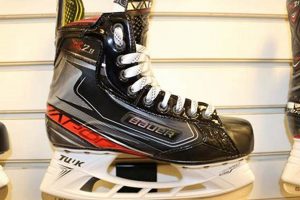
Hockey skates exemplify rigid ankle support designs. The high, stiff boot construction restricts lateral movement, enhancing stability and preventing ankle roll during aggressive maneuvers, rapid turns, and abrupt stops. This design prioritizes protection and responsiveness necessary for the dynamic nature of the sport.
- Moderate Ankle Support: Figure Skates
Figure skates offer a moderate level of ankle support, balancing stability with the flexibility required for jumps, spins, and intricate footwork. The boot height provides sufficient support for landings while allowing for the necessary range of motion for artistic expression. The specific stiffness varies depending on the skater’s skill level and the type of elements being performed.
- Minimal Ankle Support: Speed Skates
Speed skates feature a low-cut boot design that provides minimal ankle support. This configuration maximizes range of motion, allowing for greater power transfer and efficient strides during long-distance skating. The reduced support necessitates significant ankle strength and stability from the skater.
- Adjustable Ankle Support: Recreational Skates
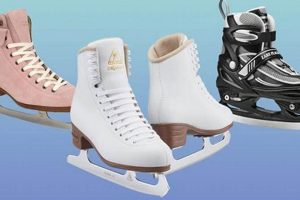
Recreational skates often incorporate adjustable ankle support features to cater to a range of skill levels and preferences. This may involve adjustable straps or removable inserts that allow users to customize the level of support provided. The adjustability allows for greater comfort and adaptability for users new to skating.
In summary, ankle support height is a key differentiator between various skate types, reflecting the trade-off between stability, mobility, and protection inherent in each discipline. The selection of appropriate ankle support should align with the skater’s skill level, skating style, and the demands of the intended activity, contributing to both enhanced performance and reduced risk of injury.
3. Boot Material Composition

The selection of materials for the boot construction is a significant determinant of performance, comfort, and durability across the spectrum of ice skate categories. The composite material significantly impacts energy transfer, support, and overall user experience. Understanding material properties is, therefore, crucial when evaluating footwear intended for diverse skating activities.
- Leather Boots
Traditionally, leather formed the primary material for skate boots. Leather offers a degree of moldability, conforming to the wearer’s foot over time for a customized fit. However, leather’s susceptibility to moisture absorption presents a drawback, potentially leading to degradation and reduced support. Figure skates often incorporate leather in their construction due to the material’s capacity to provide both support and flexibility. Synthetic liners are often added to increase comfort and durability.
- Synthetic Materials (e.g., Nylon, Thermoplastic Polyurethane)
Modern skate design increasingly incorporates synthetic materials. Nylon and thermoplastic polyurethane (TPU) offer enhanced water resistance, durability, and structural integrity compared to leather. These materials can be engineered to specific stiffness levels, providing targeted support in critical areas of the boot. Hockey skates frequently utilize synthetic materials to withstand the high impacts and rigorous demands of the sport.
- Composite Materials (e.g., Carbon Fiber)
High-performance skate designs often feature composite materials such as carbon fiber. Carbon fiber offers an exceptional strength-to-weight ratio, maximizing energy transfer and responsiveness. This material is commonly found in speed skates and high-end hockey skates, where efficient power delivery is paramount. The use of carbon fiber allows for a lighter and more rigid boot, enhancing overall performance.
- Padding and Liners (e.g., Foam, Gel)
Regardless of the primary boot material, internal padding and liners play a crucial role in comfort and fit. Foam and gel padding conform to the foot, providing cushioning and reducing pressure points. Moisture-wicking liners enhance breathability, preventing excessive perspiration and maintaining a comfortable internal environment. The selection of padding and liner materials contributes significantly to the overall user experience, particularly during extended skating sessions. Recreational skates often emphasize comfort through generous padding and supportive liners.
In conclusion, the materials employed in boot construction represent a crucial factor differentiating skate types and influencing their suitability for various skating disciplines. The interplay between traditional and modern materials enables designers to optimize performance characteristics, comfort, and durability, catering to the specific needs of skaters across a wide range of skill levels and skating styles. Material selection remains a central consideration in the development and refinement of ice skate technology.
4. Blade Material Hardness

Blade material hardness, measured typically using the Rockwell scale, significantly influences the performance and maintenance requirements of various ice skate types. Hardness directly impacts edge retention, resistance to wear, and the overall skating experience. Variations in material hardness are deliberately incorporated into diverse skate designs to address specific needs and constraints. Softer steel allows for easier sharpening but requires more frequent attention to maintain a clean edge. Conversely, harder steel retains its edge longer but demands specialized sharpening techniques. The balance between ease of maintenance and edge retention dictates material choice in specific skate designs.
For instance, figure skates often employ blades with a moderate hardness. This facilitates the formation of sharp edges necessary for precise turns and intricate footwork, while still allowing for relatively straightforward sharpening procedures. Hockey skates, subjected to high-impact forces and frequent contact with the ice and other players’ equipment, benefit from harder steel blades that resist deformation and maintain their edge for extended periods. Speed skates, prioritizing minimal friction and maximum glide efficiency, typically utilize the hardest steel alloys to minimize edge wear and maintain a smooth, consistent surface contact with the ice. The choice of blade material hardness is inextricably linked to the skating style and the level of stress encountered during use.
In summary, blade material hardness represents a critical performance parameter that distinguishes ice skate types. Selecting the appropriate hardness necessitates a careful consideration of the intended application, skill level, and maintenance capabilities. A blade that is too soft may require excessive sharpening, while an overly hard blade could prove difficult to maintain and may not provide the desired level of edge control. Understanding the trade-offs associated with varying hardness levels empowers skaters to make informed decisions that optimize their performance and enjoyment on the ice. The relationship underscores a fundamental aspect of skate design, bridging material science with practical skating applications.
5. Intended Skating Discipline
The intended skating discipline serves as the primary determinant in selecting appropriate footwear. The inherent design variations across different skates directly correlate with the specific demands and performance requirements of each activity. This alignment ensures optimal functionality, safety, and user experience within distinct skating environments.
- Figure Skating
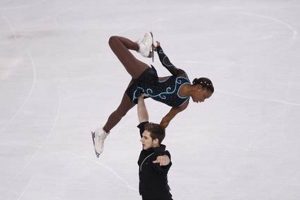
Figure skating necessitates equipment optimized for jumps, spins, and intricate footwork. Figure skates incorporate a “toe pick” on the blade’s front, facilitating jump takeoffs and landings. The blade’s curvature, or rocker, supports agility and controlled movements. Ankle support balances stability with the flexibility required for artistic expression. These features are specifically engineered to accommodate the unique demands of figure skating routines.
- Hockey
Hockey requires skates designed for rapid acceleration, sharp turns, and impact resistance. Hockey skates feature a rigid boot construction that provides substantial ankle support and protection against collisions. The blade’s profile promotes maneuverability and responsiveness, enabling quick changes in direction. The overall design prioritizes agility, stability, and protection within the context of a fast-paced, physical sport.
- Speed Skating
Speed skating demands equipment optimized for maximizing speed and efficiency. Speed skates feature a long, straight blade that minimizes friction and maximizes glide. The boot design is typically low-cut, promoting a greater range of motion and enabling a more powerful stride. The focus is on streamlining and minimizing resistance to achieve optimal velocity over long distances.
- Recreational Skating
Recreational skating encompasses a broad range of activities, from casual gliding to fitness skating. Recreational skates prioritize comfort and ease of use. They often feature softer boot materials, generous padding, and less aggressive blade profiles compared to specialized skate types. Adjustable features may be incorporated to accommodate varying skill levels and foot sizes, ensuring a comfortable and enjoyable skating experience for novice and casual skaters.
In summary, the intended skating discipline dictates the essential characteristics of suitable equipment. Selecting a skate type that aligns with the intended activity is crucial for optimizing performance, ensuring safety, and maximizing the overall skating experience. The correlation highlights the critical importance of considering the skating context when choosing between different skate designs.
Frequently Asked Questions About Different Types of Ice Skates
This section addresses common inquiries regarding the selection and usage of specialized footwear designed for gliding across ice surfaces. The following questions provide clarification on key distinctions and considerations for individuals seeking to optimize their skating experience.
Question 1: Is there a single type of ice skate suitable for all skating activities?
No, the design and construction of skates vary significantly based on the intended skating discipline. Figure skates, hockey skates, speed skates, and recreational skates are each engineered to meet the specific demands of their respective activities.
Question 2: What are the primary distinctions between figure skates and hockey skates?
Figure skates feature a toe pick for jump assistance and a curved blade for maneuverability, while hockey skates emphasize ankle support, agility, and impact resistance. The blade profiles and boot constructions differ significantly to optimize performance in each sport.
Question 3: How important is proper fit when selecting skates?
Proper fit is paramount for both comfort and safety. Skates should fit snugly without restricting circulation or causing discomfort. Adequate toe room and heel lock are essential to prevent slippage and potential injuries.
Question 4: What role does blade material play in skate performance?
Blade material influences edge retention, glide efficiency, and overall durability. Harder steel alloys maintain their edge longer but may require specialized sharpening techniques. The choice of blade material should align with the skater’s skill level and the intended skating environment.
Question 5: How frequently should ice skate blades be sharpened?
The frequency of sharpening depends on usage intensity and ice conditions. Regular sharpening is essential for maintaining optimal edge control and glide. Signs of dullness or reduced grip on the ice indicate the need for sharpening.
Question 6: What factors should be considered when selecting skates for a beginner?
Beginners should prioritize comfort, ankle support, and ease of use. Recreational skates with adjustable features may be suitable for novice skaters. Consulting with experienced skate technicians is advisable to ensure proper fit and appropriate model selection.
In summary, selecting the correct equipment requires a comprehensive understanding of design variations, material properties, and individual skating needs. Prioritizing fit, support, and blade quality ensures a safe and enjoyable skating experience.
The subsequent sections will explore advanced skate technologies and emerging trends in skate design, providing further insight into this specialized field.
Conclusion
The preceding analysis has elucidated the diverse landscape of skating equipment, emphasizing the functional distinctions among specialized models. The variations in blade curvature, ankle support height, boot material composition, blade material hardness, and suitability relative to intended skating discipline underscore the critical importance of selecting footwear aligned with specific activity requirements. A comprehensive understanding of these factors facilitates informed decision-making and enhances both performance and safety on ice.
Continued advancements in materials science and design innovation will likely yield further refinements in skating technology. Individuals are encouraged to seek expert consultation to ensure appropriate equipment selection, thereby maximizing their participation and minimizing potential risks within this dynamic range of winter activities. The ongoing evolution of equipment directly influences the accessibility and enjoyment of skating for all skill levels.