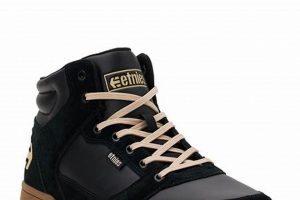
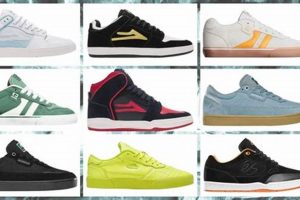
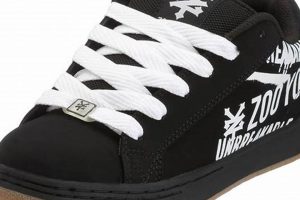
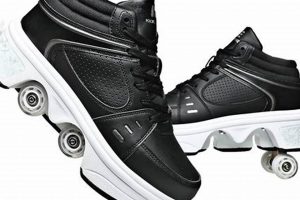
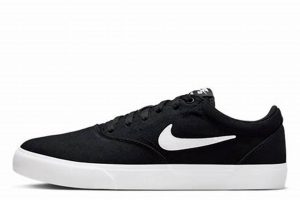
Footwear designed for skateboarding that prioritizes comfort and everyday wearability constitutes a significant segment of the athletic shoe market. This category blends the functionality required for board sports with aesthetics suitable for leisure activities. For example, a vulcanized rubber sole combined with a durable canvas upper characterizes many offerings in this area, providing both grip and resilience.
The popularity of this type of footwear stems from its versatility and association with youth culture. Historically, these shoes evolved from simple canvas sneakers adapted by skaters for their durability and board feel. Benefits include enhanced grip, impact absorption, and a relaxed style that transitions seamlessly from the skate park to casual settings. The adoption of these shoes beyond the skating community underscores their broader appeal as comfortable and stylish everyday footwear.
The subsequent sections of this article will delve into specific design features, material considerations, and the influence of fashion trends on the evolution of this particular type of shoe. Further exploration will cover factors that impact purchasing decisions, including durability, fit, and aesthetic preferences.
Selection and Maintenance Considerations for Skate-Inspired Casual Footwear
The following guidelines offer practical advice for selecting and maintaining footwear inspired by skateboarding culture, ensuring both performance and longevity.
Tip 1: Assess Sole Construction: The sole’s composition and construction significantly affect grip and durability. Vulcanized rubber soles offer excellent board feel, while cupsole designs provide enhanced impact protection.
Tip 2: Evaluate Upper Materials: Canvas uppers are breathable and lightweight, whereas leather or suede offer increased abrasion resistance. Consider the intended usage and environmental conditions when selecting upper materials.
Tip 3: Prioritize Fit and Comfort: A snug, but not constricting, fit is crucial for both performance and extended wear. Ample cushioning and arch support enhance comfort during prolonged activity.
Tip 4: Consider Ankle Support: High-top designs offer greater ankle support and protection, while low-top styles provide increased mobility. Choose the appropriate height based on skating style and risk tolerance.
Tip 5: Inspect Stitching and Reinforcements: Reinforcements in high-wear areas, such as the ollie patch and toe cap, extend the lifespan of the shoe. Examine stitching quality for durability and resistance to tearing.
Tip 6: Implement Regular Cleaning: Consistent cleaning prevents the buildup of dirt and grime, which can degrade materials and affect performance. Use appropriate cleaning solutions for specific materials.
Tip 7: Rotate Footwear: Alternating between pairs reduces wear and allows materials to fully recover, extending the overall lifespan of each shoe.
Adhering to these guidelines will ensure a selection process focused on both functionality and aesthetics, resulting in footwear that is both durable and appropriate for its intended use.
The subsequent conclusion will synthesize the key considerations discussed, emphasizing the importance of informed decision-making in the acquisition and maintenance of these items.
1. Comfort

Comfort is a paramount consideration in the design and selection of footwear, particularly within the context of casual skate shoes. Beyond mere aesthetic appeal, the sustained wearability of these shoes hinges directly on the incorporation of features that promote foot health and minimize fatigue.
- Insole Cushioning and Support
The insole plays a critical role in shock absorption and arch support. Materials such as memory foam or ortholite provide superior cushioning compared to standard insoles, reducing impact stress during activities like walking or skateboarding. Insufficient insole support can lead to plantar fasciitis or other foot ailments, negating the benefits of a durable outsole and appropriate upper construction.
- Upper Material Breathability
The material composition of the shoe’s upper directly impacts breathability and moisture management. Canvas uppers offer superior ventilation compared to leather or synthetic materials, mitigating the risk of overheating and excessive perspiration. This breathability is crucial for maintaining foot hygiene and preventing discomfort associated with prolonged wear in varying environmental conditions.
- Internal Padding and Lining
Internal padding around the collar and tongue of the shoe contributes significantly to overall comfort by preventing friction and pressure points. Smooth, moisture-wicking linings further enhance comfort by minimizing chafing and maintaining a dry environment within the shoe. The quality and placement of internal padding can significantly influence the user’s experience, especially during extended periods of activity.
- Flexibility and Range of Motion
The flexibility of the shoe’s sole and upper construction directly impacts the wearer’s range of motion and overall comfort. A stiff, inflexible shoe can restrict natural foot movement, leading to discomfort and potential injury. Conversely, a shoe with adequate flexibility allows for greater freedom of movement and reduces strain on the foot and ankle, enhancing the overall wearing experience.
The integration of these comfort-enhancing features is integral to the appeal and functionality of footwear within the casual skate shoe category. Failure to adequately address these elements compromises the shoe’s intended purpose, ultimately diminishing user satisfaction and long-term wearability. Considerations of insole technology, upper material, internal construction, and flexibility must therefore be prioritized when designing and selecting these shoes to ensure both comfort and sustained performance.
2. Durability

Durability is a paramount characteristic of footwear designed for skateboarding, extending to the category of shoes suitable for casual wear. The abrasive nature of skateboarding surfaces, combined with the dynamic movements involved, necessitates robust construction and resilient materials. Premature failure due to wear and tear renders footwear unsuitable for its intended purpose, impacting both performance and economic value.
The correlation between material selection and longevity is evident in the prevalence of reinforced stitching, abrasion-resistant rubber compounds, and layered construction within this shoe type. For example, a shoe utilizing multiple layers of canvas in the ollie area, where the shoe contacts the skateboard during tricks, demonstrably extends its lifespan compared to a shoe lacking such reinforcement. Similarly, the utilization of vulcanized rubber, known for its high tensile strength and flexibility, contributes to a sole’s resistance to delamination and wear. Failure to prioritize robust construction diminishes the shoe’s utility and necessitates frequent replacement.
The understanding of durability as a critical component of skate-inspired casual footwear translates directly into informed purchasing decisions. Consumers prioritize brands and models known for their longevity, often citing personal experience or peer recommendations as key factors. The challenge lies in balancing durability with other considerations, such as style and comfort, but the inherent need for resilient construction remains a core requirement. Therefore, the enduring nature of these shoes ensures usability, and consequently, it makes the shoes suitable as casual footwear.
3. Grip

Adhesion between the footwear and the walking surface is a crucial element for both performance and safety. In the context of shoes designed with skateboarding influences, traction assumes heightened importance, impacting board control and stability in environments beyond skateboarding itself.
- Sole Pattern and Tread Depth
The design of the outsole, including the pattern and depth of the treads, directly influences the shoe’s ability to grip various surfaces. Intricate patterns with deep grooves enhance traction on uneven or slippery terrain. For example, herringbone or waffle patterns are commonly employed for their ability to disperse water and increase surface contact. Diminished tread depth, resulting from wear, reduces the shoe’s grip capabilities.
- Rubber Compound Composition
The specific rubber compound used in the outsole significantly affects its frictional properties. Softer rubber compounds offer superior grip compared to harder compounds, but may exhibit reduced durability. The optimal compound strikes a balance between adhesion and resistance to abrasion. The utilization of specialized rubber formulations can further enhance grip performance in specific conditions, such as wet or icy surfaces.
- Surface Area Contact
The amount of surface area in contact with the ground influences the overall grip provided by the shoe. A flatter outsole design, with minimal curvature, maximizes contact area and enhances stability. Conversely, a highly contoured outsole may reduce contact area and compromise grip, particularly on uneven surfaces. The design must consider both surface area and the flexibility needed for natural foot movement.
- Flexibility and Responsiveness
The flexibility of the sole contributes to its ability to conform to uneven surfaces, maximizing contact and enhancing grip. A more flexible sole allows the shoe to adapt to variations in terrain, improving traction and stability. The responsiveness of the sole, its ability to quickly react to changes in pressure, also influences grip performance, particularly during dynamic movements.
These factors underscore the relationship between outsole design, material properties, and overall traction. The selection of a given shoe for either skateboarding or casual use necessitates consideration of these elements to ensure adequate grip and prevent slips or instability. The interplay between sole pattern, rubber compound, surface area, and flexibility determines the shoe’s effectiveness in providing secure footing across diverse environments.
4. Style
The integration of style into the design of skateboarding footwear is not merely aesthetic; it is a critical component that drives market demand and reflects evolving cultural trends. The visual appearance of these shoes directly impacts their acceptance beyond the skateboarding community, influencing purchasing decisions among a broader consumer base seeking casual and versatile footwear. Historical examples, such as the adoption of particular brands by influential skaters, demonstrate how style can elevate a shoe from functional equipment to a cultural signifier. Functionality can often be considered second, and style the top priority. The visual language conveyed through color palettes, branding, and silhouette directly affects a shoe’s perceived value and desirability.
Furthermore, the design of skateboarding-inspired footwear often incorporates stylistic cues from other subcultures and fashion movements. Collaboration with artists, musicians, and designers allows manufacturers to imbue their products with unique visual identities that resonate with specific consumer segments. This cross-pollination of influences contributes to the dynamic nature of the market, driving innovation and stylistic differentiation. The success of these collaborations underscores the importance of understanding the target demographic’s aesthetic preferences and cultural sensibilities. Limited-edition releases and exclusive designs further amplify the perception of value and exclusivity, driving consumer demand through stylistic appeal. For example, a simple canvas skate shoe can be customized with a number of different visual options.
In conclusion, the stylistic elements inherent in skateboarding footwear are not superficial additions, but rather integral components that shape consumer perception, market trends, and the overall cultural relevance of these shoes. The successful integration of style requires a deep understanding of the target demographic, a willingness to collaborate with external influences, and an ability to translate functional requirements into visually appealing designs. The continual evaluation and evolution of stylistic approaches are essential for brands seeking to maintain a competitive edge and resonate with an ever-changing consumer landscape.
5. Materials
The selection of materials constitutes a pivotal element in the design and manufacturing of footwear suitable for both skateboarding and casual wear. Material properties directly influence durability, comfort, aesthetics, and overall performance, necessitating careful consideration during the design process. The inherent characteristics of chosen materials dictate the lifespan and suitability of a particular shoe for its intended use.
- Canvas Uppers
Canvas, a woven fabric typically made from cotton or linen, offers breathability and flexibility. It is a lightweight and cost-effective option frequently used in the construction of skate-inspired casual shoes. While canvas provides adequate ventilation, its abrasion resistance is limited compared to other materials. Repeated contact with grip tape or rough surfaces can lead to premature wear and tear, particularly in high-stress areas such as the ollie patch.
- Suede and Leather Overlays
Suede, derived from the inner layer of animal hides, and leather provide enhanced durability and resistance to abrasion. These materials are often used as overlays or reinforcements in areas prone to wear, such as the toe cap and side panels. Suede offers a soft texture and a degree of water resistance, while leather provides greater structural support and longevity. The incorporation of suede or leather can significantly extend the lifespan of a casual skate shoe, albeit at a higher cost.
- Rubber Outsoles
Rubber outsoles provide essential grip and impact absorption. The specific rubber compound used affects both traction and durability. Vulcanized rubber, known for its flexibility and board feel, is commonly employed in skate shoe construction. Cupsole designs, featuring a sturdier rubber cup encasing the foot, offer increased impact protection. The tread pattern on the outsole further influences grip performance, with intricate patterns providing enhanced traction on various surfaces.
- Reinforced Stitching and Construction
The method of construction and the quality of stitching play a critical role in the overall durability of a casual skate shoe. Reinforced stitching in high-stress areas, such as the seams and attachment points, prevents premature separation and failure. Double or triple stitching, along with the use of durable thread, increases the shoe’s ability to withstand repeated stress. The overall construction technique, whether vulcanized or cemented, also influences the shoe’s structural integrity and resistance to delamination.
The interplay between these various materials and construction techniques determines the suitability of a given shoe for skateboarding and casual wear. The selection process involves balancing factors such as durability, comfort, cost, and aesthetic preferences. Understanding the properties and limitations of each material is crucial for making informed purchasing decisions and ensuring the longevity and performance of casual skate shoes.
6. Support

Adequate support within casual skate shoes is a critical, yet often overlooked, factor that significantly impacts both performance and long-term foot health. The design and construction of these shoes must account for the biomechanical stresses inherent in skateboarding, as well as the demands of extended casual wear. Insufficient support can lead to a range of issues, from foot fatigue and discomfort to more serious conditions like plantar fasciitis and ankle instability. The causal relationship between inadequate support and these adverse effects underscores its importance as a functional component, not merely an aesthetic consideration.
Midsole construction, arch support, and ankle collar design are key elements that contribute to overall support. A well-designed midsole provides cushioning and shock absorption, reducing impact forces on the joints. Arch support, whether integrated into the insole or molded into the midsole, helps maintain proper foot alignment and prevents overpronation. High-top designs, featuring padded ankle collars, offer increased stability and protection against ankle sprains, particularly during active movements. Conversely, low-top styles may sacrifice some ankle support for greater flexibility. The choice between these styles often depends on individual preferences and the intended usage of the shoe.
Ultimately, the degree of support incorporated into footwear must be tailored to the specific activities and individual needs of the wearer. While skaters may prioritize ankle support for enhanced stability during tricks, casual wearers may prioritize arch support for all-day comfort. The challenge lies in finding a balance between these competing demands, ensuring that the shoe provides adequate support without sacrificing flexibility or style. The longevity of the shoe and the health of the wearer’s feet are directly correlated with the thoughtful integration of supportive features.
7. Price

The pricing of casual skate shoes is a complex interplay of manufacturing costs, brand recognition, material quality, and market demand. The consumer’s perception of value is a primary driver in purchasing decisions, influencing the types of shoes considered and the brands favored.
- Material Quality and Production Costs
Higher quality materials such as premium suede, durable canvas, and specialized rubber compounds invariably increase the production cost of casual skate shoes. More complex manufacturing processes, including reinforced stitching and multi-layered construction, also contribute to elevated prices. Shoes incorporating these premium materials and construction techniques are often positioned at a higher price point to reflect their enhanced durability and performance.
- Brand Recognition and Marketing Expenditures
Established brands with strong recognition often command higher prices for their casual skate shoes. These prices reflect not only the quality of the product but also the brand’s investment in marketing, advertising, and sponsorships. Consumers may be willing to pay a premium for shoes associated with a reputable brand, perceiving it as a guarantee of quality and style.
- Retailer Markup and Distribution Channels
The final price of casual skate shoes is influenced by the retailer’s markup and the distribution channels through which the shoes are sold. Shoes sold in specialty skate shops or department stores typically have higher markups compared to those sold online or in discount retailers. These markups cover overhead costs, such as rent, staff salaries, and inventory management. Distribution channels also impact pricing, with direct-to-consumer brands often offering more competitive prices.
- Supply and Demand Dynamics
Limited edition releases and collaborations with artists or designers can create significant demand for specific casual skate shoe models. When demand exceeds supply, prices can surge, often exceeding the manufacturer’s suggested retail price. Resale markets contribute to these price fluctuations, with rare or highly sought-after models commanding substantial premiums. The perception of exclusivity and rarity drives these price increases, highlighting the influence of market dynamics on the final cost of the product.
The cumulative effect of these factors underscores the multidimensional nature of casual skate shoe pricing. While consumers often prioritize affordability, considerations of material quality, brand reputation, and market availability collectively shape their purchasing decisions. Understanding these dynamics allows consumers to make informed choices that align with their budgetary constraints and performance expectations.
Frequently Asked Questions
The following section addresses common inquiries and misconceptions regarding casual skate shoes, providing clarity on their features, functionality, and suitability for various activities.
Question 1: What defines “casual skate shoes” and distinguishes them from standard athletic footwear?
The “casual skate shoes” designation refers to footwear designed with skateboarding functionality but adapted for everyday wear. Key distinctions include durable construction, reinforced stitching, specialized rubber outsoles for grip, and a style that blends athletic performance with casual aesthetics. Standard athletic footwear may lack the specific reinforcements and sole properties necessary for skateboarding.
Question 2: Are casual skate shoes suitable for activities beyond skateboarding?
The versatility of casual skate shoes makes them appropriate for a range of activities beyond skateboarding. Their durable construction and comfortable design render them suitable for walking, running errands, and other casual pursuits. The specific level of suitability depends on the individual’s needs and the intensity of the activity.
Question 3: How does the sole construction of casual skate shoes enhance grip and board feel?
The sole construction of casual skate shoes typically incorporates vulcanized rubber or cupsole designs. Vulcanized rubber soles offer enhanced board feel due to their flexibility and thin profile. Cupsole designs provide increased impact protection. Both types feature tread patterns designed to maximize grip on skateboarding surfaces and other terrains.
Question 4: What are the key material considerations for ensuring the longevity of casual skate shoes?
Key material considerations include durable canvas or suede uppers, reinforced stitching in high-stress areas, and abrasion-resistant rubber outsoles. Shoes constructed with these materials are better equipped to withstand the wear and tear associated with skateboarding and everyday use. Regular cleaning and maintenance further extend the lifespan of the shoes.
Question 5: Can casual skate shoes provide adequate arch support and cushioning for extended wear?
The level of arch support and cushioning varies among different models of casual skate shoes. Shoes with removable insoles allow for the insertion of custom orthotics to provide personalized arch support. Adequate cushioning, typically provided by foam or gel inserts, enhances comfort during extended wear. Consumers should select shoes that meet their specific support and cushioning needs.
Question 6: How does the style of casual skate shoes influence their suitability for different social settings?
The style of casual skate shoes ranges from minimalist designs to more elaborate patterns and color schemes. Minimalist designs are generally more versatile and appropriate for a wider range of social settings. Shoes with bolder designs and prominent branding may be better suited for casual or informal environments. Individual preferences and the context of the social setting ultimately determine suitability.
In summary, casual skate shoes offer a blend of functionality, durability, and style that makes them suitable for various activities and social settings. Understanding their key features and material considerations enables informed purchasing decisions.
The following conclusion will synthesize the key points discussed, reinforcing the importance of informed decision-making in the selection and maintenance of these items.
Conclusion
This article has explored the multifaceted nature of “casual skate shoes,” encompassing considerations of comfort, durability, grip, style, materials, support, and price. The synthesis of these factors reveals that the selection of appropriate footwear involves a careful evaluation of individual needs, activity levels, and aesthetic preferences. The inherent design, initially driven by the demands of skateboarding, has broadened its appeal, positioning these shoes as a versatile option within the general footwear market.
Ultimately, the informed consumer should approach the acquisition of “casual skate shoes” with a clear understanding of the trade-offs between form and function. Prioritizing durability and support ensures longevity and foot health, while stylistic considerations allow for personal expression. The ongoing evolution of design and materials promises further refinement in this category, warranting continued attention and discerning choices.