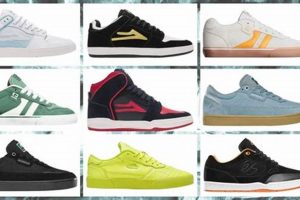
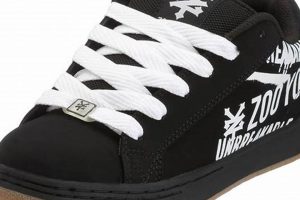
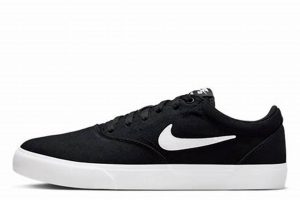
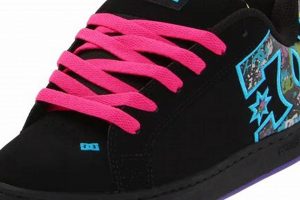
Footwear designed for skateboarding that extends above the ankle is often favored for its protective qualities and supportive structure. These designs typically incorporate features such as reinforced layers in high-wear areas, durable outsoles for enhanced grip, and padded collars to cushion the ankle. A classic example includes models with suede or leather uppers, vulcanized rubber soles, and impact-absorbing insoles.
The adoption of elevated ankle support in skateboarding footwear yields several advantages. It contributes to injury prevention by stabilizing the ankle during high-impact activities and provides a greater sense of security. Historically, these styles gained prominence as skateboarding evolved, necessitating equipment that could withstand increasingly demanding tricks and maneuvers. They offer both functional performance and aesthetic appeal to many skateboarders.
The following sections will delve into specific features to consider when selecting skateboarding footwear with elevated ankle support, including material composition, sole construction, and overall fit, providing a framework for making informed decisions.
Selection Considerations
Choosing suitable skateboarding footwear with elevated ankle support requires careful consideration of several key factors to ensure optimal performance and protection.
Tip 1: Prioritize Material Durability: Opt for uppers constructed from robust materials such as suede or reinforced canvas. These materials withstand abrasive contact with the skateboard and surrounding surfaces, extending the lifespan of the footwear.
Tip 2: Evaluate Sole Construction: Vulcanized rubber soles offer excellent board feel and grip, while cupsole constructions provide enhanced impact protection. Assess the intended skateboarding style to determine the most appropriate sole type.
Tip 3: Examine Ankle Padding and Support: Sufficient padding around the ankle collar is crucial for impact absorption and protection against abrasions. Ensure the design provides adequate support to minimize the risk of ankle injuries.
Tip 4: Assess Fit and Comfort: A snug, comfortable fit is essential for maintaining control and preventing discomfort during extended skateboarding sessions. Consider trying on footwear with skateboarding socks to ensure accurate sizing.
Tip 5: Inspect Stitching and Reinforcements: Closely examine the stitching throughout the footwear, paying particular attention to high-stress areas. Reinforced stitching enhances durability and prevents premature wear and tear.
Tip 6: Consider Ventilation: Adequate ventilation helps to regulate temperature and reduce moisture build-up within the footwear. Look for designs with breathable linings or perforated panels to enhance comfort.
Tip 7: Evaluate Weight: Lighter footwear can improve agility and reduce fatigue, while heavier designs may offer increased stability and protection. Consider the trade-offs between weight and performance based on individual preferences.
Careful evaluation of these considerations ensures a purchase that balances performance, protection, and longevity. The goal is to select footwear that complements individual skateboarding style and enhances overall experience.
The concluding section will summarize the critical aspects of selecting skateboarding footwear and provide final recommendations.
1. Ankle Stability

Ankle stability represents a crucial consideration in the design and selection of skateboarding footwear with elevated ankle support. The inherent risks associated with skateboarding, including falls, impacts, and repetitive stress, necessitate footwear that mitigates potential injuries to the ankle joint. The connection between design and its ability to provide adequate stability is paramount.
- High-Top Cuff Height and Support
The extended height of the upper structure directly contributes to ankle stability. By encompassing a greater portion of the lower leg, these styles limit the range of motion, reducing the likelihood of excessive inversion or eversion, common mechanisms of ankle sprains. The stiffness of the cuff material and its proximity to the joint directly influence the degree of stabilization provided.
- Padding and Internal Structure
The presence and configuration of internal padding significantly affect stability. Dense padding strategically positioned around the ankle bones cushions impact and minimizes movement within the shoe. Internal structural elements, such as supportive heel counters, further enhance stability by maintaining proper foot alignment.
- Lacing System and Fit
The design of the lacing system is integral to achieving a secure and supportive fit. Lacing patterns that extend higher up the ankle provide adjustable compression and control over the degree of stabilization. Proper fit, ensuring minimal heel slippage and lateral movement within the shoe, is essential for maximizing the effectiveness of the design in promoting stability.
- Material Reinforcement
Strategic reinforcement of the upper material at critical stress points around the ankle joint enhances the overall structural integrity of the footwear. Reinforced panels or overlays add torsional rigidity, further limiting excessive ankle movement and protecting against potential injuries. These materials often provide an increased amount of support and durability in the skate shoe.
The interplay between these design features dictates the degree of ankle stability afforded by skateboarding footwear with elevated ankle support. By carefully evaluating these elements, skateboarders can select footwear that effectively minimizes the risk of ankle injuries and supports optimal performance. The design must appropriately consider the balance between protection and freedom of movement so that the individual wearing the gear may be able to experience the maximum amount of stability.
2. Impact Protection

Effective skateboarding footwear design integrates impact protection to mitigate the physical stresses inherent in the sport. High-top designs provide a larger surface area encompassing the ankle and lower leg, allowing for increased padding and structural reinforcement in critical areas. This configuration directly addresses the forces generated during landings, ollies, and other maneuvers, reducing the risk of contusions, sprains, and more severe injuries. Footwear lacking sufficient impact protection exposes the wearer to elevated injury risks, potentially compromising performance and long-term physical well-being. A practical example is the utilization of gel or foam inserts within the sole and ankle collar to dissipate energy upon impact, preventing its transmission to the musculoskeletal system.
The specific placement and density of protective materials are crucial factors in determining the overall effectiveness of impact protection. High-wear zones, such as the heel and forefoot, require strategically positioned padding to absorb the concentrated forces generated during landings and tricks. Furthermore, the integration of internal support structures, like reinforced heel counters and midfoot shanks, contributes to stability and reduces the likelihood of ankle rolling, thereby minimizing impact-related injuries. Advanced designs utilize multi-density foams that offer varying levels of cushioning and support based on the specific needs of different regions of the foot. These innovations reflect the commitment to continually improving the protective capabilities of skateboarding footwear.
In summary, impact protection is an indispensable component of skateboarding footwear, particularly in high-top designs. By strategically incorporating padding, reinforcement, and support structures, these styles effectively mitigate the physical stresses associated with the sport. Understanding the principles of impact protection and selecting footwear accordingly enables skateboarders to minimize injury risk and enhance their overall performance. Continual advancements in materials and design contribute to the ongoing improvement of impact protection in skateboarding footwear.
3. Material Durability

Material durability is a central consideration in the selection of skateboarding footwear with elevated ankle support. The abrasive nature of skateboarding subjects footwear to significant wear and tear, necessitating the use of robust materials capable of withstanding repeated impacts, friction, and stress. The longevity and protective capabilities of footwear are directly correlated to the inherent durability of its constituent materials.
- Suede Uppers
Suede, a split leather with a napped finish, offers a balance of durability, flexibility, and board feel. Its textured surface provides increased grip and abrasion resistance compared to smooth leather. Skateboarding footwear often utilizes reinforced suede in high-wear areas, such as the toe cap and ollie patch, to extend lifespan. However, suede requires regular maintenance to prevent excessive wear and maintain its protective qualities. The thickness and quality of the suede directly influence its durability.
- Canvas Uppers
Canvas, typically constructed from cotton or synthetic fibers, provides a lightweight and breathable alternative to leather-based materials. While generally less durable than suede, reinforced canvas can offer adequate abrasion resistance for certain skateboarding styles. Double- or triple-layered canvas uppers and the inclusion of synthetic reinforcement panels enhance durability. The weight and weave density of the canvas fabric are key indicators of its strength and resistance to tearing. Denser and heavier weight canvas will provide enhanced abrasion-resistant attributes.
- Rubber Outsoles
The rubber outsole is a critical component for durability, providing traction and protecting the foot from the ground. Vulcanized rubber, known for its flexibility and grip, is a common choice for skateboarding footwear. Cupsole designs offer increased durability and impact protection due to their thicker construction and sturdier bonding to the upper. The specific rubber compound used influences its abrasion resistance and overall lifespan. Harder compounds generally offer greater durability but may sacrifice some grip.
- Reinforced Stitching
The integrity of the stitching is paramount for maintaining the structural integrity of skateboarding footwear. Reinforced stitching, often utilizing thicker thread and multiple rows of stitching, strengthens seams and prevents premature separation of the upper and sole. Particular attention is given to reinforcing high-stress areas, such as the ollie patch, toe cap, and heel counter. The type of stitching method, such as double-needle stitching or bar tacking, influences its strength and resistance to wear. Closely examining the quality and density of the stitching is critical when evaluating durability.
The interrelation of these material characteristics significantly influences the performance and longevity of skateboarding footwear with elevated ankle support. Selecting footwear constructed from durable materials appropriate for the intended skateboarding style ensures optimal protection and reduces the frequency of replacement. Footwear that integrates durable materials is often considered an essential investment for skateboarders seeking performance and value. Consideration of these components is essential in selecting footwear to consider when searching for “best skate shoes high tops”.
4. Sole Grip
Sole grip represents a critical performance attribute of skateboarding footwear, directly influencing board control, stability, and overall safety. In designs featuring elevated ankle support, effective sole grip becomes even more pertinent due to the increased potential for leverage and maneuverability afforded by the high-top construction. The connection between sole grip and performance in these designs necessitates careful consideration of materials, tread patterns, and construction methods.
- Rubber Compound and Hardness
The specific rubber compound used in the outsole dictates its frictional properties. Softer rubber compounds generally exhibit higher grip levels on smooth surfaces, enhancing board feel and control. Harder compounds, while potentially more durable, may compromise grip, particularly in wet or dusty conditions. The optimal durometer of the rubber balances grip and durability, contingent upon the intended skateboarding environment. For example, a softer compound may be preferred for street skateboarding, while a harder compound may be better suited for skate park use.
- Tread Pattern Design
The arrangement and depth of the tread pattern significantly affect the outsole’s ability to maintain contact with the skateboard deck. Deeper, more aggressive tread patterns provide enhanced grip on uneven surfaces and in adverse conditions. Conversely, smoother tread patterns offer improved board feel and responsiveness. Herringbone, waffle, and geometric patterns are commonly employed to optimize grip and water displacement. The tread pattern design must facilitate multidirectional grip to accommodate the varied movements inherent in skateboarding.
- Vulcanization and Bonding
The process of vulcanization, which bonds the rubber outsole to the upper, directly influences the integrity and performance of the sole grip. Proper vulcanization ensures a strong, durable bond that resists separation and maintains flexibility. The quality of the bonding agent and the precision of the vulcanization process are critical factors. Premature separation of the outsole can compromise grip and stability, increasing the risk of injury. Cupsole construction methods offer increased durability and impact protection, contributing to overall sole grip performance. The integration of the vulcanization process with reinforcement adds to the overall stability and control provided by the skate shoe.
- Surface Area and Contact Points
The amount of surface area of the sole in contact with the skateboard directly influences the friction between the footwear and the deck. Designs with maximized contact points will generally offer improved grip and control. Flat outsoles provide uniform contact across the entire surface, enhancing stability and responsiveness. The strategic placement of grooves and channels within the tread pattern can further optimize surface area and improve grip in specific areas of the foot. High top designs can allow an individuals maximum force to be applied on a surface providing extra support.
These facets of sole grip are intricately connected to the performance characteristics of skateboarding footwear, particularly in high-top designs. Selection of appropriate rubber compounds, tread patterns, and construction methods maximizes board control and minimizes the risk of slippage, which are key components when searching for “best skate shoes high tops”. Careful consideration of these factors enables skateboarders to select footwear that aligns with their individual needs and enhances their overall skateboarding experience.
5. Skateboarding Style
The discipline of skateboarding profoundly influences the selection of appropriate footwear. Styles ranging from technical street skating to vert and bowl riding necessitate specific design features in footwear to optimize performance and mitigate injury risks. Footwear choices, including those featuring elevated ankle support, should align directly with the demands of the chosen discipline.
- Technical Street Skating
Technical street skating, characterized by complex tricks performed on urban obstacles, demands footwear that provides exceptional board feel, flexibility, and durability. High-top designs favored in this discipline often incorporate reinforced suede or canvas uppers to withstand abrasion from griptape and concrete. Lower-profile soles enhance board feel, while strategically placed padding offers impact protection during landings. The emphasis is on precise control and maneuverability. High tops may provide protection against ankle injuries from rails and other obstacles encountered in street skating.
- Vert and Bowl Riding
Vert and bowl riding, involving high-speed maneuvers on vertical ramps and curved surfaces, necessitate footwear that prioritizes impact protection, stability, and support. Elevated ankle support in these contexts offers increased protection against ankle rolls and other injuries sustained during aerial maneuvers. Stiffer soles and reinforced uppers provide stability and support, while ample padding cushions impacts during landings. Durability is paramount due to the high forces generated during these activities.
- Park Skating
Park skating, encompassing a blend of street and transition elements, requires footwear that balances board feel, impact protection, and versatility. High-top designs offer a compromise between the flexibility needed for technical tricks and the support necessary for ramp riding. Hybrid sole constructions, combining features of both vulcanized and cupsole designs, provide a balance of board feel and impact absorption. The choice of materials and padding levels depends on the specific features of the skate park and the skater’s individual style.
- Cruising and Longboarding
Cruising and longboarding, focused on transportation and recreational riding, prioritize comfort and durability over technical performance. While high-top designs are less common in these disciplines, they may be preferred for their added ankle support, particularly on longer rides or uneven terrain. Softer soles and breathable uppers enhance comfort, while durable materials withstand the rigors of daily use. The selection of footwear is largely based on personal preference and individual needs, depending on the intensity of riding.
The correlation between skateboarding style and the selection of footwear, including “best skate shoes high tops,” is evident in the varying demands placed upon the equipment by different disciplines. By aligning footwear choices with the specific requirements of their chosen style, skateboarders can optimize their performance, minimize injury risks, and enhance their overall skateboarding experience.
Frequently Asked Questions
The following addresses common inquiries concerning skateboarding footwear featuring elevated ankle support, offering detailed explanations to aid in informed decision-making.
Question 1: What are the primary advantages of skateboarding footwear with elevated ankle support compared to low-top designs?
The primary advantages include increased ankle stability, enhanced impact protection for the ankle joint, and a greater sense of security during high-impact maneuvers. Elevated designs provide a larger surface area for padding and reinforcement, reducing the risk of ankle sprains and contusions.
Question 2: How does the material composition of skateboarding footwear influence its durability and performance?
Material composition directly affects durability, board feel, and grip. Suede uppers offer a balance of abrasion resistance and flexibility, while canvas uppers provide breathability and a lightweight feel. Rubber outsoles, particularly those constructed from vulcanized rubber, deliver enhanced grip and board control.
Question 3: Is elevated ankle support necessary for all skateboarding styles and skill levels?
Elevated ankle support is not strictly necessary for all styles and skill levels, however, it can prove beneficial, especially when searching for the “best skate shoes high tops.” It is often recommended for vert and bowl riding, where impact protection is paramount. Street skaters may also benefit from the added support and protection, particularly when performing technical tricks involving rails and ledges. Beginner skaters may find the added stability helpful while developing their skills.
Question 4: How should one properly fit skateboarding footwear with elevated ankle support to ensure optimal performance and comfort?
Proper fit is essential for maximizing performance and comfort. Footwear should fit snugly without being constrictive, allowing for sufficient toe room and minimal heel slippage. It is recommended to try on footwear with skateboarding socks to ensure accurate sizing. The lacing system should provide a secure and supportive fit around the ankle.
Question 5: What are some key considerations when evaluating the sole grip of skateboarding footwear?
Key considerations include the rubber compound, tread pattern design, and vulcanization process. Softer rubber compounds offer enhanced grip, while aggressive tread patterns provide superior traction on various surfaces. Proper vulcanization ensures a durable bond between the outsole and the upper, preventing premature separation.
Question 6: How does the design of the lacing system contribute to the overall performance and stability of skateboarding footwear?
The lacing system plays a crucial role in providing a secure and supportive fit, particularly around the ankle. Lacing patterns that extend higher up the ankle offer adjustable compression and control over the degree of stabilization. Reinforced eyelets and durable laces enhance the longevity and effectiveness of the lacing system.
In summary, the appropriate selection of skateboarding footwear with elevated ankle support depends on a variety of factors, including skateboarding style, skill level, and individual preferences. Careful consideration of these factors will ensure optimal performance, protection, and comfort.
The concluding section will summarize key takeaways and provide final recommendations regarding skateboarding footwear selection.
Conclusion
The analysis presented has underscored the crucial considerations involved in selecting appropriate skateboarding footwear, specifically models offering elevated ankle support. This exploration has highlighted the interdependencies between material durability, sole grip, impact protection, and the intended skateboarding style. Footwear selection should be viewed as a deliberate process informed by a thorough understanding of these technical aspects.
Ultimately, the selection of “best skate shoes high tops” necessitates careful assessment of individual needs and the demands of the skateboarding discipline. Continued advancements in materials and design suggest a future trajectory towards increasingly specialized footwear solutions. Skateboarders are encouraged to prioritize informed decision-making to optimize performance and minimize injury risk.