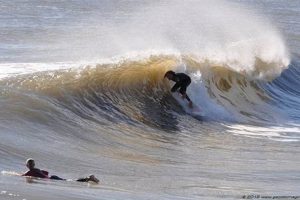
Information detailing ocean conditions at a specific coastal location is essential for water-based activities. Such data includes wave height, swell direction, wind speed, and tide levels, providing a snapshot of the marine environment at a given time. Accessing these updates enables individuals to make informed decisions regarding participation in surfing, swimming, boating, and other recreational pursuits.
The availability of accurate coastal condition assessments offers several advantages. It enhances safety by allowing users to avoid potentially hazardous situations. It supports optimized planning, ensuring activities occur when conditions are most favorable. Historically, reliance was placed on observational methods; modern technology now allows for more frequent and precise reporting, leading to improved risk management and enjoyment of maritime activities.
Therefore, understanding and utilizing available resources that deliver up-to-date maritime environmental conditions proves vital. Subsequent discussion will address specific factors affecting surf quality, available reporting sources, and best practices for interpreting condition assessments.
Understanding prevailing ocean dynamics is crucial for safe and optimal surfing. This section provides guidance for interpreting condition assessments relevant to Cape Canaveral.
Tip 1: Evaluate Wave Height. Wave height directly correlates with surfability. Smaller wave heights (1-3 feet) are suitable for beginners, while more experienced surfers may prefer larger swells (4+ feet). Caution is advised at greater wave heights.
Tip 2: Examine Swell Direction. Swell direction determines the waves angle of approach to the coastline. Easterly swells generally produce the best surf at Cape Canaveral. Southerly or northerly swells may be less consistent or obstructed.
Tip 3: Analyze Wind Speed and Direction. Offshore winds (blowing from land to sea) can create cleaner, more organized waves. Onshore winds typically result in choppy conditions and diminished wave quality. Light to moderate offshore winds are desirable.
Tip 4: Consider Tide Levels. Tide levels influence wave break. Low tide can expose shallow reefs or sandbars, creating steeper, faster waves, but posing potential hazards. High tide may diminish wave intensity. Understanding the tide’s effect on specific breaks is beneficial.
Tip 5: Monitor Local Webcams. Visual confirmation of conditions is invaluable. Many sites offer real-time webcam feeds of Cape Canaveral surf breaks, allowing for direct observation of wave size, shape, and overall surf quality.
Tip 6: Consult Multiple Sources. Compare information from various sources, including surf-specific websites, NOAA data, and local reports, to form a comprehensive assessment. Discrepancies may indicate rapidly changing conditions or localized effects.
Tip 7: Assess Water Temperature. Water temperature dictates appropriate wetsuit usage. Colder water temperatures necessitate thermal protection to prevent hypothermia and maximize comfort during extended sessions.
Adhering to these guidelines will improve the ability to accurately interpret and apply surf condition assessments, leading to safer and more rewarding surfing experiences at Cape Canaveral. Further discussion will explore advanced forecasting techniques.
1. Wave Height

Wave height constitutes a primary variable within a condition assessment. It indicates the vertical distance between the crest and trough of a wave, measured in feet or meters. This metric directly influences the suitability of Cape Canaveral’s coastline for various water activities, most notably surfing. Greater wave heights offer increased potential for wave riding, attracting experienced surfers; conversely, smaller wave heights are preferred by beginners and those engaged in activities such as swimming or paddleboarding. Accurate measurement and reporting of this variable is therefore essential for safety and enjoyment.
The interplay between wave height and other environmental factors, such as swell period and water depth, determines the type of wave that breaks along the Cape Canaveral coastline. For instance, a significant wave height combined with a longer swell period can result in powerful, barreling waves suitable for advanced surfers. Conversely, moderate wave heights coupled with a shorter swell period may produce gentler, more manageable waves. Real-time data collection and dissemination of this information through a reliable assessment enables informed decision-making regarding water entry.
In summary, wave height serves as a fundamental indicator of surf conditions at Cape Canaveral. Its influence extends beyond surfing to encompass a range of maritime pursuits. Consistent monitoring and accurate reporting are critical for providing users with the necessary data to assess risk, plan activities, and navigate the dynamic coastal environment safely. Understanding wave height’s relationship to other environmental elements provides a fuller picture of the conditions one can expect.
2. Swell Direction

Swell direction is a pivotal component of condition assessments, directly influencing wave quality and surfability at Cape Canaveral. Its significance stems from the geometry of the coastline and the orientation of offshore bathymetry, dictating how incoming swells refract and interact to produce rideable waves.
- Optimal Swell Angles
East-southeasterly swells generally provide the most favorable surf conditions along the Cape Canaveral coastline. This directional orientation allows swells to propagate unimpeded across the Atlantic, producing well-formed waves at various breaks. Conversely, northerly or southwesterly swells may encounter significant refraction or dissipation due to offshore obstructions, resulting in less consistent or smaller waves.
- Swell Period Influence
The impact of swell direction is further modulated by the swell period the time between successive wave crests. Longer period swells possess greater energy and are less susceptible to refraction, maintaining their directional integrity as they approach the shore. Shorter period swells, however, are more prone to bending, potentially altering their angle of approach and impacting wave shape and size at specific locations within Cape Canaveral.
- Local Bathymetry Interaction
The underwater topography of Cape Canaveral significantly influences the way swells break. Submerged sandbars, reefs, and channels cause incoming waves to refract and focus, creating localized surf breaks with distinct characteristics. Swell direction determines which of these underwater features are activated, impacting wave shape, size, and overall surf quality at various spots along the coast.
- Seasonal Variations
Swell direction exhibits seasonal variability, influenced by prevailing weather patterns and storm activity in the Atlantic basin. During the hurricane season (June-November), southeasterly swells generated by tropical cyclones are common, potentially producing large and powerful surf. During the winter months, northerly swells associated with mid-latitude storms may also impact Cape Canaveral, although often with less consistency and quality.
Analyzing swell direction within the broader context of condition assessments is critical for predicting wave conditions and optimizing water activities at Cape Canaveral. Understanding the interplay between swell angle, swell period, bathymetry, and seasonal variations allows users to anticipate surf quality and make informed decisions regarding location and timing. Reliable and accurate reporting of swell direction contributes to safer and more enjoyable experiences in the maritime environment.
3. Wind Speed

Wind speed serves as a critical meteorological variable influencing wave characteristics reported in Cape Canaveral surf assessments. It exerts a direct impact on wave formation, shape, and consistency, thus determining the suitability of the surf for various water activities. Elevated wind speeds can either enhance or degrade wave quality depending on their direction relative to the coastline.
Offshore winds, blowing from the land towards the sea, tend to groom waves, producing smoother surfaces and well-defined shapes. This condition is generally favorable for surfing as it minimizes chop and allows waves to break cleanly. Conversely, onshore winds, blowing from the sea towards the land, introduce energy that disrupts wave structure, resulting in choppy, disorganized conditions less conducive to surfing. For example, a Cape Canaveral surf assessment indicating easterly swells combined with light westerly (offshore) winds would suggest optimal surf conditions. Conversely, the same swell direction coupled with strong easterly (onshore) winds would indicate degraded surf, potentially unsafe for less experienced individuals. Wind speed is also relevant for other marine activities, as high winds create hazardous conditions for boating and increase the risk of rip currents for swimmers.
In summary, wind speed is an indispensable component of any reliable Cape Canaveral surf condition assessment. Its influence on wave quality and safety is significant. The ability to interpret wind speed data accurately, in conjunction with swell direction, wave height, and tide information, enables informed decision-making regarding participation in maritime activities. Failure to account for wind speed can lead to misjudgments regarding surf conditions, increasing the risk of accidents and diminishing the enjoyment of water-based recreation.
4. Tide Levels

Tide levels are a significant factor influencing wave characteristics, and therefore, are an integral element within condition assessments for Cape Canaveral. The height of the water relative to a fixed point, varying predictably due to gravitational forces, profoundly impacts wave breaking patterns and surf conditions.
- Impact on Wave Breaking
Tide levels affect where waves break relative to the shore. At low tide, waves tend to break further out and often more steeply, as the water depth decreases rapidly. This can result in faster, more powerful waves, but also exposes shallow reefs or sandbars, creating potential hazards. High tide, conversely, allows waves to travel closer to shore before breaking, generally resulting in gentler, less intense waves. This may reduce the overall surf quality but can make conditions safer for less experienced participants.
- Influence on Surf Spot Characteristics
The effect of tide levels is not uniform across all surf spots within Cape Canaveral. Some locations are highly tide-dependent, performing optimally only during specific tidal phases. For instance, a surf break located over a shallow sandbar might only be surfable at mid to high tide when sufficient water covers the feature. Other locations may exhibit more consistent surf regardless of tidal fluctuations. Understanding the specific tidal response of individual surf breaks is crucial for accurate surf assessment.
- Effect on Rip Currents
Tide levels can significantly influence the formation and intensity of rip currents. Stronger rip currents are frequently observed during outgoing (ebb) tides as water rushes back to the ocean. Changes in tidal flow can also alter the location and direction of rip currents, posing a significant hazard to swimmers and surfers alike. Accurate reporting within the condition assessment includes observations or forecasts of rip current potential related to prevailing tide conditions.
- Tidal Range Considerations
Cape Canaveral experiences a moderate tidal range, meaning the difference between high and low tide is typically a few feet. While not as dramatic as areas with extreme tidal ranges, even this modest fluctuation can noticeably affect surf conditions and safety. Condition assessments must account for the current tidal stage, the predicted high and low tide times, and the overall tidal range to provide a comprehensive overview of the surf environment.
Accounting for tide levels provides essential context for water activities at Cape Canaveral. A comprehensive assessment integrates this factor with other variables, such as swell direction and wind speed, to present a holistic view of marine conditions. By considering the interplay of these elements, individuals can make informed decisions regarding participation in surfing and other water sports, enhancing both safety and enjoyment.
5. Water Temperature
Water temperature is a critical parameter within a Cape Canaveral surf report, influencing participant safety, comfort, and the selection of appropriate gear. Understanding this variable allows for informed decisions regarding wetsuit usage and overall session duration, impacting the user’s experience.
- Impact on Hypothermia Risk
Prolonged exposure to cold water can lead to hypothermia, a condition characterized by a dangerous drop in body temperature. Cape Canaveral experiences seasonal variations in water temperature. Assessments must include this information to alert users to potential risks and the necessity of adequate thermal protection. For example, water temperatures below 65F (18C) necessitate a full wetsuit for extended sessions, while temperatures between 65-70F (18-21C) may warrant a spring suit or wetsuit top.
- Influence on Marine Life Activity
Water temperature affects the behavior and distribution of marine life, including sharks and jellyfish. Warmer waters may attract certain species closer to shore, increasing the potential for encounters. Surf reports sometimes include advisories regarding observed marine life activity correlated with water temperature, alerting users to possible hazards. A rise in water temperature can also trigger algal blooms, impacting water quality and posing health risks.
- Effect on Performance and Endurance
Cold water exposure can reduce muscle function and dexterity, negatively impacting surfing performance and increasing fatigue. Maintaining core body temperature through appropriate wetsuit selection is crucial for preserving stamina and maximizing time in the water. Users should consult surf reports for temperature data and corresponding wetsuit recommendations to optimize their experience.
- Seasonal Variations and Reporting
Water temperatures in Cape Canaveral fluctuate significantly throughout the year. Summer months typically feature warmer waters, while winter months can see substantial drops. Reliable surf assessments incorporate real-time temperature measurements and historical data to provide accurate forecasts and seasonal trends. Consistent monitoring and reporting are essential for informing users of the current and anticipated water conditions.
In conclusion, water temperature is a vital component of any comprehensive surf report for Cape Canaveral. Accurate assessment and dissemination of this information empower individuals to make informed decisions regarding safety, comfort, and equipment selection. Integrating water temperature data with other environmental parameters provides a complete picture of the surf environment, enabling users to enjoy maritime activities responsibly.
6. Webcam Access
Webcam access constitutes a vital component augmenting traditional surf condition reports. This technology provides real-time visual confirmation of conditions at specific locations along the Cape Canaveral coastline. While numerical data such as wave height and wind speed offer valuable insights, direct observation through webcams allows users to assess wave shape, break consistency, and crowd levels, supplementing quantitative metrics with qualitative information. For instance, a numerical report may indicate a wave height of two feet; however, webcam access might reveal that these waves are disorganized and unsuitable due to prevailing wind conditions, information not immediately apparent from numerical data alone.
The strategic deployment of webcams at key surf breaks within Cape Canaveral enhances the practical application of surf assessments. Locations known for varying wave characteristics depending on tide or swell direction benefit significantly from real-time visual monitoring. Surfers can observe the actual wave breaking patterns at different times of day and under varying environmental conditions, leading to more informed decisions about where and when to surf. Moreover, webcams provide a means to verify the accuracy of numerical forecasts, identifying discrepancies between predicted and observed conditions. This feedback loop improves the reliability of future assessments and enhances user confidence in the available data. Coastal communities and local businesses also benefit from webcam access as it provides a free, publicly available resource for assessing beach conditions and promoting tourism.
In summary, integrating webcam access into surf reports for Cape Canaveral offers substantial benefits, bridging the gap between numerical data and observable conditions. This enhanced visibility enables improved decision-making, increases the accuracy of condition assessments, and supports safer, more enjoyable experiences for water-based activities. The availability of high-quality, strategically positioned webcams remains a critical factor in delivering comprehensive and reliable surf information.
7. Forecasting Accuracy

Forecasting accuracy forms the foundation of any reliable resource detailing ocean conditions at Cape Canaveral. The value of these reports hinges on the precision with which future maritime states are predicted, enabling safe and optimal decision-making for surfers, swimmers, boaters, and other water sport enthusiasts.
- Data Input Quality
The precision of predictions directly correlates with the accuracy and comprehensiveness of the input data. Numerical weather models, buoy observations, and satellite imagery provide essential information regarding wind speed and direction, wave height, swell period, and sea surface temperature. Deficiencies or inaccuracies within this input stream propagate through the forecasting process, compromising the final output. Rigorous quality control and validation of input data are thus paramount.
- Model Limitations
Numerical models, while sophisticated, inherently possess limitations. Simplifications of complex physical processes, grid resolution constraints, and incomplete understanding of nonlinear wave dynamics introduce potential sources of error. Furthermore, chaotic behavior within the atmosphere and ocean amplifies uncertainties, particularly for longer-term forecasts. Awareness of these model limitations is critical for interpreting and applying assessment information prudently.
- Expert Interpretation
Numerical models provide raw output, requiring expert interpretation to translate the data into actionable insights. Experienced meteorologists and oceanographers possess the ability to identify model biases, account for local effects (e.g., bathymetric influences, land-sea breezes), and provide nuanced forecasts tailored to specific locations along the Cape Canaveral coastline. The skill and expertise of the forecaster significantly impact the ultimate reliability.
- Validation and Verification
Continuous validation and verification against observed conditions are essential for improving forecasting skills. Comparing predicted wave heights, swell directions, and wind speeds with actual measurements allows for the identification of model errors and biases. This feedback loop drives model refinement and enhances the accuracy of future assessments. Transparency regarding the validation process fosters user confidence.
Collectively, data input quality, model limitations, expert interpretation, and validation processes determine the overall precision of Cape Canaveral maritime condition predictions. Recognizing these interconnected factors provides a framework for evaluating the reliability of a particular resource and mitigating risks associated with water-based activities.
Frequently Asked Questions
This section addresses common inquiries regarding condition assessments for Cape Canaveral, aiming to clarify uncertainties and promote informed decision-making.
Question 1: What constitutes a reliable “cape canaveral surf report”?
A reliable assessment integrates data from multiple sources, including buoy measurements, numerical weather models, and local observations. It features regularly updated information on wave height, swell direction, wind speed, tide levels, and water temperature, coupled with expert interpretation and visual confirmation via webcams.
Question 2: How often are assessments typically updated?
Frequency of updates varies depending on the provider and the volatility of marine conditions. Reputable sources provide updates at least every six hours, with more frequent updates (hourly or even real-time) during rapidly changing weather patterns or significant surf events.
Question 3: What is the best time of year for surfing at Cape Canaveral, and how does the assessment reflect this?
The hurricane season (June-November) often produces the largest swells, though conditions can be unpredictable. Winter months also see swell activity. The assessment will show expected swell heights, direction, and wind conditions, and these factors will help forecast conditions for any day.
Question 4: How do tide levels impact the interpretation?
Tide levels influence wave breaking characteristics. Low tide can expose shallow hazards and create steeper waves, while high tide may reduce wave intensity. Understanding the specific tidal response of individual surf breaks is crucial for accurate interpretation, and will often be detailed in assessments.
Question 5: What are the limitations inherent in predictions?
Numerical models possess inherent limitations due to simplifications of complex physical processes and chaotic atmospheric behavior. Expert interpretation and continuous validation are necessary to mitigate these limitations and improve prediction accuracy. Users should be aware of the potential for forecast errors, especially for longer-term projections.
Question 6: Where can one access reliable surf assessments?
Reputable sources include National Oceanic and Atmospheric Administration (NOAA) websites, specialized surf forecasting platforms, and local coastal weather services. Prioritize resources that provide comprehensive data, expert analysis, and real-time visual confirmation. Always cross-reference information from multiple sources to ensure a balanced perspective.
Consistent monitoring of resources delivering dependable ocean condition assessments is crucial. Future discussions may include tools used for accessing these resources.
Next, we’ll discuss specific tools used for assesments.
Conclusion
The preceding discussion has elucidated various facets of the “cape canaveral surf report,” emphasizing the diverse factors influencing its reliability and practical application. Wave height, swell direction, wind speed, tide levels, and water temperature, when collectively analyzed, provide a comprehensive understanding of the dynamic maritime environment. Access to real-time webcam imagery and expert interpretation of numerical models further enhances the user’s ability to make informed decisions.
Accurate and timely dissemination of maritime condition data remains crucial for promoting safety and optimizing recreational activities along the Cape Canaveral coastline. Continuous improvement in data collection methodologies, numerical modeling techniques, and communication strategies is essential for ensuring that all stakeholders have access to the information necessary to navigate the coastal environment responsibly. Prioritizing accessibility to such data ensures the continued and safe use of Cape Canaveral’s unique marine resources.