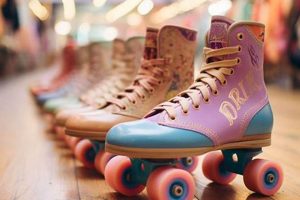
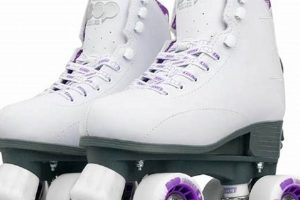
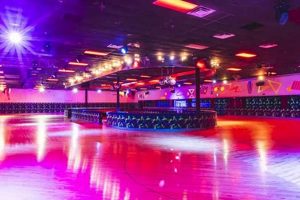
Footwear designed for recreational or competitive use, these items feature wheels affixed to the sole, enabling the wearer to glide across smooth surfaces. Typically constructed with a boot or shoe attached to a chassis, these products are categorized by fit, wheel type, and intended purpose. An example is a high-top boot with polyurethane wheels suitable for rink skating.
These wheeled boots provide a unique combination of exercise and enjoyment, offering a low-impact cardiovascular workout that strengthens muscles and improves balance. Historically, the evolution of these devices has mirrored advancements in materials science and manufacturing, leading to greater comfort, performance, and durability. This development has fostered community, encouraged outdoor activity, and cultivated a sport enjoyed across generations.
The subsequent sections delve into specific considerations for selecting the correct size and style, maintaining the equipment properly, and exploring the various disciplines and activities associated with this form of wheeled locomotion. Further discussion elaborates on safety precautions and the societal impact of roller skating as a recreational pursuit.
Selection and Maintenance Guidelines
The following guidelines offer essential advice for selecting and maintaining appropriate skating equipment. Careful consideration of these points enhances performance and prolongs product lifespan.
Tip 1: Determine Correct Size. Precise foot measurement is paramount. Consult size charts specific to the manufacturer. A snug fit is desirable; excessive space can compromise control and increase the risk of injury.
Tip 2: Evaluate Wheel Hardness. Wheel durometer affects grip and speed. Softer wheels (lower durometer) offer greater grip, while harder wheels (higher durometer) provide enhanced speed. Select wheel hardness based on skating surface and intended use.
Tip 3: Inspect Boot Construction. Examine the boot material and construction quality. Leather or reinforced synthetic materials offer superior support and durability. Secure stitching and robust ankle support are critical features.
Tip 4: Assess Bearing Quality. Bearing quality significantly impacts rolling efficiency. ABEC ratings indicate bearing precision. Higher ABEC ratings suggest tighter tolerances and smoother rolling. Regularly cleaning and lubricating bearings maintains optimal performance.
Tip 5: Check Frame Material. The frame, or chassis, material influences stability and responsiveness. Aluminum frames provide greater rigidity than plastic frames, enhancing energy transfer and control. Inspect the frame for cracks or damage before each use.
Tip 6: Employ Protective Gear. Helmets, wrist guards, elbow pads, and knee pads are essential safety equipment. Ensure a snug and secure fit for all protective gear. Replace damaged or worn protective equipment immediately.
Tip 7: Implement Regular Maintenance. Routine maintenance prolongs equipment life and ensures safe operation. Clean wheels and bearings regularly to remove debris. Inspect and tighten all hardware before each use. Replace worn parts promptly.
Adherence to these guidelines ensures a safer, more enjoyable skating experience and maximizes the longevity of purchased equipment.
The subsequent section addresses specific styles and their suitability for various skating activities.
1. Ankle Support

Ankle support is a critical design element in footwear intended for wheeled locomotion. Its primary function is to stabilize the ankle joint, thereby mitigating the risk of sprains, strains, and other injuries. The design characteristics of the boot directly impact the degree of support provided. For example, a high-top boot constructed with reinforced synthetic materials or leather generally offers superior ankle support compared to a low-cut design using flexible fabrics. The rigidity of the material and the height of the boot work in concert to limit excessive lateral movement of the ankle.
Insufficient ankle support can lead to instability, particularly during maneuvers involving rapid changes in direction or impact. This instability increases the likelihood of ankle inversion or eversion injuries. Conversely, adequate ankle support enhances control and power transfer, enabling skaters to execute more complex techniques with greater confidence and reduced risk. Competitive skaters often prioritize boots with enhanced ankle support features, accepting a potential trade-off in flexibility for improved stability and responsiveness. Recreational users may opt for a balance between support and comfort, selecting a boot with moderate ankle reinforcement.
In summation, the level of ankle support engineered into wheeled footwear directly influences safety and performance. Selection should align with the intended use and the skater’s skill level. Prioritizing boots offering appropriate ankle stability is crucial for injury prevention and maximizing skating proficiency. The interplay of boot height, material composition, and overall design determines the effectiveness of ankle support in mitigating risks and enhancing the overall skating experience.
2. Wheel Durometer
Wheel durometer, a measure of a wheel’s hardness, significantly impacts the performance and suitability of wheeled footwear. Expressed on the A scale, ranging from 0A (softest) to 100A (hardest), this attribute influences grip, speed, and durability, directly affecting the skating experience.
- Grip Characteristics
Softer wheels (78A-85A) offer enhanced grip on diverse surfaces. The increased contact area provides superior traction, particularly beneficial for outdoor skating on uneven terrain or indoor surfaces with less-than-ideal conditions. This improved grip enhances stability and control, making it ideal for beginners and those prioritizing maneuverability over speed. Reduced slippage also contributes to increased safety.
- Speed Potential
Harder wheels (88A-101A) prioritize speed and rolling efficiency. Their lower rolling resistance allows for faster acceleration and sustained velocity on smooth, clean surfaces. Rink skaters and speed enthusiasts often prefer harder wheels to maximize performance. The trade-off is reduced grip, which demands greater skill and control to maintain stability, especially during sharp turns or sudden stops.
- Durability Considerations
Wheel durometer affects wear resistance. Softer wheels, while offering enhanced grip, tend to wear down more quickly, especially on abrasive surfaces. Harder wheels exhibit greater durability, resisting wear and tear over extended periods. The choice between durability and grip necessitates balancing performance requirements with the anticipated skating environment and frequency of use. Frequent outdoor skating on rough surfaces may warrant harder wheels to prolong lifespan, despite the reduction in grip.
- Surface Compatibility
Specific durometers are optimized for particular skating surfaces. Softer wheels excel on outdoor asphalt or concrete, absorbing vibrations and providing a smoother ride. Harder wheels perform optimally on smooth, polished surfaces like those found in roller rinks or skate parks. Selecting a durometer incompatible with the skating surface can compromise performance, control, and comfort.
Therefore, appropriate wheel durometer selection requires careful consideration of skating environment, skill level, and performance priorities. Matching wheel hardness to the intended use optimizes the skating experience, enhancing safety, control, and overall enjoyment for wheeled footwear users.
3. Bearing Precision
Bearing precision is a critical factor influencing the performance characteristics of wheeled footwear. The manufacturing tolerances and material quality of bearings directly impact rolling efficiency, speed, and the overall skating experience.
- ABEC Rating System
The Annular Bearing Engineers’ Committee (ABEC) rating system is an industry standard for classifying bearing tolerances. Ratings, ranging from ABEC 1 to ABEC 9, indicate the level of precision in manufacturing. Higher ABEC ratings signify tighter tolerances and reduced friction, leading to smoother and faster rolling. For example, bearings with an ABEC 7 rating are generally smoother and faster than ABEC 3 bearings due to their more precise construction. The ABEC rating primarily measures dimensional accuracy and does not directly correlate with load-bearing capacity, material quality, or lubrication properties.
- Rolling Efficiency
Bearing precision directly affects rolling efficiency. Bearings with tighter tolerances and smoother surfaces minimize friction, allowing wheels to rotate more freely with less energy expenditure. This reduced friction translates into increased speed and reduced fatigue for the skater. For instance, bearings with a high degree of precision require less force to initiate and maintain wheel rotation, enhancing the overall gliding experience. Conversely, bearings with poor precision create more friction, requiring more effort to maintain speed.
- Durability and Maintenance
The precision of bearings also influences their durability and maintenance requirements. High-precision bearings are often manufactured with superior materials and tighter seals, protecting them from contaminants such as dirt and moisture. This protection extends their lifespan and reduces the frequency of cleaning and lubrication. For example, sealed bearings with an ABEC 5 or higher rating are more resistant to environmental factors, requiring less frequent maintenance compared to unsealed or lower-rated bearings. Regular cleaning and lubrication, however, remain essential for optimal performance and longevity, regardless of the ABEC rating.
- Skating Style and Application
The appropriate level of bearing precision depends on the intended skating style and application. Recreational skaters may find that ABEC 3 or ABEC 5 bearings provide adequate performance, balancing cost and efficiency. Competitive skaters or those seeking maximum speed often opt for ABEC 7 or ABEC 9 bearings to gain a competitive edge. The choice depends on the skater’s skill level, performance goals, and budget. Freestyle or aggressive skaters may prioritize durability and impact resistance over ultimate speed, selecting bearings that can withstand the stresses of jumps and tricks, even if they are not the highest ABEC rated.
In conclusion, bearing precision, as indicated by the ABEC rating and other factors, significantly impacts the performance, durability, and maintenance requirements of wheeled footwear. Selecting bearings with appropriate precision is crucial for optimizing the skating experience, ensuring both efficiency and longevity based on intended use and skating style.
4. Boot Material

The selection of boot material in wheeled footwear directly influences comfort, support, durability, and overall performance. The boot constitutes the primary interface between the skater’s foot and the equipment, dictating stability and control. Common materials include leather, synthetic leather, reinforced nylon, and composite materials, each exhibiting distinct properties affecting the skating experience. Leather, for instance, provides a conforming fit, breathability, and long-term durability, exemplified by its prevalence in high-end artistic skating models. Conversely, synthetic materials offer water resistance and ease of maintenance, often utilized in recreational models.
The impact of boot material extends beyond mere comfort. The material’s rigidity dictates the level of ankle support, directly affecting stability during maneuvers. Reinforced nylon or composite materials offer superior rigidity, crucial for aggressive skating disciplines requiring precise control and impact absorption. An inadequate material, such as flimsy fabric, compromises ankle stability, increasing the risk of injury. The material’s breathability also impacts comfort, with poorly ventilated boots leading to moisture buildup and discomfort. Proper material selection, therefore, balances support, comfort, and durability based on the intended skating style.
The relationship between boot material and performance is undeniable. Selecting a boot constructed with appropriate materials ensures a secure and comfortable fit, enhances control and stability, and contributes to the longevity of the equipment. While personal preference plays a role, the material’s inherent properties ultimately dictate the skater’s ability to perform effectively and safely. Understanding this connection is crucial for making informed purchasing decisions and optimizing the skating experience, as it allows for selection that best aligns with individual needs and skating style.
5. Frame Rigidity

The frame, or chassis, of wheeled footwear serves as the foundational structure connecting the boot to the wheels. The rigidity of this component profoundly influences stability, power transfer, and responsiveness, thereby shaping the overall skating experience. The material composition and structural design of the frame are primary determinants of its rigidity.
- Material Composition
Frame materials commonly include aluminum, reinforced polymers, and, in some instances, steel. Aluminum frames offer superior rigidity compared to polymer frames, enabling more efficient energy transfer from the skater’s foot to the wheels. This enhanced energy transfer results in improved acceleration and responsiveness. Polymer frames, while less rigid, often provide greater shock absorption, beneficial for recreational skating on uneven surfaces. Steel frames, though durable, are heavier and less common in modern designs. The choice of material significantly impacts the frame’s ability to resist deformation under stress, a critical factor in maintaining control.
- Structural Design
The frame’s geometry and construction methods contribute significantly to its overall rigidity. Frames with a box-like or reinforced cross-sectional design exhibit greater resistance to bending and twisting compared to simpler, less robust designs. Bridge structures and strategically placed ribs enhance stiffness without adding excessive weight. The method of attachment to the boot also influences rigidity; a secure, flush mount maximizes energy transfer and minimizes flex. Frame length is another factor, with shorter frames generally offering greater maneuverability and longer frames providing increased stability at higher speeds. The interaction between these design elements determines the frame’s ability to maintain its shape under load.
- Power Transfer Efficiency
A rigid frame maximizes power transfer efficiency, ensuring that the skater’s energy is directly translated into forward motion. Frame flex or deformation dissipates energy, reducing acceleration and responsiveness. This effect is particularly noticeable during high-intensity maneuvers such as jumps, turns, and sprints. A frame that maintains its shape under stress allows the skater to exert greater control and achieve higher levels of performance. Competitive skaters often prioritize frames with high rigidity to optimize power transfer and gain a competitive edge.
- Stability and Control
Frame rigidity directly affects stability and control, particularly at higher speeds or during challenging maneuvers. A rigid frame provides a stable platform, minimizing unwanted flex and allowing the skater to maintain a consistent center of gravity. This stability enhances confidence and reduces the risk of falls. In contrast, a flexible frame can feel unstable and unpredictable, making it difficult to maintain balance and control, especially when navigating uneven surfaces or executing sharp turns. The frame’s ability to resist torsional flex is particularly important for maintaining control during lateral movements.
In summary, frame rigidity is a critical attribute of wheeled footwear that directly impacts performance, stability, and control. Selection of a frame with appropriate rigidity, based on skating style and intended use, is essential for optimizing the skating experience and maximizing the skater’s potential. The interplay of material composition, structural design, power transfer efficiency, and stability underscores the importance of considering frame rigidity when choosing wheeled footwear.
6. Brake System
The braking system constitutes a fundamental safety component of wheeled footwear, directly influencing a skater’s ability to control deceleration and prevent collisions. The effectiveness of the brake mechanism is paramount, particularly for novice skaters or those navigating congested environments. The typical design involves a heel brake, a rubber or composite pad affixed to the rear of one or both boots. Applying pressure to the heel forces the pad into contact with the skating surface, generating friction that slows the skater’s momentum. Alternative designs, such as toe stops or inline brake systems, exist but are less common in traditional quad skates. A properly functioning brake system allows for controlled stops, enabling skaters to react to unexpected obstacles or changes in terrain, mitigating the risk of injury. An improperly maintained or absent brake system severely compromises safety, increasing the potential for uncontrolled acceleration and subsequent accidents.
The practical application of a functional braking mechanism extends beyond basic safety. Efficient braking techniques enable skaters to execute more complex maneuvers, such as controlled slides or abrupt stops, broadening the range of achievable skills. For example, a skater utilizing a well-maintained heel brake can transition from forward to backward skating with a controlled stop, enhancing agility and versatility. Furthermore, the presence of a reliable braking system fosters confidence, encouraging skaters to explore their capabilities while minimizing anxiety regarding potential hazards. Regular inspection and replacement of worn brake pads are essential maintenance procedures to ensure consistent and dependable performance. Neglecting brake maintenance reduces stopping power and increases the risk of brake failure, directly impacting skater safety.
In summary, the braking system is an indispensable element of wheeled footwear, providing a crucial margin of safety and enabling skaters to execute controlled movements. Its effectiveness hinges on design, maintenance, and proper usage techniques. The absence or malfunction of this system poses a significant safety risk, underscoring the importance of regular inspection and timely replacement of worn components. The challenge lies in promoting awareness of brake maintenance and educating skaters on proper braking techniques to maximize safety and enhance the overall skating experience.
Frequently Asked Questions About These Skates
The following addresses common inquiries regarding wheeled footwear designed for women, aiming to clarify typical concerns and misconceptions.
Question 1: Are specialized designs for women functionally different from unisex models?
Designs specifically for women often feature a narrower boot profile and enhanced arch support tailored to the typical female foot anatomy. While unisex models can be suitable, designs engineered for women prioritize fit and comfort, potentially improving control and reducing discomfort during extended use.
Question 2: What constitutes proper maintenance for wheeled footwear?
Proper maintenance includes regular cleaning of wheels and bearings, inspection for loose hardware, and prompt replacement of worn components, such as brake pads. Neglecting maintenance can compromise performance and safety.
Question 3: How does wheel durometer impact the skating experience?
Wheel durometer, a measure of hardness, affects grip and speed. Softer wheels (lower durometer) offer greater grip, suitable for outdoor surfaces, while harder wheels (higher durometer) provide enhanced speed on smooth surfaces like rinks.
Question 4: What safety equipment is considered essential?
Essential safety equipment includes a properly fitted helmet, wrist guards, elbow pads, and knee pads. These items mitigate the risk of injury in the event of a fall.
Question 5: How should the correct size be determined?
Precise foot measurement is crucial. Consult size charts specific to the manufacturer. A snug fit is desirable to prevent slippage within the boot, which can compromise control.
Question 6: What are common indicators of bearing failure?
Indicators of bearing failure include unusual noises, such as grinding or squealing, and a noticeable decrease in rolling efficiency. Damaged bearings should be replaced immediately to maintain performance and prevent further equipment damage.
In conclusion, attention to proper fit, maintenance, and safety practices is essential for maximizing the enjoyment and safety of using wheeled footwear. Informed choices and consistent care contribute to a positive skating experience.
The subsequent section addresses different skating styles and their corresponding equipment requirements.
Conclusion
This exploration has detailed aspects critical to the selection, maintenance, and understanding of items designed for women. Emphasis has been placed on factors such as fit, material composition, safety features, and performance considerations, underscoring their impact on the overall skating experience.
Continued advancements in design and technology are anticipated to further enhance the comfort, safety, and performance of this equipment. Individuals are encouraged to prioritize informed decision-making when acquiring this footwear to ensure both enjoyment and well-being during recreational or competitive pursuits.