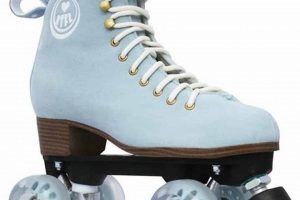
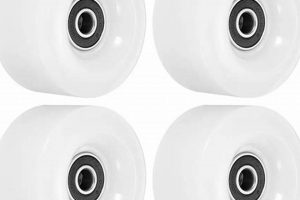
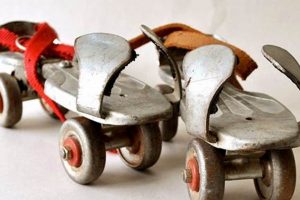
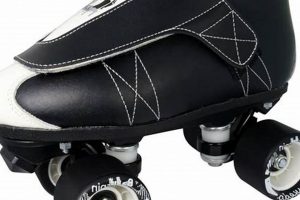
These recreational devices, designed for gliding movement, offer mobility on both smooth interior surfaces and various exterior terrains. Their construction typically involves a boot or shoe attached to a frame with wheels. The specific materials and design features vary significantly depending on the intended environment of use.
The appeal of these devices stems from their capacity to provide physical exercise, recreational enjoyment, and a mode of transportation. Historically, their development reflects advancements in materials science and engineering, leading to enhanced performance, durability, and safety. Their versatility contributes to their widespread adoption across diverse age groups and skill levels.
A detailed examination of wheel composition, bearing types, frame materials, and boot construction reveals the crucial differences between models intended for controlled indoor environments and those designed to withstand the challenges of outdoor use. Understanding these distinctions is vital for selecting appropriate equipment and maximizing the user experience.
Essential Considerations for Roller Skate Selection
Choosing the appropriate roller skates requires careful consideration of the intended usage environment. The following points highlight key factors influencing the selection process.
Tip 1: Wheel Durometer. Harder wheels (higher durometer) are generally preferred for indoor surfaces due to their lower rolling resistance. Softer wheels (lower durometer) offer better grip and shock absorption on rougher outdoor terrains.
Tip 2: Wheel Size. Larger diameter wheels tend to roll more efficiently over obstacles encountered outdoors, providing a smoother ride. Smaller diameter wheels offer increased maneuverability, often favored in indoor rink environments.
Tip 3: Bearing Precision. Higher ABEC ratings indicate tighter tolerances and smoother rolling action. While beneficial for both indoor and outdoor skating, high-precision bearings are particularly advantageous for maintaining speed and minimizing energy expenditure during extended outdoor sessions.
Tip 4: Boot Construction. A supportive boot is crucial for ankle stability and injury prevention. Outdoor skates often feature reinforced ankle support and thicker padding to withstand impacts and provide greater protection on uneven surfaces. Consider boot materials that offer breathability to manage moisture during extended use.
Tip 5: Frame Material. Aluminum frames provide a rigid and responsive skating experience, commonly used for indoor and more advanced skating styles. Nylon or composite frames offer more flexibility and shock absorption, making them suitable for beginners or outdoor skating on less-than-perfect surfaces.
Tip 6: Toe Stop/Plug. Evaluate the toe stop based on its adjustability and the material it is made from. More experienced skater may choose to remove their toe stops/plugs. Be sure to be aware if you are thinking of removing it for outdoor environment.
Properly selected roller skates enhance performance, comfort, and safety, regardless of the chosen skating environment. Prioritizing these factors will ensure a more enjoyable and effective skating experience.
The subsequent sections will delve into specific maintenance procedures to prolong the lifespan of chosen equipment.
1. Wheel Durometer
Wheel durometer, a measure of a wheel’s hardness, plays a pivotal role in determining the performance and suitability of roller skates for various surfaces. Its influence on grip, speed, and shock absorption is fundamental to both indoor and outdoor skating experiences.
- Hardness and Rolling Resistance
Higher durometer values indicate harder wheels, characterized by lower rolling resistance. These wheels excel on smooth indoor surfaces, enabling skaters to achieve greater speeds with minimal effort. Lower rolling resistance translates to enhanced efficiency, a critical factor for competitive indoor disciplines such as speed skating and roller derby.
- Grip and Traction
Softer wheels, denoted by lower durometer values, offer superior grip and traction. This characteristic is essential for navigating the varied and often unpredictable surfaces encountered outdoors. The increased friction between the wheel and the ground allows for better control, stability, and maneuverability, particularly on asphalt, concrete, and uneven terrain. The durometer value will affect the skating experience outdoor.
- Shock Absorption and Comfort
The capacity to absorb shocks and vibrations is another key determinant of wheel durometer. Softer wheels excel at dampening the impact of rough surfaces, providing a more comfortable skating experience, especially during extended outdoor sessions. Harder wheels, conversely, transmit more vibrations, potentially leading to fatigue and discomfort on uneven terrain.
- Durability and Wear
Wheel durometer also affects durability and wear resistance. Harder wheels generally exhibit greater resistance to abrasion and wear, making them suitable for frequent use on smooth indoor surfaces. Softer wheels, while offering enhanced grip and comfort, may wear down more quickly, particularly when used on abrasive outdoor surfaces.
The selection of an appropriate wheel durometer necessitates a careful consideration of the intended skating environment. A higher durometer optimizes speed and efficiency on smooth indoor rinks, while a lower durometer prioritizes grip, comfort, and control on varied outdoor terrains. Understanding this trade-off is essential for maximizing performance and ensuring a safe and enjoyable skating experience.
2. Bearing Precision
Bearing precision, often quantified by the Annular Bearing Engineers’ Committee (ABEC) rating, directly influences the performance characteristics of roller skates in both indoor and outdoor environments. The rating, which includes ABEC 1, 3, 5, 7, and 9, indicates the manufacturing tolerances of the bearing; a higher number signifies tighter tolerances and increased precision. This precision impacts the bearing’s ability to rotate smoothly and efficiently, ultimately affecting the skater’s speed, roll duration, and energy expenditure.
In indoor settings, where surfaces are generally smooth and predictable, the advantages of high-precision bearings (ABEC 5 or higher) become more apparent. The reduced friction allows for faster acceleration, higher top speeds, and longer coasting distances with each push. Conversely, outdoor skating introduces variables such as debris, uneven surfaces, and varied terrains. While high-precision bearings can still offer performance benefits, their tighter tolerances make them more susceptible to damage from contaminants. Lower-rated bearings, with their slightly looser tolerances, can often withstand the rigors of outdoor skating better, proving more durable and requiring less frequent maintenance. For instance, skating on asphalt might introduce small particles that could compromise high-precision bearings, rendering them less efficient over time. The ABEC ratings also affects the cost of roller skates, which can affect the buying decision of roller skates.
Therefore, the selection of bearings for roller skates necessitates a balanced consideration of performance requirements and environmental factors. While high-precision bearings may offer enhanced speed and efficiency on controlled indoor surfaces, lower-rated bearings often provide a more robust and practical solution for the demands of outdoor skating. The skater must consider skating style, typical skating location, and maintenance commitment when selecting the appropriate bearing precision for their equipment. Without considering these, roller skates will not be used at the best performance.
3. Boot Support
Boot support is a critical attribute influencing stability, comfort, and injury prevention in roller skating. Its importance is amplified by the varying demands placed on the skater’s foot and ankle in indoor versus outdoor environments. The design and construction of the boot directly impact a skater’s ability to maintain control and execute maneuvers safely.
- Ankle Stability and Injury Prevention
In both indoor and outdoor skating, adequate ankle support is paramount for preventing sprains and other injuries. Outdoor skating, with its unpredictable surfaces, necessitates a boot design that provides enhanced lateral stability to compensate for uneven terrain. High-cut boots or those with reinforced ankle bracing are often preferred for outdoor use. Indoor skating, while generally occurring on smoother surfaces, still requires sufficient ankle support to withstand the repetitive stresses of turns and jumps.
- Energy Transfer and Responsiveness
The boot’s construction influences the efficiency of energy transfer from the skater’s foot to the skates. A stiffer boot generally provides more direct power transfer, enhancing responsiveness and control. This is particularly beneficial in indoor skating, where precise movements and quick turns are common. Conversely, a more flexible boot may offer greater comfort and allow for a wider range of motion, potentially advantageous for recreational outdoor skating.
- Material Composition and Comfort
The materials used in boot construction affect breathability, weight, and overall comfort. Outdoor skating often involves prolonged periods of exertion in varying weather conditions, necessitating breathable materials that wick away moisture and prevent overheating. Indoor skating, while typically occurring in climate-controlled environments, still benefits from breathable materials to minimize discomfort and maintain hygiene. Padding and cushioning within the boot contribute significantly to comfort, reducing pressure points and preventing blisters.
- Closure Systems and Fit
Secure and adjustable closure systems, such as laces, buckles, or straps, are essential for achieving a proper fit and maximizing boot support. A snug fit minimizes foot movement within the boot, enhancing stability and control. Outdoor skating demands a secure closure system that can withstand the forces generated by uneven terrain and sudden movements. Indoor skating benefits from adjustable closures that allow skaters to fine-tune the fit for optimal comfort and performance. The skater must carefully make sure that the boots have proper fit, or the roller skates experience could be affected.
These aspects of boot support are fundamental considerations in selecting roller skates appropriate for the intended environment. Prioritizing ankle stability, energy transfer efficiency, material comfort, and secure fit ensures a safer, more enjoyable, and more effective skating experience, whether gliding across a smooth indoor rink or navigating the diverse surfaces encountered outdoors. The choice of boot construction directly influences performance and comfort, underscoring the importance of careful evaluation during the selection process.
4. Frame Rigidity
Frame rigidity, a crucial attribute of roller skates, dictates the responsiveness and stability experienced by the skater. This parameter significantly influences performance across diverse skating environments. The relationship between frame rigidity and skate performance varies depending on whether the activity occurs indoors or outdoors, primarily due to the differences in surface conditions and skating styles typically employed.
A more rigid frame delivers enhanced energy transfer, resulting in quicker acceleration and more precise control. This is particularly advantageous for indoor skating disciplines such as roller derby and artistic skating, where agility and responsiveness are paramount. Indoor surfaces, being generally smooth and uniform, allow skaters to fully exploit the benefits of a rigid frame without compromising comfort. Conversely, outdoor skating often involves navigating uneven or rough surfaces. A less rigid frame can offer increased shock absorption, mitigating the impact of vibrations and bumps, thus improving comfort and reducing fatigue over extended periods. Frames constructed from materials like reinforced nylon or composites provide greater flexibility than those made from aluminum, making them suitable for recreational outdoor skating or beginner skaters who prioritize comfort over maximum performance. For example, a skater navigating a cracked asphalt path benefits from a frame that dampens vibrations, whereas a skater executing intricate routines on a polished rink requires the immediate response of a rigid frame.
In summary, frame rigidity’s impact on roller skate performance is environmentally dependent. While high rigidity translates to enhanced responsiveness on smooth indoor surfaces, a more flexible frame provides superior comfort and vibration dampening for outdoor skating. Selecting the appropriate frame rigidity requires careful consideration of the skater’s skill level, skating style, and the typical terrain encountered. Neglecting this consideration can lead to decreased performance, increased fatigue, or a higher risk of injury. Balancing responsiveness and comfort through careful frame selection is essential for maximizing the skating experience, regardless of the location.
5. Toe Stop

The toe stop, a critical component of many roller skate designs, serves as a braking mechanism and stability aid. Its function and optimal configuration vary substantially between indoor and outdoor skating contexts. The primary purpose of the toe stop is to enable controlled deceleration and stops, achieved by applying pressure to the front of the skate, causing the rubber or composite material to engage with the skating surface. Furthermore, it is utilized for specific maneuvers, such as toe-assisted spins or pivots, adding to its versatility. For example, a skater performing a hockey stop or a jammer blocking an opponent in roller derby are highly dependent on the responsiveness of their toe stops.
In indoor skating, the smooth, predictable surface of a rink allows for precise and controlled braking. Indoor toe stops are frequently made of materials that prioritize grip on polished surfaces, such as non-marking rubber compounds. Their adjustment is often fine-tuned to facilitate specific skating techniques and maneuvers. Conversely, outdoor skating presents a more variable environment with rough and uneven surfaces. Outdoor toe stops typically utilize more durable materials designed to withstand abrasion and impact, such as harder rubber or composite blends. A larger surface area may also be preferred to increase contact with the ground and enhance braking effectiveness on imperfect terrain. Consider the skater navigating an unexpected pothole; a properly adjusted and durable outdoor toe stop can prevent a fall and potential injury. The option to remove a toe stop/plug is also more prevelant among skater, but caution is advised, and only for experienced skater. Also, the choice to remove for indoor rink or outdoor terrains can differ based on experience.
In conclusion, the toe stop is integral to the safety and functionality of roller skates. Its design, material composition, and adjustment must be carefully considered in relation to the intended skating environment. Indoor skating necessitates a toe stop optimized for grip and precision, while outdoor skating requires enhanced durability and braking power on varied surfaces. A failure to select the appropriate toe stop configuration can compromise control, increase the risk of accidents, and diminish the overall skating experience. Therefore, a thorough understanding of the specific demands of each environment is critical for informed toe stop selection.
6. Wheel Size

Wheel size profoundly influences the performance characteristics of roller skates, impacting speed, maneuverability, and stability. The selection of appropriate wheel size depends significantly on the intended skating environment, distinguishing between the demands of indoor rinks and outdoor terrains.
- Indoor Rinks: Smaller Wheel Diameters
Indoor rinks, characterized by smooth, predictable surfaces, often favor smaller diameter wheels. These wheels, typically ranging from 54mm to 65mm, enhance maneuverability and responsiveness. The reduced size facilitates quicker turns and more precise control, essential for disciplines such as roller derby and artistic skating. Smaller wheels also contribute to a lower center of gravity, improving stability during intricate maneuvers. For example, a roller derby skater executing rapid directional changes benefits from the agility afforded by smaller wheels.
- Outdoor Terrains: Larger Wheel Diameters
Outdoor skating environments, encompassing asphalt, concrete, and uneven surfaces, typically benefit from larger diameter wheels. Wheels ranging from 70mm to 110mm roll more efficiently over cracks, pebbles, and other obstacles. The increased diameter provides a smoother ride and reduces the energy required to maintain speed. Larger wheels also offer improved shock absorption, enhancing comfort during extended outdoor skating sessions. A recreational skater traversing a paved trail experiences the benefits of larger wheels in their ability to overcome minor surface imperfections with ease.
- Trade-offs: Speed vs. Maneuverability
The choice between smaller and larger wheels represents a trade-off between maneuverability and speed. Smaller wheels excel in tight spaces, allowing for quick adjustments and responsive handling. However, they may struggle to maintain momentum on rougher surfaces. Larger wheels prioritize speed and efficiency, but may feel less agile in confined areas. The ideal wheel size depends on the skater’s skill level, skating style, and the specific characteristics of the environment. A beginner skater might prefer the stability of larger wheels, while an experienced skater might prioritize the agility of smaller wheels.
- Hybrid Options: Versatility and Compromise
Some skaters opt for intermediate wheel sizes that attempt to balance the benefits of both smaller and larger wheels. Wheels in the 65mm to 70mm range offer a compromise between maneuverability and speed, providing versatility for skaters who frequently transition between indoor and outdoor environments. These hybrid options may not excel in either setting, but they offer a practical solution for skaters seeking a general-purpose wheel configuration. A skater who occasionally skates both indoors and outdoors might find this versatile option the most convenient.
Wheel size is a critical factor in optimizing roller skate performance. A thorough understanding of the trade-offs associated with different wheel diameters enables skaters to make informed decisions, ensuring a safe, comfortable, and enjoyable skating experience, regardless of the environment. Neglecting this consideration can lead to diminished performance, increased fatigue, or a higher risk of injury. Careful selection of the correct wheel size, balancing maneuverability and comfort, is essential for maximizing the skating experience, whether gliding across a smooth indoor rink or navigating the diverse surfaces encountered outdoors.
7. Surface Type

The surface upon which roller skates are used constitutes a primary determinant in equipment selection and performance optimization. Disparate surface characteristics necessitate specific adaptations in skate design and componentry to ensure safety, efficiency, and user satisfaction.
- Indoor Rinks: Smoothness and Grip
Indoor rinks are typically characterized by highly polished, smooth surfaces, often constructed from wood or synthetic materials. These surfaces prioritize minimal friction and consistent grip. Skates designed for indoor use frequently incorporate harder wheels with higher durometer ratings to maximize speed and minimize rolling resistance on these smooth surfaces. Specialized coatings are often applied to enhance grip and prevent slippage.
- Asphalt: Durability and Vibration
Asphalt surfaces, common in outdoor environments, present a more abrasive and uneven skating experience. Skates intended for asphalt use demand durable wheels with lower durometer ratings to provide adequate grip and absorb vibrations. Boot designs may also incorporate enhanced padding and support to mitigate the impact of irregularities in the surface. The presence of debris on asphalt surfaces necessitates consideration of bearing sealing and maintenance.
- Concrete: Versatility and Wear
Concrete surfaces, found in both indoor and outdoor settings, offer a balance between smoothness and durability. Skates suitable for concrete may incorporate intermediate wheel durometer ratings, balancing speed and grip. The abrasive nature of concrete necessitates the use of wear-resistant wheel materials. Surface variations in outdoor concrete environments may still require consideration of vibration dampening and ankle support.
- Wood: Controlled and Consistent
Wood surfaces, commonly found in indoor rinks, offer a controlled and consistent skating experience. Skates designed for wood surfaces often prioritize precision and maneuverability, incorporating smaller diameter wheels and responsive frame designs. The smooth, predictable nature of wood surfaces allows for the execution of intricate maneuvers with minimal risk of unexpected surface irregularities.
The interplay between surface type and skate design is fundamental to achieving optimal performance and safety in roller skating. Recognizing the specific characteristics of the skating surface and selecting appropriately configured equipment is essential for maximizing the user experience. A failure to consider surface type can lead to decreased performance, increased risk of injury, and premature equipment wear.
Frequently Asked Questions
The following questions address common inquiries regarding the selection, maintenance, and use of roller skates in various environments.
Question 1: Can roller skates designed for indoor use be safely used outdoors?
The utilization of indoor roller skates in outdoor environments is generally discouraged. Indoor skates often feature wheel durometers and bearing tolerances optimized for smooth, predictable surfaces. Outdoor surfaces present a more abrasive and uneven terrain, potentially leading to accelerated wear, reduced control, and increased risk of injury.
Question 2: What is the expected lifespan of roller skate wheels used exclusively outdoors?
The lifespan of outdoor roller skate wheels is contingent upon several factors, including the frequency of use, the abrasiveness of the skating surface, and the quality of the wheel material. Regular inspection for wear and timely replacement are crucial for maintaining performance and safety. Abrasive surfaces will decrease the lifespan of roller skate wheels used exclusively outdoors.
Question 3: How frequently should roller skate bearings be cleaned and lubricated?
The frequency of bearing maintenance depends on the skating environment. Indoor skates may require cleaning and lubrication every few months, while outdoor skates may necessitate more frequent attention due to exposure to dirt and debris. Proper cleaning and lubrication procedures extend bearing lifespan and maintain optimal performance.
Question 4: What safety equipment is essential for roller skating, regardless of the environment?
Irrespective of the skating environment, the utilization of appropriate safety equipment is paramount. Essential equipment includes a properly fitted helmet, wrist guards, elbow pads, and knee pads. These protective measures mitigate the risk of injury in the event of a fall or collision.
Question 5: How does wheel durometer impact roller skate performance on different surfaces?
Wheel durometer, a measure of wheel hardness, significantly affects roller skate performance. Softer wheels (lower durometer) provide enhanced grip and shock absorption on rough surfaces, while harder wheels (higher durometer) offer reduced rolling resistance on smooth surfaces. Selecting the appropriate durometer for the intended environment is crucial for optimizing performance and control.
Question 6: Is professional fitting recommended when purchasing roller skates?
Professional fitting is highly recommended, particularly for novice skaters. A qualified skate technician can assess foot size and shape, recommend appropriate boot styles, and ensure a proper fit. A well-fitted skate enhances comfort, stability, and control, reducing the risk of blisters and other foot-related issues.
Selecting the right equipment and maintaining it properly are the keys to a safe and enjoyable skating experience, regardless of whether you’re indoors or out.
The subsequent sections will provide guidance on storing your equipment when it is not in use.
Concluding Remarks on Roller Skates
This discourse has examined the nuanced attributes of roller skates tailored for distinct environments. Critical factors, including wheel durometer, bearing precision, boot support, frame rigidity, wheel size, and surface type, profoundly influence performance and safety. Proper equipment selection, aligned with the intended usage, is paramount for optimizing the skating experience.
The informed application of these principles enables skaters to navigate diverse terrains with enhanced control and confidence. Continued advancements in materials science and engineering promise further refinements in skate technology, augmenting both performance capabilities and user safety. The discerning selection and responsible maintenance of roller skates remains essential for maximizing enjoyment and minimizing risk.
![Top-Rated: Best Roller Skates for Men [Guide] | Learn to Surf & Skate: A Beginner's Step-by-Step Guide](https://universitysurfandskate.com/wp-content/uploads/2026/04/th-518-300x200.jpg "Top-Rated: Best Roller Skates for Men [Guide] Learn to Surf & Skate: A Beginner's Step-by-Step Guide")