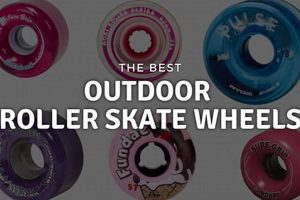
Modification and personalization of wheeled boots designed for gliding movement is a practice gaining traction among enthusiasts. These alterations can range from aesthetic upgrades like vibrant color schemes and personalized artwork to functional enhancements, including component replacements for improved performance. For instance, swapping standard wheels for those with a higher durometer allows for increased speed and maneuverability on smooth surfaces.
The importance of tailoring wheeled footwear lies in enhancing the user experience. Improved comfort through custom-molded insoles and personalized fit reduces fatigue during extended use. Enhanced performance, achieved by optimizing components for specific skating styles, allows skaters to reach their full potential. Historically, modification of this type of equipment evolved from simple repairs to deliberate improvements aimed at optimizing performance for competitive speed skating and artistic expression. This customization offers a unique opportunity for self-expression and performance optimization.
The remainder of this article will delve into the various aspects of component selection, fitting techniques, and artistic design considerations involved in creating individualized skating apparatus. A discussion of safety precautions and proper maintenance procedures will also be included.
Roller Skate Custom Tips
The following are guidelines intended to assist in the responsible and effective modification of skating equipment. Prioritize safety and performance optimization throughout the customization process.
Tip 1: Assess Skater Skill Level: Before initiating any significant modifications, accurately evaluate the skater’s skill level. Advanced alterations may be detrimental to novice skaters and should be reserved for experienced individuals.
Tip 2: Prioritize Boot Fit: The foundation of effective modification is a properly fitted boot. Ensure adequate support and comfort by selecting a boot size and style appropriate for the skater’s foot. Consider heat molding or custom liners for optimal fit.
Tip 3: Select Appropriate Wheels: Wheel selection significantly impacts performance. Consider the skating surface and intended style. Harder wheels offer greater speed on smooth surfaces, while softer wheels provide better grip on rougher terrain.
Tip 4: Optimize Bearing Performance: High-quality bearings reduce friction and enhance speed. Regularly clean and lubricate bearings to maintain optimal performance. Consider upgrading to ceramic bearings for reduced resistance.
Tip 5: Upgrade Truck and Plate Components: The truck and plate directly affect maneuverability and stability. Consider replacing these components with higher-quality alternatives for improved control and responsiveness. Ensure compatibility with the chosen boot.
Tip 6: Consider Custom Toe Stops/Plugs: Different toe stops or plugs can affect balance and braking. Select based on skating style and preference for jam plugs (for dance) or adjustable toe stops (for rink skating). Ensure secure attachment and proper adjustment.
Tip 7: Evaluate the frame : Select a frame material and length appropriate for your skating style. A longer frame will provide greater stability at high speeds, while a shorter frame offers improved maneuverability.
Tip 8: Maintain Equipment Regularly: Routine maintenance is crucial for safety and longevity. Inspect all components regularly for wear and tear, and replace worn parts promptly. Properly adjusted and maintained equipment ensures a safer and more enjoyable skating experience.
Adhering to these recommendations promotes a safer and more effective approach to skating equipment modification, maximizing both performance and enjoyment.
The subsequent sections will delve into specific component selection criteria and advanced customization techniques.
1. Boot Fit
Optimal boot fit forms the foundation of effective wheeled boot modification. A well-fitted boot enhances control, reduces the risk of injury, and maximizes comfort, ultimately contributing to an improved skating experience. Conversely, poorly fitted boots can lead to discomfort, blisters, and compromised performance, negating any potential benefits from other modifications.
- Ankle Support
Adequate ankle support is crucial for stability and injury prevention. A boot that provides insufficient support can lead to ankle sprains or strains, particularly during aggressive maneuvers. Modification can involve adding aftermarket supports or selecting boots with built-in ankle bracing to address this issue. Example: Reinforcing the ankle area with specialized padding or using heat-moldable materials to conform to the individual skater’s anatomy.
- Toe Box Dimensions
Sufficient toe box space prevents cramping and promotes natural foot movement. A constricted toe box can lead to discomfort, numbness, and even long-term foot problems. Customization options include stretching the toe box area or selecting boots with wider toe box designs. Example: Using specialized shoe stretching tools to expand the toe box of a leather boot or opting for a boot constructed with a wider profile to accommodate broader feet.
- Arch Support Integration
Proper arch support ensures even weight distribution and reduces strain on the feet. Insufficient arch support can contribute to fatigue and plantar fasciitis. Modification often involves adding custom orthotics or insoles to provide targeted support. Example: Consulting with a podiatrist to create custom-molded insoles that precisely match the skater’s arch profile and provide optimal support.
- Heel Hold Security
A secure heel hold prevents slippage and enhances control during skating. Excessive heel movement within the boot can lead to blisters and reduced responsiveness. Customization may involve adding heel pads or using lacing techniques to lock the heel in place. Example: Utilizing a power strap or speed lacing system to tighten the heel area and minimize movement during dynamic skating.
In conclusion, the intricacies of boot fit significantly impact the overall efficacy of wheeled boot modification. Addressing these fit-related aspects ensures that any subsequent customizations are built upon a solid foundation of comfort, support, and control, maximizing the skater’s enjoyment and minimizing the risk of injury.
2. Wheel Selection

The choice of wheels represents a critical juncture in tailoring wheeled boots to specific skating styles and environments. Wheel selection directly influences speed, grip, maneuverability, and overall skating experience. As such, careful consideration of wheel characteristics is paramount when undertaking wheeled boot modification.
- Durometer (Hardness)
Durometer, measured on the A scale, indicates wheel hardness. Softer wheels (lower durometer) offer enhanced grip and shock absorption, ideal for rough surfaces and recreational skating. Harder wheels (higher durometer) provide increased speed and roll efficiency on smooth surfaces, favoring speed skating and rink environments. The selection must align with intended use. Example: An 85A wheel provides a balance of grip and roll for outdoor skating, while a 98A wheel maximizes speed on a polished rink floor. Selecting a durometer inappropriate for the surface can compromise control or reduce speed potential.
- Diameter (Size)
Wheel diameter impacts acceleration, top speed, and maneuverability. Larger diameter wheels generally offer higher top speeds and greater roll distance per push, suited for long-distance skating. Smaller diameter wheels provide quicker acceleration and improved maneuverability, benefiting agility-focused disciplines. Example: 100mm wheels are common in speed skating for achieving maximum velocity, whereas 72mm wheels are prevalent in artistic skating for executing intricate maneuvers. Using overly large wheels on a short frame can negatively affect stability.
- Profile (Shape)
Wheel profile affects contact patch and turning characteristics. Round profiles provide smooth, predictable turns, beneficial for recreational skating and general maneuverability. Flat profiles offer increased grip and stability, suitable for aggressive skating styles and high-speed cornering. Example: A round profile wheel allows for fluid transitions and effortless carving, while a flat profile wheel maximizes grip during sharp turns in roller derby. Incorrect profile selection can result in unpredictable handling.
- Material Composition
Wheel material, primarily polyurethane, dictates durability, rebound, and overall performance. High-rebound polyurethane enhances energy return and roll speed. Specialized formulations offer improved grip, abrasion resistance, or shock absorption. Example: Urethane blends containing specific additives enhance grip on slick surfaces or extend wheel life under heavy use. Inferior materials can degrade quickly and compromise safety.
The interplay between durometer, diameter, profile, and material composition dictates the suitability of a particular wheel for a given skating application. Optimizing these characteristics is essential for maximizing performance, comfort, and safety during wheeled boot modification.
3. Bearing Performance
Bearing performance is integral to the efficacy of roller skate customization. The bearings, situated within the wheels, directly mediate the rolling efficiency and, consequently, the skater’s speed and energy expenditure. Customizing skates without addressing bearing quality and maintenance neglects a fundamental component of performance optimization. The selection of high-precision bearings, characterized by tighter tolerances and superior materials, results in reduced friction and improved roll. For example, upgrading from standard ABEC-rated bearings to ceramic hybrid bearings can demonstrably increase coasting distance and reduce the effort required to maintain speed. The practical implication is a more efficient and enjoyable skating experience, particularly for distance skating or competitive applications.
Further customization options related to bearing performance involve lubrication and maintenance protocols. Different lubricants, such as light oils or greases, offer varying degrees of friction reduction and protection against contamination. Regular cleaning and relubrication of bearings are essential for maintaining optimal performance and extending their lifespan. Neglecting these procedures can lead to increased friction, reduced speed, and premature bearing failure. A real-world scenario involves skaters performing routine maintenance after skating in sandy or wet conditions to prevent abrasive particles from damaging the bearing surfaces. Furthermore, the type of bearing shield (open, sealed, or shielded) affects the level of protection against contaminants and the ease of maintenance.
In summary, bearing performance constitutes a critical yet often overlooked aspect of roller skate customization. Optimization through the selection of high-quality bearings, appropriate lubrication, and consistent maintenance yields tangible improvements in speed, efficiency, and overall skating experience. The challenge lies in educating skaters about the significance of bearing performance and providing them with the knowledge and tools necessary to properly maintain and upgrade these components. This focus enhances the overall value and effectiveness of roller skate customization efforts.
4. Plate Rigidity
Plate rigidity, in the context of wheeled boot customization, directly influences responsiveness and stability. A more rigid plate facilitates immediate energy transfer from the skater’s movements to the wheels, resulting in quicker turns and increased control, particularly at higher speeds. Conversely, a less rigid plate allows for greater flex, potentially enhancing comfort and accommodating less precise skating styles. The choice of plate rigidity, therefore, is a critical decision point in customizing skating equipment for specific performance goals.
The importance of plate rigidity becomes evident when considering different skating disciplines. Speed skaters often favor highly rigid plates, typically constructed from aluminum or carbon fiber, to maximize power transfer and minimize energy loss during each stride. Artistic skaters, on the other hand, may prefer plates with a degree of flex to facilitate fluid movements and absorb impact during landings. The selection of plate material and design dictates the overall rigidity and the skating style for which it is best suited. For instance, a novice skater may benefit from a slightly more flexible plate that offers greater forgiveness, while an experienced skater might prefer the responsiveness of a stiffer plate. Customization, in this instance, extends to adjusting the plate’s action the tightness of the cushions or pivot cups further fine-tuning the boot’s responsiveness. The alignment between plate characteristics and skater needs is a significant factor in achieving optimal performance.
In summary, plate rigidity is a primary determinant of wheeled boot performance. Careful consideration of the skater’s skill level, skating style, and the intended use environment is necessary to select an appropriate plate. Customization efforts centered on plate selection and adjustment directly impact responsiveness, stability, and overall skating experience. Misalignment of plate rigidity with these factors can lead to compromised performance and potentially increase the risk of injury.
5. Toe Stop Type

The toe stop represents a critical, and often customizable, component within the realm of wheeled boot adaptation. This element, situated at the front of the plate, primarily functions as a braking mechanism and aids in various maneuvers. The choice of toe stop type directly impacts a skater’s control, agility, and safety. Consequently, toe stop selection constitutes a significant facet of tailored skating equipment.
Different skating disciplines necessitate specific toe stop characteristics. For instance, roller derby skaters typically utilize larger, durable toe stops to facilitate rapid stops and changes in direction. Artistic skaters may opt for smaller, adjustable toe stops or jam plugs (absence of toe stop) to enable intricate footwork and spins. Jam skaters forgo the toe stop altogether. The material composition of the toe stop also plays a crucial role; harder compounds offer greater durability but may sacrifice grip, while softer compounds provide superior stopping power but wear more quickly. Consider, for example, a skater transitioning from recreational skating to roller derby. Standard, non-adjustable toe stops may prove inadequate for the demands of the sport, necessitating an upgrade to larger, adjustable models constructed from a high-durometer compound.
In summary, the selection of toe stop type constitutes a vital aspect of wheeled boot personalization. The optimal choice depends on the intended skating style, skater skill level, and performance objectives. Careful consideration of size, adjustability, and material composition contributes directly to enhanced control, safety, and overall skating experience. Ignoring this component during modification efforts can compromise performance and increase the risk of injury.
Frequently Asked Questions Regarding Roller Skate Custom
This section addresses common inquiries and clarifies misconceptions pertaining to the personalization and modification of roller skates.
Question 1: What is the primary benefit of roller skate custom?
The foremost advantage lies in optimizing performance and comfort for individual needs. Customization allows skaters to tailor their equipment to specific skating styles, foot shapes, and performance goals, resulting in enhanced control and reduced risk of injury.
Question 2: Is roller skate custom only for experienced skaters?
While advanced modifications may be more relevant to experienced skaters, basic customization, such as adjusting boot tightness or replacing worn wheels, benefits skaters of all skill levels. Prioritizing proper fit and maintenance are universally applicable.
Question 3: What are the potential risks associated with roller skate custom?
Improper modifications can compromise safety and negatively impact performance. Ill-fitting components, incorrectly installed hardware, and inadequate maintenance pose significant risks. Adherence to manufacturer guidelines and professional consultation are recommended.
Question 4: How frequently should roller skate components be inspected and replaced?
Inspection frequency depends on usage intensity. Components subjected to heavy wear, such as wheels and bearings, should be inspected regularly, ideally before each skating session. Replacement frequency varies based on material quality and skating conditions. Replace components showing signs of wear or damage immediately.
Question 5: Does roller skate custom void the manufacturer’s warranty?
Modification may void warranties, particularly if the alteration directly causes damage or malfunction. Review warranty terms carefully before undertaking any customization. Contact the manufacturer for clarification regarding specific modifications.
Question 6: Is professional assistance necessary for roller skate custom?
Professional assistance is advisable for complex modifications or when uncertainty exists regarding proper procedures. A qualified technician can ensure correct installation, optimize performance, and minimize the risk of damage or injury.
In summary, thoughtful and informed roller skate customization can significantly enhance the skating experience. Prioritize safety, adherence to manufacturer guidelines, and professional consultation to maximize the benefits and mitigate potential risks.
The subsequent section will explore advanced customization techniques and considerations.
Conclusion
The preceding discussion elucidated the multifaceted nature of roller skate custom, underscoring its impact on performance, safety, and user satisfaction. From meticulous boot fitting to strategic component selection, each element contributes to a uniquely tailored skating experience. The significance of understanding the interplay between these variables cannot be overstated. Whether optimizing for speed, maneuverability, or comfort, informed decisions are paramount.
The pursuit of personalized skating equipment demands a commitment to knowledge and precision. Continued exploration of emerging technologies and advanced techniques will undoubtedly shape the future of roller skate custom. Skaters are encouraged to prioritize safety and seek professional guidance, ensuring that modifications enhance, rather than compromise, the integrity of their equipment. Responsible customization will ultimately elevate the sport and foster a more enjoyable and safer skating environment for all.
![Find Your Perfect Roller Skate Size Chart: [Brand] Fit Guide | Learn to Surf & Skate: A Beginner's Step-by-Step Guide](https://universitysurfandskate.com/wp-content/uploads/2026/04/th-110-300x200.jpg "Find Your Perfect Roller Skate Size Chart: [Brand] Fit Guide Learn to Surf & Skate: A Beginner's Step-by-Step Guide")