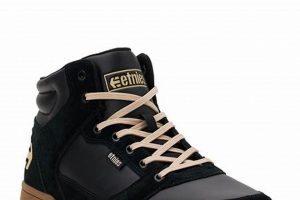
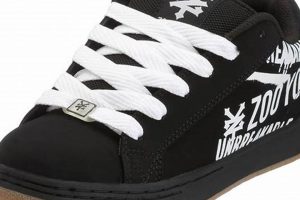
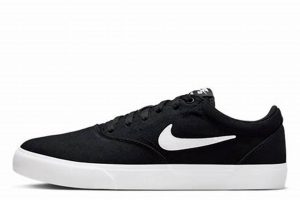
Footwear designed specifically for skateboarding, often bearing the Adidas brand, emphasizes durability, grip, and impact absorption. These shoes are engineered to withstand the rigors of skateboarding, offering features like reinforced stitching and cushioned soles. A typical example is a low-profile silhouette with a suede or leather upper and a vulcanized rubber outsole for board feel and control.
The significance of this specialized footwear lies in its ability to enhance performance and protect the skater. The robust construction provides resistance against abrasion from griptape, while the cushioning reduces the impact from landings. Historically, Adidas has played a significant role in skate culture, developing models that blend athletic performance with street style, thus becoming a popular choice among skateboarders of various skill levels.
The following sections will delve deeper into specific aspects of this footwear, including design variations, technological advancements, and the influence on skateboarding culture. It will also explore the materials used in construction, the performance benefits offered, and considerations for selecting the right model.
Selecting Skate Footwear
Optimal skateboarding performance necessitates careful consideration of footwear. The subsequent tips provide guidance on selecting appropriate skate footwear, emphasizing durability, functionality, and rider safety.
Tip 1: Prioritize Durability. Skateboarding subjects footwear to significant wear and tear. Opt for models constructed from robust materials such as suede or reinforced canvas. Examine stitching quality; double or triple stitching in high-stress areas enhances longevity.
Tip 2: Evaluate Outsole Construction. The outsole directly impacts board feel and grip. Vulcanized rubber outsoles offer flexibility and enhanced board feel, while cupsole constructions provide greater impact protection. Select the outsole type that aligns with individual skating style and terrain.
Tip 3: Assess Cushioning and Impact Absorption. Consistent impact can lead to foot and joint fatigue. Integrated cushioning technologies, such as polyurethane midsoles or gel inserts, mitigate impact and enhance comfort during prolonged skating sessions. Consider models with heel support to further reduce stress.
Tip 4: Consider Ankle Support. Ankle injuries are common in skateboarding. High-top models provide increased ankle support and stability, reducing the risk of sprains. Low-top designs offer greater freedom of movement but less ankle protection.
Tip 5: Examine Tongue and Collar Padding. Adequate padding in the tongue and collar areas enhances comfort and prevents abrasion. Padded tongues also improve fit and keep the foot securely in place. Mesh linings can improve breathability, reducing moisture buildup.
Tip 6: Evaluate Fit and Comfort. Proper fit is paramount for performance and injury prevention. Footwear should fit snugly but not restrict movement. Test the fit with skate socks and ensure adequate toe room to prevent cramping. Break in new footwear gradually to minimize discomfort.
Tip 7: Research Reputable Brands. Established brands with a history in skateboarding footwear prioritize quality and performance. Review product specifications and customer testimonials to assess the reliability and durability of different models. Brand recognition often indicates a commitment to skater-specific design and materials.
Selecting skate footwear that emphasizes durability, grip, and support significantly enhances performance and minimizes the risk of injury. Careful consideration of the factors outlined above ensures that the chosen footwear meets the demands of skateboarding.
The following sections will explore specific models and technologies relevant to skateboarding, providing a more detailed examination of available options.
1. Durability

Durability represents a critical design element in Adidas skate shoes due to the inherent stresses of skateboarding. The abrasive nature of griptape, coupled with the repeated impacts of landings, necessitates robust construction to prevent premature wear. Inadequate durability directly translates to reduced shoe lifespan and compromised performance. For example, a shoe with insufficiently reinforced stitching along the ollie area is prone to rapid disintegration, rendering it unsuitable for regular skateboarding within a short timeframe. The choice of materials and construction techniques directly affects the longevity of the shoe.
Specific examples of durability enhancements in Adidas skate shoes include the use of double- or triple-stitched seams in high-wear areas, such as the toe and heel. Employing abrasion-resistant materials like suede or reinforced canvas for the upper further contributes to durability. Vulcanized soles, known for their flexibility and board feel, are often reinforced with additional layers of rubber in areas subject to frequent contact with the skateboard. These measures aim to extend the lifespan of the shoe under demanding conditions. The implementation of these techniques reflect the impact between design and longevity
Understanding the relationship between durability and Adidas skate shoes is practically significant for both consumers and the manufacturer. Skateboarders who prioritize durability benefit from reduced replacement costs and consistent performance. For Adidas, a commitment to durability enhances brand reputation and customer loyalty. While absolute indestructibility remains unattainable, continuous advancements in materials and construction methods strive to optimize the balance between performance, comfort, and longevity.
2. Grip

Grip constitutes a fundamental attribute of Adidas skate shoes, directly influencing a skateboarder’s control and stability. The interface between the shoe’s outsole and the skateboard’s griptape is paramount for executing maneuvers and maintaining board control. The effectiveness of this interface is determined by the materials, tread patterns, and construction techniques employed in the shoe’s design.
- Rubber Compound Composition
The specific rubber compound used in the outsole significantly affects grip performance. Softer rubber compounds typically offer superior grip due to increased friction, but may exhibit reduced durability. Harder compounds provide enhanced wear resistance but can compromise grip, particularly on smoother surfaces. Adidas skate shoes often employ proprietary rubber formulations engineered to strike a balance between grip and durability, accounting for the diverse conditions encountered in skateboarding environments.
- Tread Pattern Design
The tread pattern on the outsole plays a critical role in channeling water and debris away from the contact area, maximizing grip in various conditions. Deep, aggressive tread patterns provide enhanced grip on rough surfaces, while flatter patterns offer greater board feel and control on smoother surfaces. Herringbone, hexagonal, and variations of these patterns are commonly utilized in Adidas skate shoe outsoles to optimize grip across a range of surfaces. The specific pattern selection often reflects the intended use of the shoe, with models designed for street skating potentially featuring different patterns than those intended for ramp or park skating.
- Vulcanization Process
The vulcanization process, a method of bonding the rubber outsole to the shoe’s upper, significantly impacts grip performance. Properly vulcanized soles provide a flexible, responsive feel, enhancing board control and allowing the skater to perceive subtle changes in board position. Inconsistent or poorly executed vulcanization can result in a stiff, unresponsive sole, diminishing grip and hindering performance. Adidas skate shoes emphasize quality control in the vulcanization process to ensure consistent grip and board feel across their product line.
- Outsole Thickness and Flexibility
Outsole thickness and flexibility are interrelated factors influencing grip and board feel. Thicker outsoles provide increased durability and impact protection, but can reduce board feel and sensitivity. Thinner, more flexible outsoles enhance board feel and grip but may compromise durability and impact protection. Adidas skate shoes typically incorporate a balance between these factors, tailoring outsole thickness and flexibility to the specific needs of different skateboarding styles and preferences.
In conclusion, grip is not a singular property but rather a complex interaction of material composition, tread design, vulcanization quality, and outsole characteristics. Adidas skate shoes strive to optimize these factors to provide skateboarders with the necessary control and stability for executing tricks and navigating diverse terrains. The effectiveness of grip is directly correlated with a skater’s confidence and ability to progress, underscoring its critical role in the overall skateboarding experience.
3. Impact Absorption

Impact absorption is a critical performance characteristic of Adidas skate shoes, mitigating the cumulative stress generated by repeated landings and high-impact maneuvers. Inadequate impact absorption can lead to skeletal stress and premature joint fatigue, potentially resulting in long-term injuries. The design and material selection of Adidas skate shoes prioritize effective energy dissipation to protect the skater’s feet and joints.
- Midsole Composition and Density
The midsole material significantly influences impact absorption capacity. Ethylene-vinyl acetate (EVA) and polyurethane (PU) are common midsole materials, each exhibiting distinct properties. EVA offers lightweight cushioning and moderate impact absorption, while PU provides superior impact absorption and durability, albeit at a higher weight. Adidas skate shoes often incorporate dual-density midsoles, combining EVA and PU to optimize the balance between cushioning, support, and weight. The specific density of the midsole material further modulates impact absorption characteristics; higher density materials offer greater support but may reduce cushioning, while lower density materials prioritize cushioning at the expense of support.
- Insole Design and Material
The insole contributes to overall impact absorption and comfort. OrthoLite insoles, frequently employed in Adidas skate shoes, feature open-cell foam construction, enhancing breathability and moisture management. Poron insoles offer superior cushioning and impact absorption compared to standard foam insoles, exhibiting greater resistance to compression set and maintaining their cushioning properties over extended use. The insole’s contour and arch support further contribute to impact distribution and foot stability, reducing stress on specific pressure points.
- Outsole Construction and Thickness
The outsole’s design and thickness influence the transmission of impact forces to the midsole. Thicker outsoles provide greater impact protection but can reduce board feel, while thinner outsoles enhance board feel but offer less impact absorption. Adidas skate shoes often incorporate strategically placed rubber pods or patterns on the outsole to dissipate impact forces and enhance grip. Cupsole constructions, where the upper is stitched or glued into a pre-molded outsole, provide greater impact protection and stability compared to vulcanized constructions, where the outsole is directly bonded to the upper.
- Heel Counter and Stability Features
The heel counter, a structural component surrounding the heel, enhances stability and reduces pronation, minimizing the risk of ankle injuries. Reinforced heel counters, often constructed from rigid materials like thermoplastic polyurethane (TPU), provide additional support and impact protection. Stability features, such as medial posts or torsion systems, further control foot motion and distribute impact forces across the entire foot, reducing stress on the ankle and knee joints.
The integration of these impact absorption features into Adidas skate shoes represents a holistic approach to protecting skaters from the cumulative stress of high-impact activities. By carefully selecting materials and designing structural components to effectively dissipate energy, Adidas aims to enhance performance, reduce the risk of injury, and extend the longevity of its skate footwear.
4. Board Feel

Board feel, a crucial element of effective skateboarding, represents the tactile sensation transmitted from the skateboard deck to the skater’s feet. The extent to which Adidas skate shoes facilitate this sensation significantly impacts a skater’s control, precision, and overall performance. A diminished board feel can result in a disconnect between the skater and the board, leading to imprecise maneuvers and an increased risk of missteps. Conversely, an enhanced board feel enables nuanced adjustments and optimized execution of tricks. The design elements of Adidas skate shoes are directly influential to board feel.
The construction of the sole plays a pivotal role in determining board feel. Thinner soles, particularly those constructed from flexible rubber compounds, generally provide superior board feel compared to thicker, more rigid soles. Vulcanized soles, characterized by their flexible and responsive nature, are frequently favored by skateboarders seeking optimal board feel. The integration of minimal cushioning in the forefoot area further enhances the skater’s ability to perceive subtle contours and changes in the board’s orientation. Consider, for instance, the Busenitz Vulc II model, known for its streamlined profile and vulcanized sole, which offers a heightened sense of connection with the board, facilitating precise foot placement and control during technical tricks. By constrast, the Adimatic, while popular, offers less board feel, trading sensitivity for additional impact protection.
Ultimately, the significance of board feel in Adidas skate shoes extends beyond mere tactile sensation. It directly influences a skater’s confidence, adaptability, and overall skill progression. Understanding the design choices that impact board feel allows skateboarders to select footwear that aligns with their individual skating style and preferences, maximizing their potential for success. Striking the optimal balance between board feel, impact protection, and durability remains a constant challenge in skate shoe design, one which Adidas continually addresses through innovative materials and construction techniques.
5. Ankle Support

Ankle support in Adidas skate shoes serves as a critical factor in mitigating potential injuries during skateboarding activities. The repetitive and high-impact nature of skateboarding subjects the ankles to significant stress, increasing the risk of sprains, strains, and fractures. Consequently, the design and construction of Adidas skate shoes often incorporate features aimed at providing adequate ankle stabilization. The level of ankle support offered directly influences the skater’s ability to maintain balance, control movement, and absorb impact forces effectively. For instance, a skater performing a kickflip relies on ankle stability to land cleanly; insufficient support can result in a rolled ankle, hindering progression and potentially causing lasting damage.
Adidas skate shoes address ankle support through various design implementations. High-top models offer increased coverage and lateral stability compared to low-top designs, restricting excessive ankle movement. Reinforced heel counters, often constructed from rigid materials, provide additional structural support and prevent excessive pronation or supination. Padded collars surrounding the ankle further enhance comfort and support, minimizing friction and irritation. Models like the Adidas Forum 84 ADV, while not strictly a skate shoe originally, exemplify a design that offers considerable ankle support, adapting well to skateboarding due to its robust construction and supportive features. Furthermore, the integration of internal stability cages or support straps can provide an additional layer of protection, particularly beneficial for skaters with pre-existing ankle weaknesses or those engaging in high-risk maneuvers.
In summary, ankle support is a key consideration when selecting Adidas skate shoes. The degree of support required varies based on individual skating style, experience level, and pre-existing conditions. While high-top models and reinforced features offer enhanced protection, they may also restrict mobility, potentially impacting board feel. Therefore, skaters must carefully evaluate their needs and priorities to choose footwear that strikes the optimal balance between support, comfort, and performance, thus minimizing the risk of ankle injuries and maximizing their enjoyment of the sport.
6. Style
Style, as it relates to Adidas skate shoes, extends beyond mere aesthetics, serving as a crucial component that influences market appeal, brand identity, and cultural resonance. The visual design of these shoes integrates historical references, functional requirements, and contemporary fashion trends to create a product that resonates with the target demographic. The incorporation of iconic Adidas elements, such as the three stripes, provides instant brand recognition while specific colorways and silhouettes cater to evolving stylistic preferences within the skateboarding community. Style, therefore, acts as a significant factor in driving consumer purchase decisions and solidifying the brand’s position within the competitive skate shoe market. For example, the Adidas Samba, initially designed for soccer, gained traction within skateboarding due to its low profile and classic appearance, showcasing how existing designs can be reinterpreted and adopted based on their aesthetic appeal.
The practical significance of understanding the relationship between style and Adidas skate shoes lies in its ability to inform product development and marketing strategies. Analyzing current trends and skater preferences allows Adidas to create shoes that not only perform well but also align with the prevailing stylistic sensibilities. This proactive approach ensures that the brand remains relevant and appealing to its core audience, fostering brand loyalty and driving sales. Furthermore, collaborations with influential skateboarders and artists provide opportunities to create limited-edition designs that generate buzz and enhance the brand’s credibility within the skate culture. The ongoing success of the Adidas x Palace collaborations exemplifies this strategy, where combining technical skate functionality with high-fashion aesthetics results in highly sought-after products.
In conclusion, style constitutes a vital aspect of Adidas skate shoes, affecting market perception and shaping consumer behavior. By carefully considering design elements and responding to stylistic trends, Adidas effectively creates footwear that embodies both performance and cultural relevance. While functionality remains paramount, style serves as the initial point of attraction, influencing purchasing decisions and ultimately contributing to the brand’s sustained success within the skateboarding community. The challenge lies in maintaining a balance between timeless design and contemporary trends, ensuring that Adidas skate shoes remain both iconic and appealing to evolving tastes.
Frequently Asked Questions
The subsequent questions and answers address common inquiries regarding Adidas skate shoes, providing clarity on various aspects related to performance, construction, and selection.
Question 1: What distinguishes Adidas skate shoes from general athletic footwear?
Adidas skate shoes are specifically engineered for the demands of skateboarding. Key distinctions include reinforced construction, durable materials designed to withstand abrasion from griptape, specialized outsole patterns for enhanced grip, and impact-absorbing midsoles to mitigate stress from landings. General athletic footwear typically lacks these skateboarding-specific features.
Question 2: How does outsole construction impact skateboarding performance?
The outsole is crucial for board feel and grip. Vulcanized outsoles provide flexibility and enhanced board feel, allowing for precise control and responsiveness. Cupsole constructions offer greater impact protection and stability, making them suitable for high-impact maneuvers. The choice between vulcanized and cupsole depends on individual skating style and terrain preferences.
Question 3: What materials are commonly used in Adidas skate shoe uppers, and why?
Suede and reinforced canvas are frequently employed in Adidas skate shoe uppers due to their durability and abrasion resistance. Suede offers a soft, pliable feel and good resistance to wear, while reinforced canvas provides enhanced durability and breathability. Leather may also be used for added structure and protection.
Question 4: How should the fit of Adidas skate shoes be assessed?
Proper fit is essential for performance and injury prevention. Adidas skate shoes should fit snugly but not restrict movement. Adequate toe room is necessary to prevent cramping. It is recommended to try on footwear with skate socks to ensure an accurate fit. New shoes may require a break-in period to achieve optimal comfort.
Question 5: Are Adidas skate shoes suitable for purposes other than skateboarding?
While Adidas skate shoes are designed primarily for skateboarding, their durability and style make them suitable for casual wear. However, their specialized construction may not be optimal for all athletic activities. Consider the intended use when selecting footwear.
Question 6: How can the lifespan of Adidas skate shoes be extended?
Proper care and maintenance can extend the lifespan of Adidas skate shoes. Regular cleaning prevents the buildup of dirt and debris. Rotating between multiple pairs of shoes reduces wear on individual models. Reinforcing high-wear areas with adhesive patches can prolong durability. Avoid exposing footwear to excessive moisture or extreme temperatures.
Understanding these frequently asked questions provides valuable insight into the design, function, and care of Adidas skate shoes. Skateboarders should consider these factors when selecting footwear to optimize performance and minimize the risk of injury.
The following section will explore emerging trends and technological advancements in skate shoe design.
Conclusion
This exploration of Adidas skate shoes has addressed critical elements including durability, grip, impact absorption, board feel, ankle support, and style. Each feature contributes to the overall performance and longevity of the footwear, directly impacting the skater’s experience and safety. The interplay between these design considerations underscores the complexity involved in creating effective skateboarding footwear.
Continued advancements in materials and construction techniques will undoubtedly shape the future of Adidas skate shoes. Skaters should remain informed about these developments to make informed decisions, selecting footwear that aligns with their specific needs and maximizing their potential. Careful consideration of these factors ensures both performance enhancement and injury prevention, extending the skater’s engagement with the sport.