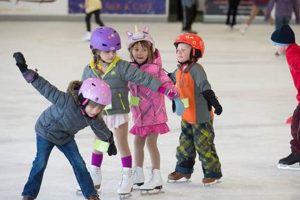
Appropriate attire for participation in ice skating activities involves garments designed to provide warmth, flexibility, and protection. Selecting clothing suitable for the cold environment and potential for falls is crucial for a comfortable and safe experience on the ice. For example, multiple thin layers allow for temperature regulation, while padded gloves can mitigate injury from falls. The core consideration when planning attire is adaptability to fluctuating physical exertion levels in a sub-zero environment.
Wearing the right clothing to ice skate contributes significantly to performance and enjoyment. Proper insulation prevents hypothermia, enabling extended skating sessions. Freedom of movement allows for executing complex maneuvers without restriction. Historically, participants often prioritized warmth over agility, resulting in bulky, restrictive clothing. Modern materials and designs prioritize both warmth and freedom, enhancing the overall skating experience. Preventing injury and maximizing comfort are key benefits associated with carefully chosen attire.
The subsequent sections will detail specific recommendations for base layers, mid-layers, outer layers, and accessories, with the goal of optimizing an individual’s preparation for a session on the ice. Each section emphasizes the functional aspects of each type of garment, ensuring that skaters can make informed decisions regarding their equipment choices.
Essential Recommendations for Ice Skating Attire
Optimal clothing choices significantly enhance the safety and enjoyment of the ice skating experience. The following recommendations provide guidance on selecting apparel to ensure warmth, flexibility, and protection on the ice.
Tip 1: Layer Strategically: Employ multiple thin layers rather than a single bulky garment. This allows for adjusting insulation levels based on changing activity levels and ambient temperature.
Tip 2: Prioritize Moisture-Wicking Fabrics: Base layers should consist of materials like merino wool or synthetic fabrics that effectively wick away perspiration, preventing chills.
Tip 3: Opt for Flexible Mid-Layers: Fleece or lightweight down jackets provide insulation without restricting movement, essential for executing skating maneuvers.
Tip 4: Select a Water-Resistant Outer Layer: A jacket and pants with water-resistant or waterproof properties offer protection from melting ice and potential falls.
Tip 5: Protect Extremities: Insulated gloves or mittens and a hat are crucial for maintaining core body temperature and preventing frostbite.
Tip 6: Choose Appropriate Footwear: Thin, moisture-wicking socks are recommended. Avoid thick socks, as they can compromise skate fit and circulation.
Tip 7: Consider Padded Protection: Beginners may benefit from padded shorts or knee pads to mitigate discomfort and injury from falls.
Tip 8: Ensure Full Range of Motion: Before taking to the ice, confirm that the selected attire allows for unrestricted movement in all directions.
Adhering to these recommendations ensures a more comfortable and safer experience on the ice, allowing participants to focus on skill development and enjoyment.
The subsequent sections will address specific garment recommendations and discuss how to adapt attire choices based on the skating environment and skill level.
1. Temperature regulation

Effective temperature regulation is a critical component of appropriate attire for ice skating. The environment of an ice rink, whether indoor or outdoor, presents a challenge in maintaining a stable body temperature during periods of both activity and relative inactivity. Insufficient insulation can lead to hypothermia, while excessive insulation can result in overheating and perspiration, subsequently leading to chilling when activity ceases. This necessitates a strategic layering system that allows for adjustments based on individual exertion levels and ambient conditions. The selection of moisture-wicking base layers, insulating mid-layers, and wind-resistant outer layers becomes essential to maintaining thermal equilibrium.
The consequences of inadequate temperature regulation can range from discomfort and decreased performance to serious health risks. For example, a skater wearing a single, heavy cotton sweater may initially feel warm but will likely become chilled as perspiration soaks the fabric. Conversely, a skater wearing multiple thin layers of technical fabrics can easily add or remove layers to maintain a comfortable core temperature throughout the skating session. The ability to dynamically adjust clothing based on physical exertion is vital in avoiding both overheating and hypothermia, directly impacting endurance and overall enjoyment. Practical implications include selecting base layers that efficiently draw moisture away from the skin and outer layers that provide wind and water resistance.
In summary, temperature regulation is not merely a matter of comfort, but a critical safety consideration in ice skating. A well-planned layering system, utilizing appropriate materials, allows skaters to adapt to varying conditions, mitigating the risks associated with extreme temperatures and fluctuating activity levels. This understanding underscores the importance of informed clothing choices for all skaters, regardless of skill level. The challenge lies in achieving a balance between insulation and breathability, requiring a thoughtful approach to garment selection.
2. Moisture management

Effective moisture management is a cornerstone of appropriate attire for ice skating. The activity, even at a moderate pace, generates perspiration. If moisture is not effectively managed, it can lead to discomfort, chilling, and a heightened risk of hypothermia, significantly impacting the overall experience and safety on the ice.
- Fabric Selection and Wicking Properties
The selection of fabrics with inherent moisture-wicking capabilities is paramount. Materials such as merino wool, polyester, and polypropylene transport moisture away from the skin, promoting evaporation. Cotton, conversely, absorbs moisture and retains it, leading to a damp and cold sensation. Utilizing synthetic or natural fibers designed for moisture transport is essential for maintaining a dry and comfortable environment next to the skin. The effectiveness of a garment’s wicking properties directly affects the skater’s thermal comfort and ability to regulate body temperature.
- Base Layer Functionality
The base layer, worn directly against the skin, plays a critical role in moisture management. A well-designed base layer actively draws perspiration away from the body, distributing it across a larger surface area for quicker evaporation. A poorly chosen base layer, such as one made of cotton, can negate the benefits of subsequent layers by trapping moisture. The base layer’s primary function is not simply to provide warmth, but to maintain a dry microclimate, thereby preventing chilling and enhancing thermal regulation. An effective base layer minimizes conductive heat loss from the body to damp clothing.
- Layering System Synergy
Moisture management is not solely dependent on the base layer; it requires a synergistic approach across all layers of clothing. Mid-layers and outer layers should possess breathable properties to allow moisture vapor to escape, preventing condensation and maintaining the effectiveness of the base layer. Impermeable outer layers, while providing water resistance, can impede moisture transfer if not properly ventilated, leading to a buildup of perspiration within the clothing system. The layering system must work cohesively to facilitate the efficient movement of moisture away from the body, promoting a dry and comfortable microclimate.
- Impact on Performance and Safety
Ineffective moisture management can significantly impact a skater’s performance and safety. Damp clothing reduces insulation value, leading to a decrease in core body temperature and increased risk of hypothermia, especially during periods of inactivity or in colder environments. Additionally, discomfort from damp clothing can distract from performance and increase the likelihood of errors or falls. Proper moisture management directly contributes to maintaining a comfortable and safe skating environment, allowing skaters to focus on skill development and enjoyment without the distraction of thermal discomfort.
The principles of moisture management are inextricably linked to appropriate attire selection for ice skating. Prioritizing fabrics and layering systems that effectively wick away perspiration and promote breathability is crucial for maintaining thermal comfort, enhancing performance, and mitigating the risk of hypothermia. Understanding the role of each layer in managing moisture ensures a more enjoyable and safer experience on the ice.
3. Freedom of movement
Clothing selected for ice skating directly influences the wearer’s freedom of movement, which, in turn, affects performance and safety. Restrictive garments impede the execution of skating techniques, limiting range of motion and potentially causing imbalances. The ability to glide, turn, jump, and spin with agility requires attire that does not hinder these actions. Therefore, the ideal clothing selections prioritize flexibility and a streamlined fit.
The impact of limited mobility manifests in various ways. A bulky coat, for instance, can obstruct arm movements, affecting balance during spins or hindering the ability to extend arms for assistance during a fall. Similarly, stiff pants can restrict leg movements, limiting the skater’s capacity to achieve proper edge control and hindering the execution of complex footwork. Conversely, attire that allows for a full range of motion enables skaters to maximize their technical capabilities and maintain better control on the ice. The choice of stretchy, form-fitting materials and layered construction significantly contributes to enhanced mobility. Practical examples include leggings or fitted athletic pants providing unrestricted leg movement, and a close-fitting, flexible jacket allowing for full arm extension. Proper fit, avoiding overly loose or tight garments, is equally important for optimizing movement.
In conclusion, ensuring freedom of movement is paramount when determining suitable attire for ice skating. The clothing’s flexibility and fit directly affect the skater’s ability to perform technical skills and maintain balance, thereby influencing safety and overall enjoyment. Prioritizing garments that promote a full range of motion is essential for skaters of all skill levels, from beginners learning basic skills to advanced athletes executing complex routines. The connection between clothing choice and mobility should be a primary consideration in preparing for any ice skating activity.
4. Impact protection
Impact protection, a crucial consideration when determining attire for ice skating, focuses on mitigating the potential for injury resulting from falls or collisions. The inherently slippery surface of an ice rink presents a risk for skaters of all skill levels, necessitating the incorporation of protective elements within or alongside standard clothing choices. The level of protection required varies based on experience, skating style, and environment.
- Padded Underlayers
Padded underlayers, such as padded shorts or leggings, offer direct protection to vulnerable areas like the hips, tailbone, and knees. These garments typically incorporate impact-absorbing materials like foam or gel, which disperse force upon impact, reducing the severity of potential injuries. For example, a beginner skater repeatedly falling while learning to balance may benefit significantly from padded shorts, while figure skaters attempting complex jumps may utilize knee pads to cushion landings. Padded underlayers provide a discreet layer of protection without significantly restricting movement.
- Protective Outerwear
Outerwear can also contribute to impact protection, although its primary function often lies in providing warmth and weather resistance. Jackets and pants constructed from durable, abrasion-resistant materials offer a degree of protection against scrapes and cuts resulting from falls. Some specialized skating apparel incorporates strategically placed padding in areas prone to impact, such as the shoulders or elbows. While not offering the same level of protection as dedicated padding, durable outerwear provides an additional layer of defense against minor injuries.
- Accessory Padding
Accessories like wrist guards, knee pads, and elbow pads provide targeted protection for specific joints. Wrist guards are particularly valuable for preventing wrist fractures, a common injury among skaters. Knee and elbow pads cushion impacts during falls, reducing the risk of contusions or sprains. The use of accessory padding depends on individual risk factors and preferences. For instance, a hockey player engaged in high-speed collisions will likely require more comprehensive padding than a recreational skater performing simple maneuvers.
- Material Science and Impact Absorption
Advances in material science have led to the development of increasingly effective impact-absorbing materials used in skating apparel. These materials, often incorporating advanced polymers or composite structures, are designed to deform upon impact, dissipating energy and reducing the force transmitted to the body. The integration of such materials into skating attire enhances the level of protection without compromising comfort or freedom of movement. Understanding the properties of different impact-absorbing materials allows skaters to make informed choices about the level of protection required for their specific activities.
The strategic integration of impact protection into attire represents a vital aspect of safe ice skating practices. From padded underlayers to specialized accessories, a range of options exist to mitigate the risk of injury. By carefully considering the potential for falls and selecting appropriate protective measures, skaters can significantly reduce the likelihood of sustaining serious harm, enhancing their enjoyment and enabling them to participate in the sport with greater confidence.
5. Layering versatility
Layering versatility, a critical element when considering suitable attire for ice skating, refers to the ability to adapt clothing to fluctuating environmental conditions and varying levels of physical exertion. The inherently variable conditions of both indoor and outdoor ice rinks, coupled with the dynamic nature of skating itself, demand a flexible approach to clothing selection.
- Adaptability to Temperature Changes
Layering versatility enables skaters to adjust their clothing based on changes in ambient temperature or their own activity level. By adding or removing layers, individuals can maintain a comfortable body temperature and prevent overheating or chilling. For example, a skater beginning a vigorous training session might remove a mid-layer fleece, while another skater pausing for a break might add a windproof outer layer. The capacity to react to changing conditions promotes thermal regulation and minimizes discomfort.
- Accommodation of Activity Levels
Ice skating involves periods of intense physical activity interspersed with periods of relative inactivity. Layering versatility allows skaters to accommodate these shifts in exertion. During periods of high activity, a skater can shed layers to prevent overheating, while during less active moments, layers can be added to retain warmth. This dynamic adjustment prevents the build-up of perspiration and subsequent chilling, optimizing performance and comfort.
- Maximizing Breathability and Moisture Management
A versatile layering system facilitates effective moisture management. By choosing layers made from breathable, moisture-wicking fabrics, skaters can promote the evaporation of perspiration, preventing the build-up of moisture within the clothing. This is particularly important during intense physical activity, where perspiration can lead to discomfort and chilling if not effectively managed. A layered system allows for the optimized use of materials with differing properties, maximizing both breathability and insulation.
- Enhancing Comfort and Performance
Ultimately, layering versatility enhances comfort and performance on the ice. By providing the ability to adapt to changing conditions and activity levels, a versatile layering system allows skaters to focus on their technique and enjoyment without being distracted by thermal discomfort. Whether participating in recreational skating, figure skating, or ice hockey, the ability to adjust clothing to optimize comfort is essential for maximizing performance and preventing fatigue.
The principles of layering versatility directly influence appropriate attire selection for ice skating. A thoughtful approach to layering, incorporating materials with varying properties and considering the dynamic nature of the activity, ensures a more comfortable, safe, and enjoyable experience on the ice. The ability to adapt to fluctuating conditions is paramount, allowing skaters to maintain optimal thermal regulation and maximize their performance.
6. Weather resistance

Weather resistance is a critical attribute of attire selected for ice skating, particularly in outdoor environments. The protective quality against external elements directly impacts comfort, performance, and safety. Attire designed to mitigate the effects of wind, precipitation, and low temperatures is essential for extended periods on the ice.
- Windchill Mitigation
Windchill significantly lowers the effective temperature experienced by the skater. Wind-resistant outer layers, such as jackets and pants made from tightly woven fabrics or incorporating windproof membranes, minimize heat loss due to convective cooling. This is particularly crucial for exposed areas of the body, preventing rapid drops in core temperature and reducing the risk of hypothermia. The use of a windproof layer can drastically improve comfort and endurance in windy conditions.
- Waterproof and Water-Resistant Properties
Exposure to snow, rain, or melting ice can saturate clothing, reducing its insulating capacity and increasing the risk of chilling. Waterproof outerwear provides a complete barrier against water penetration, while water-resistant garments offer a degree of protection against light moisture. The choice between waterproof and water-resistant depends on the anticipated weather conditions and the duration of exposure. Waterproof materials are generally preferred in wet or snowy environments, while water-resistant options may suffice in drier conditions with brief exposure to moisture.
- Insulation Retention in Wet Conditions
The ability of insulation materials to retain their thermal properties when wet is a key factor in weather resistance. Some insulation types, such as synthetic fibers, maintain a significant portion of their insulating value even when damp, while others, such as down, lose much of their effectiveness. Selecting insulation materials that resist moisture absorption is essential for maintaining warmth and comfort in wet conditions. Synthetic insulation is often preferred over down in environments where exposure to moisture is likely.
- Breathability and Moisture Vapor Transfer
While providing protection from external elements, weather-resistant attire must also allow for the escape of moisture vapor generated by perspiration. Breathable fabrics and membranes permit moisture to escape, preventing the buildup of condensation inside the garment. This is crucial for maintaining comfort and preventing chilling. Balancing weather protection with breathability ensures that the skater remains both dry and warm, even during periods of intense physical activity.
The integration of weather-resistant features into attire for ice skating is paramount, especially in outdoor settings. By considering factors such as windchill mitigation, waterproof properties, insulation retention, and breathability, skaters can select clothing that provides optimal protection against the elements, enhancing both safety and enjoyment on the ice. The appropriate balance between these factors depends on the specific environmental conditions and the individual’s activity level.
7. Secure fit
Appropriate attire for ice skating demands a secure fit to optimize performance, safety, and comfort. Ill-fitting garments can impede movement, increase the risk of injury, and compromise thermal efficiency. A secure fit ensures that clothing moves with the skater, rather than hindering them.
- Range of Motion and Garment Stability
A secure fit allows for a full range of motion without the garment shifting or becoming displaced. Loose-fitting clothing can bunch or snag, restricting movement and increasing the risk of falls. Properly sized and fitted garments maintain their position during skating maneuvers, providing consistent coverage and support. For example, securely fitted leggings allow for unrestricted leg movement during jumps and spins, while a properly sized jacket prevents the sleeves from riding up and exposing the wrists.
- Thermal Regulation and Reduced Airflow
A secure fit minimizes unwanted airflow between clothing layers, enhancing thermal regulation. Loose-fitting garments allow cold air to penetrate, reducing the effectiveness of insulation. A snug fit, achieved through appropriate sizing and adjustable closures, reduces the amount of cold air that can enter, helping to maintain a stable body temperature. Securely fitting cuffs and collars prevent drafts, maximizing warmth in cold conditions.
- Protection and Impact Distribution
For protective gear, a secure fit is critical for effective impact distribution. Loose-fitting pads or guards can shift during a fall, leaving vulnerable areas exposed. A snug and secure fit ensures that protective elements remain in place, providing consistent coverage and maximizing their ability to absorb impact. For example, properly fitted wrist guards prevent the guard from sliding out of position during a fall, protecting the wrist from fracture.
- Comfort and Reduced Chafing
A secure fit minimizes chafing and discomfort caused by friction between the garment and skin. Loose or ill-fitting clothing can rub against the skin during movement, leading to irritation and blisters. A snug, but not overly tight, fit reduces friction and enhances comfort, allowing the skater to focus on performance without distraction. Seams should be smooth and strategically placed to minimize the potential for chafing.
The interplay between secure fit and each layer of clothing is vital for an effective ice skating ensemble. From base layers to outerwear and protective gear, a properly fitted garment enhances performance, safety, and comfort. Attending to the details of fit ensures that the skater’s attire works in harmony with their movements, rather than against them.
Frequently Asked Questions
The following questions and answers address common inquiries concerning appropriate clothing for ice skating, emphasizing safety, comfort, and performance.
Question 1: Is specialized ice skating apparel necessary for recreational skating?
Specialized apparel is not strictly required for recreational skating; however, clothing that provides warmth, flexibility, and moisture management is highly recommended. Everyday clothing that meets these criteria can be suitable, but purpose-built skating apparel often offers superior performance and protection.
Question 2: What type of socks is most appropriate for ice skating?
Thin, moisture-wicking socks are recommended. Avoid thick socks, as they can compromise skate fit and reduce circulation. Materials like merino wool or synthetic blends are preferable to cotton, which retains moisture and can lead to discomfort.
Question 3: How many layers are typically required for ice skating in an indoor rink?
Typically, three layers are recommended: a moisture-wicking base layer, an insulating mid-layer (such as fleece), and a water-resistant outer layer. The specific number and thickness of layers may vary based on individual cold tolerance and the rink’s temperature.
Question 4: Are jeans suitable for ice skating?
Jeans are generally not recommended due to their lack of flexibility and moisture-wicking properties. When wet, denim becomes heavy and cold, potentially restricting movement and increasing the risk of hypothermia. More flexible and technical fabrics are preferred.
Question 5: What is the best way to protect hands from the cold while ice skating?
Insulated gloves or mittens are crucial for protecting hands from the cold. Mittens generally provide more warmth than gloves, but gloves offer greater dexterity. Water-resistant materials are preferred to prevent moisture from penetrating the insulation.
Question 6: Should beginners consider wearing protective gear beyond standard clothing?
Beginners may benefit from wearing protective gear such as padded shorts, knee pads, and wrist guards. These items can mitigate discomfort and reduce the risk of injury from falls, allowing beginners to focus on developing their skills with greater confidence.
In summary, selecting the right attire for ice skating involves considering temperature, moisture, mobility, and protection. Prioritizing these factors ensures a more comfortable and safer experience on the ice.
The next section will provide specific product recommendations and discuss how to adapt attire choices based on individual needs and preferences.
Conclusion
The preceding exploration of “what to wear to ice skate” has underscored the importance of strategic clothing choices for safety, comfort, and performance. Considerations ranging from thermal regulation and moisture management to freedom of movement, impact protection, and weather resistance must inform attire selection. A layered approach, utilizing appropriate materials and ensuring a secure fit, is fundamental to optimizing the ice skating experience.
Adherence to these principles enables participants to mitigate risks, maximize their capabilities, and fully engage with the activity. The informed selection of apparel is not merely a matter of preference, but a critical component of responsible participation in ice skating. Continued awareness and adherence to these guidelines are essential for fostering a safe and enjoyable environment for all skaters.