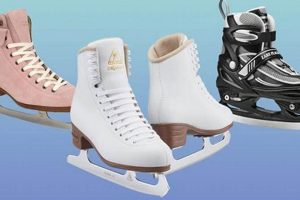
Previously owned ice skates offer an accessible option for individuals seeking to participate in ice skating activities. These pre-owned skates, ranging from recreational models to specialized figure or hockey skates, have been used by prior owners and are now available for purchase at a lower price point than new equipment. For example, a pair of used recreational skates might be suitable for occasional use at a public skating rink.
Acquiring pre-owned skates can provide significant cost savings, making the sport more accessible to beginners, growing children who quickly outgrow equipment, or those on a budget. Historically, the practice of buying and selling used sporting goods has allowed broader participation in various sports by mitigating the initial investment. This approach fosters affordability and reduces waste by extending the lifespan of usable equipment.
The subsequent sections will delve into the factors to consider when evaluating such equipment, including assessing condition, fit, and safety, alongside exploring the sources where such equipment may be obtained. Proper maintenance and care for pre-owned skates will also be discussed to ensure longevity and continued performance.
Tips for Purchasing Pre-owned Ice Skates
Acquiring used ice skates can be a cost-effective means of entering the sport. However, careful evaluation is critical to ensure both safety and appropriate performance.
Tip 1: Inspect for Structural Integrity: Thoroughly examine the boot for cracks, tears, or significant wear, particularly around the ankle and lacing areas. Damaged boots may compromise support and increase the risk of injury.
Tip 2: Assess Blade Condition: Check the blades for rust, pitting, or excessive wear. Significant blade damage can impact glide and maneuverability. Professional sharpening may be necessary.
Tip 3: Evaluate Boot Fit: Ensure the boot provides a snug, comfortable fit without excessive pressure points. Ill-fitting skates can lead to discomfort, blisters, and reduced performance.
Tip 4: Check for Odor and Cleanliness: Inspect the interior of the boot for unpleasant odors or signs of mold. Proper cleaning and deodorizing may be required before use.
Tip 5: Consider Skate Type: Select a skate type appropriate for the intended skating discipline (e.g., figure, hockey, recreational). Using skates designed for a different purpose can hinder performance and increase the risk of injury.
Tip 6: Try Before You Buy (If Possible): If the opportunity exists, try the skates on and, if possible, test them on the ice. This allows for a more accurate assessment of fit and performance.
Tip 7: Research Fair Market Value: Compare the price of the used skates to similar models sold new or used. This helps to ensure a fair price point and avoid overpayment.
Adhering to these recommendations facilitates informed decision-making when purchasing previously owned ice skates, promoting both safety and enjoyment of the sport.
The following section will address specific considerations for different types of these skates.
1. Affordability

The pre-owned ice skate market directly addresses the economic constraints that may deter participation in ice skating activities. New ice skates, particularly high-quality models designed for figure skating or hockey, can represent a significant financial investment. This upfront cost includes not only the skates themselves but also related accessories such as sharpening tools, protective gear, and specialized skate bags. The reduced price point of secondhand skates significantly lowers the barrier to entry, enabling individuals with limited financial resources to engage in the sport. For example, a family with multiple children interested in learning to skate might find it financially prohibitive to purchase new skates for each child, making the acquisition of used equipment a viable alternative.
The impact of affordability extends beyond initial purchase costs. By selecting previously owned skates, individuals can allocate funds towards other essential aspects of skating, such as lessons, ice time rentals, or participation in leagues and competitions. Consider a university student on a tight budget; purchasing used skates allows them to join the university’s hockey club without incurring excessive debt. Furthermore, the secondhand market provides an opportunity to acquire specialized skate types that might otherwise be unaffordable. A developing figure skater might be able to practice in higher-quality figure skates if they can obtain them used.
In summary, the affordability associated with secondhand ice skates broadens access to the sport, mitigating economic disparities and enabling wider participation. While condition and fit must be carefully considered, the potential for cost savings makes pre-owned skates a practical option for many individuals and families. The availability of affordable equipment can lead to increased participation rates and the sustained engagement of individuals who might otherwise be excluded due to financial limitations.
2. Condition Assessment
Evaluating the condition of pre-owned ice skates is paramount to ensuring user safety and optimizing performance. A thorough condition assessment mitigates the risks associated with acquiring used equipment and informs maintenance requirements.
- Boot Integrity
The boot, providing both support and protection, requires careful scrutiny. Examine the exterior for cuts, tears, or abrasions, particularly in high-stress areas such as the ankle and heel counters. Internal padding should be intact and free from excessive wear or compression. Compromised boot integrity can lead to inadequate support, increasing the risk of ankle injuries and hindering performance. For example, a cracked plastic shell on a hockey skate diminishes its protective capabilities.
- Blade Condition
The blades are crucial for glide and maneuverability. Inspect the blades for rust, pitting, and overall sharpness. Significant rust can weaken the blade structure, while pitting disrupts the skating surface. A professional sharpening may be necessary to restore optimal blade edges. For instance, figure skate blades should be checked for proper radius and rocker, essential for executing spins and jumps.
- Fastener Systems
Lacing systems, buckles, and Velcro straps play a vital role in securing the foot and ankle within the boot. Assess the condition of laces for fraying or breakage. Examine buckles and straps for cracks, loose stitching, or compromised closures. A faulty fastener system can lead to instability and an increased risk of falls. Consider a broken buckle on a recreational skate rendering the skate unusable due to inadequate support.
- Internal Hygiene
Previously used skates can harbor bacteria and fungi, leading to unpleasant odors and potential skin irritations. Inspect the interior of the boot for signs of mold or mildew. Assess the overall cleanliness and consider sanitizing the boots prior to use. Addressing internal hygiene enhances comfort and prevents dermatological issues. The accumulation of sweat and moisture within the boot creates a breeding ground for microorganisms.
These facets of condition assessment are directly related to the overall value and utility of used ice skates. Diligence in examining these elements will ensure a safe and enjoyable skating experience while maximizing the lifespan of the equipment. Neglecting these assessments can lead to injuries, discomfort, and ultimately, the need for replacement.
3. Proper Fit
The attainment of a proper fit in ice skates is crucial for both performance and safety, a consideration amplified when acquiring previously owned equipment. Ill-fitting skates, whether too large or too small, directly impede a skater’s ability to control movements and maintain balance, leading to increased risk of falls and potential injuries such as ankle sprains or foot blisters. The potential for improper fit is elevated in the secondhand market due to variations in skate models, sizing discrepancies across manufacturers, and the possibility of boot deformation from prior use. For instance, a skate previously molded to the foot of a different user may not conform correctly to a new user’s foot, creating pressure points or areas of looseness.
Achieving a proper fit with pre-owned skates necessitates careful measurement and assessment. A professional skate fitter can provide accurate sizing guidance and identify potential fit issues. It is essential to try on the skates while wearing appropriate skating socks to replicate the conditions of actual use. The skater should be able to wiggle their toes slightly but experience a snug, supportive fit through the heel and arch. Lacing should be adjusted to provide even pressure without constricting circulation. A practical example involves a skater with wide feet attempting to wear narrow-fitting, used figure skates; the resulting discomfort and restricted movement would significantly hinder their ability to execute jumps and spins safely.
In summary, the correlation between proper fit and safety is particularly critical when procuring used ice skates. The inherent challenges in ensuring fit with secondhand equipment necessitate careful assessment, professional guidance when available, and a commitment to selecting skates that accommodate individual foot morphology. Addressing fit concerns proactively mitigates the risk of injury and enhances the overall skating experience. Furthermore, it promotes the longevity of the equipment by preventing unnecessary wear and tear associated with ill-fitting boots.
4. Blade Quality
The blade constitutes a critical performance component of any ice skate, its quality exerting a direct influence on a skater’s ability to execute maneuvers, maintain balance, and achieve desired speeds. In the context of used ice skates, blade quality assumes heightened importance due to the potential for wear, damage, or alterations from prior use. Substandard blades can manifest in various forms, including rust, pitting, improper sharpening, or blade misalignment, each compromising skating performance and safety. For example, significant rust accumulation diminishes blade edge integrity, reducing grip and control on the ice. Similarly, incorrect sharpening alters the blade’s intended profile, negatively affecting glide and turning capabilities.
Assessing blade quality in pre-owned ice skates requires careful inspection. Factors such as blade material, hardness, and edge sharpness must be evaluated. High-quality blades are typically constructed from hardened steel, exhibiting superior edge retention and resistance to corrosion. The presence of deep scratches, chips, or bends indicates potential structural weaknesses that could compromise performance and safety. Professional skate technicians can provide expert evaluations of blade condition, including assessing sharpness and alignment and recommending appropriate repair or replacement measures. A practical example involves a used pair of figure skates with blades exhibiting excessive wear near the toe pick; this condition impedes jump landings and spin execution, necessitating blade replacement.
In conclusion, the relationship between blade quality and used ice skates is inextricably linked to performance and safety. Thoroughly assessing blade condition, considering material properties and seeking professional evaluations, is essential when purchasing previously owned skates. Compromised blades can negatively impact skating ability and increase the risk of injury, underscoring the need for rigorous inspection and, if necessary, blade replacement to ensure a safe and enjoyable skating experience.
5. Skate Type
The selection of an appropriate skate type is paramount when considering pre-owned ice skates, as different disciplines necessitate specific skate designs optimized for particular movements and demands. The used market offers a variety of skate types, each requiring careful evaluation to ensure suitability for the intended skating activity. An informed decision regarding skate type is critical for both performance and safety.
- Figure Skates
Figure skates are distinguished by a longer, curved blade and the presence of toe picks at the front of the blade. These features facilitate jumps, spins, and intricate footwork. In the used market, assessing the condition of the toe picks and blade curvature is essential to ensure proper execution of figure skating elements. For example, worn or damaged toe picks can significantly impede jump landings.
- Hockey Skates
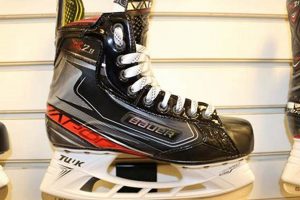
Hockey skates are characterized by a more rigid boot, providing enhanced ankle support and protection against impacts. The shorter, less curved blade promotes agility and rapid acceleration. When evaluating used hockey skates, particular attention should be paid to the integrity of the boot and the sharpness of the blade edges. A cracked or weakened boot offers inadequate protection, while dull blades compromise skating performance.
- Recreational Skates
Recreational skates typically feature softer boots and blades designed for general skating comfort and ease of use. These skates are suitable for beginners and casual skaters. In the secondhand market, assessing the overall condition of the boot and the level of blade rust is essential. Excessive wear or significant rust can diminish the skating experience and reduce the lifespan of the skates.
- Speed Skates
Speed skates possess a long, straight blade designed for maximum speed and efficiency on the ice. The low-cut boot offers minimal ankle support, prioritizing freedom of movement. Evaluating used speed skates requires careful inspection of the blade for straightness and the boot for structural integrity. Blade misalignment or a damaged boot can compromise stability and increase the risk of falls.
The availability of diverse skate types within the secondhand market allows skaters to pursue their chosen discipline at a potentially reduced cost. However, it is imperative to carefully match the skate type to the intended activity and to thoroughly assess the condition of the equipment prior to purchase. Selecting an inappropriate skate type can hinder performance and increase the risk of injury, underscoring the importance of informed decision-making.
6. Source Reliability

The reliability of the source from which secondhand ice skates are acquired significantly impacts the overall quality and safety of the purchase. Acquiring these skates from reputable sources mitigates the risk of misrepresented condition, undisclosed damage, or outright fraud. This reliability directly translates to a greater likelihood of obtaining equipment that meets expectations in terms of performance and longevity. For example, a consignment shop specializing in sporting goods is more likely to accurately assess and disclose any existing flaws than an individual seller on an unregulated online marketplace.
Unreliable sources can present several challenges. Firstly, there may be a lack of expertise in evaluating the skates, resulting in the sale of equipment with hidden defects, such as compromised boot support or improperly sharpened blades. Secondly, there is a heightened risk of purchasing stolen goods, which can lead to legal complications. Thirdly, the absence of warranty or return policies leaves the buyer with limited recourse in the event of dissatisfaction or equipment failure. In contrast, purchasing from established retailers, reputable sporting goods stores, or certified skate technicians typically provides access to expert advice, inspection services, and potential recourse options. A used skate purchased from a local hockey pro shop, for instance, often comes with the assurance that the equipment has been thoroughly inspected and deemed safe for use.
In summary, source reliability serves as a crucial determinant of risk mitigation in the acquisition of used ice skates. Prioritizing reputable vendors or individuals with demonstrated expertise minimizes the potential for encountering misrepresented equipment or fraudulent transactions. This approach translates to enhanced confidence in the purchase, improved safety on the ice, and a greater likelihood of a satisfactory skating experience. Ultimately, verifying the credibility of the source is a critical step in ensuring the value and safety of pre-owned ice skating equipment.
Frequently Asked Questions About Used Ice Skates
This section addresses common inquiries regarding the purchase and use of previously owned ice skates, providing clarity on key considerations and best practices.
Question 1: Are pre-owned ice skates a safe option for beginners?
Used ice skates can be a safe option for beginners, provided they are thoroughly inspected for structural integrity and fitted properly. Examine the boot for damage and ensure the blades are in good condition. Professional evaluation is recommended.
Question 2: How does one determine the correct size when buying used skates?
Determining the correct size involves measuring the foot while wearing skating socks and comparing the measurement to a skate sizing chart. Trying on the skates and assessing the fit, ensuring a snug but comfortable feel, is essential.
Question 3: What are the primary concerns when inspecting used ice skate blades?
The primary concerns include rust, pitting, dullness, and improper sharpening. Rust and pitting can compromise blade integrity, while dullness reduces grip and control. Professional sharpening may be required.
Question 4: Can used figure skates be used for hockey, or vice versa?
Figure skates should not be used for hockey, and hockey skates should not be used for figure skating. The blade and boot designs are specifically tailored for each discipline, and using the wrong type can increase the risk of injury.
Question 5: What cleaning and maintenance procedures are recommended for used ice skates?
Recommended procedures include wiping down the blades after each use to prevent rust, allowing the skates to air dry thoroughly, and periodically sanitizing the interior of the boot to prevent bacterial growth.
Question 6: Where are reliable sources for purchasing pre-owned ice skates?
Reliable sources include reputable sporting goods stores, skate consignment shops, and certified skate technicians. These sources often provide inspection services and may offer limited warranties.
In summary, careful inspection, proper fitting, and diligent maintenance are crucial when considering pre-owned ice skates. Purchasing from reputable sources enhances the likelihood of a safe and satisfactory experience.
The following section will delve into the environmental benefits of choosing secondhand equipment.
Conclusion
This examination of 2nd hand ice skates reveals an avenue for both economic accessibility and environmental responsibility within the sport. Careful consideration of condition, fit, and source remains paramount in ensuring safety and performance. The availability of pre-owned equipment provides opportunities for wider participation while promoting resource conservation.
Embracing the reuse of sporting goods, such as 2nd hand ice skates, represents a tangible step towards sustainable consumption. This practice extends the lifespan of existing equipment, reducing the demand for new manufacturing and minimizing environmental impact. Responsible acquisition and maintenance of used skates contribute to a more sustainable and inclusive sporting landscape.