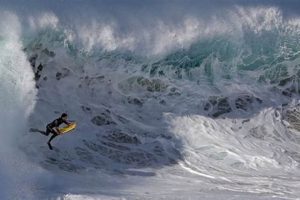
The term references a compilation of data and analysis pertaining to wave conditions, weather patterns, and tidal information specific to the coastline of Hatteras Island, North Carolina. Such resources provide details on wave height, swell direction, wind speed and direction, water temperature, and general surf conditions observed and forecasted for the area.
Accessing current and projected conditions is crucial for surfers, windsurfers, kiteboarders, and other water sports enthusiasts to assess safety and plan their activities. It provides vital information needed to make informed decisions regarding participation in water activities and selecting appropriate equipment, ultimately contributing to a safer and more enjoyable experience. Historically, this kind of information was gathered anecdotally, relying on local knowledge, but today sophisticated meteorological and oceanographic modeling provides detailed and readily accessible forecasts.
The following sections will examine the key elements considered in assessing coastal conditions, the technological tools used in generating such assessments, and resources to access this information.
Analyzing Coastal Condition Assessments
Understanding and correctly interpreting coastal condition assessments is paramount for maximizing safety and enjoyment of water activities. These assessments provide data points that, when analyzed together, offer a comprehensive overview of expected conditions.
Tip 1: Evaluate Wave Height and Period: Wave height indicates the vertical distance between the crest and trough of a wave, while wave period measures the time between successive crests. Higher wave heights combined with short wave periods often indicate choppy, less organized surf, potentially more challenging for most surfers.
Tip 2: Examine Swell Direction: The direction from which the primary swell is originating greatly impacts which areas will receive optimal wave conditions. Understanding the orientation of the coastline relative to the swell direction allows for informed decisions about which locations will offer the best surf.
Tip 3: Assess Wind Speed and Direction: Wind plays a crucial role in shaping wave quality. Offshore winds, blowing from the land towards the ocean, can create smooth, well-formed waves. Conversely, onshore winds can disrupt wave formation, leading to choppy and unfavorable conditions. Strong winds, regardless of direction, can present hazardous conditions for all water activities.
Tip 4: Monitor Water Temperature: Awareness of water temperature is vital for determining appropriate thermal protection. Extended exposure to cold water can lead to hypothermia, while excessively warm water may attract certain marine life. Consult temperature data and dress accordingly.
Tip 5: Consider Tidal Information: Tidal fluctuations influence wave shape and intensity, as well as access to certain areas. Low tide may expose sandbars, creating favorable wave breaks, while high tide may submerge these features, altering wave patterns. Tide charts provide essential data for planning activities safely.
Tip 6: Understand Local Hazards: Be aware of known hazards in the area, such as rip currents, submerged objects, or marine life. Local condition assessments sometimes include warnings about such dangers. If not, inquire with lifeguards or experienced locals.
Tip 7: Review Multiple Sources: Do not rely on a single source of information. Compare data from several sources to obtain a more complete and accurate picture of the expected conditions. Discrepancies between sources may indicate uncertainty in the forecast.
Careful consideration of these factors facilitates informed decision-making and enhances safety and enjoyment while engaging in water activities. A proactive approach to coastal condition assessment is crucial for mitigating risks and maximizing positive experiences.
The next section will discuss the resources available to obtain the relevant data.
1. Wave Height

Wave height constitutes a fundamental component of any coastal condition assessment. It directly influences the suitability of the environment for various watersports and recreational activities. Increased wave height generally correlates with a heightened challenge for surfers, demanding greater skill and experience. For swimmers, exceedingly high waves can present significant dangers, including increased risk of being swept out to sea or injured by powerful surf. Therefore, accurate assessment of wave height is paramount for evaluating the overall safety of the coastal environment.
Coastal condition summaries typically include both current wave height measurements and forecasts. Measurement relies on buoy data and direct observation, while forecasts utilize meteorological models to project future wave conditions. Discrepancies between measured and predicted wave height can occur due to the inherent complexities of wave dynamics and weather patterns. A coastal summary reporting a wave height of 4-6 feet serves as a clear indicator of conditions suited for experienced surfers but potentially hazardous for novice swimmers. Such information allows users to make informed decisions aligned with their skill level and risk tolerance. For example, a kitesurfer might seek out locations with smaller wave heights to facilitate easier launching and landing, while a seasoned surfer may be drawn to locations expecting larger swells.
In summary, wave height is a critical indicator within coastal condition assessment, directly impacting safety and influencing the suitability of coastal waters for various activities. Consistent and reliable reporting of wave height, coupled with an understanding of its implications, is essential for maximizing the benefits and minimizing the risks associated with coastal recreation.
2. Swell Direction

Swell direction is a crucial element within coastal condition assessments. The direction from which ocean swells approach a coastline profoundly affects wave quality, size, and the suitability of specific locations for surfing and other watersports. Accurate determination and interpretation of swell direction, therefore, is integral to effective utilization of coastal condition summaries.
- Impact on Wave Exposure
Swell direction dictates which sections of a coastline receive direct wave energy and which areas are sheltered. Coastlines aligned perpendicularly to the swell direction will generally experience larger, more powerful waves. Conversely, areas sheltered by headlands or oriented parallel to the swell direction will receive significantly reduced wave energy. Hatteras Island, with its varied coastline, exhibits marked differences in wave exposure based on swell direction.
- Influence on Wave Shape and Break Type
The angle at which a swell approaches the shore influences wave shape and the type of wave break. A head-on swell often results in steeper, more powerful waves breaking close to shore. Oblique swell angles can produce longer, more gradual breaking waves that peel along the shoreline, ideal for longboarding. Predicting wave shape and break type based on swell direction allows surfers to select locations suited to their preferences.
- Interaction with Bathymetry
Underwater topography, or bathymetry, interacts with swell direction to focus or disperse wave energy. Submerged reefs, sandbars, and channels can refract and amplify waves, creating localized hotspots of enhanced wave activity. Understanding how specific bathymetric features interact with different swell directions allows for precise forecasting of surf conditions at particular locations.
- Seasonal Swell Patterns
Swell direction often exhibits seasonal patterns dictated by prevailing weather systems. During winter months, Hatteras Island typically experiences swells originating from the northeast, associated with powerful coastal storms. Summer months tend to see more southerly swells generated by tropical systems. Awareness of these seasonal swell patterns allows users to anticipate general wave conditions.
In conclusion, swell direction is not a standalone variable, but rather an essential component interacting with other factors such as wind conditions, bathymetry, and seasonal patterns. A comprehensive coastal condition assessment incorporates swell direction alongside these parameters to provide a holistic and accurate depiction of anticipated wave conditions at Hatteras Island.
3. Wind Conditions

Wind conditions represent a critical component of any coastal condition assessment, significantly influencing wave formation, wave quality, and overall safety for watersports enthusiasts. The interplay between wind and water directly impacts the surfable conditions at locations like Hatteras Island. Onshore winds, blowing from the ocean toward the land, generally degrade wave quality by creating choppy, disorganized surf. This occurs because the wind’s energy disrupts the smooth face of the wave, making it less predictable and harder to ride. Conversely, offshore winds, blowing from land to sea, tend to groom waves, creating clean, well-shaped faces ideal for surfing. These winds hold up the wave face, preventing it from breaking prematurely and allowing for longer rides. Strong wind conditions, regardless of direction, can also create dangerous conditions for swimmers, kayakers, and other nearshore activities, increasing the risk of being swept offshore. A coastal assessment that accurately describes wind speed and direction provides essential information for making informed decisions about engaging in water-based activities.
The influence of wind extends beyond wave quality to impact the feasibility of certain watersports. Kiteboarding and windsurfing, for example, are entirely dependent on wind. Specific wind speeds and directions are required for these activities to be safely and enjoyably pursued. Light and variable winds may render these sports impossible, while excessively strong winds may pose a significant hazard. Detailed reports on wind conditions, including sustained wind speed, gust strength, and direction, are therefore crucial for participants in these activities. For instance, a “hatteras surf report” indicating sustained offshore winds of 15-20 knots would be favorable for kiteboarding on the Pamlico Sound side of Hatteras Island but potentially indicate challenging surfing conditions on the ocean side, depending on swell direction and wave height. Local knowledge of how wind interacts with specific breaks is also essential; some breaks may be sheltered from certain wind directions, while others may amplify the effects of the wind.
In summary, a thorough understanding of wind conditions is paramount for interpreting coastal condition assessments effectively. Wind directly influences wave quality, impacts the feasibility of various watersports, and contributes to overall safety considerations. “hatteras surf report” reports should always include detailed wind information, and users should learn to correlate this data with other factors, such as swell direction and tide, to make informed decisions regarding their activities and safety. The dynamic interaction of wind and water creates a complex environment that requires careful assessment to maximize the enjoyment and minimize the risks associated with coastal recreation.
4. Tidal Influence

Tidal influence constitutes a critical factor in coastal condition assessments, directly impacting wave characteristics, current strength, and navigable water depths. Its effects are dynamic and vary significantly based on location, lunar cycles, and local bathymetry. For accurate coastal assessments, tidal data requires careful consideration and integration with other environmental variables.
- Tidal Range and Wave Height
Tidal range, the vertical difference between high and low tide, directly influences wave height and break location. During high tide, waves may break closer to shore, creating a more powerful and shorter-lived surf. Conversely, low tide may expose sandbars and reefs, altering wave shape and potentially creating longer, more manageable rides. The “hatteras surf report” should account for tidal stage when predicting wave conditions, as a forecast neglecting tidal influence may be inaccurate. For instance, a forecast predicting 3-foot waves at mid-tide might translate to larger, more challenging conditions at high tide due to increased wave energy closer to shore.
- Tidal Currents and Safety
Tidal currents, the horizontal movement of water due to rising and falling tides, present potential hazards, especially near inlets and narrow channels. Strong tidal currents can create rip currents, powerful flows of water moving away from the shore, posing significant risks to swimmers and surfers. “hatteras surf report” often includes warnings about the potential for rip currents during specific tidal phases. Information about slack tide, the period of minimal current flow between flood and ebb tides, is also valuable for planning activities in areas with strong tidal currents. Ignoring tidal current information can lead to dangerous situations, even for experienced water users.
- Tidal Impact on Inlets and Navigation
Tidal fluctuations significantly affect water depths in inlets and navigation channels. Low tide can restrict access to certain areas, exposing shallow sandbars and potentially grounding vessels. “hatteras surf report” pertaining to boating and fishing includes information on tidal heights and their implications for channel depths. Commercial and recreational boaters must consult tidal charts and forecasts to ensure safe passage through inlets. Failure to account for tidal influence can lead to navigational hazards and potential damage to vessels.
- Tidal Bores and Localized Wave Phenomena
In specific geographic locations, tidal bores, waves that propagate upstream against a river or channel’s current, can occur. While less common in the Hatteras area, localized wave phenomena related to tidal flow around sandbars and headlands can significantly alter surf conditions. Such localized effects require in-depth understanding of the interaction between tidal flow and bathymetry. Experienced local surfers often possess knowledge of these localized tidal effects, allowing them to predict optimal surf conditions at specific locations. However, “hatteras surf report” generally cannot predict such localized tidal effects without detailed hydrodynamic modeling.
The multifaceted influence of tides necessitates careful integration of tidal data within “hatteras surf report”. Understanding tidal range, currents, navigational impacts, and localized wave phenomena allows for more accurate forecasting of coastal conditions and enhanced safety for all water users. Neglecting tidal influence can lead to misinterpretations of coastal conditions, potentially resulting in hazardous situations. Consulting multiple sources of information, including tidal charts and local expertise, is advisable for comprehensive coastal assessment.
5. Water Temperature

Water temperature constitutes a vital component of coastal condition assessments, directly impacting human comfort, safety, and the suitability of water-based activities. It serves as a key indicator within the “hatteras surf report,” influencing decisions regarding appropriate attire, exposure time, and potential risks associated with hypothermia or encounters with marine life. The reporting of accurate water temperature is crucial for responsible participation in activities ranging from surfing and swimming to diving and fishing.
The significance of water temperature extends beyond human considerations to influence the marine ecosystem. Temperature fluctuations affect the distribution and behavior of marine species, including the presence of jellyfish or other organisms that pose a risk to humans. A “hatteras surf report” incorporating water temperature data contributes to a more comprehensive understanding of the coastal environment, enabling users to make informed decisions that minimize potential harm to themselves and the marine ecosystem. For example, during periods of unusually warm water, the presence of certain harmful algal blooms or increased shark activity may be noted, influencing decisions regarding swimming or surfing in specific areas. Similarly, knowledge of cold water temperatures necessitates the use of appropriate wetsuits to prevent hypothermia, particularly during prolonged exposure.
In summary, water temperature is an indispensable element of a comprehensive “hatteras surf report,” affecting both human safety and the health of the marine environment. Accurate and reliable reporting of water temperature, coupled with an understanding of its implications, is essential for maximizing the benefits and minimizing the risks associated with coastal recreation. Integrating water temperature data with other environmental parameters, such as wave height and wind conditions, provides a holistic view of coastal conditions, empowering users to make responsible and informed decisions.
Frequently Asked Questions Regarding Coastal Condition Assessments
The following section addresses common queries regarding coastal condition assessments, with a specific focus on their application to the Hatteras Island region.
Question 1: Why is a coastal condition assessment necessary before engaging in watersports?
A coastal condition assessment provides crucial information about prevailing and anticipated environmental conditions, enabling informed decisions regarding safety, appropriate equipment, and optimal locations for specific activities. Failure to consult such assessments increases the risk of injury, equipment damage, and exposure to hazardous conditions.
Question 2: What key elements are typically included in a comprehensive coastal condition assessment?
Comprehensive assessments typically include data on wave height, swell direction, wind speed and direction, water temperature, tidal stage, and any localized hazards, such as rip currents or marine life warnings. The relative importance of each element depends on the specific activity being pursued.
Question 3: How frequently are coastal condition assessments updated?
The frequency of updates varies depending on the data source and the rate of change in environmental conditions. Some assessments are updated hourly, while others may be updated several times daily. Rapidly changing conditions, such as approaching storms, may necessitate more frequent updates.
Question 4: What are the limitations of coastal condition forecasts?
Coastal condition forecasts, while valuable, are inherently subject to uncertainty. Forecasts rely on meteorological and oceanographic models that are simplifications of complex natural systems. Unexpected weather patterns, localized effects, and the dynamic nature of ocean waves can lead to discrepancies between predicted and actual conditions.
Question 5: Where can one access reliable coastal condition assessments for the Hatteras Island region?
Reliable sources include the National Weather Service, buoy data websites, and specialized surf forecasting services. Consulting multiple sources and comparing data is recommended for a more comprehensive understanding of coastal conditions. Local lifeguard stations and surf shops may also provide valuable insights.
Question 6: How does one interpret conflicting information from different coastal condition assessment sources?
Discrepancies between different sources may indicate uncertainty in the forecast or differences in measurement techniques. In such cases, it is prudent to err on the side of caution and prioritize safety. Consulting with experienced local water users can also help resolve conflicting information.
A thorough understanding of the information provided in coastal condition assessments is crucial for responsible participation in watersports and other coastal activities. Regular consultation with reliable data sources, coupled with local knowledge and a conservative approach to risk management, enhances safety and optimizes enjoyment of the coastal environment.
The next section will explore advanced forecasting techniques and their applications.
hatteras surf report
This exploration has underscored the critical role of the “hatteras surf report” in ensuring safety and enhancing the experience of coastal activities. From the objective assessment of wave height and swell direction to the consideration of tidal influences and water temperature, the comprehensive integration of environmental data provides a crucial foundation for informed decision-making.
Consistent monitoring and judicious interpretation of the “hatteras surf report” is paramount for all who interact with this dynamic coastal environment. Prioritizing safety through informed planning ensures both personal well-being and responsible stewardship of Hatteras Island’s valuable natural resources.
![Your Cape May NJ Surf Report: [Conditions & Forecast] | Learn to Surf & Skate: A Beginner's Step-by-Step Guide](https://universitysurfandskate.com/wp-content/uploads/2026/04/th-236-300x200.jpg "Your Cape May NJ Surf Report: [Conditions & Forecast] Learn to Surf & Skate: A Beginner's Step-by-Step Guide")
![Your Kitty Hawk NC Surf Report: [Conditions & Forecast] | Learn to Surf & Skate: A Beginner's Step-by-Step Guide](https://universitysurfandskate.com/wp-content/uploads/2026/04/th-219-300x200.jpg "Your Kitty Hawk NC Surf Report: [Conditions & Forecast] Learn to Surf & Skate: A Beginner's Step-by-Step Guide")