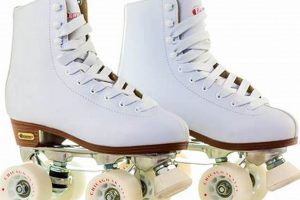
The relative difficulty of learning to use quad skates versus inline skates is a common consideration for beginners. This assessment often hinges on factors such as balance, coordination, and prior experience with similar activities. Understanding the inherent characteristics of each skate type is crucial in determining which might be more suitable for a particular individual’s aptitude and learning style.
The significance of choosing the appropriate skate type extends beyond initial ease of learning. It influences long-term enjoyment, proficiency, and safety during recreational skating. Historically, quad skates were prevalent, but inline skates gained popularity due to advancements in design and perceived performance advantages. Both types have established communities and offer diverse avenues for skill development.
The subsequent discussion will delve into the specific attributes of quad and inline skates concerning stability, maneuverability, and braking, thereby providing a basis for evaluating their respective learning curves. An objective comparison of these features will facilitate a more informed decision for those embarking on their skating journey.
Guidance for Novice Skaters
Selecting the appropriate skate type is a pivotal initial step. The following recommendations are intended to aid in determining whether quad or inline skates align better with an individual’s capabilities and objectives.
Tip 1: Prioritize Stability. Individuals with concerns regarding balance may find quad skates more manageable initially due to their wider base. This configuration offers enhanced stability, especially at lower speeds.
Tip 2: Evaluate Maneuverability Requirements. Inline skates are typically favored for speed and efficient straight-line skating. Those interested in intricate maneuvers or roller dance may find quad skates more responsive.
Tip 3: Consider Braking Mechanics. Quad skates generally utilize a toe stop brake, whereas inline skates often employ a heel brake. Familiarize yourself with both systems and assess which feels more intuitive and controllable.
Tip 4: Assess Ankle Support. Inline skates often provide more rigid ankle support, which can be beneficial for individuals with weaker ankles or those prone to ankle injuries. Quad skates offer greater flexibility, but may require stronger ankles.
Tip 5: Factor in Surface Conditions. Inline skates typically perform better on smoother surfaces, while quad skates can handle slightly rougher terrain. The intended skating environment should influence the choice.
Tip 6: Seek Professional Guidance. Consider consulting with experienced skaters or instructors who can provide personalized recommendations based on individual skill level and goals. A professional assessment can offer valuable insights into optimal skate selection.
Choosing between quad and inline skates involves a careful evaluation of personal strengths, weaknesses, and intended skating activities. There is no universally superior option; the most suitable choice is the one that fosters confidence and facilitates skill development.
The next segment will explore common misconceptions and address frequently asked questions related to quad and inline skating, providing further clarity for prospective skaters.
1. Initial Balance

Initial balance represents a fundamental aspect in determining the perceived ease of learning to use either roller skates or inline skates. The distribution of wheels on quad skates, positioned at the four corners of the boot, inherently creates a wider and more stable base of support compared to inline skates, which feature wheels arranged in a single line beneath the foot. This broader base often translates to an easier initial experience for beginners, as it requires less immediate effort to maintain upright stability. A novice skater on quad skates may find it less challenging to simply stand and achieve a basic level of equilibrium before attempting forward motion. Conversely, the narrower profile of inline skates demands a more refined sense of balance from the outset, potentially leading to a steeper initial learning curve.
The advantage conferred by quad skates regarding initial balance is particularly relevant for individuals with limited prior experience in balancing activities or those who may possess a lower center of gravity. Children, for example, might find the inherent stability of quad skates more confidence-inspiring during their initial skating attempts. However, this initial advantage does not necessarily dictate long-term proficiency. As a skater gains experience, the superior maneuverability and speed potential of inline skates may become more appealing and, ultimately, easier to master. Furthermore, while quad skates offer greater static stability, the dynamic stability required for more advanced skating maneuvers can be equally demanding on either type of skate.
In conclusion, the influence of initial balance on the perceived ease of skating is significant, particularly at the beginner stage. Quad skates generally offer a more forgiving platform for novices due to their wider base, which promotes greater stability. While inline skates may present a steeper initial challenge, the skills acquired to overcome this hurdle can translate into a more versatile and efficient skating experience in the long run. The choice between roller skates and inline skates should, therefore, take into account an individual’s comfort level with balance, as well as their long-term skating goals.
2. Ankle Support

Ankle support constitutes a critical factor in assessing the relative ease of learning to use either roller skates or inline skates. The level and type of ankle support provided by each skate design significantly impact stability, control, and the potential for injury, particularly during the initial learning phase.
- Boot Height and Rigidity
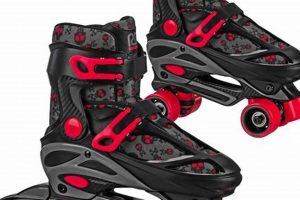
Inline skates typically feature a higher boot that extends further up the ankle, often constructed from more rigid materials. This design aims to provide greater lateral support, minimizing ankle roll and offering increased stability, particularly at higher speeds. Roller skates, in contrast, often have a lower boot cut and may utilize more flexible materials. This allows for a greater range of ankle motion, which can be beneficial for certain maneuvers, but may also require greater intrinsic ankle strength and stability from the skater. The higher boot height and rigidity of inline skates can be advantageous for beginners who lack established ankle strength and control, potentially making them feel more secure.
- Lacing and Closure Systems
The lacing and closure systems on both types of skates contribute to the degree of ankle support provided. Inline skates frequently incorporate ratcheting buckles or power straps in conjunction with laces to ensure a snug and secure fit around the ankle. This allows for precise adjustment and customization of the level of support. Roller skates may utilize a simpler lacing system, which can provide adequate support for recreational skating but may not offer the same level of customization or rigidity as inline skates. A secure and well-adjusted closure system is essential for preventing ankle movement within the boot, which can lead to instability and potential injuries.
- Impact on Balance and Control
The level of ankle support directly influences a skater’s ability to maintain balance and control. Inline skates, with their typically more rigid ankle support, can assist in preventing ankle pronation or supination, thereby maintaining a more neutral foot and ankle alignment. This can be particularly helpful for beginners who are still developing their balance and coordination. Roller skates, with their greater ankle flexibility, require the skater to actively engage their ankle muscles to maintain stability. While this can ultimately lead to greater ankle strength and control, it may also pose a greater challenge for novice skaters who lack these foundational skills.
- Potential for Injury Mitigation
Adequate ankle support plays a crucial role in mitigating the risk of ankle injuries, such as sprains or fractures. The rigid ankle support offered by many inline skates can help to limit excessive ankle movement, reducing the likelihood of these types of injuries. Roller skates, with their greater flexibility, may offer less protection against ankle injuries, particularly during falls or collisions. However, the increased range of motion can also allow the ankle to adapt more readily to uneven surfaces, potentially reducing the risk of certain types of stress injuries. The choice between greater stability and reduced risk of acute injury versus greater flexibility and potential for adaptability should be considered when selecting a skate type.
In summary, ankle support is a significant determinant of the perceived ease of use for both roller skates and inline skates. Inline skates generally offer greater ankle support due to their higher, more rigid boots and sophisticated closure systems. This can provide a sense of security and stability for beginners, potentially making them feel more comfortable and confident. However, the greater flexibility offered by roller skates can promote ankle strength and control over time. The optimal choice depends on an individual’s existing ankle strength, balance skills, and tolerance for risk.
3. Braking System
The braking system is a fundamental aspect influencing the perceived ease of learning to skate on either roller skates (quad skates) or inline skates. The design and operation of the braking mechanism directly impact the user’s ability to control speed and stop safely, thereby affecting the learning curve and overall confidence of the skater.
- Toe Stop vs. Heel Brake Mechanics
Roller skates traditionally employ a toe stop brake, located at the front of one or both skates. Activation requires the skater to lift the heel and apply pressure to the toe stop against the ground. Inline skates commonly utilize a heel brake, positioned at the rear of one skate. This system is engaged by extending one leg forward and pressing the heel brake down. The distinct mechanics of each system necessitate different skill sets. The toe stop can feel more intuitive for some, resembling a natural stepping motion, while the heel brake requires a specific leg extension and downward pressure that may require practice to master. In the context of perceived ease, the toe stop might offer a quicker initial understanding, but the heel brake, once mastered, can provide a more controlled stop at higher speeds.
- Learning Curve and Skill Acquisition
The learning curve associated with each braking system varies. The toe stop often allows for gradual speed reduction, making it suitable for slow-speed maneuvers and beginners. However, executing a controlled stop at higher speeds with a toe stop demands precise balance and coordination to prevent stumbling. The heel brake, while potentially more awkward initially, allows for controlled braking at higher speeds and can be more stable once the technique is refined. Therefore, the ‘easier’ braking system depends on the skill level and intended skating style. For casual, low-speed skating, the toe stop may be sufficient, while inline skaters aiming for speed and distance may prefer the heel brake.
- Maintenance and Adjustability
The maintenance and adjustability of the braking system also contribute to the user experience. Toe stops on roller skates are typically easily replaceable and adjustable in height, allowing skaters to customize the braking force and responsiveness. Heel brakes on inline skates can also be replaced, but the adjustment options may be more limited. Proper maintenance, including regular inspection and replacement of worn brake pads, is crucial for both systems to ensure reliable braking performance. A well-maintained and properly adjusted braking system instills confidence and control, regardless of the skate type, ultimately impacting the perception of ease of use.
- Impact on Maneuverability
The braking system can influence a skater’s maneuverability. The toe stop on roller skates can be used for controlled stops and quick turns, allowing for greater agility and responsiveness. The heel brake on inline skates, while effective for stopping, can limit maneuverability during braking. The skater must maintain a forward stance, which can restrict turning ability. The integration of the braking system into the overall skating technique significantly affects the skater’s control and agility. Skaters prioritizing quick turns and responsiveness might find the toe stop more advantageous, while those focused on speed and distance may prefer the heel brake.
In summary, the braking system is a key differentiator between roller skates and inline skates, significantly impacting the perceived ease of learning and skating. While the toe stop might offer a quicker initial understanding, the heel brake allows for more controlled stopping at higher speeds. The selection of the optimal braking system depends on an individual’s skating goals, skill level, and desired level of control and maneuverability. Ultimately, a braking system that is well-understood, maintained, and integrated into the skating technique will contribute to a safer and more enjoyable skating experience, irrespective of the skate type.
4. Surface Type
Surface type exerts a considerable influence on the relative ease of using roller skates or inline skates. The interaction between wheel material, size, and hardness, and the characteristics of the skating surface significantly impacts a skater’s balance, speed, and maneuverability, thereby determining the optimal skate choice for a given environment.
- Smooth Surfaces (Asphalt, Concrete)
On smooth surfaces like well-maintained asphalt or polished concrete, inline skates generally offer a performance advantage. Their harder, larger wheels facilitate efficient rolling and higher speeds. The smoother surface minimizes friction, allowing the inline skate’s streamlined design to excel. Roller skates, while functional on these surfaces, may feel less efficient and require more effort to maintain speed due to their smaller, softer wheels, which generate more rolling resistance. This efficiency differential can impact the perceived ease of use, particularly for longer distances or speed-focused skating.
- Rough Surfaces (Cracked Pavement, Uneven Terrain)
Rough or uneven surfaces present a different dynamic. Roller skates, with their wider wheel configuration and often softer wheel durometer (hardness), can navigate these conditions with greater stability and shock absorption. The wider footprint provides a more stable base, compensating for surface irregularities, while the softer wheels absorb vibrations, enhancing comfort. Inline skates, on the other hand, can become unstable on rough surfaces. The smaller contact patch of each wheel and the typically harder wheel composition translate to a less forgiving ride, transmitting more vibrations to the skater and potentially causing loss of control. In such environments, roller skates may be perceived as easier to manage, particularly for beginners.
- Indoor Surfaces (Wood Floors, Rinks)
Indoor surfaces, such as polished wood floors in roller rinks or specialized skating surfaces, often favor roller skates. The wheel durometer can be matched to the specific surface properties to optimize grip and maneuverability for rink skating or roller dance. Inline skates can also be used indoors, but the wheel selection becomes crucial. Harder wheels are generally preferred for indoor skating to minimize friction and maximize speed. The choice between skate types indoors often depends on the intended activity, with roller skates dominating artistic and recreational rink skating, while inline skates may be preferred for speed skating or hockey on specialized surfaces.
- Transitioning Between Surfaces
The ability to transition smoothly between different surface types is a practical consideration for many skaters. Roller skates, with their greater stability on uneven surfaces, tend to offer a more seamless transition from smooth to rough terrain and vice versa. Inline skates, while excelling on smooth surfaces, require more caution and skill when encountering surface irregularities. The skater must anticipate changes in surface texture and adjust their technique to maintain balance and control. This adaptability factor can influence the perceived ease of use, particularly for skaters who frequently encounter varied terrain in their skating environment.
In conclusion, surface type significantly influences the relative ease of use for roller skates and inline skates. Smooth surfaces generally favor inline skates due to their efficiency and speed, while rough surfaces often make roller skates the easier choice due to their stability and shock absorption. The optimal skate selection depends on the skater’s intended environment and the specific characteristics of the surfaces they will encounter. Understanding the interplay between skate design and surface properties is crucial for maximizing performance and minimizing the learning curve.
5. Maneuverability
Maneuverability is a critical determinant in assessing the relative ease of use between roller skates and inline skates. The capacity to efficiently change direction, navigate obstacles, and execute specific skating techniques significantly impacts the learning curve and overall skating experience.
- Wheel Configuration and Turning Radius
The arrangement of wheels on each skate type directly influences the turning radius and responsiveness. Roller skates, with their quad wheel configuration, typically offer a tighter turning radius due to the pivot point being closer to the center of the foot. This facilitates quicker and more agile turns, making them suitable for activities requiring frequent changes in direction, such as roller derby or artistic skating. Inline skates, with their inline wheel arrangement, generally have a larger turning radius, requiring more space and effort to execute sharp turns. This can present a challenge for beginners who may find it difficult to navigate confined spaces or perform intricate maneuvers.
- Ankle Articulation and Edge Control
The degree of ankle articulation permitted by each skate type affects the skater’s ability to apply edge control, which is essential for carving turns and maintaining balance. Roller skates often allow for greater ankle flexibility, enabling skaters to lean into turns and engage their edges more effectively. This can enhance maneuverability in situations requiring precise control and responsiveness. Inline skates, with their typically more rigid ankle support, may limit ankle articulation, requiring skaters to rely more on upper body positioning and weight transfer to initiate turns. This can be less intuitive for some beginners and may require more practice to master.
- Weight Distribution and Balance Point
Weight distribution and the location of the balance point influence the ease with which a skater can initiate and maintain turns. Roller skates distribute weight more evenly across the four wheels, creating a stable platform that is less sensitive to minor shifts in weight. This can make it easier for beginners to maintain balance while turning. Inline skates concentrate weight along the centerline of the foot, requiring more precise balance and control to prevent instability during turns. Skaters must actively engage their core muscles and maintain a low center of gravity to compensate for the narrower base of support. This can present a greater challenge for those who are still developing their balance skills.
- Specialized Maneuvers and Skill Requirements
Certain skating maneuvers, such as crossovers, spins, and jumps, require specific techniques and skill sets that may be more easily executed on one skate type versus the other. Roller skates, with their agility and responsiveness, are often favored for artistic skating and roller dance, where intricate footwork and precise control are paramount. Inline skates, with their speed and stability, are typically preferred for speed skating and aggressive skating, which prioritize straight-line speed and powerful strides. The choice of skate type should align with the skater’s intended activities and the specific maneuvers they wish to master.
Ultimately, the impact of maneuverability on the perceived ease of skating depends on the individual’s skill level, skating goals, and the specific environment in which they intend to skate. Roller skates generally offer greater agility and a tighter turning radius, making them suitable for activities requiring frequent changes in direction and precise control. Inline skates, while requiring more space to execute turns, excel at maintaining speed and stability on straightaways. The optimal choice depends on the skater’s priorities and preferences.
Frequently Asked Questions
The following addresses common inquiries regarding the relative ease of learning and using roller skates compared to inline skates. These questions aim to clarify misconceptions and provide a factual basis for informed decision-making.
Question 1: Are roller skates inherently more stable than inline skates for beginners?
Roller skates, due to their wider wheel base, generally offer greater static stability, which can be advantageous for initial balance acquisition. However, dynamic stability during movement is influenced by factors beyond wheel configuration.
Question 2: Does the braking system significantly impact the difficulty of learning to skate?
Yes, the braking system plays a crucial role. Roller skates typically use a toe stop, requiring a forward leaning action, while inline skates often use a heel brake, necessitating a leg extension. The learning curve for each system varies by individual.
Question 3: Are specific surface types better suited for either roller skates or inline skates?
Smooth surfaces generally favor inline skates, allowing for greater speed and efficiency. Rougher surfaces may be more manageable with roller skates due to their wider wheel base and increased stability.
Question 4: Do inline skates offer better ankle support compared to roller skates?
Typically, inline skates provide more rigid ankle support, which can be beneficial for individuals with weaker ankles or those prone to ankle injuries. However, this rigidity can also limit ankle mobility.
Question 5: Which type of skate is easier to use for intricate maneuvers and turns?
Roller skates generally offer a tighter turning radius, facilitating quicker and more agile turns. Inline skates, while capable of turning, require more space and a different technique.
Question 6: Is one skate type inherently safer than the other?
Neither skate type is inherently safer. Safety depends on factors such as skill level, protective gear usage, and awareness of surroundings. Proper training and adherence to safety guidelines are paramount.
In conclusion, the “easier” skate type is subjective and depends on individual attributes and skating goals. Consideration of stability, braking system, surface type, ankle support, and maneuverability is crucial for an informed choice.
The subsequent section will provide a comprehensive summary of the key considerations in choosing between roller skates and inline skates, offering practical guidance for potential skaters.
Concluding Remarks
This exploration of whether roller skates or inline skates present an easier learning curve has revealed a nuanced landscape. Initial stability, braking mechanisms, surface conditions, and ankle support all contribute to an individual’s perception of difficulty. No single skate type emerges as universally superior. Rather, suitability hinges on a confluence of personal attributes and intended application.
Ultimately, the choice between roller skates and inline skates necessitates a careful self-assessment and a pragmatic evaluation of skating objectives. Prospective skaters are encouraged to consider these factors diligently. The informed selection of equipment is critical to fostering a safe and enjoyable skating experience, and can greatly impact the path towards proficiency.

![Get Rolling! Brand New Pair of Roller Skates Song [Audio] | Learn to Surf & Skate: A Beginner's Step-by-Step Guide](https://universitysurfandskate.com/wp-content/uploads/2026/05/th-191-300x200.jpg "Get Rolling! Brand New Pair of Roller Skates Song [Audio] Learn to Surf & Skate: A Beginner's Step-by-Step Guide")