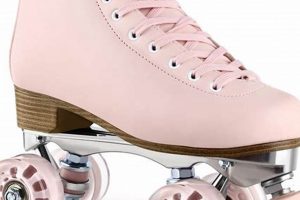
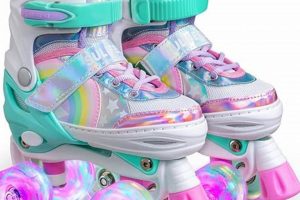
The sartorial choices associated with recreational skating during the 1980s encompassed a distinct aesthetic. This included vibrant colors, bold patterns, and athletic-inspired apparel, frequently combined in ways that emphasized individuality and self-expression. For instance, neon-colored leg warmers paired with high-cut leotards and customized roller skates represent a typical ensemble of the period.
The trends of this era reflected broader cultural influences, particularly the fitness craze and the rise of MTV. These stylistic choices served not only a functional purpose, allowing for freedom of movement, but also acted as a visual representation of the decade’s energetic and optimistic spirit. Furthermore, they cemented the activity’s association with youth culture and popular entertainment.
The following discussion will delve into specific garments, accessories, and customization techniques that defined the distinctive look of skating participants during this era, while also exploring the enduring influence these trends continue to have on contemporary style.
“80’s roller skate fashion” Style Tips
Achieving an authentic aesthetic requires careful attention to detail and an understanding of the period’s defining characteristics. The following guidelines offer practical advice on recreating this iconic look.
Tip 1: Embrace Vibrant Colors: The 1980s were characterized by bold, neon hues. Incorporate shades of pink, green, yellow, and blue into apparel. A neon windbreaker, for example, can serve as a focal point for the ensemble.
Tip 2: Prioritize Legwear: Leg warmers were a staple. Opt for brightly colored, knitted leg warmers worn scrunched around the ankles. Tights in solid colors or with geometric patterns are also suitable choices.
Tip 3: Consider the Leotard: A high-cut leotard, often in a solid color or featuring a graphic design, provides a foundational piece. It can be paired with shorts, skirts, or worn alone with leg warmers.
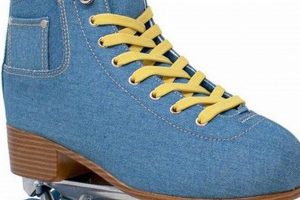
Tip 4: Choose Appropriate Footwear: While vintage skates are ideal, modern roller skates can be customized. Ensure skates complement the overall color palette of the outfit. Consider adding colorful laces or wheel covers.
Tip 5: Accessorize Thoughtfully: Headbands, wristbands, and large earrings contribute to the overall look. Opt for accessories in contrasting colors or with metallic accents.
Tip 6: Balance Functionality and Style: While aesthetics are important, prioritize comfort and freedom of movement. Choose breathable fabrics and ensure the outfit allows for unrestricted skating.
By adhering to these suggestions, a credible and visually striking representation of the era’s roller skating attire can be achieved. Careful attention to color, garment selection, and accessories is paramount.
The subsequent sections will explore the historical context and cultural influences that shaped this distinctive style.
1. Neon Colors

Neon colors were intrinsic to the visual identity of roller skating attire during the 1980s. This association stemmed from a confluence of factors, including broader trends in fashion and popular culture, as well as the desire for self-expression within the skating community. The adoption of fluorescent hues, such as hot pink, electric blue, and lime green, directly impacted the overall aesthetic, rendering it energetic, youthful, and attention-grabbing. This trend manifested in various garments, including leg warmers, leotards, windbreakers, and accessories. The integration of such colors served to elevate the skater’s visibility, both on the rink and in outdoor settings.
The prevalence of neon within skating apparel reflected the broader acceptance of these shades in mainstream fashion during the decade. The fitness craze, combined with the rise of music television, amplified this trend. These colors projected an image of dynamism and vitality, qualities highly valued within the skating subculture. For instance, the use of neon-striped leg warmers not only provided a practical function of keeping muscles warm but also contributed significantly to the overall visual statement. A skater might pair neon yellow shorts with a bright pink leotard, creating a visually arresting ensemble that aligned perfectly with the era’s aesthetic sensibilities.
Understanding the link between vibrant hues and skating gear from this era provides key insights into the decade’s cultural landscape and associated trends. Recognizing this correlation enables a more accurate and nuanced interpretation of visual representations from that period. Appreciating this also allows for a deeper understanding of how fashion trends can reflect broader cultural shifts and express the spirit of a generation.
2. High-cut leotards

The high-cut leotard served as a foundational garment within the aesthetic of 1980s roller skating attire. Its design and functionality were aligned with both the practical demands of the sport and the prevailing fashion sensibilities of the decade, making it a defining element of the skating subculture.
- Enhanced Range of Motion
The high-cut design, characterized by elevated leg openings, facilitated a greater range of motion in the hips and legs. This was particularly beneficial for skating, where agility and flexibility are essential. The unrestricted movement allowed skaters to execute complex maneuvers and maintain balance with greater ease. Examples include advanced skating techniques like spins, jumps, and quick directional changes, which were less constrained by the leotard’s cut.
- Synergy with Leg Warmers
The leotard’s silhouette complemented the ubiquitous leg warmers. The high-cut leg openings provided a visual break, highlighting the leg warmers and creating a layered effect. This combination enhanced the overall aesthetic, adding both visual interest and practical warmth. For instance, a neon-colored leotard paired with contrasting leg warmers became a common and recognizable skating ensemble.
- Alignment with Fitness Culture
The prominence of high-cut leotards reflected the broader fitness culture prevalent in the 1980s. Aerobics and dance-based fitness routines heavily influenced fashion trends, and the leotard became a symbol of athleticism and physical fitness. Skating adopted this aesthetic, positioning itself within the broader context of health and well-being. The popularity of fitness icons, who often sported similar attire, further reinforced this association.
- Showcasing of Physical Form
The garment’s design subtly emphasized the physique. While primarily functional, the high-cut and form-fitting nature of the leotard accentuated the lines of the body, aligning with a trend toward showcasing physical fitness and toned silhouettes. This aspect contributed to the overall self-expressive nature of the era’s styles.
The convergence of these factors solidified the high-cut leotard’s status as a key component. Its functional benefits, aesthetic appeal, and cultural associations coalesced to create a garment that was both practical for skating and emblematic of the decade’s fashion trends.
3. Leg warmer dominance

The prominent role of leg warmers within the aesthetics of 1980s roller skating attire is undeniable. This dominance stemmed from a confluence of practical considerations and prevailing fashion trends, inextricably linking the two. Functionally, leg warmers provided insulation, crucial for maintaining muscle warmth during periods of activity and rest, especially in cooler skating rinks. A direct result of this thermal regulation was enhanced flexibility and reduced risk of injury, factors clearly beneficial to roller skaters. The adoption of leg warmers, therefore, represented a pragmatic response to the physical demands of the sport.
Beyond their utility, leg warmers held significant symbolic value, aligning with the era’s broader stylistic trends. The vibrant colors and textured designs commonly featured on leg warmers complemented the leotards and athletic accessories characteristic of the decade’s sportswear. For example, images of skaters from this period frequently showcase neon-colored leg warmers paired with high-cut leotards and brightly colored roller skates, exemplifying a cohesive and visually striking aesthetic. Furthermore, the accessibility of leg warmers allowed for individual expression; skaters could mix and match colors and textures, tailoring their appearance to reflect personal preferences. Popular media depictions of roller skating culture reinforced this association, solidifying the position of leg warmers as a quintessential element of the look. A real-world example is the popularity of roller skating in music videos and films, which almost invariably featured performers wearing leg warmers.
In conclusion, the prevalence of leg warmers during this decade was a result of their functional benefits and aesthetic appeal. Understanding the significance of leg warmers within the context of roller skating fashion provides insights into the practical considerations and cultural influences that shaped the visual identity of the sport. Recognizing this connection is vital for accurately representing and interpreting the style of this era, both in historical analyses and contemporary revivals.
4. Athletic accessories

The relationship between athletic accessories and roller skating attire during the 1980s is one of integral component and visual signifier. These accessories, which included headbands, wristbands, and specialized socks, were not merely utilitarian additions; they actively contributed to the overall aesthetic and reinforced the athletic nature of the activity. The emphasis on these items was a direct reflection of the decade’s broader fitness craze and the rising popularity of aerobics and other visually driven sports. This trend, in turn, influenced the way skaters presented themselves, incorporating these elements to emulate a sense of athleticism and energy.
The importance of these additions stemmed from their ability to enhance the skater’s look and improve performance. Headbands, often brightly colored or featuring geometric patterns, served to keep hair out of the face, a practical benefit during vigorous skating sessions. Wristbands, beyond their sweat-absorbing function, provided a stylistic touch that complemented the bold colors of the clothing. An example can be seen in archival photographs and music videos from the era, where skaters are frequently depicted wearing coordinated headbands and wristbands that match their leotards and leg warmers. Specialized socks, typically striped or patterned, completed the ensemble and provided cushioning within the skates. Understanding the role of these items aids in accurately recreating or interpreting the visual language of the time. This includes accurate representation in historical contexts such as movie scenes.
In summary, athletic accessories were a fundamental aspect of roller skating attire during the 1980s, fulfilling both practical and aesthetic purposes. They mirrored the broader fitness trends of the decade and allowed skaters to express individuality while enhancing their performance. Acknowledging this connection provides critical insight into the multifaceted nature of the era’s style. It also reinforces the notion that fashion choices can reflect a culture’s prevailing values and activities.
5. Roller skate customization
Roller skate customization was a pivotal aspect of personal expression within the vibrant tapestry of 1980s roller skating fashion. It extended beyond mere functionality, becoming a medium through which skaters communicated individuality and stylistic preferences. This practice was central to the culture, elevating roller skates from simple equipment to personalized statements.
- Lace Variation
Lace replacement served as a readily accessible method of personalization. Skaters routinely swapped out standard laces for versions in neon hues, metallic threads, or bold patterns. This modification, though seemingly minor, significantly altered the overall appearance of the skates, allowing for coordination with attire or contrasting accents. Examples include matching lace colors to leg warmers or using iridescent laces to catch the light. The accessibility and affordability of lace customization made it a widespread practice.
- Wheel Modification
Replacing factory-standard wheels with colored or patterned alternatives provided another avenue for customization. Wheels in bright pink, electric blue, or even two-toned combinations allowed skaters to inject personality into their equipment. Beyond aesthetics, wheel selection impacted performance; harder wheels offered greater speed, while softer wheels provided increased grip. This duality of function and style made wheel customization a popular choice. For instance, skaters might opt for translucent wheels with embedded glitter to enhance their visual impact.
- Toe Stop Augmentation
While primarily functional, the toe stop presented an opportunity for customization. Skaters often replaced standard toe stops with brightly colored or uniquely shaped alternatives. Some even opted for metal toe stops, offering improved durability and a distinctive look. The customization of toe stops, though less prominent than lace or wheel modifications, contributed to the overall personalization of the skates.
- Skate Embellishment
The application of decals, paint, and other embellishments directly onto the skate boot allowed for more elaborate customization. Skaters adorned their skates with stickers, hand-painted designs, and even embedded rhinestones, transforming their equipment into unique works of art. This practice, while requiring more skill and effort, resulted in highly individualized skates that reflected the skater’s personality and style. Examples include painting geometric patterns, applying band logos, or adding personalized monograms.
These varied methods of roller skate customization underscore the importance of self-expression within the 1980s roller skating subculture. From simple lace swaps to elaborate embellishments, skaters utilized every available avenue to personalize their equipment, transforming functional skates into personalized symbols of style and identity, fully reflecting the “80’s roller skate fashion” spirit.
6. Freedom of movement
The correlation between freedom of movement and attire from the 1980s roller skating era is a crucial element in understanding its aesthetic. The activity itself necessitates unrestricted mobility; therefore, clothing choices prioritized function without sacrificing style. Garments were selected to allow for a full range of motion, enabling skaters to execute maneuvers without hindrance. This consideration directly influenced the selection of materials, designs, and overall silhouettes. For instance, the high-cut leotard, a staple of this era, permitted greater leg extension compared to more restrictive garments. Similarly, the adoption of stretchable fabrics, such as Lycra and Spandex, ensured that clothing conformed to the body while facilitating ease of movement.
The emphasis on freedom of movement had a ripple effect, shaping other aspects of the sartorial choices. Loose-fitting tops, often paired with form-fitting bottoms, allowed for ventilation and prevented overheating during periods of intense activity. The incorporation of athletic accessories, such as wristbands and headbands, served to wick away moisture and maintain visibility. As a practical example, consider the popularity of windbreakers; these lightweight jackets provided protection from the elements without impeding movement. Moreover, the footwear itself, while designed for skating, incorporated features like padded linings and flexible ankle supports to enhance comfort and maneuverability. The design principles of the clothing were inseparable from the physical demands of the sport.
In conclusion, the imperative for freedom of movement profoundly shaped the aesthetics. This consideration dictated the choice of fabrics, the design of garments, and the incorporation of accessories. Recognizing this connection is essential for accurately interpreting and recreating the style of this era. It also reinforces the idea that fashion is not merely a superficial concern but a reflection of practical needs and cultural values. The focus on unrestricted mobility transformed the 1980s roller skating scene into a vibrant display of athleticism and individual expression.
Frequently Asked Questions About “80’s roller skate fashion”
This section addresses common inquiries and clarifies misunderstandings regarding the distinctive style associated with roller skating during the 1980s. The information provided aims to offer a comprehensive understanding of this aesthetic.
Question 1: What distinguishes “80’s roller skate fashion” from other eras?
The hallmark of the era’s attire is its vibrant color palette, characterized by neon shades such as hot pink, electric blue, and lime green. Other distinguishing features include high-cut leotards, leg warmers, athletic accessories, and customized roller skates. The emphasis on freedom of movement is also a key characteristic.
Question 2: Were leg warmers worn solely for aesthetic reasons?
No. While leg warmers contributed significantly to the overall look, they also served a functional purpose by providing insulation and maintaining muscle warmth, particularly during periods of inactivity in cooler skating rinks. This helped to enhance flexibility and reduce the risk of injury.
Question 3: How crucial was roller skate customization?
Customization played a vital role in personal expression. Skaters routinely altered their equipment through lace swaps, wheel modifications, and embellishments, transforming standard skates into personalized statements. This practice was integral to the subculture and allowed for individuality.
Question 4: Did practical considerations influence clothing choices?
Yes. The activity necessitates unrestricted mobility; therefore, clothing choices prioritized function. Garments were selected to allow for a full range of motion, enabling skaters to execute maneuvers without hindrance. The adoption of stretchable fabrics and loose-fitting tops facilitated ease of movement and ventilation.
Question 5: What role did accessories play?
Accessories, such as headbands and wristbands, contributed both aesthetically and practically. Headbands kept hair out of the face, while wristbands absorbed sweat. These items were often coordinated with clothing to enhance the overall visual impact.
Question 6: Was the look influenced by broader cultural trends?
Yes. The aesthetic reflected the broader fitness craze and the rise of music television during the 1980s. Aerobics and dance-based fitness routines influenced fashion trends, and the style became a symbol of athleticism and physical fitness.
The information provided underscores the multifaceted nature of the “80’s roller skate fashion”, encompassing both functional and aesthetic considerations. Understanding these nuances is essential for accurately interpreting and recreating this iconic style.
The following section will summarize the key elements and highlight its enduring legacy.
“80’s roller skate fashion”
This article has comprehensively explored the defining characteristics of attire from this period, encompassing its vibrant color palette, functional garment designs, and the significant role of customization. Key elements such as neon hues, high-cut leotards, leg warmers, athletic accessories, and the emphasis on freedom of movement have been examined in detail. Furthermore, the influence of broader cultural trends, including the fitness craze and the rise of music television, has been addressed, providing a nuanced understanding of the style’s origins and significance.
The enduring legacy of this aesthetic resides in its ability to represent a specific moment in time, reflecting the values and aspirations of a generation. Understanding its historical context and stylistic components allows for a more informed appreciation of its influence on contemporary fashion and popular culture. Further research into the socio-cultural impact of this trend remains a valuable avenue for scholarly exploration.