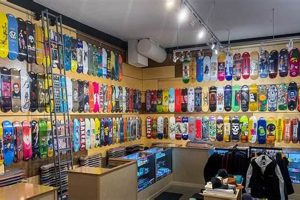
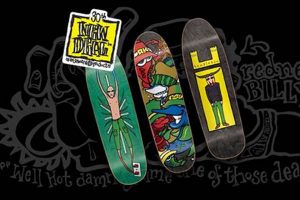
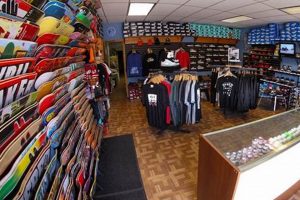
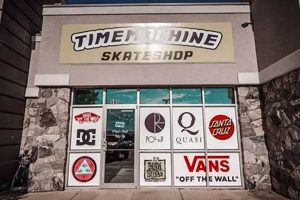
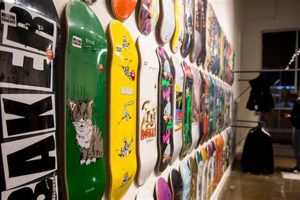
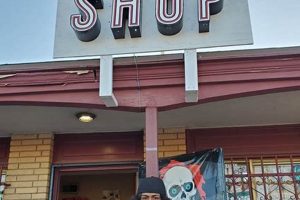
A retail establishment specializing in skateboarding equipment and apparel, offering a curated selection of skateboards, components (trucks, wheels, bearings), protective gear, footwear, and clothing tailored to skateboarders. These businesses serve as vital resources for both beginner and experienced skaters, providing access to specialized products and knowledgeable staff.
Such establishments contribute significantly to the local skateboarding community by fostering a sense of belonging, sponsoring local events and teams, and offering expertise unavailable at general sporting goods stores. Historically, these shops have played a key role in shaping skateboarding culture, often serving as meeting places and hubs for emerging trends within the sport.
The following sections will examine specific aspects related to this type of specialized retail, including product selection strategies, community engagement initiatives, and the evolving challenges faced in a competitive market landscape.
Skateboarding Essentials
Optimizing skateboarding performance and ensuring safety requires careful consideration of equipment and technique. The following tips are designed to provide essential guidance for skaters of all levels.
Tip 1: Deck Selection. Selecting the appropriate deck size is paramount. Wider decks offer increased stability, beneficial for beginners and transition skaters. Narrower decks are generally preferred for technical street skating, facilitating quicker rotations and flips.
Tip 2: Wheel Hardness. Wheel durometer impacts performance significantly. Softer wheels (78A-85A) provide superior grip and are ideal for rough surfaces and cruising. Harder wheels (99A+) are faster and preferred for skate parks and smooth surfaces, offering less friction for slides and tricks.
Tip 3: Bearing Maintenance. Regular cleaning and lubrication of bearings are essential for maintaining speed and performance. Dirt and debris accumulation can significantly reduce bearing efficiency. Specialized bearing cleaners and lubricants are recommended.
Tip 4: Truck Tightness. Truck tightness affects turning sensitivity. Looser trucks allow for easier turning and carving, while tighter trucks provide greater stability at higher speeds. Adjustment should be based on individual preference and skating style.
Tip 5: Protective Gear. Consistent use of protective gear, including helmets, knee pads, elbow pads, and wrist guards, minimizes the risk of injury. Proper fit is crucial to ensure effective protection during falls and impacts.
Tip 6: Footwear Selection. Skateboarding footwear should provide adequate support, durability, and board feel. Flat-soled shoes with reinforced construction and durable materials (suede or canvas) are recommended for optimal performance and protection.
Adherence to these recommendations can enhance skateboarding performance, extend the lifespan of equipment, and, most importantly, minimize the risk of injury. Proper equipment maintenance and responsible skating practices are crucial for a positive and safe experience.
The subsequent section will delve into advanced techniques and strategies for further skill development.
1. Product Variety
Product variety is a critical determinant of the appeal and success of a skateboarding retail business. The breadth of inventory directly impacts a shop’s ability to cater to a diverse customer base, ranging from novice skaters seeking entry-level equipment to experienced professionals requiring specialized components. A limited selection can restrict the shop’s market reach, while an extensive and well-curated offering fosters customer loyalty and attracts new clientele. The absence of necessary parts, like specific bearing types or deck sizes, may cause customers to seek alternatives.
The selection and arrangement of product variety can increase consumer spending. A retailer offering only complete skateboards is at a disadvantage compared to one that also offers individual components (decks, trucks, wheels, bearings), protective gear, and apparel. Providing diverse wheel durometers, deck widths, truck heights, and apparel styles is essential. The option to customize allows skaters to fine-tune their equipment for maximum performance. For example, a shop stocking various wheel diameters and durometers enables skaters to adapt their setups for different terrains and skating styles, such as street, park, or cruising. A well-curated product selection enhances customer satisfaction and reinforces the shop’s position as a comprehensive resource for all skateboarding needs.
In conclusion, robust product variety is not merely a superficial offering but a core strategic element that significantly contributes to a specialized skateboarding retailer’s relevance, financial stability, and community standing. Retailers need to find the balance between the cost and the breadth of products sold. Lack of proper product variety can result in unmet customer needs. Investing in inventory management and staying abreast of skateboarding trends are crucial for businesses aiming to excel in this dynamic market.
2. Skateboarding Hardware
Skateboarding hardware forms the foundational inventory and core expertise of a specialized retailer. It comprises the essential components necessary for assembling and maintaining a functional skateboard. A skate shop’s reputation and success are intrinsically linked to the quality, variety, and proper maintenance of its hardware offerings. The availability of durable decks, precision bearings, responsive trucks, and appropriate wheels directly affects skater performance and safety. Consequently, a business specializing in skateboarding must prioritize sourcing high-quality hardware from reputable manufacturers. For example, a failure in a skateboard’s structural integritya snapped deck or a fractured truckdue to substandard materials can result in severe injuries. Thus, the selection process requires rigorous evaluation and a deep understanding of skateboarding mechanics.
The impact of hardware quality extends beyond safety. Performance is significantly affected by the interplay of different components. The correct bearing type influences speed and smoothness, while truck geometry dictates turning responsiveness. A skater seeking optimal performance might experiment with various combinations of hardware to find the perfect setup. Consequently, a retailer needs to provide diverse options and expert guidance to assist customers in making informed decisions. Furthermore, shops that offer services such as deck mounting, bearing cleaning, and truck adjustments reinforce their commitment to hardware expertise and community support. This dedication transforms the business into a valuable resource for skaters of all skill levels. A skateboard retailer gains customer trust and long-term loyalty by prioritizing hardware excellence and offering related services, fostering a symbiotic relationship with its clientele.
In summary, the relationship between skateboarding hardware and a specialized retailer is one of crucial interdependence. Hardware represents the core product offering, dictating not only safety and performance but also the shop’s reputation and community standing. By focusing on quality, variety, and expert guidance, a retailer can establish itself as a vital resource within the skateboarding ecosystem, navigating the challenges of competition and evolving customer needs to achieve sustained success. The retailer is more than just a shop; they become a trusted advisor for skateboarders.
3. Apparel Selection

Apparel selection within a specialized skateboarding retailer directly reflects and reinforces the culture and identity of the skateboarding community. These items extend beyond mere functionality, serving as visual markers of affiliation and personal expression. The strategic curation of apparel, therefore, exerts a considerable influence on customer perception, loyalty, and overall store revenue. The types of brands and styles offered communicate a specific message, whether it’s an alignment with core skateboarding values or a response to emerging trends within streetwear and fashion. Retailers who grasp this dynamic are better positioned to cultivate a strong brand image and appeal to their target demographic. For instance, stocking apparel from independent skateboarding companies alongside established brands signals a commitment to supporting the broader skateboarding ecosystem. This approach fosters a sense of authenticity and resonates with skaters who value originality and community.
Effective apparel selection requires a nuanced understanding of current skateboarding trends, brand recognition, and customer preferences. Observing skater aesthetics at local skate parks, monitoring social media trends, and attending industry events provide invaluable insights. Furthermore, engaging with local skaters and soliciting their feedback can inform purchasing decisions and ensure that the apparel selection aligns with their needs and desires. Apparel selection is an effective source of income for retailers. Sales of accessories often have a positive effect on income. A poorly executed apparel strategystocking irrelevant styles or overlooking crucial size rangescan detract from the overall shopping experience and damage the store’s credibility within the skateboarding community. Consider a situation where a shop primarily carries oversized, baggy clothing when the local skateboarding scene favors slim-fit styles. Such a mismatch would likely result in decreased sales and a perception that the shop is out of touch with current trends. Retailers can also expand revenue by creating unique shirts.
In summation, apparel selection is a vital component for a skateboarding retail business that cannot be viewed as an afterthought. The successful navigation of this area requires ongoing research, keen observation, and direct engagement with the skateboarding community. By carefully curating an apparel selection that reflects the culture, caters to customer preferences, and aligns with brand values, businesses can solidify their standing within the skateboarding landscape and achieve sustainable growth. Apparel contributes to the image and income for the one up skate shop. The correct implementation of apparel selection can improve customer experience.
4. Community Engagement
Community engagement is a critical component for a specialized skateboarding retailer. The relationship between the business and the local skateboarding community is symbiotic, wherein the shop provides essential resources and support, and the community, in turn, provides patronage and a sense of shared identity. Without active engagement, a skateboarding retailer risks becoming a disconnected entity, losing touch with the evolving needs and preferences of its target market. For example, a shop sponsoring local skateboarding events or competitions cultivates goodwill and strengthens its ties to the community. The retailer also fosters skater loyalty.
One approach is to offer workshops or clinics focused on skateboarding skills, maintenance, or safety. These initiatives attract both novice and experienced skaters, providing valuable knowledge and fostering a sense of camaraderie. Retailers may create a place for skateboarders to come together. Another is to collaborate with local artists to create custom skateboard decks or apparel, showcasing local talent and promoting unique designs. Establishing a team of sponsored skaters, providing them with equipment and support, not only elevates their visibility but also generates positive publicity for the shop and fosters mentorship opportunities within the skateboarding community. The retailer gets free advertising, while the skateboarders get free stuff.
Therefore, community engagement is not merely a marketing strategy, but a core operational imperative for a successful skateboard shop. By actively supporting and participating in the local skateboarding scene, the retailer fosters a sense of belonging, cultivates brand loyalty, and gains invaluable insights into its target market. The absence of such engagement leads to detachment, reduced relevance, and a compromised ability to thrive within the dynamic and interconnected world of skateboarding. One up skate shop thrives on community engagement. Investing in the community helps ensure business success.
5. Expert Staff

The presence of knowledgeable personnel within a skateboarding retail environment is crucial. These individuals serve as the primary conduit for product information, technical advice, and community guidance, shaping customer experiences and influencing purchasing decisions.
- Product Knowledge and Application
Expert staff possesses in-depth knowledge of skateboarding equipment, including deck construction, truck geometry, wheel durometers, and bearing types. This knowledge extends beyond basic specifications to encompass the practical application of each component and its impact on skating performance. For instance, staff can advise customers on selecting appropriate wheel sizes and durometers based on their preferred skating style and the terrain they typically encounter. This level of expertise differentiates a specialized skateboarding retailer from general sporting goods stores.
- Technical Guidance and Customization
These staff members provide technical assistance with skateboard assembly, maintenance, and customization. They can guide customers through the process of mounting trucks, installing bearings, and adjusting truck tightness to optimize performance. Moreover, they can offer advice on customizing skateboard setups to match individual preferences and skating styles. This personalized service enhances customer satisfaction and fosters a sense of trust in the retailer’s expertise.
- Community Connection and Mentorship
Expert staff often consists of experienced skateboarders who are actively involved in the local skateboarding community. They serve as mentors to younger skaters, sharing their knowledge, experience, and passion for the sport. They also act as liaisons between the retail business and the broader skateboarding community, fostering a sense of belonging and promoting local events. This connection strengthens the retailer’s position as a hub for skateboarding culture.
- Troubleshooting and Problem Solving
Expert staff can diagnose and resolve common skateboarding-related problems, such as deck delamination, bearing failure, and truck damage. They can offer advice on repairing damaged equipment or selecting appropriate replacement parts. Their ability to troubleshoot and provide practical solutions saves customers time and money, reinforcing the retailer’s value as a reliable resource.
These interconnected facets underscore the integral role of expert staff within a skateboarding retail context. Their comprehensive knowledge, technical skills, community involvement, and problem-solving abilities contribute significantly to customer satisfaction, brand loyalty, and the overall success of the business. Retailers prioritizing staff training and development are better positioned to cultivate a knowledgeable and engaged workforce, reinforcing their standing as trusted resources within the skateboarding community.
6. Skate Park Linkages
The relationship between a skateboarding retail business and local skate parks is mutually beneficial. These physical spaces provide the environment where the products sold are utilized, creating a direct connection to the skateboarding community. A shop located near a skate park benefits from increased visibility and accessibility to potential customers. Conversely, a skate park can gain valuable support and resources from a nearby retailer. This dynamic creates a positive feedback loop, bolstering both the business and the skateboarding scene in the local area. The skate park provides customers to the one up skate shop.
These “Skate Park Linkages” manifest in various forms. The business may sponsor events at the skate park, providing prizes, equipment demonstrations, and financial support for park maintenance. In return, the park may allow the business to display promotional materials or host skateboarding clinics on-site. An example of such a collaboration can be seen in many cities where local shops contribute to fundraising efforts for park renovations or expansions, solidifying their commitment to the community. A shop may donate old equipment to the skate park to help grow the sport. Also, local shops might promote events, or post photos.
Effective utilization of “Skate Park Linkages” necessitates proactive engagement. A retailer must actively seek opportunities to collaborate with park management, understand the needs of the skaters who frequent the park, and tailor its offerings to align with the prevailing skating styles and skill levels. Challenges may arise from conflicting interests or differing priorities between the business and the park. Addressing these challenges requires open communication, compromise, and a shared commitment to fostering a thriving skateboarding community. Shops can set up a booth with tents for the shop’s products. This strategy is essential for any specialized skateboarding retailer aiming to establish a lasting presence within the skateboarding landscape.
7. Online Presence

The digital storefront significantly influences a retail establishment’s success, particularly for niche businesses. A skateboarding retailer’s online presence impacts brand visibility, customer reach, and sales figures. A robust online platform serves as a marketing tool, a sales channel, and a community engagement forum. Without a dedicated online presence, a retail store limits its potential customer base to a geographical area. For instance, an e-commerce website enables customers from distant locations to browse products, place orders, and access skateboarding resources irrespective of physical proximity. This expanded reach increases sales opportunities and brand awareness.
A developed online strategy can drive traffic to a physical store. Social media platforms, such as Instagram and YouTube, facilitate the dissemination of content related to skateboarding trends, product demonstrations, and community events. By creating engaging content, a retailer attracts potential customers and provides an information resource. A skate shop’s YouTube channel featuring tutorials on skateboarding tricks or product reviews would increase traffic to its website and physical store. A website serves as a central hub, providing information about product inventory, store hours, location, and contact details. Online reviews and testimonials influence consumer perception and purchasing decisions. Actively managing online reputation and addressing customer feedback builds trust and fosters loyalty.
An effective digital strategy requires ongoing maintenance. An outdated website or inactive social media presence damages credibility and results in lost sales. Businesses must allocate resources to website design, content creation, social media management, and customer service to optimize online performance. An online presence is important to survive. In summation, the integration of a website into the operation of a business is beneficial to the success of a skateboarding retailer by expanding customer reach and building brand awareness. An optimized digital strategy can foster community engagement.
Frequently Asked Questions
The following addresses common inquiries pertaining to the operations, products, and services provided.
Question 1: What is the return policy?
Unused merchandise, accompanied by the original receipt, may be returned within 14 days of purchase for a full refund. Used merchandise, or items without a receipt, may be eligible for store credit at the discretion of management. Certain items, such as custom-built skateboards, may not be eligible for return.
Question 2: Does the shop offer skateboard repair services?
Yes, basic repair services are available, including deck mounting, bearing replacement, and truck adjustments. Complex repairs may require specialized equipment and extended turnaround times. Contact the shop for a detailed assessment and cost estimate.
Question 3: Are gift cards available for purchase?
Yes, gift cards are available in various denominations and may be redeemed for merchandise or services. Gift cards are non-refundable and cannot be exchanged for cash.
Question 4: How can product availability be confirmed?
Product availability may be checked by visiting the physical store or contacting the shop via phone or email. Online inventory listings are updated regularly, but real-time accuracy cannot be guaranteed. Contacting the shop directly is recommended for time-sensitive inquiries.
Question 5: Are skateboarding lessons offered?
Beginner skateboarding lessons are periodically offered, dependent upon instructor availability and demand. Contact the shop to inquire about upcoming lesson schedules and registration procedures.
Question 6: Does the shop ship internationally?
International shipping is available to select countries. Shipping rates and delivery times vary depending on the destination and the weight of the package. Customs duties and import taxes are the responsibility of the recipient.
These answers offer guidance for common inquiries.
The ensuing sections will explore related facets.
Conclusion
This exploration has illuminated the multifaceted nature of “one up skate shop”. It has delved into product variety, hardware quality, strategic apparel selection, community engagement imperatives, the crucial role of expert staff, the symbiotic relationships fostered with skate parks, and the necessity of a robust online presence. These elements, when implemented effectively, contribute to the establishment and sustainability of a thriving establishment. The success of any specialized retailer hinges on a commitment to the skateboarding community.
The future viability of “one up skate shop” relies on continuous adaptation, innovation, and a steadfast dedication to serving the evolving needs of skateboarders. Investing in quality, fostering community, and embracing technological advancements are crucial for navigating the complexities of the retail landscape and securing a lasting position within the skateboarding ecosystem.