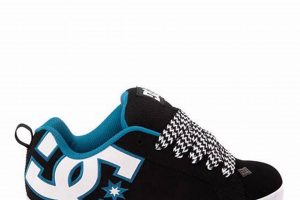
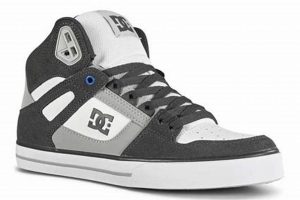
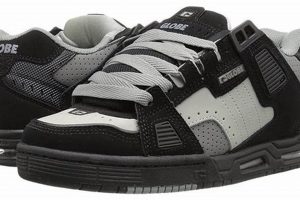
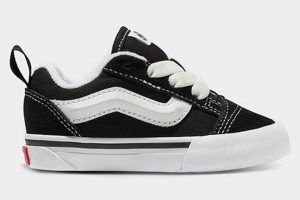
Footwear specifically engineered for skateboarding provides enhanced grip, durability, and impact protection. These specialized shoe types often incorporate features like reinforced stitching, padded collars, and vulcanized rubber soles. Certain designs cater to specific foot shapes, while others emphasize flexibility and board feel.
Proper footwear is crucial for both performance and safety in skateboarding. The enhanced grip minimizes slippage, allowing for better board control and execution of tricks. Durability is essential due to the abrasive nature of the sport. The reinforced construction withstands constant friction with the griptape and hard surfaces. Historically, advancements in design have significantly improved the overall skateboarding experience, leading to greater participation and skill progression.
The subsequent sections will delve into the various factors influencing footwear selection, including construction materials, sole types, style considerations, and brands renowned for producing high-performance skateboarding equipment.
Selecting Appropriate Skateboarding Footwear
The selection of suitable skateboarding footwear directly impacts performance, comfort, and longevity of use. The following points outline essential considerations for informed decision-making.
Tip 1: Prioritize Durability. Look for models featuring reinforced stitching in high-wear areas, such as the ollie patch and toe. This reinforcement extends the lifespan of the product under the constant abrasion of skateboarding.
Tip 2: Assess Sole Construction. Vulcanized soles offer superior board feel and flexibility. Cup soles provide enhanced impact protection and support, suitable for individuals prioritizing high-impact maneuvers.
Tip 3: Evaluate Upper Material. Leather or suede uppers provide greater durability and abrasion resistance compared to canvas. Consider the climate; leather may be less breathable in warmer conditions.
Tip 4: Consider Padding and Support. Adequate padding around the collar and tongue enhances comfort and ankle support, reducing the risk of injury during landings and impacts.
Tip 5: Examine Tread Pattern. A grippy tread pattern is crucial for maintaining board control. Herringbone or similar patterns offer optimal grip and traction on various surfaces.
Tip 6: Check Fit and Sizing. Ensure a snug but comfortable fit. Allow for slight swelling of the feet during extended skateboarding sessions. Consult sizing charts specific to the brand, as sizing can vary.
Tip 7: Account for Skate Style. Street skaters may prioritize board feel and flexibility, while transition skaters might prefer more support and impact protection. Choose footwear that aligns with individual skating preferences.
Adherence to these guidelines ensures the selection of footwear optimized for performance, durability, and user safety within the context of skateboarding.
The article will proceed with an examination of prevalent brands and their respective contributions to the skateboarding footwear market.
1. Grip

Grip constitutes a fundamental performance characteristic of skateboarding footwear. The interaction between the outsole of skateboarding shoes and the skateboard’s griptape directly influences board control, trick execution, and overall safety. Insufficient grip compromises stability, increasing the likelihood of slippage and failed maneuvers. A loss of traction during critical moments, such as landing a trick or navigating obstacles, can lead to injuries. Real-world examples include skaters failing to execute a kickflip due to inadequate grip, resulting in a fall, or slipping off the board during a manual, losing balance and control.
The materials and design of the outsole significantly impact grip. Vulcanized rubber, commonly used in skateboarding shoe construction, offers a balance of flexibility and grip. The tread pattern further enhances traction. Herringbone patterns, for example, provide multi-directional grip, while geometric patterns can optimize grip in specific areas of the foot. The durometer (hardness) of the rubber also plays a role; softer rubber generally provides greater grip but may wear down more quickly. Variations in grip performance between different brands and models demonstrate the practical significance of considering outsole design when selecting skateboarding shoes. An example would be Vans’ proprietary rubber formula known for good grip and durability.
In conclusion, grip is an indispensable element of skateboarding footwear. Its influence on board control and safety cannot be overstated. Skateboarders must carefully consider outsole material, tread pattern, and rubber hardness when selecting shoes to optimize their performance and minimize the risk of injury. Further research into advanced rubber compounds and tread designs may lead to continued improvements in grip technology for skateboarding.
2. Durability
Durability is a critical attribute of skateboarding footwear. The inherent abrasive nature of skateboarding places substantial stress on shoes, necessitating robust construction and materials. The longevity of skate shoes directly correlates with their ability to withstand these stresses, impacting both cost-effectiveness and performance.
- Reinforced Stitching
Reinforced stitching in high-wear areas significantly extends shoe lifespan. Areas such as the ollie patch, toe, and seams are particularly susceptible to damage. Employing techniques like double or triple stitching, and utilizing high-tensile strength thread, mitigates premature wear. Real-world examples include shoes that fail quickly due to inadequate stitching coming apart after only a few sessions, compared to those with reinforced stitching that withstand months of consistent use. The absence of reinforced stitching leads to rapid deterioration, negatively affecting performance and necessitating frequent replacements.
- Material Selection
The selection of upper materials plays a crucial role in durability. Leather and suede offer superior abrasion resistance compared to canvas. Leather provides excellent protection against scrapes and impacts, while suede offers a balance of durability and flexibility. Canvas, although more breathable and often less expensive, is more prone to tearing and damage. For example, a skater performing street tricks on concrete will find that leather provides much better protection than canvas. Furthermore, the thickness and quality of the chosen material directly impact the shoe’s overall resilience.
- Sole Construction
The construction of the sole is paramount for durability and board feel. Vulcanized soles, common in skateboarding footwear, provide excellent flexibility and board feel but can be less durable than cup soles. Cup soles offer greater impact protection and support due to their construction, often featuring multiple layers of cushioning. However, they may compromise board feel. For instance, a skater who often jumps down stairs will prefer a shoe with a cup sole for its impact protection, while someone who prefers flat ground skating may opt for a vulcanized sole to have better board feel. In addition to the materials used, the bonding process of the sole to the upper is also important for durability.
- Toe Cap Design
The design and construction of the toe cap significantly contribute to the overall durability of the skate shoe. A well-designed toe cap shields the front of the shoe from abrasion during ollies and other flip tricks. A reinforced toe cap, constructed from multiple layers of durable material, prevents the shoe from quickly wearing through in this critical area. The integration of the toe cap with the shoe’s upper construction is also crucial, ensuring a seamless and robust connection that resists separation under stress. Shoes with a well-designed toe cap show minimal wear over a long period.
The interplay of these factorsreinforced stitching, material selection, sole construction, and toe cap designcollectively determines the durability of skateboarding footwear. Prioritizing these elements ensures prolonged shoe lifespan, improved performance, and reduced expenditure on replacements.
3. Impact Protection
Skateboarding inherently involves high-impact maneuvers, making impact protection a crucial design consideration for footwear. The repetitive stress of landing jumps, performing tricks, and navigating urban terrain necessitates features that effectively mitigate forces acting upon the feet and ankles. Without adequate impact protection, skaters are at heightened risk of injuries, including bruised heels, ankle sprains, and stress fractures. Therefore, the integration of specialized cushioning and support systems within the design is paramount to reduce the likelihood and severity of such injuries. For example, landing a kickflip onto concrete exerts significant force through the heel. Shoes lacking proper cushioning can transmit this force directly to the bones, potentially resulting in long-term damage. In contrast, models equipped with advanced impact absorption technologies significantly reduce this force, providing a safer and more comfortable skateboarding experience.
Several design elements contribute to effective impact protection. Padded insoles, often constructed from materials like polyurethane or EVA foam, provide a foundational layer of cushioning. Midsoles, typically thicker and more robust, offer additional impact absorption and support. Airbags or gel inserts, strategically placed within the midsole, further enhance shock dissipation in high-impact areas like the heel and forefoot. Furthermore, the overall structure of the shoe, including a supportive heel counter and reinforced sidewalls, contributes to ankle stability and reduces the risk of sprains during landings. The practical application of these features can be observed in the increased popularity of shoe models that incorporate advanced cushioning technologies, as skaters seek enhanced protection for their feet and ankles. For instance, several brands have integrated proprietary foam compounds into their midsoles, claiming superior energy absorption and rebound compared to conventional materials.
In summary, impact protection is an indispensable characteristic. The presence of adequate cushioning, supportive structures, and shock-absorbing materials within the footwear directly influences the skater’s safety and ability to perform. While individual preferences regarding board feel and flexibility may vary, prioritizing impact protection remains essential for mitigating the risk of injuries associated with the sport. Continued advancements in material science and footwear design are expected to further enhance the effectiveness of impact protection systems, providing skaters with even greater security and comfort.
4. Board Feel

Board feel, within the context of skateboarding footwear, refers to the tactile sensitivity transmitted from the skateboard to the skater’s feet. It encompasses the ability to perceive the board’s shape, angle, and movement with a high degree of accuracy. This sensory feedback is crucial for precise control, enabling the execution of complex maneuvers and adjustments in real-time. The design and construction of footwear directly impact the degree of board feel experienced by the skater. Minimalist designs, characterized by thin soles and flexible materials, maximize tactile sensitivity, allowing for a more direct connection with the board. Conversely, thicker soles and heavily padded constructions tend to dampen board feel, providing increased impact protection at the expense of sensory feedback. The choice between these two approaches represents a trade-off, reflecting individual preferences and skating styles. A street skater, for example, might prioritize board feel for intricate foot placements and quick adjustments on flat ground, while a transition skater might favor impact protection for landing aerial tricks in a bowl.
The materials employed in the sole construction play a pivotal role in determining board feel. Vulcanized soles, constructed by bonding layers of rubber under heat and pressure, typically offer superior board feel compared to cup soles. The inherent flexibility of vulcanized rubber allows the sole to conform to the contours of the board, transmitting subtle vibrations and pressure changes to the skater’s feet. Cup soles, in contrast, are typically molded as a single unit, providing greater stability and impact protection but reducing tactile sensitivity. The thickness and density of the insole also influence board feel. Thin, flexible insoles enhance sensory feedback, while thicker, more rigid insoles dampen vibrations and provide additional cushioning. An experiment involving skaters testing identical boards with varying types of footwear would demonstrate the quantifiable impact of sole construction on board feel. Skaters using vulcanized soles would likely report a greater sense of control and responsiveness, while those using cup soles would experience a more cushioned and isolated sensation.
In conclusion, board feel is an essential component of skateboarding footwear, influencing control, responsiveness, and overall skating experience. The design choices made in the sole construction, materials, and insole thickness directly impact the degree of tactile sensitivity transmitted from the board to the skater. The prioritization of board feel often involves a trade-off with impact protection, reflecting individual preferences and skating styles. A comprehensive understanding of these factors enables skaters to select footwear that optimizes performance and enhances their connection with the board. The trend of incorporating hybrid sole designs, which attempt to balance board feel and impact protection, suggests a growing recognition of the importance of both attributes within the skateboarding community.
5. Ankle Support

Ankle support in skateboarding footwear is a critical factor directly affecting injury prevention and performance. The repetitive and high-impact nature of skateboarding places considerable stress on the ankle joint, necessitating robust support mechanisms within the shoe’s design. Inadequate ankle support increases the risk of sprains, strains, and other lower extremity injuries, potentially hindering a skater’s progression and overall participation in the sport. For instance, a skater attempting a complex trick may be more prone to an ankle injury if the shoe lacks sufficient support to stabilize the joint during landings or abrupt movements. The connection is clear: properly designed footwear mitigates these risks, enabling skaters to push their boundaries with greater confidence.
The construction of the heel counter, the collar padding, and the overall shoe structure directly influence the level of ankle support provided. A firm heel counter helps maintain proper foot alignment and prevents excessive pronation or supination, reducing the risk of ankle instability. Adequate collar padding cushions the ankle joint and provides additional support during lateral movements. High-top designs offer enhanced ankle coverage and support compared to low-top styles, a point often debated amongst skaters prioritizing maneuverability versus protection. Examples of shoes with enhanced ankle support feature reinforced sidewalls, internal support structures, and innovative lacing systems designed to lock the foot in place and minimize ankle movement during impact. Consequently, the selection of appropriate footwear directly translates to a tangible reduction in ankle-related injuries.
In summary, ankle support is an indispensable aspect. Proper design reduces injury risk. Skaters should carefully consider these features when selecting appropriate skateboarding footwear.
6. Style
The aesthetic dimension holds considerable weight in the selection of skateboarding footwear. While functional attributes such as durability and impact protection remain paramount, the visual design significantly influences consumer choice and self-expression within skateboarding culture.
- Brand Identity and Logo Placement
The prominence of brand logos and identifying marks contributes significantly to the perceived style of skateboarding footwear. Prominent logo placement can signify affiliation with a particular skateboarding subculture or endorsement of a specific brand ethos. Minimalist designs, conversely, may eschew overt branding in favor of a more understated aesthetic. Real-world examples include the iconic Vans sidestripe, or the prominent Three Stripes logo of Adidas, which have become synonymous with specific eras and styles within skateboarding.
- Color Palette and Material Combinations
The selection of colors and materials directly impacts the visual appeal of skateboarding footwear. Bold color combinations and contrasting textures can create a visually striking design, while more muted palettes offer a subtle and versatile aesthetic. Material choices, such as suede, leather, or canvas, contribute to both the visual texture and the overall durability of the shoe. For example, a classic black and white colorway in suede is often associated with a timeless and versatile style, while brighter colorways and technical fabrics might appeal to skaters seeking a more contemporary and performance-oriented aesthetic.
- Silhouette and Design Details
The overall silhouette and specific design details contribute significantly to the distinctiveness of skateboarding footwear. Low-top, mid-top, and high-top designs offer different aesthetic profiles, each with its own associated cultural connotations. Design details such as the shape of the toe cap, the height of the sidewall, and the style of lacing can further differentiate individual models. Real-world instances include the evolution from bulky, high-top designs of the late 1980s to the slimmer, low-profile silhouettes prevalent in contemporary skateboarding.
- Cultural Influences and Collaborations
Skateboarding footwear often reflects broader cultural trends and influences, particularly those stemming from music, art, and street fashion. Collaborations with artists, musicians, and other cultural figures can result in limited-edition designs that become highly sought after within the skateboarding community. These collaborations often incorporate unique graphics, colorways, and design elements that reflect the collaborator’s individual style and artistic vision. Examining past collaborations with artists and musical groups highlights the power of cultural influences.
These facets collectively shape the stylistic landscape of skateboarding footwear. While functionality remains paramount, the aesthetic dimension serves as a potent form of self-expression and cultural affiliation within the skateboarding community. The interplay between these factors continues to drive innovation and diversification in the design of skateboarding footwear, catering to the evolving tastes and preferences of skaters worldwide.
Frequently Asked Questions
The following addresses common inquiries and misconceptions regarding footwear designed for skateboarding. Information presented aims to provide clarity and facilitate informed purchasing decisions.
Question 1: What distinguishes dedicated skateboarding footwear from general athletic shoes?
Skateboarding footwear exhibits enhanced durability, grip, and impact protection, specifically engineered to withstand the rigors of skateboarding. Reinforced stitching, specialized rubber compounds, and strategic cushioning differentiate it from conventional athletic shoes.
Question 2: How often should skateboarding footwear be replaced?
Replacement frequency depends on usage intensity and style. Visible wear, such as sole separation, torn uppers, or diminished cushioning, indicates a need for replacement to maintain performance and safety.
Question 3: Are all skateboarding footwear models suitable for all skateboarding styles?
No. Certain models prioritize board feel and flexibility for street skating, while others emphasize impact protection for transition or vert skating. Selecting footwear aligned with the intended skateboarding discipline is crucial.
Question 4: What materials offer the best combination of durability and performance?
Suede and leather uppers, coupled with vulcanized or cup soles constructed from abrasion-resistant rubber compounds, generally provide an optimal balance of durability, board feel, and grip.
Question 5: Does price correlate directly with the quality and performance of skateboarding footwear?
While higher-priced models often incorporate advanced technologies and premium materials, price is not the sole determinant of quality. Evaluating construction, materials, and user reviews provides a more comprehensive assessment.
Question 6: How important is proper fit for skateboarding footwear?
Proper fit is paramount for comfort, performance, and injury prevention. Footwear should provide a snug but not constricting fit, allowing for natural foot movement without slippage. Sizing may vary between brands; consulting size charts is recommended.
In summary, selecting appropriate footwear requires careful consideration of individual needs, skateboarding style, and the specific features of available models. Informed decision-making contributes to improved performance and reduced risk of injury.
The subsequent section will provide guidelines on proper maintenance and care for skateboarding footwear to maximize its lifespan and performance.
Conclusion
The preceding analysis has explored various facets of skateboarding footwear for men. Key considerations, encompassing grip, durability, impact protection, board feel, ankle support, and style, were examined in detail. The information presented serves to underscore the importance of informed decision-making when selecting skateboarding footwear.
Skateboarding participants are encouraged to apply the discussed principles in their footwear selection process. A deliberate approach to footwear selection contributes to enhanced performance, prolonged equipment lifespan, and a reduction in potential injuries. Continuous evaluation of available technologies and materials remains essential for optimizing the skateboarding experience.
![Best Nike SB Blazer Low Pro GT Skate Shoes [Review] | Learn to Surf & Skate: A Beginner's Step-by-Step Guide](https://universitysurfandskate.com/wp-content/uploads/2026/04/th-250-300x200.jpg "Best Nike SB Blazer Low Pro GT Skate Shoes [Review] Learn to Surf & Skate: A Beginner's Step-by-Step Guide")