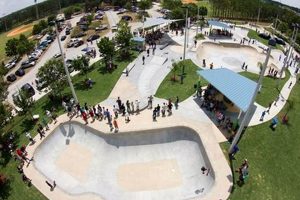
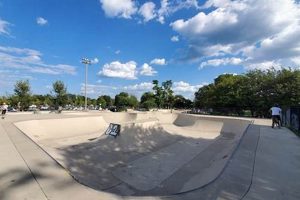
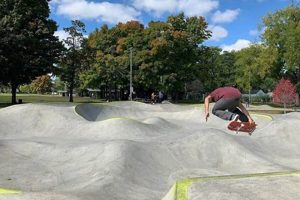
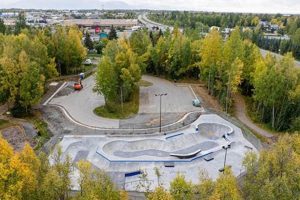
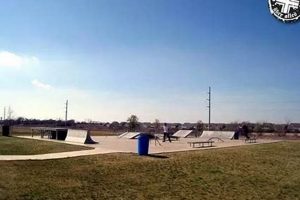
A dedicated recreational space designed for skateboarders, inline skaters, and BMX riders, typically constructed with concrete or asphalt surfaces and featuring a variety of obstacles such as ramps, rails, and bowls. These areas provide a safe and controlled environment for practicing and performing tricks and maneuvers. An example would be a publicly funded facility offering free access to skaters of all skill levels.
Such facilities play a significant role in promoting physical activity, fostering community among participants, and providing a constructive outlet for creative expression. Their historical context can be traced back to the rise of skateboarding in the mid-20th century, evolving from improvised locations to purpose-built environments that often incorporate innovative design elements and cater to diverse skill sets. The presence of these spaces can also contribute to reduced instances of unsanctioned skating in public areas, mitigating potential conflicts with pedestrians and property owners.
The following sections will delve into aspects of design considerations, material selection, maintenance protocols, and safety guidelines relevant to the creation and upkeep of these valuable recreational assets.
Essential Considerations for an Outdoor Skate Park
The subsequent recommendations offer guidance on key factors essential for establishing a successful and enduring facility for wheeled sports enthusiasts.
Tip 1: Site Selection: Choose a location with sufficient space, appropriate zoning, and accessibility via public transportation. Conduct a thorough environmental impact assessment prior to development.
Tip 2: Community Engagement: Solicit input from local skaters, BMX riders, and community members during the planning phase. Incorporate feedback into the design to ensure the facility meets the needs of its users.
Tip 3: Professional Design: Engage a qualified skate park designer with experience in creating safe and engaging spaces. Consider factors such as flow, obstacle variety, and skill level progression in the design process.
Tip 4: Durable Materials: Utilize high-quality, weather-resistant materials such as steel-reinforced concrete or specialized skate park surfacing. Ensure proper drainage to prevent water damage and prolong the life of the facility.
Tip 5: Safety Features: Incorporate safety features such as adequate lighting, smooth transitions between obstacles, and designated spectator areas. Post clear signage outlining park rules and safety guidelines.
Tip 6: Regular Maintenance: Establish a routine maintenance schedule to address cracks, damage, and debris buildup. Proactive maintenance will prevent costly repairs and ensure the facility remains safe and usable.
Tip 7: Security Measures: Implement security measures to deter vandalism and unauthorized use. Consider installing security cameras and engaging a local security company to monitor the facility.
Adhering to these guidelines is vital for creating a functional and sustainable recreational environment for the community.
The following section will explore the potential benefits of integrating skate parks with other public space infrastructure.
1. Durable Surface Materials

The selection of robust surface materials is paramount to the longevity, safety, and overall functionality of a dedicated skating area. The sustained impact from skateboarding, BMX riding, and other wheeled sports necessitates materials engineered to withstand constant abrasion, varying weather conditions, and significant structural stress. Compromising on material quality can lead to premature degradation, increased maintenance costs, and heightened risk of injury for users.
- Concrete Composition and Reinforcement
The specific mixture of concrete utilized in the construction of these surfaces directly impacts its durability. A higher cement-to-aggregate ratio, coupled with fiber or steel reinforcement, increases the concrete’s resistance to cracking and spalling. Skate parks frequently employ specialized concrete mixes with additives that enhance its workability and reduce its permeability, thereby mitigating damage from freeze-thaw cycles and chemical exposure. For example, shotcrete application techniques provide a dense, durable surface ideal for complex transitions and vertical features. The implications of inadequate concrete reinforcement include increased frequency of repairs and potential for hazardous surface irregularities.
- Asphalt Alternatives and Coatings
While less common than concrete, asphalt may be used as a base layer or, in certain circumstances, as a primary skating surface. Specialized asphalt mixtures designed for high-traffic areas offer improved durability compared to standard asphalt. However, asphalt surfaces often require regular sealing and maintenance to prevent cracking and disintegration. Protective coatings, such as epoxy or polyurethane-based sealants, can enhance asphalt’s resistance to abrasion and weathering, extending its lifespan and maintaining a smooth, consistent surface. Failing to apply appropriate sealants to asphalt surfaces will accelerate their deterioration and increase the likelihood of costly resurfacing.
- Transition Material Integration
The seamless integration of different surface materials at transitions between flat areas, ramps, and other features is crucial for ensuring rider safety and preventing premature wear. The use of expansion joints and specialized adhesives minimizes stress concentrations and prevents cracking along these transition zones. For example, pre-fabricated steel edging can provide a durable and aesthetically pleasing transition between concrete and asphalt surfaces. Neglecting proper transition detailing can lead to tripping hazards and accelerated material degradation at critical points within the facility.
- Surface Texture and Friction Considerations
The texture of the skating surface directly affects the grip and control experienced by riders. A smooth, polished surface provides optimal speed and maneuverability, while a slightly textured surface offers improved traction in wet conditions. The selection of appropriate finishing techniques, such as power troweling or broom finishing, is essential for achieving the desired surface characteristics. Applying a non-slip coating can further enhance traction and reduce the risk of falls. Incorrect surface texture can either create unsafe riding conditions or prematurely wear down skate equipment.
In summary, durable surface materials are not merely a construction element but a critical investment in the safety, longevity, and enjoyment of skating amenities. The careful selection, application, and maintenance of these materials are essential for creating a high-quality facility that serves the needs of the community for years to come.
2. Strategic Obstacle Placement

The layout of obstacles within a skating area directly influences user experience, safety, and the overall functionality of the space. Thoughtful placement considers skater flow, skill progression, and obstacle variety, impacting both novice and experienced users. A haphazard arrangement can lead to congestion, increased collision risk, and limited opportunities for creative riding lines. Conversely, a well-planned layout promotes a dynamic and engaging environment. A real-world example would be the difference between a park with a single, isolated ramp and one with interconnected obstacles that allow skaters to continuously link tricks and maneuvers. The practical significance of understanding these principles lies in maximizing the recreational value and minimizing potential hazards.
Effective obstacle placement involves considering the lines of sight, creating clear pathways, and integrating different types of features. For instance, placing a grind rail near a transition allows skaters to easily transfer from a ramp to a grind, promoting skill development. Another application is the careful spacing of obstacles to avoid crowding and maintain a consistent flow throughout the park. Consideration should also be given to the prevailing wind direction, which can significantly affect a riders stability and control. Ignoring these factors can lead to a park that is either too challenging for beginners or too monotonous for advanced skaters. By understanding these fundamentals, planners can create a more inclusive and enjoyable environment for a wider range of users.
In conclusion, the arrangement of obstacles within a recreational skating environment is a critical design element that directly shapes its utility and safety. A deliberate approach that prioritizes flow, skill progression, and user accessibility is essential for creating a thriving and valuable public amenity. The challenge lies in balancing these factors to cater to a diverse user base while maintaining a safe and engaging environment for all. The ultimate goal is to foster a dynamic and evolving space that continues to inspire creativity and skill development among its users.
3. Safety Barrier Integration

Safety barrier integration is a critical design aspect of any skating area. The presence of these structures directly influences user safety by mitigating the risk of collisions with bystanders, surrounding infrastructure, and the external environment. Without adequate barriers, the potential for severe injury increases exponentially, transforming a recreational space into a liability. For instance, a well-placed fence along the perimeter of a park reduces the likelihood of skaters inadvertently entering vehicular traffic. Similarly, barriers surrounding spectator areas protect non-participants from errant skateboards or BMX bikes. The practical consequence of neglecting barrier implementation is increased risk of injury, potential lawsuits, and ultimately, the closure of the facility.
Different types of barriers serve distinct functions within the skating environment. Chain-link fences offer perimeter protection, while concrete walls can act as sound barriers and prevent skaters from exiting the designated area. Padded barriers, typically constructed from foam or similar impact-absorbing materials, provide a softer landing surface for falls near ramps or other high-risk features. The strategic application of these elements, informed by a thorough risk assessment, is crucial. As a real-world example, consider a park located near a busy pedestrian walkway. A carefully designed barrier system, incorporating visual deterrents and physical obstacles, prevents inadvertent pedestrian access and reduces the chance of collisions. In summary, effective barrier integration is not merely an aesthetic consideration but a fundamental component of a safe and functional skating environment.
In conclusion, safety barrier integration is an indispensable element of these outdoor spaces. Its absence elevates the potential for accidents and liabilities. By prioritizing a carefully considered, comprehensive barrier system, designers and operators can create a safer and more enjoyable recreational environment. The ongoing assessment and maintenance of these barriers are essential to ensuring their continued effectiveness. Ultimately, a well-executed safety barrier system represents a commitment to the well-being of all park users and contributes to the long-term viability of the facility.
4. Accessibility Considerations

The design and construction of dedicated skateboarding areas must extend beyond the needs of experienced skaters to encompass accessibility considerations for individuals with disabilities. This includes not only providing physical access to the perimeter of the space but also ensuring that elements within the facility accommodate a diverse range of abilities.
- Ramped Access Points
Traditional staircases present a significant barrier to individuals using wheelchairs or other mobility devices. Integrating ramps with gentle inclines allows for independent access to viewing areas and perimeter pathways. These ramps should adhere to accessibility guidelines regarding slope, width, and the provision of handrails. For instance, a ramp leading to an elevated viewing platform ensures that all visitors can observe the activity within the park. Neglecting ramped access effectively excludes a segment of the population from fully participating in the recreational experience.
- Accessible Surface Materials
The surface materials used within the skating area itself can impact accessibility for individuals with certain mobility impairments. Uneven or textured surfaces may pose challenges for wheelchair users or those with limited balance. Employing smooth, consistent surfaces, particularly in designated access zones, promotes ease of navigation. The selection of appropriate surface textures can strike a balance between providing adequate grip for skaters and ensuring accessibility for all users.
- Adaptive Skating Equipment Integration
While the core skating elements may not be directly accessible to all individuals, the design can consider the potential integration of adaptive skating equipment. Providing designated areas where adaptive equipment can be used safely allows individuals with disabilities to participate in the activity to the fullest extent possible. This might involve creating smoother transitions between different surfaces or incorporating features that accommodate modified skating techniques.
- Sensory Considerations
Accessibility extends beyond physical considerations to encompass sensory needs. Individuals with sensory sensitivities may be overwhelmed by the noise and visual stimulation within a busy skating area. Providing designated quiet zones or sensory-friendly viewing areas can enhance their experience. Incorporating elements such as natural landscaping or muted color palettes can create a more calming environment for those with sensory sensitivities.
In conclusion, a commitment to accessibility in the design and construction of outdoor skating areas transcends mere compliance with regulations. It reflects a dedication to creating inclusive recreational spaces that cater to the diverse needs of the entire community. By addressing physical, sensory, and equipment-related considerations, these facilities can become valuable assets that promote social inclusion and enhance the quality of life for all.
5. Effective Lighting Solutions

The integration of effective lighting solutions is intrinsically linked to the safety, usability, and overall appeal of dedicated skating areas. Poorly illuminated facilities present significant risks, including impaired visibility, increased potential for accidents, and reduced usage during evening hours. Conversely, a well-lit park promotes extended operating hours, enhances user safety, and can deter vandalism and other illicit activities. An example of this cause-and-effect relationship can be seen in facilities that transitioned from inadequate, antiquated lighting systems to modern, energy-efficient LED systems, resulting in demonstrable increases in nighttime usage and reductions in reported incidents.
The strategic placement and type of lighting fixtures are crucial factors. Elevated floodlights, positioned to minimize glare and shadows, provide general illumination across the skating surface. Supplemental lighting, such as pathway lighting and accent lighting around specific obstacles, enhances safety and visual appeal. The selection of appropriate lighting technology, such as LED fixtures with adjustable color temperature and dimming capabilities, allows for customization to suit specific user needs and environmental conditions. A practical application involves utilizing motion-activated lighting in less frequently used areas of the facility to conserve energy and enhance security. Furthermore, Dark Sky compliant fixtures can reduce light pollution and negative impacts on nocturnal wildlife.
In summary, effective lighting solutions are not merely an optional add-on but a fundamental component of a well-designed and responsibly managed skating area. The challenges lie in balancing the need for adequate illumination with energy efficiency, cost-effectiveness, and environmental considerations. Embracing advancements in lighting technology and adopting a strategic approach to lighting design are essential for creating safe, accessible, and enjoyable recreational spaces for skaters of all skill levels.
6. Community Collaboration

Community collaboration is a cornerstone of successful outdoor skating facilities, influencing every stage from initial concept to long-term sustainability. It ensures that the space aligns with the needs and aspirations of its intended users, fostering a sense of ownership and responsibility.
- Needs Assessment and Design Input
Engaging local skaters, BMX riders, and community members in the design phase is crucial for creating a facility that meets their specific needs. Public forums, surveys, and design workshops provide platforms for gathering input on obstacle preferences, skill level considerations, and overall park layout. For instance, a community-led initiative might prioritize the inclusion of beginner-friendly features or the incorporation of local art into the park’s design. This participatory approach minimizes the risk of creating a facility that is underutilized or fails to resonate with its intended users.
- Fundraising and Resource Mobilization
Community involvement extends to fundraising and resource mobilization efforts. Local businesses, civic organizations, and individual donors often contribute financially or in-kind to support the construction and maintenance of the skating area. Collaborative fundraising events, such as skate jams or art auctions, can generate revenue and raise awareness about the project. Successful examples often involve partnerships with local foundations or grant-making organizations, leveraging community support to secure additional funding.
- Volunteerism and Ongoing Maintenance
Community collaboration is essential for the long-term sustainability of the facility through volunteer efforts. Local skaters and community members can contribute to park maintenance, landscaping, and graffiti removal. Volunteer-led initiatives, such as organized cleanup days or regular maintenance checks, ensure that the park remains clean, safe, and well-maintained. This collaborative approach reduces the burden on municipal resources and fosters a sense of shared responsibility for the park’s upkeep.
- Programming and Event Organization
Community collaboration is also vital for programming and event organization. Local skate shops, community centers, and volunteer groups can organize skate clinics, competitions, and other events that attract users and promote a sense of community. Partnering with local artists or musicians to host events at the park can further enhance its appeal and attract a wider range of users. This collaborative approach ensures that the facility remains a vibrant and engaging hub for the community.
These facets highlight the interconnectedness between community involvement and a successful skateboarding area. By fostering collaboration at every stage, these facilities can become valuable assets that contribute to the social, economic, and recreational well-being of the community.
Frequently Asked Questions Regarding Outdoor Skate Parks
This section addresses common inquiries and misconceptions surrounding the planning, construction, and maintenance of dedicated recreational skating environments. The information provided is intended to offer clarity and guidance to those considering the establishment or management of such facilities.
Question 1: What is the typical lifespan of an outdoor skate park constructed primarily of concrete?
The lifespan varies significantly based on several factors, including the quality of materials used, the climate, the level of usage, and the frequency of maintenance. A well-constructed concrete facility, properly maintained, can reasonably be expected to last between 20 and 30 years or more.
Question 2: What are the primary legal liabilities associated with operating a public skate park?
Operators face potential liability for injuries sustained by users due to negligence in design, construction, or maintenance. Properly implemented safety measures, clear signage outlining rules and risks, and adequate supervision are crucial for mitigating legal exposure. Liability waivers, while not always legally binding, can provide an additional layer of protection.
Question 3: What is the recommended surface area for a functional outdoor skate park catering to a diverse skill range?
A minimum of 10,000 square feet is generally recommended to accommodate a variety of obstacles and user skill levels. Larger facilities, exceeding 20,000 square feet, allow for more complex layouts and reduced congestion, enhancing the overall user experience.
Question 4: What are the most effective strategies for preventing vandalism and graffiti within a skate park environment?
Strategies include the implementation of security cameras, adequate lighting, regular maintenance and graffiti removal, and the fostering of a sense of community ownership. Allowing for designated graffiti art areas can also channel creative expression in a controlled manner.
Question 5: What are the key considerations for ensuring ADA compliance in the design of an outdoor skate park?
ADA compliance requires providing accessible routes to and around the facility, including ramps, smooth surfaces, and accessible viewing areas. While the skating surfaces themselves may not be fully accessible, efforts should be made to accommodate users with disabilities to the greatest extent possible.
Question 6: What are the typical ongoing maintenance costs associated with an outdoor skate park?
Annual maintenance costs vary widely depending on the size and complexity of the facility, the materials used, and the frequency of usage. Costs typically include surface repairs, graffiti removal, landscaping, lighting maintenance, and safety inspections. Budgeting between 5% and 10% of the initial construction cost annually is a reasonable guideline.
Understanding these key points is vital for anyone involved in the creation or management of these recreational spaces.
The next section will explore the future trends impacting skate park design and usage.
Concluding Remarks on Outdoor Skate Parks
This exploration has examined the multifaceted nature of facilities dedicated to wheeled sports, emphasizing design, materials, safety, accessibility, and community integration. Durable construction, strategic obstacle placement, and adherence to safety standards are vital for creating viable recreational spaces. A focus on inclusivity, through accessibility considerations and community collaboration, ensures that these areas serve a diverse population.
Continued attention to innovation in design and materials, coupled with proactive maintenance strategies, will ensure the long-term sustainability and value of outdoor skate parks as vital community assets. Further research into the social and physical benefits of these spaces will contribute to informed decision-making regarding their development and management. Prioritizing responsible planning and resource allocation will maximize the positive impact of these recreational environments on communities worldwide.