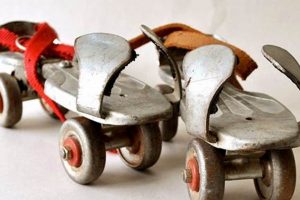
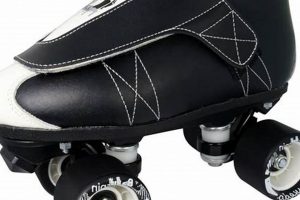
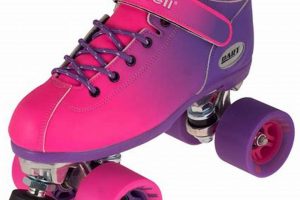
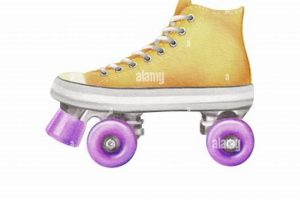
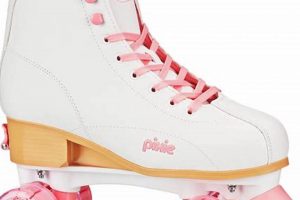
The components attached to the frame of a roller skate that facilitate movement across a surface are critical for performance. These circular objects, typically made of polyurethane, enable rolling motion. Furthermore, these rolling components rely on precision parts that minimize friction, allowing for smooth and efficient rotation around an axle.
The quality of these rolling components directly impacts a skater’s speed, control, and overall experience. A properly functioning set allows for efficient energy transfer, enabling skaters to maintain momentum with minimal effort. Historically, advancements in materials and manufacturing have steadily improved their performance, leading to faster, more durable, and responsive skates.
Understanding the variations in durometer, size, and profile of these rolling elements, along with the crucial internal components that reduce friction, is essential for selecting the appropriate set for specific skating styles and surfaces. Further exploration will delve into these aspects, providing a detailed overview of the key considerations for optimal performance and longevity.
Tips for Roller Skate Wheel and Bearing Maintenance
Proper maintenance of a roller skate’s rolling components is crucial for ensuring optimal performance, safety, and longevity. Adhering to the following tips can significantly extend the lifespan and enhance the functionality of this critical skate system.
Tip 1: Clean Regularly. Dust, dirt, and debris accumulate within and around the system, impeding free rotation. Regular cleaning, using a solvent specifically designed for this purpose, is vital to maintain optimal performance.
Tip 2: Lubricate Appropriately. The internal components require lubrication to minimize friction and prevent corrosion. Application of a suitable lubricant after cleaning ensures smooth and efficient operation.
Tip 3: Rotate Periodically. Uneven wear can occur due to variations in skating technique and surface conditions. Rotating the wheel positions helps distribute wear evenly, maximizing their lifespan.
Tip 4: Inspect for Damage. Regularly examine them for cracks, chips, or other forms of damage. Compromised components should be replaced immediately to prevent accidents and maintain performance.
Tip 5: Choose the Right Tool. Using the appropriate tool for removal and installation is critical. Forcing removal or installation can damage the internal components or the wheels themselves.
Tip 6: Store Correctly. When not in use, store the skates in a dry, clean environment. Exposure to moisture and extreme temperatures can degrade the materials and accelerate wear.
Tip 7: Verify Axle Nut Tightness. Ensure the axle nuts are tightened to the correct torque specification. Over-tightening can restrict rotation, while under-tightening can lead to instability and damage.
By implementing these maintenance practices, skaters can significantly extend the lifespan and optimize the performance of their roller skate’s rolling components, contributing to a safer and more enjoyable skating experience.
The next section will cover troubleshooting common issues that may arise with the roller skate’s rolling components, providing practical solutions for resolving these problems and maintaining peak performance.
1. Durometer
Durometer is a critical measurement in roller skating, directly influencing the performance characteristics of the wheels. It quantifies the hardness of the polyurethane material used in wheel construction, thereby impacting grip, roll speed, and wear resistance.
- Durometer Scale
The durometer scale, typically Shore A, measures the hardness of flexible polymers. In roller skating, this scale usually ranges from 74A (softest) to 101A (hardest). Lower numbers indicate a softer wheel with greater grip, while higher numbers represent a harder wheel designed for speed.
- Grip vs. Roll Speed
A softer durometer provides enhanced grip, which is advantageous on slick or uneven surfaces. However, softer wheels tend to roll slower due to increased friction. Conversely, harder wheels offer less grip but achieve higher roll speeds on smooth surfaces. Skaters must balance grip and speed based on their skating style and the skating environment.
- Surface Compatibility
The surface on which the skater operates dictates the ideal durometer. Softer wheels are suitable for outdoor skating on rough asphalt or concrete, absorbing vibrations and providing better traction. Harder wheels excel on smooth, indoor surfaces like polished concrete or wood floors, maximizing speed and efficiency.
- Wear Resistance
Durometer also affects wheel durability. Softer wheels, while offering superior grip, tend to wear down more quickly, especially on abrasive surfaces. Harder wheels resist wear better but may provide a less comfortable ride on rough terrain. Selecting the appropriate durometer extends wheel life and optimizes performance for the intended use.
The selection of a particular durometer represents a trade-off between grip, speed, comfort, and durability. Skaters should carefully consider their skating environment and style to determine the optimal durometer, enhancing their overall skating experience by ensuring both performance and longevity of the wheel.
2. Size
The dimensions of a roller skate’s rolling components significantly influence its performance characteristics. The overall diameter affects speed, acceleration, and maneuverability, while the width impacts stability and grip. The relationship between these dimensions and the internal components that facilitate rotation determines the overall skating experience.
- Diameter and Speed
Larger diameter wheels generally provide a higher top speed due to increased circumference, requiring fewer rotations to cover the same distance. However, larger wheels may require more effort to accelerate from a standstill. Smaller diameter wheels offer quicker acceleration and are easier to maneuver, making them suitable for agility-focused skating styles.
- Diameter and Terrain
Wheel diameter affects the ability to navigate various terrains. Larger diameter wheels can roll over cracks, bumps, and uneven surfaces more easily than smaller wheels. This makes them a suitable choice for outdoor skating, where the surface is often less uniform. Smaller diameter wheels are typically preferred for indoor skating on smooth, predictable surfaces.
- Width and Stability
Wider wheels provide increased stability, especially at higher speeds. The larger contact patch between the wheel and the skating surface enhances balance and reduces the risk of wobbling. Narrower wheels offer greater agility and maneuverability but may require more skill to control, particularly for novice skaters.
- Size and Component Compatibility
The dimensions of the wheels must be compatible with the skate frame and the internal components designed to facilitate smooth rotation. Using incorrectly sized wheels can compromise performance and potentially damage the skate. Therefore, skaters must adhere to the manufacturer’s specifications when selecting a wheel size.
The selection of appropriately sized wheels constitutes a critical consideration for all skaters. This selection is influenced by skating style, skill level, and the intended skating environment. A thoughtful approach to wheel size ensures optimal performance, safety, and enjoyment during skating activities.
3. Precision
Precision in roller skate wheel construction and internal components dictates performance capabilities. Tighter manufacturing tolerances reduce friction and enhance energy transfer, translating to increased speed and smoother roll. This section explores the crucial facets of precision within this context.
- ABEC Rating and Implications
The Annular Bearing Engineers’ Committee (ABEC) rating system classifies the tolerance of the internal components. Higher ABEC ratings (e.g., ABEC 7, ABEC 9) indicate stricter manufacturing standards, resulting in tighter tolerances and reduced friction. These higher ratings contribute to improved roll speed and efficiency, particularly noticeable at competitive levels. However, increased precision often correlates with increased cost, requiring careful consideration of performance needs versus budgetary constraints.
- Manufacturing Tolerances
Precision manufacturing encompasses the accuracy of the wheel’s dimensions and the roundness of the internal bore where components are installed. Deviation from perfect roundness or inconsistencies in dimension introduce vibrations and energy loss. Precision manufacturing methods minimize these imperfections, contributing to a smoother and more efficient skating experience.
- Material Quality and Finish
The quality of the material used in both wheels and internal components is intrinsically linked to precision. High-grade steel and polyurethane, manufactured with controlled purity and consistency, ensure durability and resistance to deformation under stress. A smooth, polished finish on the internal races reduces friction and prolongs component lifespan.
- Fit and Alignment
Proper fit and alignment between the wheel, internal components, and the skate frame are essential for optimal performance. Precision components minimize play or wobble, ensuring that energy is transferred efficiently from the skater’s motion to the rolling motion. Misalignment or excessive play compromises stability and reduces speed.
In essence, precision in roller skate wheel systems represents a commitment to minimizing energy loss and maximizing performance. From the ABEC rating of the internal components to the accuracy of wheel dimensions and material quality, each aspect contributes to a smoother, faster, and more efficient skating experience. Selection of precision components must align with the intended skating style and performance expectations.
4. Material

The choice of material in roller skate rolling components exerts a profound influence on performance, durability, and overall skating experience. The rolling circumference, typically polyurethane, directly contacts the skating surface, while the internal components, commonly steel, facilitate rotation. The inherent properties of these materials dictate grip, speed, wear resistance, and the ability to withstand stress during use.
Polyurethane hardness, denoted by durometer, exemplifies the material’s impact. A softer polyurethane offers greater grip, advantageous on uneven terrain, but sacrifices speed and wears more rapidly. Conversely, harder polyurethane provides faster speeds and enhanced durability on smooth surfaces, albeit with reduced grip. Internal components’ composition directly impacts efficiency; high-carbon steel minimizes friction and withstands heavy loads, allowing for sustained performance at elevated speeds. The material selection directly influences performance characteristics and longevity.
The connection between material composition and performance represents a fundamental consideration for roller skate design and maintenance. The selection of specific materials is a critical engineering choice, influencing the final product’s capabilities. Understanding the specific properties and limitations of the materials employed contributes to a more informed selection process, optimizing the skating experience and ensuring the longevity of the equipment. In conclusion, material selection is a pivotal factor in determining the ultimate functionality and lifespan of these rolling components.
5. Lubrication
Lubrication constitutes an integral aspect of roller skate performance, significantly influencing both speed and lifespan. The internal components require a lubricant to minimize friction between moving parts. Without proper lubrication, excessive friction leads to heat generation, component wear, and ultimately, reduced performance. The correct application of a suitable lubricant is thus essential for optimal functionality.
- Friction Reduction
Lubricants create a thin film between the balls and races of the internal components, significantly reducing friction. This reduction translates directly into increased roll speed and decreased energy expenditure for the skater. The type of lubricant selected will influence the degree of friction reduction achieved.
- Heat Dissipation
Friction generates heat, which can damage internal components and degrade performance. Lubricants aid in heat dissipation by carrying heat away from the contact points. This cooling effect prevents overheating and maintains the integrity of the internal components.
- Corrosion Protection
Environmental factors, such as moisture and dirt, can corrode internal components, leading to reduced performance and premature failure. Lubricants create a barrier that protects against corrosion, extending the lifespan of the skate components. The lubricant should be selected based on its corrosion-inhibiting properties.
- Types of Lubricants
Various types of lubricants are available, including oils, greases, and synthetic lubricants. Oils generally offer lower viscosity, resulting in faster roll speeds, but may require more frequent application. Greases provide longer-lasting lubrication but may increase rolling resistance. Synthetic lubricants offer a balance of both, providing excellent friction reduction and corrosion protection.
The choice and consistent application of an appropriate lubricant is paramount for maintaining peak performance. Careful consideration must be given to the skating environment, skating style, and the specific requirements of the internal components. Routine lubrication is an essential maintenance practice that ensures smooth operation, extended component life, and an optimized skating experience.
6. Maintenance
Consistent maintenance is a crucial factor in preserving the functionality and longevity of roller skate rolling components. Neglecting proper maintenance can result in reduced performance, increased risk of injury, and premature component failure. The following details the key aspects of maintenance concerning this critical skate system.
- Regular Cleaning
Accumulation of dirt, debris, and moisture within the internal components hinders rotation and accelerates wear. Regular cleaning, using a solvent specifically designed for this purpose, removes these contaminants. For example, skaters who operate in outdoor environments should clean their rolling components more frequently than those who skate indoors. Failure to clean regularly results in increased friction, reduced speed, and potential component seizure.
- Proper Lubrication
Lubrication minimizes friction between the moving parts. Over time, the lubricant degrades, losing its effectiveness. Re-lubrication with a suitable oil or grease replenishes the protective film and ensures smooth operation. A suitable example is the application of synthetic lubricant after cleaning which provides both friction reduction and corrosion protection. Neglecting lubrication leads to increased friction, heat generation, and premature component wear.
- Periodic Inspection
Regular visual inspection identifies potential problems before they escalate. Check for cracks, chips, or excessive wear on the wheels. Examine the internal components for corrosion or damage. Replacing worn or damaged components promptly prevents further damage and maintains performance. For instance, checking for wheel coning (uneven wear) alerts the skater to rotate their wheels. Failure to inspect regularly can lead to catastrophic component failure and potential injury.
- Wheel Rotation
Rotating wheel positions evens out wear patterns, maximizing their lifespan. Different positions on the skate experience varying levels of stress, leading to uneven wear. Rotating the wheels distributes the wear evenly across all wheels. As an example, skaters can rotate the wheels in a crisscross pattern, swapping wheels from the front to the back and vice versa. Inconsistent wear can affect the skater’s stability and control. This process can significantly increase the performance of the equipment.
These maintenance practices directly impact the performance and safety. Skaters who invest time and effort in maintaining their equipment can expect longer component lifespans, improved performance, and a more enjoyable skating experience. Routine maintenance prevents minor issues from becoming major problems, ultimately saving time and money in the long run. The implementation of the described maintenance activities is essential to maximize the benefits and performance of these components.
Frequently Asked Questions
The following section addresses common inquiries regarding roller skate rolling components, aiming to provide clarity and dispel misconceptions surrounding their selection, maintenance, and performance.
Question 1: How does durometer affect performance?
Durometer, measured on the Shore A scale, quantifies wheel hardness. Lower durometer wheels (softer) provide greater grip but roll slower and wear faster. Higher durometer wheels (harder) offer increased speed and durability on smooth surfaces but reduced grip. Selection should align with the skating surface and style.
Question 2: What is the significance of the ABEC rating?
The Annular Bearing Engineers’ Committee (ABEC) rating system indicates the manufacturing tolerance of the internal components. Higher ABEC ratings signify tighter tolerances and reduced friction, leading to faster and smoother roll. However, higher ABEC ratings do not guarantee superior performance in all conditions, and other factors such as lubrication and material quality also play crucial roles.
Question 3: How often should these rolling components be cleaned?
Cleaning frequency depends on skating environment. Skates used outdoors require more frequent cleaning due to exposure to dirt and debris. Inspect and clean them whenever a noticeable reduction in roll speed or smoothness occurs. Regular cleaning, at least monthly for casual skaters, is recommended.
Question 4: What type of lubricant is best for internal components?
The choice of lubricant depends on skating style and environmental conditions. Lightweight oils offer minimal resistance for speed skating, while greases provide longer-lasting protection in demanding conditions. Synthetic lubricants offer a compromise, providing both speed and durability.
Question 5: How does wheel size impact skating?
Larger diameter wheels provide higher top speeds and roll over obstacles more easily, while smaller diameter wheels offer quicker acceleration and greater maneuverability. The optimal size depends on skating style and terrain.
Question 6: Is it necessary to rotate the rolling components?
Yes, rotation promotes even wear and extends their lifespan. Different positions experience varying levels of stress, leading to uneven wear patterns. Rotating the wheels distributes wear, ensuring consistent performance and prolonging the need for replacement.
Understanding these fundamental aspects aids in informed decision-making, contributing to a more enjoyable and efficient skating experience.
The next article section will summarize the main topics.
Conclusion
This exploration has detailed the crucial aspects of roller skate wheels and bearings, encompassing material properties, dimensional considerations, precision manufacturing, lubrication requirements, and essential maintenance procedures. These elements collectively determine the performance, safety, and longevity of the entire skate system. A thorough understanding of these factors enables informed decision-making when selecting and maintaining roller skates.
Continued advancements in materials science and manufacturing techniques promise to further enhance the performance and durability of these components. Skaters should prioritize ongoing education and diligent maintenance to maximize their investment and ensure a safe and rewarding skating experience. Prioritizing these considerations ensures optimal functionality and prolonged equipment lifespan.