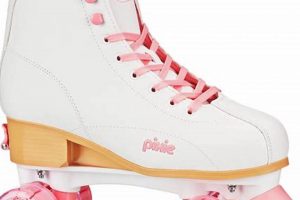
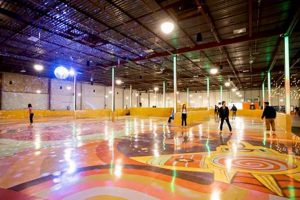
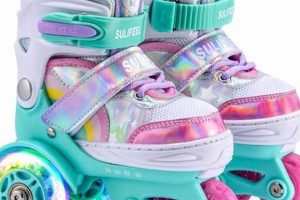
These wheeled boots, reminiscent of earlier eras, are designed for recreational or competitive use. Characterized by features like high-top boots, vibrant color schemes, and classic closure systems, they evoke nostalgia for skating trends of the past. Such equipment enables users to engage in a variety of activities, from leisurely glides along boardwalks to participation in choreographed dance routines.
Their appeal extends beyond mere transportation or exercise. They represent a connection to historical skating culture, allowing individuals to express personal style and participate in social activities. The renewed interest in these items has fostered a vibrant community of enthusiasts who appreciate both the aesthetic and functional qualities. Furthermore, skating provides a low-impact cardiovascular workout, promoting physical well-being.
The following sections will examine specific design elements, explore the range of available models, and address considerations for selecting suitable equipment. Detailed information on maintenance, safety practices, and the impact of these items on contemporary culture will also be provided.
Essential Considerations for Selecting Wheeled Boots Inspired by Past Eras
The selection process for these particular wheeled boots requires careful consideration to ensure optimal performance and user satisfaction. The following tips provide guidance in choosing equipment that aligns with individual needs and preferences.
Tip 1: Assess Skill Level: Determine skating proficiency before purchasing. Beginner models often feature enhanced ankle support and slower-rolling wheels for greater stability. Advanced models may prioritize maneuverability and speed.
Tip 2: Evaluate Boot Construction: Inspect the boot material and construction. Leather or synthetic leather provides durability and support. Padding and lining contribute to comfort and prevent blisters.
Tip 3: Consider Wheel Type: Wheel durometer (hardness) impacts performance. Softer wheels offer better grip on smooth surfaces, while harder wheels are faster and more durable for outdoor use. Wheel size also affects speed and stability.
Tip 4: Examine Bearing Quality: Bearings influence the smoothness of the roll. ABEC ratings indicate precision, with higher ratings generally corresponding to smoother, faster performance. Regular bearing maintenance is crucial.
Tip 5: Verify Closure System: Ensure the closure system (laces, buckles, straps) provides a secure and comfortable fit. Tightening mechanisms should be easily adjustable and reliable to prevent slippage during use.
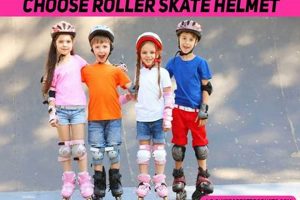
Tip 6: Prioritize Safety Equipment: Always use appropriate protective gear, including helmets, knee pads, elbow pads, and wrist guards. Proper fitting safety equipment significantly reduces the risk of injury.
Tip 7: Determine Intended Use: Consider the primary skating environment. Indoor rinks may necessitate different wheel types compared to outdoor surfaces. Knowing the intended use will inform equipment choices.
Adhering to these guidelines facilitates informed purchasing decisions, resulting in a more enjoyable and safer skating experience. Selecting the proper equipment can enhance performance and minimize potential risks.
The subsequent section will provide an overview of maintenance procedures to ensure the longevity and optimal functionality of these wheeled boots.
1. Boot Construction

Boot construction is a critical element in the design and functionality of wheeled boots echoing previous eras. The materials and methods used in crafting the boot directly influence the skater’s comfort, support, and overall performance. Sturdy construction ensures ankle stability, reducing the risk of injuries such as sprains or fractures. Consider the classic example of leather boots prevalent in the 1970s; these provided substantial support for recreational skating and rigorous roller derby competitions alike. The stiffness of the leather, combined with reinforced stitching, offered a robust structure capable of withstanding considerable stress.
Conversely, contemporary takes on retro designs may employ synthetic materials to mimic the appearance of vintage boots while offering improved breathability or reduced weight. However, it is crucial that these alternative materials maintain adequate support to prevent compromising the skater’s safety. The choice of boot construction significantly affects the lifespan of the equipment. Superior materials and meticulous craftsmanship result in a more durable product that can withstand regular use. Inferior construction, on the other hand, may lead to premature wear and tear, requiring more frequent replacements. Moreover, the type of lining within the boot impacts comfort and moisture management. Well-padded linings can prevent blisters and absorb sweat, enhancing the skating experience.
In summary, boot construction is paramount to the utility and safety of retro-inspired skating equipment. Careful attention to the materials used, the support provided, and the overall durability is essential when selecting such items. Neglecting the importance of boot construction can lead to discomfort, injury, and premature equipment failure, ultimately detracting from the skating experience. The understanding of boot construction should be aligned with individual needs and the intended skating environment.
2. Wheel Durometer
Wheel durometer, a measure of a wheel’s hardness, significantly influences the performance characteristics of wheeled boots echoing past eras. This metric directly affects grip, speed, and durability, thereby shaping the overall skating experience. Understanding wheel durometer is crucial for selecting equipment appropriate for various skating surfaces and styles.
- Grip and Surface Adhesion
Lower durometer wheels (e.g., 78A-85A) exhibit greater softness, enhancing grip on slick or uneven surfaces. This increased adhesion allows for tighter turns and improved control, particularly beneficial for indoor rinks or rough outdoor terrain. In contrast, higher durometer wheels offer diminished grip, potentially leading to slippage and reduced maneuverability in certain conditions.
- Speed and Roll Efficiency
Harder wheels, characterized by higher durometer ratings (e.g., 90A and above), offer less rolling resistance, resulting in increased speed and roll efficiency. These wheels are typically preferred for outdoor skating on smooth surfaces, where maximizing speed is desirable. However, the reduced grip can make them less suitable for environments requiring quick stops or sharp turns.
- Durability and Wear Resistance
Wheel durometer directly correlates with durability. Harder wheels generally exhibit greater wear resistance, extending their lifespan compared to softer wheels. This resilience is advantageous for outdoor skating, where exposure to abrasive surfaces can rapidly degrade softer compounds. Conversely, softer wheels may wear down more quickly but provide superior performance in terms of grip and shock absorption.
- Skating Style and Application
The optimal wheel durometer depends on the intended skating style. Jam skaters often favor harder wheels for faster footwork and slides, while rhythm skaters might prefer softer wheels for enhanced grip during intricate maneuvers. Recreational skaters should consider a medium durometer range to balance speed, grip, and durability, adapting the choice to their preferred skating environment.
The selection of wheel durometer is a critical aspect of optimizing vintage-inspired skating equipment for specific conditions and performance goals. Factors such as skating surface, skill level, and desired skating style must be carefully considered to achieve the ideal balance of grip, speed, and durability. Understanding these relationships allows skaters to fine-tune their equipment for optimal performance and enjoyment.
3. Bearing Precision
Bearing precision plays a fundamental role in the performance of wheeled boots echoing previous eras. The accuracy and quality of bearings directly influence the smoothness of the roll, the effort required to maintain speed, and the overall efficiency of the skating experience. Inferior bearings compromise these aspects, hindering performance and potentially increasing fatigue.
- ABEC Rating System
The Annular Bearing Engineers’ Committee (ABEC) rating system provides a standardized method for classifying bearing tolerances. Ratings range from ABEC 1 (least precise) to ABEC 9 (most precise). Higher ABEC ratings indicate tighter tolerances, resulting in smoother rotation and reduced friction. While ABEC ratings offer a benchmark, bearing quality extends beyond this metric, encompassing material composition and manufacturing processes. Bearings used in vintage-inspired equipment may not always adhere to modern ABEC standards; however, understanding the underlying principles of precision remains pertinent. For example, a recreation of a 1970s skate might utilize bearings with lower ABEC ratings compared to contemporary performance skates, reflecting the technology of the era. This choice impacts the roll characteristics of the skate, potentially offering a more authentic vintage feel, albeit with reduced efficiency.
- Material Composition
Bearing material significantly affects durability and performance. Chrome steel bearings are a common choice, offering a balance of hardness and corrosion resistance. Ceramic bearings represent a premium option, exhibiting lower friction and increased longevity. The choice of material should align with the intended use and environment. A skater frequently using vintage-inspired skates outdoors may benefit from bearings with enhanced corrosion resistance to withstand exposure to moisture and debris. In contrast, an indoor skater might prioritize bearings with lower friction to maximize speed and efficiency.
- Maintenance and Lubrication
Regardless of bearing precision, proper maintenance is essential for sustained performance. Regular cleaning and lubrication prevent the accumulation of dirt and debris, which can impede rotation and accelerate wear. Specific lubricants formulated for skating bearings optimize performance and prolong lifespan. Neglecting maintenance compromises even the most precise bearings, leading to diminished roll and potential damage. The correct type and viscosity of the lubricant should be selected based on the bearing type and skating conditions. Heavy-duty lubricants are suitable for outdoor use, while lighter oils provide optimal performance in indoor environments.
- Impact on Skating Style
Bearing precision influences the skating style and performance capabilities. Higher-precision bearings facilitate smoother transitions and increased speed, enabling advanced maneuvers and efficient distance skating. Lower-precision bearings may offer a more controlled and deliberate feel, potentially appealing to skaters prioritizing stability and recreational use. Vintage-inspired skates with less precise bearings may present a greater challenge to the skater, requiring more effort to maintain speed and execute complex movements. This characteristic can contribute to the authentic experience of skating on equipment reminiscent of earlier eras.
The selection of bearings for wheeled boots designed with vintage aesthetics should carefully consider the balance between historical accuracy, desired performance characteristics, and maintenance requirements. While modern high-precision bearings can enhance efficiency and speed, replicating the feel of vintage skates may necessitate a compromise in bearing precision. The informed selection and proper maintenance of bearings ensures optimal performance and longevity of the equipment, regardless of the intended skating style or historical inspiration.
4. Closure Security
Closure security, referring to the mechanisms that fasten the wheeled boot to the foot, is a critical design element in vintage-inspired skating equipment. Inadequate closure can result in instability, reduced control, and increased risk of injury. The styles common in past eras, such as simple lacing systems or basic buckle designs, present unique challenges compared to contemporary closure technologies. These systems must effectively secure the foot within the boot to prevent slippage, especially during dynamic movements. A loose or poorly designed closure compromises the skater’s ability to control the skates, increasing the likelihood of falls or ankle injuries. For instance, early roller derby skates often relied on leather straps and buckles. If these straps were not properly tightened or if the leather deteriorated over time, the skater’s foot could shift within the boot, leading to a loss of balance during high-speed maneuvers.
The effectiveness of the closure directly impacts the skater’s ability to transfer power from their legs to the skates. A secure closure ensures that the skater’s movements are translated efficiently to the wheels, optimizing speed and maneuverability. Conversely, a loose closure wastes energy and reduces responsiveness, making it more difficult to perform turns, stops, and other essential skating techniques. Furthermore, the type of closure influences the overall comfort of the skating experience. Properly designed closures distribute pressure evenly across the foot, preventing localized discomfort or chafing. In contrast, poorly designed closures can create pressure points, leading to blisters or other foot problems. As an illustration, lace-up systems, if improperly laced, can constrict certain areas of the foot, causing discomfort and hindering circulation. The design and materials used in the closure system must withstand repeated use and exposure to various environmental conditions. Buckles must be durable enough to withstand the forces applied during tightening, and laces must be resistant to abrasion and fraying. Failure of the closure mechanism can lead to sudden loss of support and control, potentially resulting in a serious accident. As an example, plastic buckles, common in some vintage-inspired designs, can become brittle over time and break under stress, rendering the skates unusable and potentially dangerous.
In summary, closure security is an indispensable aspect of wheeled boots designed to emulate vintage aesthetics. Effective closure mechanisms are essential for skater safety, control, and comfort. The design must account for the stresses imposed during skating and ensure that the foot remains securely positioned within the boot. While the visual appeal of the vintage design is significant, a compromise in closure security leads to a reduction of performance and increased risk of injury. Maintaining and regularly inspecting the closure mechanism is crucial to ensuring both safety and a positive skating experience. This understanding is critical for any skater looking to recapture the style and spirit of earlier eras of wheeled footwear while prioritizing user safety and enjoyment.
5. Aesthetic Design

The aesthetic design of wheeled boots evoking vintage styles is not merely a superficial element but a crucial component influencing their appeal and market viability. Visual cues, like color palettes, material choices, and overall form factor, directly trigger nostalgic responses. The deliberate replication of design elements from specific decades creates a tangible link to the past, satisfying consumers seeking a tangible connection to historical trends. For example, the use of pastel shades and high-top boot silhouettes reminiscent of the 1970s serves to differentiate “retro style roller skates” from contemporary designs, positioning them as distinct products with inherent cultural value.
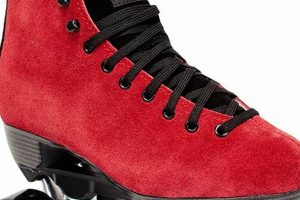
Furthermore, aesthetic considerations extend beyond surface-level appearance. The strategic use of contrasting colors, the placement of decorative elements like stripes or logos, and the selection of hardware like laces and buckles contribute to a cohesive and deliberate visual narrative. The absence of modern, minimalist designs, often replaced with more ornate or playful details, reinforces the “retro” identity. Functionality is interwoven with aesthetics, as exemplified by the choice of materials like suede or vinyl, which contribute to the vintage aesthetic while also impacting durability and comfort. The practical application of this understanding is evident in the marketing and branding of these products, where visuals emphasizing the aesthetic connection to specific eras are used to attract target demographics.
In conclusion, the aesthetic design is integral to the identity and success of “retro style roller skates.” It transcends mere decoration, functioning as a key differentiator and a direct link to historical skating culture. While technical performance and safety remain essential, the aesthetic choices are crucial in creating a product that resonates with consumers seeking both functionality and a tangible connection to the past. Challenges remain in balancing authentic replication with modern safety standards and material advancements. Continued exploration of historical design elements and their effective integration into contemporary products is essential for sustained success in this niche market.
Frequently Asked Questions
The following addresses common inquiries regarding wheeled boots designed to emulate vintage aesthetics, offering clarifications and insights.
Question 1: What defines “retro style” in wheeled boots?
The defining characteristics encompass design elements and construction techniques reminiscent of specific eras, typically spanning the 1970s to the 1990s. These elements include high-top boot designs, vibrant color schemes, specific wheel types, and closure systems common to those periods.
Question 2: Are wheeled boots inspired by past eras suitable for contemporary skating styles?
These items can accommodate various skating styles, contingent upon their construction and component specifications. Certain models prioritize aesthetic accuracy over performance, while others incorporate modern materials and technologies to enhance usability in contemporary contexts. Consider skate properties before purchase.
Question 3: How does the maintenance of wheeled boots inspired by past eras differ from that of modern skates?
Maintenance requirements vary based on the materials used. Leather boots may require specialized cleaning and conditioning, while older bearing designs may necessitate more frequent lubrication. Routine inspection for wear and tear is crucial across all models.
Question 4: What safety considerations are specific to wheeled boots emulating past eras?
While vintage-inspired items can offer a nostalgic aesthetic, they may lack certain safety features found in modern designs. The usage of appropriate protective gear, including helmets and pads, is essential. Ensure closure systems provide secure ankle support.
Question 5: Where can reliable sources for wheeled boots with retro aesthetics be found?
Reputable retailers specializing in skating equipment, online marketplaces with established seller reputations, and manufacturers dedicated to producing vintage-inspired designs represent viable sources. Verify authenticity and material specifications prior to purchase.
Question 6: What is the typical lifespan of wheeled boots designed with vintage aesthetics?
Lifespan varies significantly depending on usage frequency, skating environment, and construction quality. Regular maintenance, proper storage, and adherence to recommended weight limits can extend the lifespan of these items.
In conclusion, understanding the distinctive characteristics, maintenance needs, and safety considerations associated with wheeled boots echoing vintage designs is paramount for informed selection and responsible usage.
The following section will delve into case studies involving the adoption and impact of wheeled boots inspired by past eras within specific communities.
Conclusion
The preceding analysis has explored various facets of retro style roller skates, encompassing design elements, safety considerations, maintenance requirements, and aesthetic influences. A thorough comprehension of these interconnected factors enables informed consumer choices and responsible equipment management.
The continued interest in wheeled boots that replicate vintage design underscores a broader appreciation for historical skating trends. As technology evolves and consumer preferences shift, the synthesis of modern performance with classic aesthetics presents ongoing opportunities for innovation and cultural preservation within the skating community. Further research into materials science and ergonomic design will continue to influence the refinement of both performance and stylistic elements of these boots.