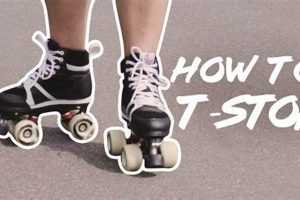
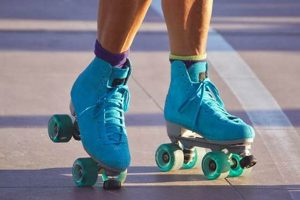
The apparatuses in question are designed for recreational or fitness activities performed on paved or otherwise smooth outdoor surfaces. These items typically feature a boot or shoe attached to a chassis with four wheels arranged in a two-by-two configuration. An example would be a supportive, high-top boot mounted on a durable frame with polyurethane wheels suited for asphalt or concrete.
These sporting goods offer a low-impact cardiovascular workout, promoting endurance and muscle strength. Their use fosters balance and coordination skills. Historically, similar wheeled devices have provided a mode of transportation and entertainment, evolving over time into the contemporary form.
The following sections will delve into the critical components that constitute these devices, factors influencing purchasing decisions, maintenance recommendations, and safety considerations paramount to their responsible operation.
Essential Considerations for Outdoor Roller Skating Equipment
Selecting appropriate skating equipment requires careful attention to detail. The following points outline crucial aspects to ensure a safe and enjoyable experience.
Tip 1: Wheel Hardness Assessment: Wheel durometer significantly impacts performance. Softer wheels (78A-85A) offer enhanced grip on rough surfaces, while harder wheels (85A+) provide greater speed and durability on smoother terrain. Select a durometer appropriate for intended skating locations.
Tip 2: Boot Support Examination: The boot should provide adequate ankle support to prevent injuries. High-top designs offer superior stability compared to low-cut models. Ensure a snug, yet comfortable fit to maximize control and minimize slippage within the boot.
Tip 3: Frame Material Evaluation: Frame material affects weight and durability. Aluminum frames offer a balance of strength and lightness, while composite frames are generally more affordable. Choose a frame that can withstand the rigors of outdoor skating.
Tip 4: Bearing Precision Verification: Bearing ABEC rating indicates manufacturing tolerance. Higher ABEC ratings (e.g., ABEC 7, ABEC 9) signify tighter tolerances and potentially smoother, faster roll. However, higher ratings are not always necessary for recreational skating. Ensure bearings are properly lubricated.
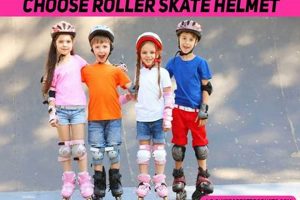
Tip 5: Protective Gear Prioritization: Helmets, wrist guards, elbow pads, and knee pads are non-negotiable. Select protective gear that fits properly and meets established safety standards. Prioritize protection to mitigate the risk of injury.
Tip 6: Regular Maintenance Implementation: Consistent maintenance extends the lifespan of the equipment and ensures optimal performance. Clean wheels and bearings regularly, inspect for wear and tear, and tighten any loose components.
Tip 7: Surface Condition Awareness: Before commencing any skating session, assess the skating surface for hazards such as cracks, debris, or uneven pavement. Choose appropriate routes and adjust skating speed to accommodate surface conditions.
Careful consideration of these tips will enhance the safety and enjoyment derived from outdoor roller skating activities. Proper equipment selection and maintenance are integral to a positive experience.
The subsequent sections will further explore specific product recommendations and advanced techniques for outdoor skating.
1. Wheel Durometer

Wheel durometer, a measurement of a wheel’s hardness, is a critical factor in the performance of outdoor roller skates. Its influence extends to grip, speed, and durability, directly impacting the user’s experience and safety. The durometer scale, often represented with an “A” rating, ranges from softer, more pliable wheels to harder, more rigid ones. A softer wheel provides greater grip on rough or uneven outdoor surfaces, which is frequently encountered when utilizing outdoor skates. Conversely, a harder wheel offers reduced rolling resistance on smooth surfaces, leading to increased speed, but at the expense of grip.
The selection of the appropriate wheel durometer for outdoor roller skates depends directly on the intended skating environment. For example, an individual frequently skating on asphalt pathways with minor cracks and debris may benefit from a wheel with a lower durometer (e.g., 78A-85A). This configuration allows the wheel to conform to the surface irregularities, maintaining contact and stability. In contrast, an individual primarily skating on a smooth concrete surface, such as a skate park or polished promenade, might prefer a wheel with a higher durometer (e.g., 85A+). These harder wheels offer reduced friction and greater speed on these surfaces.
Selecting an inappropriate wheel durometer can lead to diminished performance and increased risk of injury. Wheels that are too hard for the surface will offer reduced grip, potentially causing slippage and loss of control. Conversely, wheels that are too soft will wear down rapidly on smooth surfaces, reducing their lifespan and potentially slowing the skater. A thorough assessment of common skating environments is essential in order to maximize enjoyment and safety while minimizing equipment wear and tear.
2. Boot Support
Boot support is a critical element within the design of outdoor roller skates, directly influencing stability, control, and the prevention of injuries. The boot’s structure provides the necessary foundation for transferring energy from the skater’s body to the wheels, particularly when navigating uneven or challenging terrain. Insufficient support can lead to compromised performance and an elevated risk of ankle sprains or other related ailments.
- Ankle Stability and Injury Prevention
The primary function of boot support is to stabilize the ankle joint. A rigid or semi-rigid boot construction limits excessive lateral movement, reducing the likelihood of sprains, strains, and other ankle injuries. For example, a high-top boot provides superior ankle support compared to a low-cut design, making it a more suitable option for outdoor skating on varied surfaces.
- Energy Transfer and Control
A well-supported boot facilitates efficient energy transfer from the skater’s leg muscles to the wheels. When pushing off or maneuvering, the boot prevents energy loss due to flexing or twisting, allowing for precise control and responsiveness. A boot with inadequate support compromises this transfer, resulting in a less efficient and less controlled skating experience.
- Impact Absorption and Comfort
While primarily focused on stability, boot support also contributes to impact absorption, particularly on uneven surfaces. A padded or reinforced boot can help cushion the foot and ankle from jarring impacts, enhancing comfort during longer skating sessions. Stiffer boot materials may offer better protection against impacts but could compromise comfort. This presents a balance between protection and skateability.
- Boot Height and Cuff Design
Boot height and cuff design significantly impact the level of support provided. Higher boots generally offer greater ankle support, while lower boots provide more freedom of movement. Cuff design, including the presence of adjustable straps or buckles, allows for customization of the fit and support level. Experimentation and consideration of personal skating style are crucial in determining the optimal configuration.
These different aspects of boot construction directly influence the experience when using outdoor skates. Adequate boot support is not a mere comfort feature but an important safety factor and a crucial component in controlling and transferring power through the skate. Careful attention to the characteristics of the skating location and the skaters particular physical needs will assist in the correct product selection.
3. Frame Material
The frame material is a foundational element of outdoor roller skates, dictating durability, weight, and responsiveness. Its selection directly impacts the overall skating experience, influencing speed, maneuverability, and longevity of the equipment. The following sections will explore key aspects of frame materials used in skate construction.
- Aluminum Alloys: Strength and Weight Optimization
Aluminum alloys are commonly employed in high-performance skates due to their favorable strength-to-weight ratio. They provide a robust platform for energy transfer, enhancing responsiveness and control. For instance, aircraft-grade aluminum offers exceptional durability, resisting bending or cracking under stress. However, aluminum frames may be more expensive than alternative materials.
- Composite Materials: Shock Absorption and Cost-Effectiveness
Composite frames, typically constructed from reinforced polymers, offer enhanced vibration damping and reduced weight compared to steel. This characteristic contributes to a smoother ride, particularly on uneven surfaces. They are often found in recreational skates where affordability is a primary concern. However, composite frames may lack the rigidity and power transfer of aluminum alloys.
- Steel: Durability and Cost Considerations
Steel frames provide high strength and durability, making them suitable for aggressive skating styles and heavier users. Steel is typically more affordable than aluminum, but its increased weight can hinder performance. For example, entry-level skates often utilize steel frames to maintain a lower price point. However, experienced skaters often choose different materials.
- Magnesium Alloys: Lightweight and Vibration Damping
Magnesium alloys offer a superior strength-to-weight ratio compared to aluminum, coupled with excellent vibration damping characteristics. However, magnesium frames are less common due to their higher cost and specialized manufacturing requirements. They are typically found in high-end skates where weight reduction and performance are paramount. The price is a significant drawback.
Ultimately, the optimal frame material for outdoor roller skates depends on a balance between performance requirements, budgetary constraints, and intended use. Considerations for weight, durability, responsiveness, and shock absorption must inform the selection process. The material of the frame greatly influences performance.
4. Bearing Type

Bearing type exerts a tangible influence on the performance characteristics of outdoor roller skates. This component, situated within the wheel hub, facilitates the rotation of the wheel around the axle. The specific bearing construction, materials, and precision determine the efficiency of this rotational movement, directly affecting speed, smoothness, and the amount of effort required for propulsion. The selection of an appropriate bearing type is, therefore, not a trivial consideration when equipping outdoor roller skates.
Commonly, ABEC (Annular Bearing Engineers’ Committee) ratings are used to classify bearings, ranging from ABEC 1 to ABEC 9, with higher numbers ostensibly indicating tighter tolerances and improved precision. However, ABEC ratings primarily reflect manufacturing precision and do not fully encompass all relevant performance characteristics. For instance, a bearing with a high ABEC rating may not necessarily perform optimally in outdoor environments if it is not adequately sealed to prevent the ingress of dirt, debris, or moisture. Skates traversing rough terrain or subjected to frequent exposure to the elements require bearings with robust sealing mechanisms to maintain functionality and prolong service life. Furthermore, the internal lubrication of the bearing is a crucial factor, with synthetic lubricants often providing superior performance and longevity compared to petroleum-based alternatives, particularly under demanding conditions.
In conclusion, understanding the interplay between bearing type, environmental factors, and skating conditions is essential for optimizing the performance and lifespan of roller skates. Selecting a bearing solely based on ABEC rating may be misleading. Instead, focus should be directed toward bearings specifically designed for outdoor use, incorporating effective sealing mechanisms and appropriate lubrication. Neglecting bearing maintenance can lead to diminished performance, increased rolling resistance, and premature bearing failure, ultimately impacting the skater’s enjoyment and safety. Diligence in bearing selection and upkeep significantly contributes to the functionality of the skate and positive user experiences.
5. Protective Gear
The integration of protective gear constitutes a non-negotiable prerequisite for the safe operation of outdoor roller skates. Impact forces generated during falls or collisions can result in severe injuries, ranging from abrasions and fractures to traumatic head injuries. Consequently, the use of specifically designed protective equipment mitigates the risk and severity of such incidents. For example, a properly fitted helmet disperses impact energy away from the skull, significantly reducing the likelihood of concussion or other head trauma.
Wrist guards, elbow pads, and knee pads provide crucial protection to vulnerable joints. Abrasions are a common occurrence when skating outdoors and protective gear reduces the impact. The specific design and material composition of these items are engineered to absorb and deflect impact forces. Selecting properly sized and certified gear is paramount to ensuring its efficacy. For instance, loose-fitting wrist guards may fail to adequately support the wrist during a fall, rendering them ineffective. Furthermore, the use of worn or damaged gear compromises its protective capabilities, necessitating regular inspection and replacement.
In summary, the relationship between outdoor roller skates and protective gear is characterized by an inextricable link to safety and risk mitigation. Protective gear is a necessary part of skating with roller skates. Prioritizing the use of appropriate protective measures demonstrably reduces the incidence and severity of skating-related injuries, fostering a safer and more enjoyable recreational pursuit. Neglecting these safeguards exposes the skater to unacceptable levels of risk, potentially resulting in long-term consequences. The necessity for and correct usage of protective equipment must be emphasized.
Frequently Asked Questions
The following questions address common inquiries regarding the selection, maintenance, and safe operation of these recreational devices.
Question 1: What differentiates outdoor roller skates from indoor models?
Outdoor roller skates are typically equipped with softer wheels designed to provide enhanced grip on uneven or rough surfaces. Indoor models often utilize harder wheels optimized for smooth, polished floors. Boot construction and frame materials may also differ based on the intended application.
Question 2: What level of ankle support is recommended for outdoor roller skating?
Adequate ankle support is critical to prevent injuries. High-top boots generally offer superior ankle stability compared to low-cut designs. The specific level of support required depends on individual skating ability and intended skating environment.
Question 3: How frequently should bearings be cleaned and lubricated?
Bearing maintenance frequency depends on usage and environmental conditions. Bearings exposed to dirt, moisture, or debris require more frequent cleaning and lubrication. As a general guideline, bearings should be inspected and maintained at least every 20-30 hours of skating.
Question 4: What type of protective gear is essential for outdoor roller skating?
A helmet, wrist guards, elbow pads, and knee pads are non-negotiable. These items provide crucial protection against impact injuries. Ensure all protective gear fits properly and meets established safety standards.
Question 5: How does wheel durometer affect skating performance?
Wheel durometer, measured in “A,” indicates wheel hardness. Softer wheels (lower durometer) offer greater grip on rough surfaces, while harder wheels (higher durometer) provide increased speed on smooth surfaces. The optimal durometer depends on the skating environment.
Question 6: What factors should be considered when choosing frame material?
Frame material influences weight, durability, and responsiveness. Aluminum frames offer a balance of strength and lightness, while composite frames are generally more affordable. The choice of frame material should align with skating style and budget.
Proper equipment selection, maintenance, and adherence to safety guidelines are essential for a positive and injury-free skating experience.
The subsequent section will address advanced skating techniques and tips for improving outdoor skating proficiency.
Concluding Remarks on Men’s Outdoor Roller Skates
This exposition has detailed various aspects of men’s outdoor roller skates, encompassing component materials, selection criteria, maintenance protocols, and safety imperatives. Emphasis has been placed on the significance of wheel durometer, boot support, frame composition, bearing specifications, and the indispensable role of protective equipment in mitigating potential injury risks. Failure to adequately consider these factors may compromise the performance and safety of the user.
The acquisition and proper use of these devices necessitate a thorough understanding of their inherent attributes and the specific demands of the intended skating environment. Responsible utilization, coupled with adherence to recommended maintenance procedures, ensures not only an enhanced recreational experience but, more importantly, the continued well-being of the participant. Continued education and awareness regarding safety practices remain paramount.
![Best Roller Skate: Get Rolling Faster [2024 Guide] | Learn to Surf & Skate: A Beginner's Step-by-Step Guide](https://universitysurfandskate.com/wp-content/uploads/2026/04/th-452-300x200.jpg "Best Roller Skate: Get Rolling Faster [2024 Guide] Learn to Surf & Skate: A Beginner's Step-by-Step Guide")
![Why Three Wheel Roller Skates? [Pros & Cons] | Learn to Surf & Skate: A Beginner's Step-by-Step Guide](https://universitysurfandskate.com/wp-content/uploads/2026/04/th-449-300x200.jpg "Why Three Wheel Roller Skates? [Pros & Cons] Learn to Surf & Skate: A Beginner's Step-by-Step Guide")