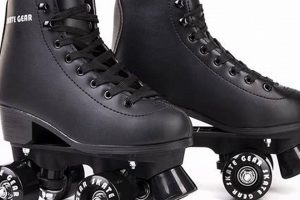
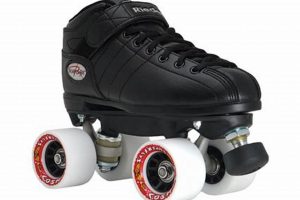
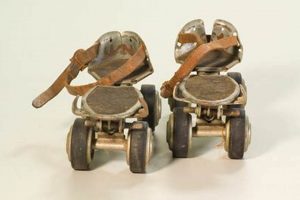
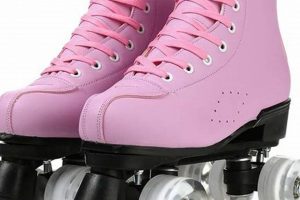
Equipment designed for recreational or competitive skating on hard, flat surfaces, incorporating a boot attached to a frame with inline wheels, facilitates movement and maneuverability. These products, frequently associated with ice hockey training off-ice, allow athletes to simulate skating motions. They consist of a supportive boot, typically made of reinforced materials, mounted on a chassis holding a series of wheels in a straight line. Bearings within the wheels enable smooth rotation, contributing to the overall skating experience.
The utility of these devices extends beyond mere recreation. They serve as valuable tools for hockey players aiming to maintain and improve their skating skills during the off-season. Enhanced agility, balance, and cardiovascular fitness are among the advantages conferred by regular use. Historically, this type of skating equipment gained prominence as an accessible and versatile alternative to ice skating, appealing to both athletes and casual users seeking a dynamic form of exercise. The reputation for quality and durability has contributed to their widespread adoption in various skating disciplines.
The following sections will delve into the specific components that comprise these skating devices, exploring aspects such as boot construction, frame materials, wheel types, bearing specifications, and the factors that determine appropriate sizing and selection. The performance characteristics, maintenance procedures, and relevant safety considerations will also be addressed.
Enhancing Performance and Longevity
Optimal utilization and care are crucial for maximizing performance and extending the lifespan of skating equipment. The following guidelines provide valuable insights into achieving superior results and preserving the integrity of these devices.
Tip 1: Proper Sizing and Fit: Ensure the skates fit snugly but comfortably. Ill-fitting skates can compromise performance and increase the risk of injury. Consult sizing charts and, if possible, try on skates with socks of appropriate thickness before purchase.
Tip 2: Regular Wheel Rotation: Inline skate wheels wear unevenly due to skating technique. Rotating the wheels periodically distributes wear, extending their lifespan and maintaining consistent performance. A common rotation pattern is to swap wheels from one side to the other and rotate front to back.
Tip 3: Bearing Maintenance: Bearings are critical for smooth wheel rotation. Clean and lubricate bearings regularly to remove dirt and debris that can hinder performance. Use a bearing cleaning kit and appropriate lubricant designed for inline skate bearings.
Tip 4: Frame Alignment Verification: Periodically check the alignment of the frame with the boot. Misalignment can negatively impact balance and skating efficiency. If misalignment is detected, adjust the frame mounting bolts according to the manufacturer’s instructions.
Tip 5: Secure Fastener Tightness: Before each use, verify that all buckles, straps, and laces are securely fastened. Loose fasteners can compromise support and increase the risk of falls or ankle injuries.
Tip 6: Appropriate Surface Selection: Avoid skating on rough or abrasive surfaces, as these can accelerate wheel wear and damage the boot. Opt for smooth, clean surfaces whenever possible.
Tip 7: Protective Gear Usage: Always wear appropriate protective gear, including a helmet, knee pads, elbow pads, and wrist guards. Protective gear significantly reduces the risk of injury in the event of a fall.
Adhering to these recommendations will contribute to a more enjoyable and safer skating experience, while also prolonging the service life of the equipment.
The subsequent sections will examine advanced techniques and customization options for experienced skaters seeking to optimize their equipment further.
1. Boot Support
Boot support is a fundamental attribute of skating equipment, directly impacting performance, stability, and injury prevention. In the context of inline skating, a robust and well-designed boot provides the necessary structure to translate skater input into efficient movement and control.
- Ankle Stability
Ankle stability is paramount for maintaining balance and preventing sprains. A supportive boot, particularly in the ankle cuff area, restricts excessive lateral movement, allowing skaters to confidently execute turns and maintain a stable platform. This is especially critical at higher speeds or during aggressive maneuvers.
- Energy Transfer Efficiency
The rigidity of the boot material, often a combination of reinforced polymers and composites, determines the efficiency of energy transfer. A stiffer boot minimizes energy loss by preventing excessive flexing, allowing for more power to be directed into each stride. This translates to increased speed and reduced fatigue.
- Customization and Fit
The capacity for customization, such as heat molding, allows skaters to achieve a personalized fit. A properly molded boot conforms to the individual’s foot contours, eliminating pressure points and providing a secure, responsive interface. This is crucial for comfort and sustained performance during extended skating sessions.
- Impact Absorption
Integrated padding and cushioning materials within the boot absorb impact forces generated during skating. This is especially important when landing jumps or navigating uneven surfaces, reducing stress on the joints and minimizing the risk of injury. Strategically placed padding can also enhance overall comfort and reduce friction.
These components collectively illustrate the critical role of boot support. A well-engineered boot enhances performance, ensures comfort, and minimizes the risk of injury, making it a cornerstone of the overall skating experience. The interplay between these facets defines the effectiveness and value of skating equipment.
2. Frame Rigidity
Frame rigidity, concerning skating equipment, pertains to the stiffness and resistance to deformation of the chassis that secures the wheels to the boot. Within a skating context, frame rigidity directly impacts power transfer and responsiveness. A more rigid frame minimizes energy loss by resisting flexing during the skating stride, channeling force directly into forward propulsion. Conversely, a less rigid frame absorbs more energy, potentially reducing speed and efficiency. The selection of materials, such as aluminum alloys or composite materials, significantly influences the rigidity of the frame.
Frame rigidity affects maneuverability. A stiffer frame provides more precise control, especially during sharp turns and quick stops, because the skater’s movements are translated more directly to the wheels. This characteristic is particularly advantageous in hockey scenarios, where rapid changes in direction are essential. The frame length also plays a role; shorter frames generally offer greater agility, while longer frames enhance stability at higher speeds. Variations in frame design and construction demonstrate manufacturers’ attempts to balance these competing performance demands.
The importance of frame rigidity for skating equipment stems from its influence on energy transfer, control, and overall performance. Selecting the appropriate frame rigidity depends on the skater’s skill level, skating style, and intended use. A more experienced skater engaged in aggressive skating will likely benefit from a highly rigid frame, whereas a recreational skater might prefer a more flexible frame for enhanced comfort. Understanding the trade-offs associated with frame rigidity is crucial for optimizing performance and maximizing the skating experience.
3. Wheel Hardness
Wheel hardness is a critical specification affecting the performance characteristics of inline skates. Measured on the durometer “A” scale, wheel hardness dictates grip, rolling resistance, and wear rate. Appropriate wheel hardness optimizes the skating experience.
- Grip and Surface Interaction
Softer wheels (e.g., 74A-78A) provide enhanced grip, particularly on slick surfaces. This increased grip is attributable to greater deformation of the wheel under load, resulting in a larger contact patch. Consequently, skaters experience improved control and stability, especially during cornering or when skating on less-than-ideal surfaces. However, this increased grip comes at the cost of higher rolling resistance.
- Rolling Resistance and Speed
Harder wheels (e.g., 82A-85A) exhibit lower rolling resistance due to reduced deformation. This results in faster speeds and improved glide, especially on smooth surfaces. While harder wheels sacrifice some grip, the reduced friction allows skaters to maintain momentum with less effort. Speed skaters and those who primarily skate on smooth, clean surfaces often prefer harder wheels.
- Durability and Wear Rate
Wheel hardness directly impacts durability. Softer wheels wear down more rapidly due to increased friction and deformation. Harder wheels, conversely, offer greater longevity and are more resistant to abrasion. The selection of wheel hardness should, therefore, consider the typical skating environment and the anticipated frequency of use.
- Application Specificity
The ideal wheel hardness varies depending on the intended application. Hockey skates, for instance, typically utilize harder wheels to facilitate quick stops and rapid acceleration on smooth indoor surfaces. Recreational skates may employ wheels of intermediate hardness to provide a balance of grip and durability on varied terrain. Aggressive skates, used for performing tricks and stunts, often utilize very hard wheels to withstand the impacts of landing jumps.
The interplay of grip, speed, durability, and application specificity underscores the importance of selecting an appropriate wheel hardness for skating equipment. Matching wheel hardness to the skating environment and desired performance characteristics optimizes the skating experience and contributes to overall satisfaction. The selection process necessitates a careful consideration of the trade-offs inherent in different wheel hardness ratings.
4. Bearing Precision
Bearing precision exerts a significant influence on the performance of skating equipment. Within the context of skating devices, bearing precision, typically measured using the ABEC (Annular Bearing Engineers’ Committee) scale or similar standards, dictates the rotational efficiency and smoothness of the wheels. Higher precision bearings, characterized by tighter tolerances and superior materials, minimize friction and maximize energy transfer, resulting in enhanced speed and glide. Conversely, lower precision bearings exhibit greater friction, hindering performance and reducing efficiency. Bearings of superior manufacturing are integral for achieving optimal performance. The quality and tolerances to which the bearing is made affect the overall performance.
The practical implications of bearing precision are evident in various skating scenarios. For instance, hockey players, often employing equipment for off-ice training, rely on the efficiency of high-precision bearings to simulate ice skating conditions. Enhanced glide translates to more effective training sessions and improved on-ice performance. Similarly, recreational skaters benefit from the reduced effort required to maintain speed, resulting in a more enjoyable and less fatiguing skating experience. Furthermore, the durability of the bearing increases, thus contributing to the overall longevity of the product. For instance, bearing made of steel may easily get destroyed or have rust. A bearing with precision can greatly affect speed.
In summary, bearing precision constitutes a critical factor influencing the performance, efficiency, and overall user experience of skating equipment. The selection of bearings with appropriate precision levels, aligned with the intended application and skater skill level, represents a vital consideration for optimizing performance and maximizing the utility of skating devices. Challenges associated with bearing selection include balancing cost considerations with performance requirements and ensuring compatibility with specific wheel and frame designs. The link between bearing precision and skating equipment underscores the importance of understanding the technical specifications and performance characteristics of individual components within a complex system.
5. Braking System
The braking system on inline roller skates, including models, is a crucial safety feature that enables controlled deceleration and stopping. Its integration and design directly impact the skater’s ability to manage speed and avoid collisions, playing a fundamental role in safe skating practices.
- Heel Brake Design and Functionality
The heel brake, a common braking mechanism on many inline skates, consists of a rubber or composite brake pad attached to the frame behind the heel. To engage the brake, the skater extends one leg forward, raising the toes and pressing the brake pad against the ground. The friction generated slows the skater. The effectiveness depends on the skater’s weight distribution and the pressure applied. Design variations exist, with some offering adjustable height or removable pads.
- Brake Pad Material and Wear
The brake pad material influences braking performance and longevity. Rubber compounds provide good grip but wear more quickly. Composite materials offer increased durability at the expense of some grip. Regular inspection of the brake pad is essential, as worn pads reduce braking effectiveness and require replacement. Environmental factors, such as surface roughness and debris, accelerate wear.
- Alternative Braking Techniques
Experienced skaters often employ alternative braking techniques, such as the T-stop or parallel slide, which do not rely on a heel brake. The T-stop involves positioning one skate perpendicular to the direction of travel, creating friction to slow down. The parallel slide is a more advanced technique that requires precise weight distribution and control. These techniques offer greater control and faster stopping times for skilled skaters but demand practice and proficiency.
- Maintenance and Adjustment
Proper maintenance of the braking system is essential for reliable performance. This includes regularly inspecting the brake pad for wear, ensuring the brake pad is securely attached to the frame, and adjusting the brake height as needed. Some braking systems offer adjustable levers or mechanisms to fine-tune the braking force. Neglecting maintenance can compromise braking effectiveness and increase the risk of accidents.
The functionality and maintenance of the braking system directly affect the safety and control. The integration of reliable braking mechanisms enables skaters to manage their speed and navigate diverse skating environments with confidence, contributing to a safer and more enjoyable skating experience.
6. Fit Customization
Fit customization, concerning skating equipment such as skates, represents the degree to which the skate can be adjusted or modified to conform to the unique anatomical features of the skater’s foot. This is a crucial aspect, impacting comfort, performance, and injury prevention.
- Heat Molding Technology
Heat molding involves utilizing specialized ovens or heat guns to soften the boot material, enabling it to conform more closely to the skater’s foot shape. This process reduces pressure points and enhances overall comfort. Many high-end models from manufacturers offer heat-moldable boots. The effectiveness of heat molding depends on the boot material composition and the adherence to the manufacturer’s instructions.
- Adjustable Cuff and Closure Systems
Adjustable cuffs and closure systems, including buckles, straps, and laces, permit skaters to fine-tune the fit around the ankle and instep. These adjustments enhance stability and support, particularly during aggressive maneuvers. Higher-end models often incorporate micro-adjustable buckles for precise fitting.
- Replaceable Liners and Footbeds
Replaceable liners and footbeds allow skaters to customize the internal volume and support characteristics of the boot. Aftermarket liners, often constructed from memory foam or gel materials, provide enhanced cushioning and shock absorption. Custom footbeds offer arch support and promote proper alignment, reducing the risk of foot fatigue and injuries. The ability to swap components facilitates a personalized fit.
- Padding Placement and Density
Strategic placement and varying density of internal padding can address specific fit issues, such as heel slippage or pressure on bony prominences. Padding materials, ranging from closed-cell foams to gel inserts, provide targeted cushioning and support. Some manufacturers offer skates with customizable padding options or the ability to add aftermarket padding to address individual fit requirements.
These facets of fit customization collectively contribute to a more comfortable, efficient, and safer skating experience. Skates offering a high degree of fit customization allow skaters to optimize performance and minimize the risk of injuries associated with ill-fitting equipment. The selection of skates should consider the skater’s foot shape, skating style, and desired level of customization. The aforementioned characteristics are often seen in skating products.
Frequently Asked Questions
The following questions address common inquiries regarding inline roller skates, providing objective information to aid in understanding their use and maintenance.
Question 1: What distinguishes inline roller skates from traditional roller skates?
Inline roller skates feature wheels arranged in a single line, akin to ice skates, whereas traditional roller skates have two pairs of wheels positioned at the front and rear of the boot. The inline configuration generally offers higher speeds and maneuverability, while traditional roller skates provide greater stability for beginners.
Question 2: How does wheel hardness influence skating performance?
Wheel hardness, measured on the durometer A scale, impacts grip, speed, and durability. Softer wheels (lower durometer numbers) offer more grip but wear faster. Harder wheels (higher durometer numbers) provide greater speed and longevity but less grip. Selecting the appropriate wheel hardness depends on the skating surface and desired performance characteristics.
Question 3: What safety equipment is recommended for use with inline roller skates?
A helmet is considered essential for protecting against head injuries. Knee pads, elbow pads, and wrist guards provide additional protection against abrasions and fractures in the event of a fall. Protective gear significantly reduces the risk of injury and is highly recommended for skaters of all skill levels.
Question 4: How frequently should inline roller skate bearings be cleaned and lubricated?
Bearing maintenance frequency depends on usage and environmental conditions. Regular cleaning and lubrication, typically every 10-20 hours of skating, removes dirt and debris, preserving bearing efficiency and extending their lifespan. A dedicated bearing cleaning kit and appropriate lubricant are recommended.
Question 5: What constitutes proper sizing for inline roller skates?
Inline roller skates should fit snugly but comfortably, allowing for minimal heel lift and toe pressure. Consult sizing charts provided by the manufacturer and, if possible, try on the skates with socks of appropriate thickness. Ill-fitting skates compromise performance and increase the risk of blisters and injuries.
Question 6: How does frame material affect inline roller skate performance?
Frame material, typically aluminum or composite, influences stiffness, weight, and energy transfer. Aluminum frames offer greater rigidity and responsiveness, while composite frames provide enhanced shock absorption. Frame selection depends on skating style and desired performance characteristics.
The information presented addresses fundamental aspects of inline roller skates, aiding in informed decision-making and responsible usage.
The subsequent section will explore advanced customization options available for experienced skaters.
Conclusion
This examination of skating equipment, specifically, has elucidated various critical aspects ranging from boot support and frame rigidity to wheel hardness, bearing precision, braking systems, and fit customization. Each element contributes significantly to the overall performance, safety, and user experience. Careful consideration of these factors is essential for informed selection and optimal utilization.
The effective implementation and maintenance of skating devices represent a commitment to both performance enhancement and personal safety. Continued advancements in materials and design will likely further refine skating technology, offering improved efficiency and user comfort. Users are encouraged to prioritize informed decision-making and responsible equipment management for sustained benefits.