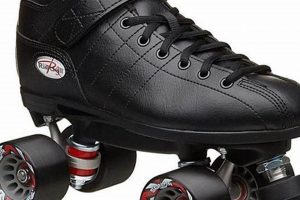
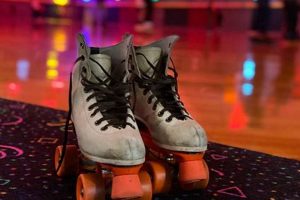
These are components integrated into roller skates designed to illuminate when the wheels are in motion. The lighting effect is typically achieved through the use of small dynamos or LEDs embedded within the wheel structure. As the roller skate moves, the rotation of the wheel generates energy that powers the lights, creating a visually appealing effect. An example would be a recreational skater utilizing these during evening activities to enhance visibility.
The incorporation of illumination into roller skate wheels enhances safety, particularly during low-light conditions, increasing the visibility of the skater to pedestrians and vehicles. Beyond safety, these features can also contribute to the aesthetic appeal of roller skating, offering customization options and enhancing the overall recreational experience. Their presence in the market reflects a technological evolution within skating equipment, driven by both functional and stylistic considerations.
The following sections will delve into the specific technologies used to achieve illumination in these wheels, explore the factors influencing their durability and performance, and analyze their impact on the roller skating community. Further discussion will cover maintenance considerations and relevant safety standards.
Roller Skate Light Up Wheels
The following recommendations are intended to optimize the experience and ensure the longevity of roller skates equipped with illuminated wheels. Adherence to these guidelines can contribute to both safety and performance.
Tip 1: Wheel Hardness Assessment: Evaluate the durometer rating of the wheels prior to use. Softer wheels provide better grip but wear more quickly on abrasive surfaces. Harder wheels are more durable but may offer reduced traction. Selection should be based on the intended skating environment.
Tip 2: Bearing Maintenance: Regularly inspect and lubricate the wheel bearings. Contaminants such as dirt and moisture can impede bearing performance and diminish the lighting effect. Disassembly and cleaning with appropriate solvents are recommended.
Tip 3: Axle Tightness Verification: Ensure the axle nuts are securely tightened before each use. Loose axles can cause wheel wobble, leading to instability and premature wear of the wheel components, including the lighting mechanism.
Tip 4: Illumination Functionality Test: Conduct a pre-skate check to confirm the proper illumination of each wheel. Dim or flickering lights may indicate a connectivity issue or a depleted power source if batteries are involved. Investigate and resolve such issues promptly.
Tip 5: Environmental Considerations: Avoid prolonged exposure to moisture and extreme temperatures. These conditions can compromise the integrity of the electrical components and the wheel material itself.
Tip 6: Storage Protocols: When not in use, store roller skates with illuminated wheels in a cool, dry environment. This prevents degradation of the wheel material and preserves the functionality of the lighting system.
Following these guidelines helps to optimize the performance, safety, and lifespan of these wheels, ensuring a positive and secure skating experience. Consider these recommendations as best practices for roller skate maintenance.
This section provides key information about prolonging wheel utility. Subsequent sections of this article will examine the engineering aspects of these specific skating wheels.
1. Visibility Enhancement

Illumination within roller skate wheels directly correlates with enhanced visibility, particularly under conditions of diminished ambient light. The addition of light-emitting elements increases the conspicuousness of the skater to other individuals, including pedestrians, cyclists, and motor vehicle operators. This heightened visibility serves as a proactive safety measure, decreasing the probability of collisions and related incidents. Real-world instances, such as urban night skating, demonstrate the practical importance of this enhancement in congested environments. The luminance projected by the wheel acts as a signal, alerting others to the skater’s presence and trajectory.
The effect is amplified when considered in conjunction with reflective clothing or gear. The dynamic movement of the lights, combined with their positioning at ground level, creates a distinctive visual signature that is readily discernible. Moreover, the use of different colored lights can further customize the visual profile, allowing skaters to optimize their visibility based on specific environmental factors. This form of active illumination stands in contrast to passive reflective elements, which rely on external light sources for activation. By generating their own light, the wheels offer a consistent level of visibility regardless of external lighting conditions.
Ultimately, the integration of illumination into roller skate wheels significantly improves skater safety through enhanced visibility. The effectiveness of this feature hinges on the proper functioning of the lights, necessitating routine maintenance and inspection. The benefits derived from enhanced visibility must be weighed against the potential trade-offs, such as increased cost or complexity. However, the ability to improve skater awareness and reduce the risk of accidents underscores the significance of this technology.
2. Power Generation

The incorporation of illumination into roller skate wheels necessitates a method for electrical power generation. This element forms a critical aspect of the wheel’s functionality, enabling the light-emitting diodes (LEDs) to produce visible light during motion. The power generation mechanisms employed directly influence the efficiency, reliability, and overall performance of the illuminated wheel system.
- Dynamo-Based Systems
Dynamo-based systems convert rotational kinetic energy into electrical energy through electromagnetic induction. A small generator, integrated within the wheel hub, utilizes a rotating magnet and a coil of wire. The rotation of the wheel causes the magnet to spin, inducing a current in the coil, which then powers the LEDs. This method is self-contained, requiring no external power source or batteries. Dynamo systems are found commonly in entry-level illuminated wheels due to their relative simplicity.
- Magnetic Induction Systems
Alternative systems employ magnetic induction without direct mechanical contact. Magnets embedded in the wheel pass near a coil during rotation, inducing a current via changing magnetic fields. This design minimizes friction and wear compared to traditional dynamos, potentially extending the lifespan of the lighting system. Magnetic induction systems are often found in higher-end or performance-oriented illuminated wheels.
- Capacitor Storage
Some designs incorporate capacitors to store energy generated by either dynamo or magnetic induction systems. This allows for continued illumination even when the wheel rotation slows or stops momentarily. The capacitor serves as a buffer, providing a more consistent light output. The storage capacity and discharge rate of the capacitor affect the duration and intensity of the light emitted during periods of reduced wheel rotation.
- LED Efficiency and Circuit Design
The choice of LEDs and the design of the electrical circuit significantly influence power consumption. High-efficiency LEDs minimize the energy required to produce a given level of brightness. Optimized circuit designs reduce energy loss and ensure consistent voltage delivery to the LEDs. These factors contribute to the overall efficiency of the power generation system and the longevity of the illumination.
The interplay between the power generation method, energy storage (if applicable), LED efficiency, and circuit design determines the effectiveness of the illuminated roller skate wheel. Variations in these elements account for the range of brightness levels, operational durations, and overall performance characteristics observed in different products.
3. Wheel Durometer

Wheel durometer, a measure of a wheel’s hardness, is a critical factor in the performance and suitability of roller skate wheels, including those equipped with illumination features. Its influence extends to grip, wear resistance, and vibration absorption, all of which directly impact the skating experience. The subsequent points detail the connection between durometer and various aspects of these specialized wheels.
- Grip and Traction
Softer wheels, characterized by lower durometer values (e.g., 78A-85A), provide enhanced grip on smooth surfaces. This increased traction is particularly beneficial for indoor skating or activities requiring precise maneuvers. However, the softer compound can result in faster wear and reduced speed. Conversely, harder wheels (e.g., 90A and above) offer less grip but greater durability and speed, making them suitable for outdoor skating on rougher surfaces. The choice of durometer must balance the need for traction with the desired longevity of the wheel.
- Wear Resistance
Wheel durometer directly affects its resistance to abrasion. Harder wheels withstand wear better, extending their lifespan in outdoor environments where contact with asphalt or concrete is frequent. Illumination components integrated into the wheel can add complexity, as the housing and wiring must also endure the stresses of skating. A wheel with a lower durometer may wear down more quickly, potentially exposing or damaging the internal lighting elements. Maintaining adequate wear resistance is, therefore, crucial for the sustained functionality of these specialized wheels.
- Vibration Absorption
Softer wheels absorb vibrations more effectively than harder wheels, providing a smoother ride, especially on uneven surfaces. This is particularly important for recreational skaters seeking comfort and control. Harder wheels transmit more vibration, potentially leading to fatigue and reduced control. Illuminated wheels, which may have less inherent vibration damping due to integrated components, often benefit from softer durometer compounds to mitigate the impact of surface irregularities.
- Impact on Illumination System
The durometer of a wheel influences the stresses experienced by the internal components of the illumination system. Harder wheels transmit more impact force, potentially stressing the wiring, LEDs, and power generation mechanisms. Softer wheels absorb some of this impact, reducing the strain on these components. The overall design of illuminated wheels must account for the interplay between wheel hardness and the protection of the embedded lighting system.
The selection of an appropriate wheel durometer for roller skates featuring illumination requires careful consideration of the skating environment, desired performance characteristics, and the need to protect the integrated lighting system. Balancing these factors ensures optimal safety, comfort, and longevity of the equipment.
4. Bearing Friction
Bearing friction represents a pivotal factor influencing the efficiency and performance of roller skate wheels, particularly when integrated with illumination systems. The resistance generated within the bearing directly impacts the speed, smoothness, and energy required to maintain motion, thereby affecting the functionality of the lights embedded within the wheel.
- Rotational Resistance and Energy Loss
Bearing friction opposes the rotational motion of the wheel, resulting in energy dissipation as heat. In illuminated wheels, this energy loss directly affects the power available to the lighting system. Higher friction translates to reduced energy transfer, potentially diminishing the brightness or longevity of the light-emitting diodes (LEDs). The reduction in rolling efficiency due to friction also requires the skater to exert more effort to maintain speed. For instance, a bearing with significant friction may cause the lights to flicker or dim prematurely, degrading the visual appeal and safety benefits.
- Lubrication and Maintenance
Proper lubrication minimizes bearing friction. Lubricants create a thin film between the bearing’s moving parts, reducing contact and subsequent energy loss. Regular maintenance, including cleaning and re-lubrication, is crucial for maintaining optimal bearing performance. Neglecting lubrication can lead to increased friction, accelerated wear, and eventual bearing failure. In the context of illuminated wheels, inadequate lubrication can strain the power generation system, potentially leading to premature failure of the lighting components. For example, skaters who regularly maintain their bearings report brighter and more consistent illumination.
- Bearing Design and Materials
The design and materials used in bearing construction significantly influence friction levels. Precision bearings, manufactured with tighter tolerances and higher-quality materials, exhibit lower friction compared to standard bearings. Hybrid ceramic bearings, which utilize ceramic balls, offer reduced friction and increased durability. The selection of appropriate bearing types can enhance the overall performance of illuminated wheels by minimizing energy loss and maximizing rolling efficiency. An upgrade to ceramic bearings, for example, may noticeably improve both speed and light intensity.
- Impact on Power Generation Systems
In roller skate wheels featuring dynamo-based or magnetic induction power generation, bearing friction indirectly impacts the power output of the system. Higher bearing friction requires more energy to initiate and maintain wheel rotation, reducing the amount of kinetic energy available for conversion into electrical energy. This can lead to diminished light output or inconsistent illumination, particularly at lower skating speeds. Minimizing bearing friction is therefore essential for maximizing the effectiveness of the integrated lighting system.
Bearing friction represents a critical consideration in the design, maintenance, and performance of roller skate wheels with illumination features. Minimizing friction through proper lubrication, selecting appropriate bearing types, and maintaining the equipment contributes to enhanced rolling efficiency, brighter illumination, and extended component lifespan. The interplay between bearing performance and the integrated lighting system underscores the importance of addressing friction as a key factor.
5. LED Durability
The lifespan and resilience of light-emitting diodes (LEDs) represent a critical consideration in the design and functionality of illuminated roller skate wheels. The operational environment imposes significant stresses on these components, necessitating robust design and manufacturing practices to ensure consistent performance and longevity.
- Vibration Resistance
Roller skating subjects the wheels, including the embedded LEDs, to continuous vibration and impact forces. LEDs must be able to withstand these mechanical stresses without fracturing or experiencing degradation in light output. Encapsulation materials and mounting techniques play a crucial role in mitigating vibration-induced damage. For example, LEDs encased in resilient epoxy resin are less susceptible to vibration failure compared to those with fragile housings. The implementation of shock-absorbing materials can further protect the LEDs from impact forces.
- Thermal Management
LEDs generate heat during operation, and excessive temperatures can significantly reduce their lifespan and efficiency. In the confined space of a roller skate wheel, effective thermal management is essential. Heat sinks, thermal interface materials, and optimized circuit designs can facilitate heat dissipation, preventing overheating. For instance, LEDs mounted on thermally conductive substrates exhibit improved heat transfer compared to those directly attached to insulating materials. Overheating can cause premature failure, color shifting, or reduced light output, negatively impacting the overall performance of the illuminated wheels.
- Moisture and Environmental Protection
Roller skating frequently exposes the wheels to moisture, dirt, and other environmental contaminants. LEDs must be protected from these elements to prevent corrosion, electrical shorts, and degradation of the light-emitting material. Waterproof or water-resistant housings, conformal coatings, and sealed connections provide effective barriers against moisture ingress. For example, LEDs with an IP67 rating offer robust protection against dust and water, making them suitable for use in demanding outdoor conditions. The failure to protect LEDs from environmental factors can lead to premature failure and compromise the safety and visibility of the skater.
- Electrical Overstress (EOS) Protection
Fluctuations in voltage or current can damage LEDs, leading to reduced lifespan or immediate failure. Electrical overstress (EOS) protection measures, such as current-limiting resistors, transient voltage suppressors (TVS diodes), and robust circuit designs, are essential for preventing damage from electrical surges. For instance, a TVS diode can divert excess voltage away from the LED, protecting it from damage during transient events. Inadequate EOS protection can result in unpredictable failures and reduced reliability of the illuminated wheels.
The durability of LEDs within roller skate wheels hinges on a combination of vibration resistance, thermal management, environmental protection, and electrical overstress protection. Addressing these factors through careful design and manufacturing practices ensures consistent performance, extended lifespan, and enhanced safety for the skater. Variations in LED durability account for the differences in reliability and longevity observed across various illuminated roller skate wheel products.
6. Safety Standards

The integration of illumination into roller skate wheels introduces new safety considerations that necessitate adherence to established standards and guidelines. These standards aim to mitigate risks associated with electrical components, visibility, and structural integrity, ensuring the user’s well-being. The absence of applicable safety benchmarks could lead to the proliferation of substandard products posing hazards such as electrical shock, insufficient visibility in low-light conditions, or structural failure of the wheel itself. Real-world examples underscore the importance of compliance: skate wheels lacking proper insulation have been known to short-circuit in wet conditions, while wheels with inadequately secured lighting elements can detach during use, creating a tripping hazard. Therefore, safety standards serve as a critical framework for ensuring that these wheels meet acceptable levels of performance and reliability.
Specific areas addressed by relevant safety standards include, but are not limited to: electrical safety (insulation, voltage limitations), material flammability, impact resistance, bearing load capacity, and illumination intensity. Regulatory bodies or industry consortia often publish these standards, requiring manufacturers to conduct rigorous testing and certification processes to demonstrate compliance. Practical application of these standards manifests in design choices such as employing flame-retardant materials for the wheel housing, conducting drop tests to verify structural integrity, and adhering to luminance specifications for the embedded lights. These measures translate directly into reduced risk of injury or equipment malfunction during normal use.
In conclusion, safety standards play an indispensable role in the design, manufacture, and distribution of roller skate wheels with integrated illumination. They provide a framework for mitigating potential hazards and ensuring product reliability. Challenges remain in developing harmonized global standards and enforcing compliance across diverse markets. However, the ongoing commitment to safety, guided by these established benchmarks, is essential for fostering a safe and enjoyable skating experience.
Frequently Asked Questions
This section addresses common inquiries regarding roller skate wheels with integrated illumination. The information provided aims to clarify aspects of functionality, maintenance, and safety.
Question 1: What mechanisms power the illumination in these wheels?
The illumination is commonly powered by a dynamo system. As the wheel rotates, a small generator within the wheel hub converts mechanical energy into electrical energy, illuminating the integrated LEDs. Certain models use magnetic induction.
Question 2: Do illuminated roller skate wheels require batteries?
Typically, no. Most illuminated wheels utilize self-generating power systems and do not require external batteries. However, some advanced designs may incorporate batteries for enhanced brightness or specific lighting effects.
Question 3: How does wheel durometer affect the performance of illuminated wheels?
Wheel durometer, a measure of hardness, influences grip, wear resistance, and vibration absorption. Softer wheels offer better grip but wear more quickly, while harder wheels are more durable but may transmit more vibration. The choice depends on the intended skating surface and skating style.
Question 4: What maintenance is required for roller skate wheels with lights?
Maintenance includes regular cleaning to remove dirt and debris, bearing lubrication to ensure smooth rotation, and periodic inspection of the lighting system for any signs of damage or malfunction. Avoid prolonged exposure to moisture and extreme temperatures.
Question 5: Are illuminated roller skate wheels safe for use in all conditions?
While enhancing visibility, especially in low-light conditions, these wheels do not eliminate all risks. Skaters must still exercise caution and adhere to all applicable safety regulations. Consider the impact resistance of the wheel and ensure it meets acceptable standards.
Question 6: Can the LEDs in these wheels be replaced if they fail?
LED replacement depends on the wheel design. In many cases, the LEDs are integrated into the wheel structure and are not easily replaceable. Consult the manufacturer’s specifications for repair or replacement options.
In summary, roller skate wheels with illumination enhance visibility and safety. The selection and maintenance of these wheels should align with skating conditions, intended use, and adherence to relevant safety guidelines.
The subsequent section will explore case studies of “roller skate light up wheels” used in different skating scenarios.
Conclusion
This exploration of roller skate light up wheels has underscored several critical facets. These components enhance visibility, especially in low-light environments, through integrated illumination systems powered by various mechanisms. Key considerations include wheel durometer, bearing friction, LED durability, and adherence to established safety standards. Maintenance practices directly influence performance and longevity.
Continued research and development should prioritize improved efficiency, durability, and safety. The responsible integration of these features into skating equipment requires a commitment to quality materials, robust engineering, and rigorous testing. Stakeholders in the skating community must remain informed about evolving standards and best practices to ensure a safe and enjoyable skating experience.