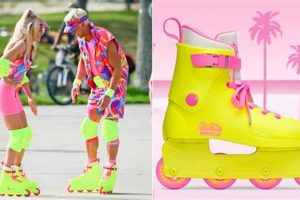
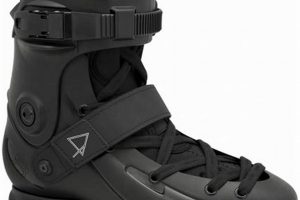
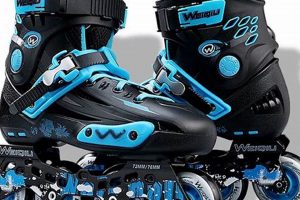
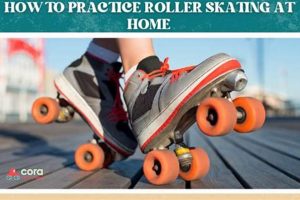
Equipment fundamental to the sport of roller derby involves specialized footwear. This footwear consists of boots mounted on a chassis with two pairs of wheels, arranged in a side-by-side configuration. These implements enable athletes to maneuver, accelerate, and stop effectively on the track during gameplay. An example would be a skater executing a quick apex jump on the banked track.
This specialized footwear is crucial for optimal performance and skater safety. Their design allows for agility and stability necessary for the demands of the sport. Historically, the evolution of this footwear has directly impacted the progression and strategic possibilities within the sport, moving from basic designs to highly engineered models.
The subsequent sections will delve into specific components and characteristics, including boot types, plate materials, wheel durometers, and bearing specifications, highlighting how these elements contribute to overall skating proficiency and customization within the sport. These elements and their implications will be further explored.
Optimizing Performance
The following guidelines outline critical aspects to consider for maximizing performance and safety using specialized footwear designed for roller derby.
Tip 1: Boot Selection: Prioritize a boot that provides ample ankle support and a snug fit. Insufficient support increases the risk of injury, while a poorly fitted boot reduces responsiveness.
Tip 2: Plate Material: Aluminum plates offer greater durability and power transfer compared to nylon options. Consider the skater’s weight and skating style when choosing a plate material.
Tip 3: Wheel Durometer: Softer wheels (lower durometer) provide more grip, suitable for slick surfaces. Harder wheels (higher durometer) offer increased roll speed, ideal for smoother tracks. Experiment with different durometers to optimize performance on varying surfaces.
Tip 4: Bearing Maintenance: Regular cleaning and lubrication of bearings are essential for maintaining optimal roll speed and preventing premature wear. Neglecting bearing maintenance can significantly impact performance.
Tip 5: Toe Stop Adjustment: Correct toe stop height and angle are crucial for effective starts, stops, and transitions. Improper adjustment can lead to instability and potential falls.
Tip 6: Truck Adjustment: Adjust truck tightness to fine-tune turning responsiveness. Tighter trucks provide more stability, while looser trucks allow for quicker turns. Finding the optimal balance is crucial for agility.
Tip 7: Professional Fitting: Consulting with a knowledgeable skate technician ensures proper equipment selection and adjustment. A professional fitting minimizes the risk of injury and maximizes performance potential.
Adhering to these recommendations ensures a strategic approach to equipment selection and maintenance, thus optimizing performance and minimizing potential risks during roller derby gameplay.
The subsequent sections will delve into advanced techniques to fully harness the potential of equipment.
1. Boot Stiffness

Boot stiffness, a critical attribute of roller derby footwear, directly influences a skater’s stability, responsiveness, and power transfer. Higher boot stiffness generally provides superior ankle support, mitigating the risk of injury during lateral movements and abrupt stops. This characteristic is particularly crucial in the high-impact environment of roller derby. For instance, a skater executing a forceful plow stop benefits from the increased rigidity of a stiffer boot, which prevents ankle roll and facilitates efficient energy transfer to the floor. Conversely, boots with lower stiffness offer greater flexibility and range of motion, potentially advantageous for skaters prioritizing agility and intricate footwork.
The selection of boot stiffness should be tailored to the individual skater’s skill level, skating style, and physical characteristics. Novice skaters frequently benefit from stiffer boots that provide increased stability while developing fundamental skills. Experienced skaters may prefer a balance between stiffness and flexibility, optimizing both power and agility. Furthermore, boot stiffness interacts synergistically with other components, such as plate material and truck tightness, impacting overall skate performance. An under-supported boot can compromise control, making energy transfer far less efficient.
In conclusion, boot stiffness in roller derby footwear significantly affects skater performance and injury prevention. Proper assessment of the skater’s individual needs and preferences, coupled with careful consideration of the interplay between boot stiffness and other skate components, leads to equipment optimization. Selecting boots that properly addresses a skaters individual needs are critical to maximizing their on track performance and ability.
2. Plate Material

The plate, a critical component connecting the boot to the wheels in specialized roller derby footwear, fundamentally influences performance characteristics. Its material composition dictates factors such as durability, weight, power transfer, and overall responsiveness. Selection of an appropriate plate material is therefore essential for optimizing skater performance and mitigating potential risks.
- Aluminum Alloy Plates
Aluminum alloy plates represent a prevalent choice due to their high strength-to-weight ratio and superior power transfer capabilities. These plates exhibit increased rigidity compared to alternative materials, minimizing energy loss during propulsion and enhancing responsiveness. Skaters benefit from more efficient acceleration and precise control, particularly advantageous in dynamic gameplay scenarios. However, aluminum plates generally incur a higher cost compared to other options.
- Nylon Plates
Nylon plates offer a more economical alternative while still providing adequate performance for recreational or entry-level roller derby participation. These plates exhibit greater flexibility, potentially enhancing comfort and shock absorption. However, nylon plates generally exhibit lower durability and power transfer efficiency compared to aluminum counterparts. As such, nylon plates are often recommended for skaters prioritizing affordability and comfort over ultimate performance.
- Magnesium Plates
Magnesium plates represent a high-end option characterized by exceptional lightweight properties and vibration dampening capabilities. These plates can reduce skater fatigue and enhance comfort during extended periods of gameplay. However, magnesium plates typically command a premium price and may exhibit reduced durability compared to aluminum alloys. Their use is often reserved for elite-level skaters seeking marginal gains in performance and comfort.
- Carbon Fiber Plates
Carbon fiber plates offer an advanced material option characterized by exceptional stiffness-to-weight ratio. This characteristic translates to superior power transfer and responsiveness, enabling more efficient acceleration and precise control. In this context, durability must be considered with the potential to shatter under excessive force or impacts. While used more common in inline skates, they have some specialty purpose in quad-based sports as well.
The selection of plate material necessitates a careful consideration of the skater’s skill level, skating style, budget, and performance objectives. While aluminum alloys generally provide the optimal balance of performance and durability, nylon plates offer a cost-effective alternative for recreational use. Magnesium plates cater to elite skaters seeking marginal gains in comfort and vibration dampening. Therefore, the appropriate plate material constitutes a critical determinant of skater performance, safety, and overall satisfaction within the realm of roller derby.
3. Wheel Durometer
Wheel durometer, measured on the Shore A scale, constitutes a critical factor in determining the performance characteristics of equipment utilized in roller derby. This measurement quantifies the hardness of the wheel’s urethane, directly influencing grip, roll speed, and overall maneuverability. Selecting the appropriate durometer is paramount for optimizing skater performance on varying track surfaces and accommodating diverse skating styles.
- Grip and Traction
Lower durometer wheels (e.g., 88A-92A) offer increased grip and traction, particularly advantageous on slick or polished surfaces. The softer urethane deforms more readily, conforming to surface irregularities and maximizing contact area. This enhanced grip facilitates rapid acceleration, sharp turns, and stable stops. Skaters frequently employ softer wheels when skating on concrete or sport court surfaces, where traction may be limited. One can assess traction on a slick surface by evaluating a wheel’s ability to maintain contact during quick directional changes.
- Roll Speed and Efficiency
Higher durometer wheels (e.g., 95A-101A) prioritize roll speed and efficiency on smoother, grippier surfaces. The harder urethane minimizes deformation, reducing rolling resistance and maximizing energy transfer. Skaters can achieve higher top speeds and maintain momentum more effectively, which is frequently beneficial in pack skating and breakaways. On tightly gripped sport court surfaces, these harder durometer wheels allow for greater roll performance.
- Surface Compatibility
Track surface characteristics significantly influence optimal wheel durometer selection. Smoother surfaces, such as coated concrete or sport court, generally accommodate harder wheels, maximizing roll speed. Conversely, rougher surfaces, like uncoated concrete, benefit from softer wheels, providing enhanced grip and vibration absorption. Skaters should assess the track surface and adjust wheel durometer accordingly to optimize performance.
- Skating Style and Preference
Individual skating styles and preferences also play a crucial role in determining appropriate wheel durometer. Agility-oriented skaters may prioritize grip and maneuverability, opting for softer wheels. Speed-focused skaters may favor higher durometer wheels to maximize roll speed and maintain momentum. Experimentation with different durometers is frequently necessary to identify the optimal balance for individual performance characteristics.
Wheel durometer selection represents a critical element in optimizing performance and safety of specialized footwear. Factors such as track surface, skating style, and skater preference must be carefully considered to ensure optimal grip, roll speed, and maneuverability. The appropriate wheel selection contributes significantly to enhanced control, improved performance, and minimized risk of injury during roller derby gameplay. In the absence of optimal wheel characteristics, many skills and performance levels are inherently unattainable.
4. Bearing Precision
Bearing precision is a significant factor influencing the performance of roller derby quad skates. The ABEC (Annular Bearing Engineers’ Committee) rating system, though not universally adhered to within the roller derby skate industry, provides a standardized method of quantifying bearing tolerances. Higher ABEC ratings (e.g., ABEC 7 or 9) denote tighter tolerances, theoretically resulting in smoother, faster roll and reduced friction. While often equated with superior performance, the impact of ABEC rating on roller derby skates is nuanced. Lower-rated, well-maintained bearings may outperform higher-rated bearings that are improperly maintained or subjected to excessive wear. The selection of bearings must account for the forces and demands of the sport. As an example, a jammer executing a quick start requires bearings that can efficiently translate force into forward momentum.
Beyond ABEC ratings, bearing materials and construction significantly affect performance. Steel bearings are commonplace, but ceramic bearings offer reduced friction and heat buildup, potentially enhancing roll speed and longevity. Hybrid bearings, combining steel races with ceramic balls, represent a compromise between cost and performance benefits. The internal lubricant also plays a vital role. Lightweight oils generally maximize speed, while heavier greases provide greater protection against contaminants and wear. The choice of lubricant depends on the skater’s preference and the environmental conditions. Improper maintenance, such as neglecting to clean and lubricate bearings regularly, can negate the benefits of high-precision components and lead to premature failure. Skaters traversing a dusty rink may find grit compromising performance, requiring more frequent maintenance intervals.
In summary, bearing precision directly impacts the roll speed, efficiency, and overall performance of roller derby quad skates. While higher ABEC ratings suggest tighter tolerances, factors such as bearing material, construction, lubrication, and maintenance practices are equally important. Selecting appropriate bearings and implementing a consistent maintenance schedule optimizes skate performance, reduces wear, and enhances the skater’s overall experience. Challenges in the arena include the misconception that solely upgrading to a higher ABEC rating guarantees improved performance, overlooking the significance of proper care and other bearing characteristics. The interaction of bearing precision with other skate components underscores the importance of a holistic approach to skate setup.
5. Toe Stop Type

The toe stop, a critical component of roller derby quad skates, directly influences a skater’s ability to start, stop, pivot, and execute various maneuvers. Its design and material composition significantly impact grip, stability, and responsiveness. Variations in toe stop type cater to diverse skating styles and track conditions, necessitating careful consideration during skate setup. Insufficient toe stop grip impedes acceleration and braking efficiency. Excessive height may compromise stability during agile footwork.For example, during a forceful apex jump, an ill-suited toe stop could fail to provide adequate support, leading to a loss of balance and potential injury. Therefore, toe stop type is intrinsically linked to skater performance and safety.
Toe stops commonly feature materials such as natural rubber, synthetic rubber, or harder composite compounds. Natural rubber offers exceptional grip but may exhibit accelerated wear. Synthetic rubber provides improved durability with a slight reduction in grip. Harder compounds prioritize longevity but may compromise traction on certain surfaces. Adjustable toe stops allow skaters to fine-tune the height and angle, optimizing their position for starts, stops, and transitions. Jam skaters, prioritizing speed and agility, may favor smaller, streamlined toe stops that minimize drag. Blockers, requiring stability and control, frequently opt for larger, more robust toe stops. The diverse needs across positions underscore the practical significance of toe stop selection.
In summary, the toe stop is an integral component of roller derby quad skates, influencing acceleration, braking, stability, and overall maneuverability. Material composition, design, and adjustability significantly impact performance on varying track surfaces and for diverse skating styles. Careful consideration of toe stop type optimizes skate functionality, enhancing skater control and minimizing the risk of injuries during gameplay. The nuances between these options require both experience and understanding for peak execution.
6. Truck Adjustability
Truck adjustability, a critical feature of roller derby quad skates, governs turning responsiveness and stability. The kingpin nut, when tightened or loosened, alters the resistance encountered when leaning into turns. This adjustment influences the skater’s ability to execute apex jumps, navigate tight corners, and maintain balance during contact. Trucks that are too tight hinder maneuverability, while trucks that are too loose compromise stability, increasing the risk of falls. For instance, a blocker requiring precise lateral movements to maintain a wall benefits from finely tuned trucks that provide optimal responsiveness without sacrificing stability.
The impact of truck adjustment extends beyond basic turning mechanics. Tighter trucks enhance stability at high speeds, reducing the likelihood of speed wobbles or uncontrolled oscillations. This configuration can be advantageous for skaters prioritizing straight-line speed and power, such as jammers attempting to break through a pack. Conversely, looser trucks facilitate rapid directional changes and agile footwork, benefiting skaters specializing in evasive maneuvers and intricate skating techniques. A skater executing a quick apex jump requires looser trucks to facilitate rapid weight shifts and precise control during the turn. Therefore, truck adjustability enables skaters to customize their skates to match their individual skating style, position, and the specific demands of each game. A common adjustment example would be a skater experiencing excessive “wheel bite”, in which the boot comes into contact with the wheel during heavy turns, and tightening trucks can address this.
In conclusion, truck adjustability is a fundamental aspect of roller derby quad skate setup, directly affecting turning responsiveness, stability, and overall skate handling. Correct adjustment ensures a balance between maneuverability and control, maximizing skater performance and minimizing the risk of injury. Challenges arise when skaters neglect truck adjustment or fail to recognize its impact on their skating technique. Understanding the principles of truck adjustability is crucial for skaters seeking to optimize their equipment and enhance their competitive edge. A skater’s equipment and skill cannot be separated.
Frequently Asked Questions
The following section addresses common queries surrounding specialized equipment for roller derby, providing concise and informative responses to enhance understanding and inform equipment selection.
Question 1: What distinguishes roller derby quad skates from recreational skates?
Roller derby quad skates are engineered for the specific demands of the sport, emphasizing maneuverability, durability, and performance. They typically feature more robust boots, plates designed for agility, and wheels optimized for grip and speed on varying track surfaces. Recreational skates often prioritize comfort and affordability over performance.
Question 2: How does wheel durometer affect skating performance?
Wheel durometer, measured on the Shore A scale, indicates wheel hardness. Lower durometer wheels offer increased grip, suitable for slick surfaces, while higher durometer wheels provide greater roll speed, ideal for smoother tracks. Wheel durometer selection should align with track conditions and skating style.
Question 3: What is the significance of boot stiffness in roller derby skates?
Boot stiffness dictates ankle support and responsiveness. Stiffer boots enhance stability and power transfer, while more flexible boots offer greater agility. Boot selection should reflect the skater’s skill level, skating style, and injury history.
Question 4: How frequently should roller derby quad skate bearings be cleaned and lubricated?
Bearing maintenance frequency depends on usage and environmental conditions. Regular cleaning and lubrication, typically every 10-20 hours of skating, are essential for maintaining optimal roll speed and preventing premature wear. Skaters encountering dusty or abrasive environments may require more frequent maintenance.
Question 5: What is the recommended toe stop type for different roller derby positions?
Toe stop selection varies based on position and skating style. Jammers often prefer smaller, streamlined toe stops for speed and agility, while blockers may favor larger, more durable toe stops for stability and control. Adjustable toe stops enable customization for individual preferences.
Question 6: How does truck adjustability influence skate handling?
Truck adjustability affects turning responsiveness and stability. Looser trucks facilitate quicker turns, while tighter trucks enhance stability at higher speeds. Proper adjustment optimizes skate handling for individual skating styles and game situations.
These FAQs provide a foundational understanding of critical equipment considerations.
The subsequent section will focus on advanced training techniques for maximizing roller derby quad skate performance.
Roller Derby Quad Skates
This exposition has illuminated the critical attributes of roller derby quad skates, encompassing boot stiffness, plate material, wheel durometer, bearing precision, toe stop type, and truck adjustability. Each element significantly impacts performance, safety, and overall skating proficiency. Thorough understanding and strategic customization of these components are paramount for optimizing skater capabilities. In particular, it’s important to recognize the interplay between each aspect of the skate and how they can either work to improve, or greatly inhibit performance.
Continued advancement in materials science and engineering promises further refinement of roller derby quad skates, potentially yielding enhanced performance characteristics and injury mitigation strategies. A proactive approach to equipment selection, maintenance, and ongoing adaptation to evolving technologies will remain essential for maximizing success and safety within the dynamic landscape of roller derby. The pursuit of excellence in this sport demands a commitment to understanding and leveraging the capabilities of this fundamental equipment.