Devices designed for recreational or fitness activities on paved surfaces feature a configuration of four wheels arranged in pairs, providing stability and maneuverability. These items allow users to glide and propel themselves across various terrains, offering an engaging form of exercise and transportation.
The benefit of using such equipment includes enhanced cardiovascular health, improved balance and coordination, and a versatile means of enjoying outdoor spaces. Historically, these wheeled platforms have evolved from simple novelties to sophisticated sporting goods, with advancements in materials and engineering contributing to their performance and durability.
The subsequent sections will detail crucial aspects such as wheel selection, bearing maintenance, boot construction, and safety considerations. A comprehensive guide will aid in the responsible selection and enjoyment of this multifaceted activity.
Essential Considerations for Outdoor Quad Roller Skate Usage
To maximize enjoyment and safety while using quad roller skates in outdoor environments, attention to specific details is crucial. The following guidelines address key areas that impact performance and longevity of the equipment.
Tip 1: Wheel Durometer Selection: The hardness of the wheel, measured in durometer, significantly impacts performance on varying surfaces. Softer wheels (lower durometer) provide better grip on rougher surfaces, while harder wheels offer increased speed on smoother pavements. Choosing the appropriate durometer ensures optimal control and reduces the risk of slippage.
Tip 2: Bearing Maintenance: Regular cleaning and lubrication of bearings are essential for smooth rolling and prolonged lifespan. Debris accumulation within bearings can impede performance and accelerate wear. A specialized bearing cleaner and lubricant should be used to maintain optimal condition.
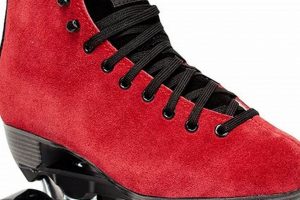
Tip 3: Boot Support and Fit: A properly fitted boot with adequate ankle support is paramount for stability and injury prevention. The boot should provide a secure and comfortable fit without restricting movement. Evaluating different boot styles and materials is recommended to find the optimal combination of support and flexibility.
Tip 4: Protective Gear Usage: Wearing appropriate protective gear, including a helmet, knee pads, elbow pads, and wrist guards, is non-negotiable. Impacts sustained during falls can result in serious injuries. Protective gear significantly reduces the risk of trauma.
Tip 5: Surface Evaluation: Prior to commencing skating, the surface should be thoroughly evaluated for hazards such as cracks, debris, and uneven terrain. Choosing appropriate skating locations minimizes the risk of accidents and equipment damage.
Tip 6: Regular Equipment Inspection: Routine inspection of all components, including wheels, bearings, trucks, and boots, is necessary to identify and address potential issues before they escalate. Loose or damaged components should be repaired or replaced promptly.
Tip 7: Gradual Skill Progression: Avoid attempting advanced maneuvers before mastering fundamental skills. A gradual approach to skill development minimizes the risk of falls and injuries. Seeking guidance from experienced skaters or instructors can accelerate learning and improve technique.
Adhering to these guidelines fosters a safe and enjoyable experience. Prioritizing safety and maintenance ensures the longevity of the equipment and maximizes the benefits of outdoor quad roller skating.
The subsequent section will delve into the detailed aspects of various equipment choices available.
1. Wheel Durometer Ratings
Wheel durometer ratings are a critical determinant of performance and user experience for outdoor quad roller skates. The durometer, measured on the “A” scale, indicates the wheel’s hardness. A lower durometer rating signifies a softer wheel, which offers enhanced grip on uneven or abrasive outdoor surfaces such as asphalt and textured concrete. This increased grip minimizes slippage, thereby improving control and stability. Conversely, a higher durometer rating denotes a harder wheel. Harder wheels provide lower rolling resistance on smooth, even surfaces like polished concrete, resulting in increased speed. However, they offer reduced grip on rougher terrain, potentially compromising control.
For example, skaters navigating park pathways with varied surface conditions might opt for wheels with a durometer rating between 78A and 85A, balancing grip and roll efficiency. Alternatively, skaters frequenting smooth, dedicated skating rinks could select wheels rated 88A or higher for maximum speed. Incorrect durometer selection can lead to suboptimal performance, increased physical exertion, and a heightened risk of falls. Choosing wheels too hard for the surface increases vibration transmission to the skater’s feet and joints, causing discomfort and fatigue. Too soft wheels on a smooth surface, while comfortable, will create much friction and slow down the wheels.
In summary, wheel durometer ratings represent a critical technical specification directly impacting the functionality and safety of outdoor quad roller skates. Understanding the relationship between durometer and surface characteristics allows skaters to optimize their equipment for specific environments, enhancing their skating experience while mitigating potential risks. Selection should always align with the predominant skating surface to ensure a balance of control, speed, and comfort.
2. Bearing Precision Grade
Bearing precision grade significantly influences the performance characteristics of quad roller skates utilized outdoors. The tolerances to which a bearing is manufactured directly affect its rolling resistance, durability, and ability to maintain speed across varying surface conditions. These factors collectively contribute to the overall skating experience and longevity of the equipment.
- ABEC Rating System
The Annular Bearing Engineering Committee (ABEC) rating system is a common standard for classifying bearing precision. Ratings range from ABEC 1 to ABEC 9, with higher numbers indicating tighter tolerances and greater precision. Bearings with higher ABEC ratings typically exhibit lower rolling resistance, allowing for increased speed and smoother glide. However, increased precision does not inherently equate to greater durability or suitability for all applications. In outdoor environments, bearings with excessively high ABEC ratings may be more susceptible to damage from dirt and debris infiltration.
- Impact of Contaminants
Outdoor skating exposes bearings to a variety of contaminants, including dirt, sand, and moisture. These contaminants can degrade bearing performance by increasing friction and accelerating wear. Bearings with tighter tolerances (higher ABEC ratings) are often more sensitive to the presence of contaminants, as even small particles can disrupt their precise alignment. Therefore, skaters utilizing high-precision bearings in outdoor settings must implement rigorous maintenance procedures, including regular cleaning and lubrication, to mitigate the negative effects of contamination.
- Alternatives to ABEC Ratings
While the ABEC rating is prevalent, alternative rating systems exist, such as the ISO system. Furthermore, some manufacturers employ proprietary rating systems or emphasize bearing characteristics beyond precision grade. For instance, bearings designed for outdoor use may prioritize features like sealed construction and corrosion-resistant materials over ultra-high precision. It is therefore advisable to consider the specific design and materials of the bearing in addition to its precision grade when selecting components for outdoor quad roller skates.
- Balancing Precision and Durability
The optimal bearing choice for outdoor quad roller skates involves a trade-off between precision and durability. High-precision bearings can enhance speed and smoothness, but they may require more frequent maintenance and be more vulnerable to damage from contaminants. Conversely, bearings with lower precision grades may offer greater durability and resistance to contaminants, but they may sacrifice some speed and rolling efficiency. The ideal selection depends on factors such as skating style, terrain, and maintenance practices. Skaters operating primarily on rough or dirty surfaces may benefit from prioritizing durability over ultra-high precision.
In conclusion, bearing precision grade represents a significant performance parameter for outdoor quad roller skates. While higher ABEC ratings can contribute to increased speed and smoother glide, skaters must also consider the impact of environmental factors and maintenance requirements. A balanced approach that prioritizes both precision and durability is essential for optimizing the overall skating experience and ensuring the longevity of the equipment.
3. Boot Material Durability

The longevity and structural integrity of quad roller skate boots are directly correlated with the durability of the materials employed in their construction, particularly when used in outdoor environments. Exposure to abrasive surfaces, environmental conditions, and repetitive stress necessitates robust material selection to ensure prolonged usability and user safety.
- Abrasion Resistance
Outdoor surfaces, such as asphalt and concrete, subject boot materials to significant abrasive forces. Materials with inherently high abrasion resistance, such as reinforced nylon or high-density polyurethane, are crucial for mitigating wear and tear. Examples include boots constructed with multiple layers of abrasion-resistant synthetic leather, which can withstand prolonged contact with rough surfaces without compromising structural integrity. The use of insufficient materials often results in premature degradation and increased risk of boot failure.
- Weather Resistance
Exposure to environmental elements, including ultraviolet radiation, moisture, and temperature fluctuations, can compromise the structural integrity of boot materials. Materials susceptible to UV degradation may become brittle and prone to cracking, while those with poor moisture resistance may experience delamination or fungal growth. Synthetic materials engineered for outdoor use, such as UV-resistant polymers and waterproof laminates, are essential for preserving boot integrity in diverse weather conditions.
- Structural Support
The boot material’s ability to provide adequate ankle and foot support is paramount for injury prevention. Stiff, durable materials, such as molded composites or reinforced leather, offer superior support compared to flexible fabrics. Boots lacking sufficient structural support can lead to ankle instability, increasing the risk of sprains or fractures, particularly during high-impact maneuvers. The incorporation of strategically placed reinforcements, such as carbon fiber inserts, can enhance support without sacrificing comfort.
- Impact Resistance
Outdoor skating inherently involves the risk of impacts with obstacles or falls. Boot materials with high impact resistance can effectively dissipate energy, minimizing the potential for injury. Materials such as rigid polymers or energy-absorbing foams are often incorporated into boot designs to enhance impact protection. The placement of protective elements in high-impact zones, such as the ankle and toe regions, provides targeted cushioning and reduces the severity of potential injuries.
In conclusion, the durability of boot materials is a critical determinant of the performance, safety, and longevity of quad roller skates utilized in outdoor environments. Proper material selection, considering abrasion resistance, weather resistance, structural support, and impact resistance, is essential for mitigating wear and tear, preserving boot integrity, and ensuring a safe and enjoyable skating experience. Prioritizing durable materials translates to reduced maintenance costs, enhanced user safety, and extended equipment lifespan.
4. Truck Adjustability Range

The truck adjustability range in outdoor quad roller skates directly influences the skater’s maneuverability, stability, and overall control. The kingpin, a central component of the truck assembly, can be tightened or loosened to alter the resistance encountered during turns. A wider adjustability range allows skaters to fine-tune their skates to match their skill level, skating style, and the specific characteristics of the outdoor terrain. Stiffer trucks, achieved through tightening the kingpin nut, offer increased stability, particularly at higher speeds or on uneven surfaces. This setup reduces the skate’s responsiveness to subtle movements, making it more predictable and less prone to unexpected turns. Conversely, looser trucks, achieved by loosening the kingpin nut, provide increased maneuverability and tighter turning radii. This configuration is advantageous for navigating obstacles, performing quick turns, and engaging in dance or artistic skating styles. However, looser trucks can also reduce stability, requiring greater skater skill and balance.
Real-world examples illustrate the practical significance of truck adjustability. A beginner skater learning to navigate a paved bike path might benefit from tighter trucks to enhance stability and confidence. The increased resistance to turning minimizes the risk of accidental deviations and provides a more predictable skating experience. In contrast, an experienced skater participating in an outdoor roller derby competition would likely prefer looser trucks to facilitate rapid changes in direction and agile maneuvering within the track. The ability to quickly respond to opponents and maintain control during tight turns is essential for competitive success. Furthermore, skaters traversing uneven terrain often adjust their trucks to strike a balance between stability and responsiveness. Slightly looser trucks can absorb minor surface irregularities, while maintaining sufficient stiffness to prevent excessive wobbling or loss of control.
In summary, truck adjustability range is a critical feature in outdoor quad roller skates, enabling skaters to customize their equipment to suit diverse conditions and skating styles. Understanding the relationship between truck tightness, stability, and maneuverability allows skaters to optimize their performance, enhance their safety, and maximize their enjoyment. However, it’s important to acknowledge that improper adjustments can negatively impact handling; over-tightening can limit turning ability, while excessive loosening can compromise stability. This understanding emphasizes the need for skaters to carefully adjust their trucks and periodically inspect their settings to ensure optimal performance and safety.
5. Surface Compatibility
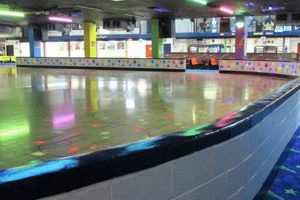
The operational effectiveness of quad roller skates is inherently tied to the characteristics of the surfaces on which they are utilized. The physical properties of the surface, including its texture, composition, and degree of uniformity, exert a direct influence on wheel traction, rolling resistance, and overall maneuverability. Compatibility, therefore, represents a critical determinant of both performance and user safety. For example, highly polished surfaces may diminish wheel grip, increasing the potential for uncontrolled slippage, whereas excessively rough or uneven terrains elevate rolling resistance, hindering speed and potentially causing instability. Consequently, understanding the interplay between skate wheel characteristics and surface attributes is paramount for optimizing the skating experience. The selection of wheel material, durometer, and diameter must be aligned with the intended usage environment to ensure adequate performance and mitigate risks.
Furthermore, surface composition significantly impacts wear and tear on skate components. Abrasive surfaces, such as coarse asphalt, accelerate wheel degradation, necessitating more frequent replacements. Conversely, smoother surfaces prolong wheel lifespan and reduce the need for maintenance. Real-world application provides further insights. Outdoor skaters operating on diverse terrains may employ wheels with a softer durometer rating to enhance grip on uneven surfaces, while those frequenting dedicated skating rinks may opt for harder wheels to maximize speed on smooth floors. The practical significance of this understanding extends beyond recreational use, influencing the equipment choices of athletes in roller sports such as roller derby and artistic skating, where surface-specific adaptations are essential for competitive success.
In summary, surface compatibility represents an indispensable consideration in the selection and use of quad roller skates. The interaction between skate wheels and the skating surface directly affects performance, safety, and equipment longevity. While achieving optimal compatibility presents challenges due to the variability of outdoor environments, a nuanced understanding of surface characteristics empowers skaters to make informed equipment choices, adapt their skating techniques, and ultimately enhance their overall experience while minimizing risks.
Frequently Asked Questions about Outdoor Quad Roller Skates
This section addresses common inquiries concerning the selection, maintenance, and safe operation of quad roller skates specifically designed for outdoor use. The information presented aims to provide clarity and guidance for informed decision-making.
Question 1: What constitutes the optimal wheel durometer for outdoor skating on varying surfaces?
The optimal wheel durometer is contingent upon the surface type. Softer wheels (78A-85A) are recommended for rough surfaces to maximize grip and minimize vibration. Harder wheels (88A and above) are suitable for smooth, paved surfaces to optimize speed and rolling efficiency.
Question 2: How frequently should bearings be cleaned and lubricated for outdoor quad roller skates?
Bearing maintenance frequency depends on usage conditions. Under normal circumstances, cleaning and lubrication should occur every 20-40 hours of skating time, or more frequently if exposed to excessive dirt or moisture. Visual inspection for debris accumulation is advisable.
Question 3: What boot materials offer the best combination of durability and support for outdoor skating?
Durable boot materials include reinforced nylon, high-density polyurethane, and multi-layered synthetic leather. These materials provide adequate abrasion resistance and structural support for outdoor use, mitigating wear and tear.
Question 4: What protective gear is considered essential for safe outdoor quad roller skating?
Essential protective gear includes a helmet meeting applicable safety standards, knee pads, elbow pads, and wrist guards. These items mitigate the risk of injuries resulting from falls or impacts.
Question 5: How does truck adjustability affect the performance of outdoor quad roller skates?
Truck adjustability allows for customization of turning responsiveness. Tighter trucks enhance stability, while looser trucks facilitate greater maneuverability. Adjustments should be made based on individual skill level and terrain conditions.
Question 6: What are the key considerations when evaluating the suitability of a surface for outdoor quad roller skating?
Key considerations include surface smoothness, presence of hazards (e.g., cracks, debris), and overall uniformity. Surfaces should be free of obstructions and offer adequate traction for safe and controlled skating.
Selecting suitable equipment and adhering to safe practices are crucial for a positive outdoor skating experience. Regular maintenance and proper use of protective gear are non-negotiable aspects of responsible participation.
The following section will present a comprehensive guide on specific equipment maintenance protocols.
Conclusion
This exploration has detailed the multifaceted nature of utilizing outdoor quad roller skates. Considerations such as wheel durometer selection, bearing maintenance, boot construction, truck adjustability, and surface compatibility are not merely ancillary details, but rather integral factors directly impacting user safety, performance, and the longevity of the equipment. A thorough understanding of these elements allows for optimized equipment selection and responsible usage.
The responsible enjoyment of outdoor quad roller skates requires continuous vigilance and informed decision-making. Prioritizing safety protocols, maintaining equipment according to manufacturer guidelines, and adapting techniques to suit environmental conditions are essential for mitigating potential risks and maximizing the benefits of this activity. Continued adherence to these principles will ensure the sustainable and safe enjoyment of outdoor quad roller skates for years to come.

![Best Places Where to Roller Skate? [Guide + Tips] | Learn to Surf & Skate: A Beginner's Step-by-Step Guide](https://universitysurfandskate.com/wp-content/uploads/2026/04/th-366-300x200.jpg "Best Places Where to Roller Skate? [Guide + Tips] Learn to Surf & Skate: A Beginner's Step-by-Step Guide")