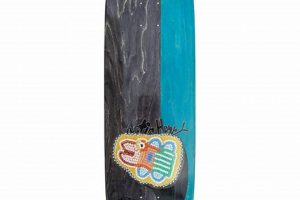
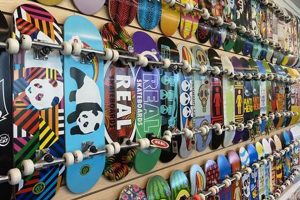
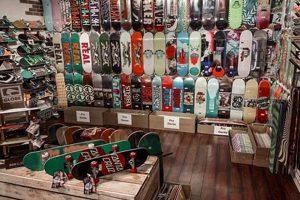
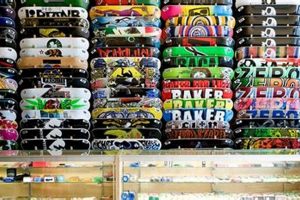
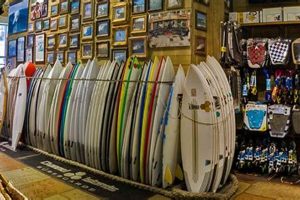
Establishments specializing in skateboarding equipment often carry miniature fingerboards designed to replicate the experience of skateboarding on a smaller scale. These miniature skateboards, sometimes mass-produced under specific brand names, provide an accessible and inexpensive entry point into the skateboarding world. These items are often found alongside full-sized skateboards, apparel, and protective gear within the retail environment of a skate shop.
The availability of these small-scale replicas in physical retail locations extends the reach of skateboarding culture. Their presence allows potential skateboarders, particularly younger individuals, to engage with the sport in a tangible way before committing to a full-sized board. Moreover, these items introduce hand-eye coordination development and dexterity improvement, offering a gateway for those interested in pursuing real skateboarding.
The following discussion will elaborate on the product offerings typically associated with skateboarding retail outlets and detail the role that miniature fingerboards play within this broader landscape, including the specific brands and variations commonly available.
Guidance for Purchasing Miniature Fingerboards
The selection of a suitable miniature fingerboard requires careful consideration to ensure both enjoyment and longevity of use. The following guidelines are designed to assist in making informed decisions.
Tip 1: Assess Deck Material. Opt for decks constructed from wood, as they generally offer a more realistic feel and improved durability compared to plastic alternatives. Wood provides a more authentic tactile experience and is less prone to wear.
Tip 2: Evaluate Truck Construction. Examine the trucks for metal components rather than solely plastic. Metal trucks offer enhanced stability and are less likely to break under pressure during maneuvers.
Tip 3: Consider Wheel Composition. Seek wheels made from a durable material, such as polyurethane. These wheels provide better grip on surfaces and contribute to a smoother rolling action.
Tip 4: Inspect Graphic Quality. Verify that the graphic is securely applied and resistant to scratching or fading. A well-applied graphic indicates attention to detail and contributes to the overall aesthetic appeal.
Tip 5: Prioritize Completeness of Set. Ensure that the chosen item includes essential tools for assembly and maintenance, such as a small screwdriver or wrench. These tools facilitate adjustments and repairs.
Tip 6: Research Brand Reputation. Investigate the brand’s history and customer reviews. A reputable brand typically signifies higher quality materials and construction, leading to increased satisfaction.
Tip 7: Compare Pricing Across Vendors. Before committing to a purchase, compare prices from various retailers, both online and in physical skate shops. This allows for identification of the most cost-effective option without sacrificing quality.
Adhering to these suggestions will increase the likelihood of selecting a miniature fingerboard that provides both a realistic experience and enduring functionality. Prioritizing quality components and construction ensures prolonged enjoyment.
The subsequent section will address the proper care and maintenance procedures necessary to prolong the lifespan of a chosen miniature fingerboard, encompassing aspects such as cleaning, adjustment, and storage practices.
1. Availability

The presence of miniature fingerboards in physical retail locations, particularly skate shops, directly influences their accessibility to consumers. This “availability” represents a crucial factor determining market reach and consumer exposure.
- Physical Retail Presence
Skate shops serve as primary distribution points, offering tactile engagement that online retailers often lack. Customers can physically examine the product, assess its quality, and make informed purchasing decisions based on immediate sensory feedback. This brick-and-mortar presence is particularly vital for attracting impulse buys and catering to customers who value a hands-on experience.
- Inventory Management
Effective inventory management within skate shops directly impacts product accessibility. Consistent stock levels of various models, brands, and accessories ensure that customers have a diverse selection to choose from. Insufficient inventory can lead to lost sales and customer dissatisfaction, while overstocking can tie up capital and reduce profitability.
- Seasonal Variations
Availability can fluctuate based on seasonal trends. Demand for these items often increases during holiday seasons and school breaks, prompting skate shops to adjust their inventory accordingly. Failure to anticipate these seasonal variations can result in stockouts and missed revenue opportunities.
- Geographic Distribution
The geographic distribution of skate shops determines the availability of these miniature fingerboards in different regions. Urban areas with a higher concentration of skate shops offer greater accessibility compared to rural areas. This disparity in availability can impact the overall market penetration and consumer reach of specific brands and models.
These facets of availability highlight the importance of strategic retail placement, inventory control, responsiveness to market trends, and understanding geographic disparities in distribution. The accessibility of these items within skate shops directly correlates with brand visibility and overall market success.
2. Construction Materials

The composition of materials directly influences the performance, durability, and overall user experience associated with miniature fingerboards found in skateboarding retail environments. The specific materials selected for various components dictate the quality and longevity of the product.
- Deck Laminates
The fingerboard deck is typically constructed from multiple thin layers of wood veneer, often maple. The quality of this laminate significantly impacts the deck’s strength, flexibility, and ability to withstand pressure during simulated tricks. Higher-quality laminates result in a more responsive and durable deck.
- Truck Composition
Miniature skateboard trucks, replicating the function of their full-sized counterparts, are frequently composed of metal alloys such as zinc or aluminum. Metal trucks provide superior stability and durability compared to plastic alternatives, withstanding the repetitive stress of use. The precision of the truck’s casting and assembly also impacts its turning responsiveness.
- Wheel Material
The wheels are often made from polyurethane or a similar polymer. The durometer (hardness) of the wheel material affects grip and rolling resistance. Softer wheels offer better grip on smooth surfaces, while harder wheels provide faster rolling speeds. The wheel bearing quality also influences rolling efficiency.
- Hardware Components
Small screws, nuts, and bolts secure the various components of the fingerboard. These hardware components are typically made from steel or other corrosion-resistant metals. The quality of the hardware impacts the overall structural integrity of the assembled unit. Stripped threads or corroded hardware can compromise the fingerboard’s functionality and longevity.
The selection of appropriate construction materials is paramount in determining the performance characteristics and lifespan of miniature fingerboards. A focus on high-quality materials translates to an enhanced user experience and a more durable product, aligning with the expectations of consumers within skateboarding retail outlets.
3. Graphic Design

Graphic design constitutes a crucial element in the marketability and appeal of miniature fingerboards sold within skateboarding retail establishments. The visual aesthetic directly influences consumer perception and purchasing decisions.
- Deck Art Replication
Miniature fingerboards frequently replicate the graphic designs found on full-sized skateboard decks from prominent brands. This replication allows consumers to engage with established skateboarding culture and express affinity for specific brands or skaters. Accurate reproduction of iconic deck art enhances the product’s perceived authenticity and collectibility.
- Branding and Logo Integration
Manufacturers often incorporate their logos and branding elements prominently on the deck’s surface. Consistent branding across the product line reinforces brand recognition and loyalty among consumers. Effective logo placement enhances the product’s visual appeal without detracting from the overall design.
- Color Palette and Visual Themes
The selection of color palettes and visual themes significantly impacts the product’s aesthetic appeal. Vibrant colors and eye-catching graphics can attract attention and differentiate the product from competitors. Cohesive visual themes, reflecting current trends in skateboarding culture, resonate with the target demographic.
- Packaging and Display Graphics
The graphic design extends beyond the fingerboard itself to include packaging and point-of-sale displays within the skate shop. Visually appealing packaging enhances the perceived value of the product and attracts attention on retail shelves. Display graphics contribute to the overall aesthetic of the retail environment and promote impulse purchases.
The strategic application of graphic design principles significantly contributes to the commercial success of miniature fingerboards. Accurate replication of established skateboarding graphics, consistent branding, appealing color palettes, and effective packaging all play a role in capturing consumer attention and driving sales within skateboarding retail environments.
4. Retail Pricing

Retail pricing of miniature fingerboards within skateboarding retail environments directly influences accessibility and market penetration. The cost structure encompasses manufacturing expenses, distribution markups, and retailer profit margins, collectively determining the final price point for the consumer. A lower price point expands the potential customer base, attracting younger individuals or those with limited discretionary income. Conversely, higher-priced models, often featuring premium materials or exclusive designs, cater to collectors and enthusiasts willing to invest more in specialized products. Skate shops must carefully balance pricing strategies to appeal to a diverse customer base while maintaining profitability. Example: a basic plastic model might retail for \$10, while a professional-grade wooden model with metal trucks could reach \$50 or more.
The competitive landscape within the skateboarding retail sector further impacts pricing strategies. Online retailers often offer lower prices due to reduced overhead costs, compelling brick-and-mortar skate shops to adjust their pricing or offer value-added services, such as expert advice or customization options, to remain competitive. Discounting strategies, such as seasonal sales or bundle offers, can also stimulate demand and clear inventory. Moreover, the perceived value of the product, influenced by brand reputation and product features, significantly impacts the price point consumers are willing to accept. The pricing directly reflects the degree of perceived value, build quality, brand, graphic, features and collectability and it is on direct correlation with the market.
In summary, retail pricing is a critical factor in the success of miniature fingerboards within skateboarding retail outlets. Strategic pricing considers manufacturing costs, competitive pressures, and consumer perceptions of value. A well-defined pricing strategy balances profitability with accessibility, maximizing market reach and ensuring sustainable business operations within a dynamic retail environment. Misaligned pricing can lead to lost sales, decreased brand equity, and ultimately, business failure.
5. Target Audience

The miniature fingerboard market, specifically as it relates to skateboarding retail outlets, exhibits a clear correlation with a defined target audience. The product’s characteristics, distribution channels, and marketing strategies are demonstrably shaped by the intended consumer. The primary demographic consists of children and adolescents, typically between the ages of eight and sixteen. This age group is often drawn to the product as an accessible entry point into skateboarding culture. These consumers may not yet have the physical coordination or financial resources to engage in full-scale skateboarding, making the miniature version an attractive alternative. Additionally, the target audience extends to adult collectors and enthusiasts who appreciate the novelty and collectibility of these items. These individuals often seek out rare or limited-edition models, contributing to a secondary market that further influences pricing and availability. The connection is direct: Without the appeal to this demographic, the presence and demand for these items within a skate shop would diminish considerably. For example, display locations within a shop often prioritize areas frequented by younger customers, and marketing materials feature imagery and messaging tailored to this demographic.
Understanding the target audience is crucial for skate shops to effectively manage inventory and marketing efforts. The selection of specific brands, models, and accessories is directly influenced by the preferences of the target demographic. A skate shop catering primarily to younger customers may stock a wider range of entry-level products with vibrant graphics and accessible price points. Conversely, a shop targeting collectors may focus on higher-end models with realistic features and limited availability. Marketing campaigns often leverage social media platforms and online communities frequented by the target audience, promoting product releases, customization options, and user-generated content. Real-world examples include collaborations with popular skateboard brands to release miniature versions of their iconic decks, thereby leveraging brand recognition and appealing to a broader audience.
In conclusion, the success of the “skate shop tech deck” product is inextricably linked to a defined target audience. Accurately identifying and understanding the needs and preferences of this demographic is paramount for effective retail strategies. Challenges arise in adapting to evolving trends and maintaining relevance within a rapidly changing youth culture. However, by remaining attuned to the needs of the target audience, skate shops can effectively cultivate demand and sustain the market for miniature fingerboards. Ignoring the target audience would lead to mismanagement of resources and lower profits.
Frequently Asked Questions
This section addresses common inquiries regarding miniature fingerboards, specifically those found within the retail environment of a skateboarding establishment. The information presented aims to provide clarity and promote informed purchasing decisions.
Question 1: What differentiates miniature fingerboards found in skate shops from those sold in general toy stores?
The primary distinction lies in the quality and realism. Skate shops typically offer fingerboards constructed with materials and designs that more accurately replicate full-sized skateboards, catering to enthusiasts and those seeking a more authentic experience. General toy stores often carry less detailed and lower-quality versions intended for casual play.
Question 2: Are replacement parts available for miniature fingerboards purchased in skate shops?
Yes, reputable skate shops typically stock replacement parts, including wheels, trucks, and hardware. This allows for customization, repairs, and upgrades, extending the lifespan of the product and enhancing its functionality. Availability of replacement parts is generally not offered by general toy retailers.
Question 3: What is the typical price range for miniature fingerboards in a skate shop?
Pricing varies depending on the materials, construction, and brand. Entry-level models may range from \$10 to \$20, while higher-end models with premium components and licensed graphics can cost \$30 or more. Pricing is generally higher compared to products available at generic retailers, reflecting the increased quality.
Question 4: Do skate shops offer miniature fingerboard customization options?
Some skate shops provide customization services, allowing customers to select specific decks, trucks, wheels, and graphics to create a personalized fingerboard. This service caters to enthusiasts seeking a unique and tailored experience. Customization options are generally unavailable elsewhere.
Question 5: How does the size of a fingerboard affect its performance?
Fingerboard dimensions, including width and length, influence maneuverability and control. Wider decks generally provide greater stability, while narrower decks allow for quicker rotations. The optimal size depends on individual preferences and skill level.
Question 6: What is the expected lifespan of a miniature fingerboard purchased from a skate shop?
The lifespan depends on usage frequency and the quality of materials. With proper care and maintenance, a well-constructed fingerboard can last for several months or even years. Regular cleaning, tightening of hardware, and replacement of worn parts will extend the product’s usability.
This section has clarified key aspects surrounding the presence of these items within a skateboarding retail setting. Quality, customization, and availability of replacement parts are defining characteristics.
The following will elaborate on the broader historical context of skateboarding and its influence on associated products like miniature fingerboards.
Conclusion
The preceding analysis has explored the multifaceted aspects of miniature fingerboards, or “skate shop tech deck” items, within the context of skateboarding retail. The analysis encompassed product availability, construction materials, graphic design implications, retail pricing strategies, and target audience considerations. These elements coalesce to define the market position and consumer appeal of these items. A clear understanding of these factors is critical for both retailers and consumers seeking to engage effectively with this product category.
Moving forward, continued attention should be directed toward innovations in materials and design, as well as evolving consumer preferences within the skateboarding community. The sustained relevance of miniature fingerboards hinges on maintaining a commitment to quality, authenticity, and responsiveness to market trends. Responsible sourcing, fair pricing, and ethical marketing practices should be prioritized to ensure the long-term viability of this segment within the broader skateboarding industry.