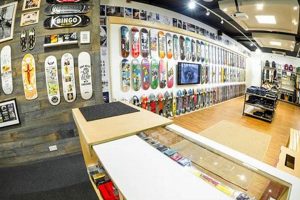
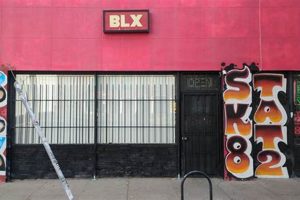
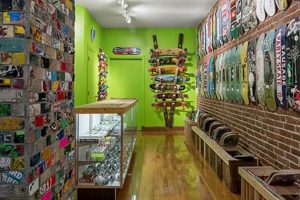
The subject of this article is a retail establishment specializing in skateboarding equipment and apparel. It caters primarily to individuals interested in the sport and lifestyle of skateboarding, providing necessary gear such as skateboards, shoes, clothing, and protective equipment. For example, a customer might visit to purchase a new deck, trucks, or wheels for their skateboard.
Establishments of this nature play a crucial role in the skateboarding community by providing access to quality equipment and fostering a sense of community. Historically, skate shops have served as meeting places for skaters, offering advice, sponsoring local events, and supporting the growth of skateboarding in the area. They contribute to the local economy and provide a platform for brands and skaters alike.
The following sections will delve into specific aspects related to such a business, including its operational considerations, target audience, marketing strategies, and potential for community engagement, while exploring the factors that contribute to its overall success within the skateboarding landscape.
Skateboarding Equipment & Maintenance Guidance
The following guidelines, distilled from practical experience, are intended to assist skateboarders in selecting and maintaining their equipment for optimal performance and longevity. Consistent application of these principles will contribute to a safer and more enjoyable skateboarding experience.
Tip 1: Board Selection. Choose a skateboard deck appropriate for the intended riding style (street, park, transition). Deck width should correspond to the skater’s shoe size for stability and control. Experiment with different concaves to find what feels most comfortable.
Tip 2: Truck Tightening. Trucks should be adjusted to allow for comfortable turning without wheelbite. Over-tightening restricts movement, while under-tightening compromises stability. Periodic adjustments based on terrain are recommended.
Tip 3: Wheel Selection. Wheel durometer (hardness) should be chosen based on the surface being skated. Softer wheels offer better grip on rough surfaces, while harder wheels are faster on smooth surfaces. Wheel size should complement the deck and truck setup.
Tip 4: Bearing Maintenance. Bearings should be cleaned and lubricated regularly to maintain optimal speed and reduce friction. Remove bearings from wheels, clean with a solvent, and re-lubricate with a bearing lubricant.
Tip 5: Hardware Inspection. Regularly inspect all hardware (nuts, bolts, screws) for wear and tear. Replace any damaged hardware immediately to prevent equipment failure during skating.
Tip 6: Shoe Consideration. Select skateboarding shoes that offer adequate support, durability, and grip. Reinforcement in key areas will extend the shoe’s lifespan. Laces should be tied securely and replaced when worn.
Consistent adherence to these guidelines will contribute to improved performance, increased equipment longevity, and enhanced safety while skateboarding.
The following sections will further explore related aspects, including gear selection for advanced techniques and long-term equipment care.
1. Local Community Engagement

Local community engagement constitutes a critical component of a successful retail model, particularly for a specialized establishment focused on a specific subculture such as skateboarding. The degree and nature of this engagement directly influence the business’s visibility, customer loyalty, and overall sustainability.
- Event Sponsorship and Participation
Sponsorship of local skateboarding competitions, demonstrations, or workshops provides direct support to the community and increases brand visibility. Participating in community events, such as providing equipment or expertise, strengthens relationships with local skaters and solidifies the establishment’s position as a supporter of the sport. For example, providing a booth at a local skate event can provide opportunities for product demonstrations and community interaction.
- Collaborations with Local Skateboarding Groups
Partnering with local skateboarding clubs, teams, or organizations fosters a symbiotic relationship. This collaboration can involve offering discounts to members, hosting team practices at the shop, or collaborating on exclusive merchandise. For example, creating a limited-edition skateboard deck featuring local skaters or skate spots can create a sense of ownership and pride within the community.
- Supporting Local Skate Parks and Infrastructure
Actively supporting the development and maintenance of local skate parks is a crucial aspect of community engagement. This may include donating funds, organizing fundraising events, or volunteering time for park maintenance. Contributing to the upkeep of skateboarding infrastructure demonstrates a long-term commitment to the community’s well-being and development.
- Offering Educational Programs and Workshops
Providing skateboarding lessons, maintenance workshops, or safety clinics caters to both beginners and experienced skaters. These programs can generate revenue, increase foot traffic, and position the establishment as a valuable resource for the community. For example, offering a “Skateboarding 101” class for beginners can attract new customers and foster a sense of inclusivity.
Effective implementation of these community engagement strategies not only enhances the visibility and reputation of the business but also fosters a stronger sense of loyalty among local skaters. These relationships can translate into increased sales, positive word-of-mouth referrals, and a sustainable customer base, which are all key factors contributing to long-term success within the skateboarding landscape.
2. Product Quality Assurance

Product Quality Assurance is paramount to the viability and reputation of any retail entity, and this holds particularly true for establishments catering to specialized sports, such as skateboarding. The performance and safety of skateboarding equipment directly impact the user’s experience and well-being, making rigorous quality control a critical necessity. For a hypothetical “fresas skate shop,” inadequate Product Quality Assurance would quickly translate to customer dissatisfaction, potential safety hazards, and ultimately, a decline in sales and brand image. For example, a skateboard deck with structural flaws, a wheel bearing prone to seizing, or protective gear failing to provide adequate impact resistance represent direct consequences of deficient quality control measures.
Effective Product Quality Assurance encompasses several key processes, commencing with careful supplier selection. “Fresas skate shop” would need to establish relationships with manufacturers who demonstrate a commitment to quality materials and construction standards. Subsequent steps involve thorough inspection of incoming merchandise, identifying and rejecting substandard items before they reach consumers. This may entail visual inspection for cosmetic defects, physical testing of component strength, and verification of adherence to relevant safety regulations and industry standards. Implementing feedback mechanisms, such as customer surveys and incident reporting, allows for continuous improvement and refinement of quality control procedures. Furthermore, the business’s team must receive adequate training to identify and address defects or failures in the equipment.
In conclusion, a commitment to Product Quality Assurance represents a fundamental pillar of operational integrity for “fresas skate shop.” The implications of neglecting quality control extend beyond financial considerations, directly impacting customer safety and community trust. Prioritizing rigorous quality assurance measures ensures the delivery of reliable, safe, and high-performance skateboarding equipment, fostering customer loyalty and contributing to the sustained success and positive reputation of the establishment within the skateboarding community.
3. Skateboarding Knowledge Expertise
Skateboarding Knowledge Expertise is a critical differentiator for any retail establishment specializing in skateboarding equipment and culture. In the context of “fresas skate shop,” this expertise is not merely advantageous but essential for building trust, fostering customer loyalty, and establishing a sustainable business model.
- Equipment Recommendation Accuracy
Possessing in-depth knowledge of skateboard components (decks, trucks, wheels, bearings) enables staff to provide accurate and tailored recommendations to customers. This includes understanding the nuances of different brands, materials, and specifications, allowing for informed guidance based on skill level, riding style, and personal preferences. For example, recommending a soft-wheeled setup for a beginner learning on rough surfaces demonstrates practical application of this expertise. Incorrect recommendations can lead to dissatisfaction, poor performance, and potentially, unsafe riding conditions.
- Technical Support and Maintenance Guidance
Beyond sales, offering technical support and maintenance advice establishes the shop as a reliable resource. This encompasses providing guidance on bearing cleaning, truck adjustments, hardware replacements, and deck repairs. Demonstrating proficiency in these areas fosters trust and positions the shop as a valuable asset to the skateboarding community. For instance, offering a free bearing cleaning workshop can attract customers and showcase the shop’s commitment to supporting skaters’ needs. The ability to troubleshoot equipment problems is paramount for customer retention.
- Understanding Skateboarding Trends and Innovations
Staying abreast of current trends, new technologies, and evolving styles within skateboarding allows the shop to curate its inventory and provide customers with the latest and most relevant products. This requires active engagement with skateboarding media, attendance at industry events, and constant communication with suppliers and professional skaters. The failure to adapt to changing trends can result in a stale inventory and a loss of relevance within the market. Staying ahead of trends ensures that “fresas skate shop” remains a relevant resource for skaters of all levels.
- Safety Knowledge and Best Practices
Demonstrating expertise in skateboarding safety is a critical responsibility. This includes advising customers on appropriate protective gear (helmets, pads, wrist guards), promoting safe riding practices, and educating them on potential hazards. Offering guidance on skate park etiquette and local regulations further reinforces the shop’s commitment to safety. Neglecting this aspect can expose the shop to liability and undermine its credibility within the skateboarding community. Prioritizing safety builds trust and encourages responsible skateboarding.
In summary, Skateboarding Knowledge Expertise is not merely a desirable attribute but a fundamental requirement for the success of “fresas skate shop.” It directly impacts customer satisfaction, product recommendations, technical support, and overall credibility within the skateboarding community. Investing in staff training and maintaining a commitment to continuous learning are crucial for establishing and sustaining this expertise.
4. Customer Relationship Building

Customer Relationship Building forms a cornerstone of success for a specialized retail business such as “fresas skate shop.” The connection is causative: effective relationship-building directly results in increased customer loyalty, positive word-of-mouth referrals, and sustained revenue. This is particularly relevant in niche markets where community plays a significant role in purchasing decisions. For instance, a skateboarder who feels a personal connection to the shop’s staff and values their expertise is more likely to return for future purchases and recommend the shop to peers. Neglecting Customer Relationship Building can lead to customer attrition and a reliance on transient sales, which is unsustainable in the long term.
One practical application of this understanding is the implementation of personalized customer service strategies. “Fresas skate shop” could maintain customer profiles, noting preferred brands, riding styles, and past purchases. This information enables staff to provide tailored recommendations and offer relevant promotions. Furthermore, organizing events that foster community interaction, such as skate jams or product demonstrations, reinforces customer bonds and strengthens the shop’s reputation as a central hub for the local skateboarding scene. Actively soliciting customer feedback and addressing concerns promptly demonstrates a commitment to customer satisfaction, fostering trust and loyalty. These actions contribute significantly to long-term customer retention.
In summary, Customer Relationship Building is not merely a supplemental activity but an integral component of “fresas skate shop’s” operational framework. The challenge lies in consistently delivering personalized service and fostering a sense of community, which requires dedicated staff training and a genuine commitment to customer satisfaction. By prioritizing Customer Relationship Building, “fresas skate shop” can cultivate a loyal customer base, generate positive brand advocacy, and establish a sustainable competitive advantage within the skateboarding market.
5. Brand Identity Consistency

Brand Identity Consistency serves as a critical determinant of success for “fresas skate shop,” functioning as the cohesive force binding all aspects of its operations, marketing, and customer interactions. The effect of inconsistent branding can manifest as diluted brand recognition, customer confusion, and ultimately, a weakened market position. Brand Identity Consistency represents the tangible manifestation of the shop’s core values, mission, and unique selling proposition. A discernible and consistently applied brand identity facilitates customer recognition, fostering trust and loyalty through predictable experiences. Consider, for example, a skateboarding company known for its bold graphic designs and rebellious attitude; if this company suddenly adopted a minimalist aesthetic and conservative marketing approach, it would likely alienate its core customer base. The maintenance of Brand Identity Consistency avoids such pitfalls.
Practical applications of this principle include maintaining uniform visual elements across all platforms, from the shop’s physical storefront and website to social media profiles and promotional materials. This encompasses the consistent use of logos, color palettes, typography, and imagery. Furthermore, Brand Identity Consistency extends to the shop’s voice and tone in all communications, ensuring that messaging aligns with the brand’s personality and values. For instance, a shop targeting a younger demographic might employ a more casual and humorous tone, while one catering to experienced skaters might adopt a more technical and authoritative approach. Customer service interactions should also reflect the brand’s identity, providing consistent and predictable experiences that reinforce the brand’s values. In a competitive environment, Brand Identity Consistency is what sets ‘fresas skate shop’ apart.
In summary, Brand Identity Consistency constitutes a strategic imperative for “fresas skate shop.” While external factors such as customer preferences and market trends may evolve, the underlying brand identity should remain steadfast, providing a stable and recognizable anchor for the business. Maintaining this consistency requires ongoing vigilance, proactive brand management, and a commitment to aligning all aspects of the business with the established brand identity. This sustained effort builds customer trust and contributes directly to the shop’s long-term success and resilience within the dynamic skateboarding market.
Frequently Asked Questions
The following section addresses common inquiries regarding the operation and offerings of a retail establishment specializing in skateboarding equipment. These questions and answers are intended to provide clarity and comprehensive information for current and prospective patrons.
Question 1: What payment methods are accepted?
The business typically accepts a variety of payment methods, including major credit cards (Visa, Mastercard, American Express), debit cards, and cash. Some locations may also offer mobile payment options such as Apple Pay or Google Pay. It is advisable to confirm accepted payment methods directly with the establishment.
Question 2: Does the establishment offer skateboard repair services?
Many skateboarding retailers provide repair services, ranging from minor adjustments to complete skateboard rebuilds. Common repairs include bearing cleaning, truck tightening, hardware replacement, and deck mounting. Availability and pricing of these services vary; direct inquiry is recommended.
Question 3: What is the return policy for purchased items?
The return policy generally adheres to standard retail practices, allowing for returns or exchanges of unused items within a specified timeframe, typically 14 to 30 days, with the original receipt. Items must be in their original packaging and condition. Certain items, such as custom-built skateboards or clearance merchandise, may be excluded from the return policy. Detailed return policy information is generally available on the establishment’s website or at the point of purchase.
Question 4: Are skateboarding lessons offered?
Some establishments provide skateboarding lessons for individuals of all skill levels, from beginners to advanced skaters. Lessons may be offered in group or private settings, often conducted by experienced instructors. Curriculum usually covers basic skateboarding techniques, safety protocols, and skate park etiquette. Availability and pricing of lessons may vary; direct contact is necessary for confirmation.
Question 5: Does the establishment sell gift cards?
Gift cards are a common offering, providing a convenient way to purchase skateboarding equipment and apparel as a gift. Gift cards typically have no expiration date and can be redeemed for any merchandise sold by the business. Purchase and redemption details are available at the establishment or on its website.
Question 6: What brands of skateboarding equipment are stocked?
The business generally stocks a diverse range of skateboarding brands, encompassing established industry leaders and emerging brands. Inventory may include skateboard decks, trucks, wheels, bearings, hardware, apparel, and protective gear from various manufacturers. Brand selection often reflects current trends and the preferences of the local skateboarding community. Specific brand availability is subject to change based on inventory and market demand.
This FAQ section has provided concise answers to frequently asked questions concerning a skateboard retail operation. Understanding these aspects can assist patrons in making informed decisions and engaging effectively with the business.
The following section will transition to a discussion of advanced strategies for marketing and promotion within the skateboarding market.
Conclusion
This article has explored the multifaceted nature of a specialized retail establishment, exemplified by the concept of “fresas skate shop.” Key considerations have included community engagement, product quality assurance, skateboarding knowledge expertise, customer relationship building, and brand identity consistency. Each of these elements contributes significantly to the long-term success and sustainability of such a business within the dynamic skateboarding market.
The insights presented serve as a foundation for understanding the complexities inherent in operating a successful skateboarding retail venture. Continued attention to these critical areas will enhance the establishment’s ability to serve the skateboarding community, foster customer loyalty, and navigate the evolving landscape of the industry. Further research and adaptation to emerging trends remain essential for sustained relevance and growth.
![Your Guide to Skate Shops in San Jose CA - [Year] | Learn to Surf & Skate: A Beginner's Step-by-Step Guide](https://universitysurfandskate.com/wp-content/uploads/2026/04/th-506-300x200.jpg "Your Guide to Skate Shops in San Jose CA - [Year] Learn to Surf & Skate: A Beginner's Step-by-Step Guide")