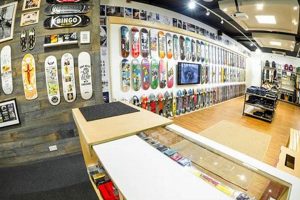
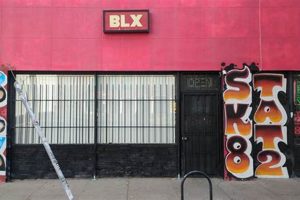
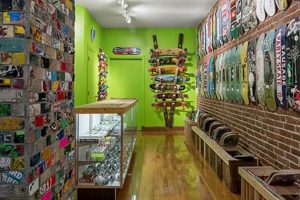
Establishments that offer equipment, apparel, and accessories for skateboarding are prevalent in a specific region of Southern California. These businesses cater to a demographic interested in the sport and lifestyle associated with skateboarding, offering products ranging from skateboards and related hardware to clothing and footwear designed for skateboarding activities.
The availability of these specialized retailers is critical to supporting the local skateboarding community. They provide access to quality equipment, expert advice, and a central point for skaters to connect and share their passion. The existence of these shops reflects a sustained interest and participation in skateboarding within the defined geographical area, contributing to the region’s cultural and economic landscape through specialized retail and related activities. The history of skateboarding in this region has influenced the development and growth of such businesses.
This article will detail the types of goods and services available, examine the role these retailers play in fostering the skateboarding community, and outline factors that influence customer choice when selecting where to purchase skateboarding-related items. Furthermore, the article will provide examples of specific locations, highlighting their unique offerings and contributions.
Optimal utilization of skateboarding retail options necessitates informed decisions and a clear understanding of available products and services. These establishments frequently offer valuable insights for both novice and experienced skaters.
Tip 1: Assess Skateboard Component Quality: Evaluate the durability and performance characteristics of decks, trucks, wheels, and bearings. Premium materials enhance longevity and overall skating experience. For instance, Canadian maple decks are generally more durable.
Tip 2: Prioritize Properly Fitted Footwear: Ensure skateboarding shoes provide adequate support, grip, and impact cushioning. Correct sizing prevents injury and enhances board feel. Consider brands recognized for their vulcanized soles and reinforced construction.
Tip 3: Invest in Protective Gear: Helmets, knee pads, elbow pads, and wrist guards are essential for safety. Select gear that meets industry safety standards (e.g., ASTM F1492 for helmets). Replace gear after significant impacts.
Tip 4: Seek Expert Advice: Engage with shop personnel regarding board setup, maintenance, and product recommendations. Their experience can guide optimal equipment selection based on skill level and skating style.
Tip 5: Understand Bearing Ratings: ABEC ratings indicate bearing precision. While higher ratings may suggest increased speed, durability and specific skating style requirements should also be considered.
Tip 6: Evaluate Wheel Durometer: Wheel durometer (hardness) impacts grip and ride smoothness. Softer wheels (lower durometer) provide better grip on rough surfaces, while harder wheels (higher durometer) are faster and ideal for smooth surfaces.
Tip 7: Regularly Maintain Equipment: Clean bearings, tighten trucks, and replace worn parts promptly to ensure optimal performance and safety. Routine maintenance extends the lifespan of skateboarding equipment.
These guidelines emphasize the importance of informed purchasing and diligent maintenance. By adhering to these principles, skateboarders can optimize their equipment and enhance their skating experience while mitigating risks.
This concludes the guidance section. The subsequent sections will explore the specific characteristics and notable establishments in the region.
1. Retail Location Proximity

The effectiveness of skateboarding retailers is significantly influenced by their geographical placement. Strategic location enhances visibility and accessibility, directly impacting customer traffic and revenue generation for such businesses within the defined region of Southern California.
- Accessibility to Skate Parks and Skate Spots
Proximity to recognized skateboarding locations, such as public skate parks or established street skating areas, offers immediate appeal. This positioning allows skateboarders to easily access retail options for immediate equipment needs or repairs during skating sessions. Shops located near such venues often experience higher foot traffic and impulse purchases. For instance, a shop adjacent to a popular skate park benefits from a consistent flow of potential customers.
- Residential Area Density
Placement within or near densely populated residential areas, particularly those with a significant youth demographic, provides a steady customer base. Local skateboarders are more likely to frequent shops that are easily accessible from their homes, fostering customer loyalty and repeat business. Shops in family-oriented neighborhoods often cater to younger skaters and their parents, offering a range of beginner-friendly equipment and safety gear.
- Transportation Infrastructure
Access to public transportation and convenient parking facilities influences accessibility for a wider customer base. Shops located near bus stops or train stations attract customers from surrounding areas, while ample parking accommodates those traveling by car. Limited transportation access can restrict the customer base, particularly for those without personal vehicles.
- Competitive Landscape
The density and distribution of competing skateboarding retailers influence market share. Areas with limited competition may offer a greater advantage, while highly saturated markets require differentiated offerings and targeted marketing strategies to attract customers. Proximity to competitors also influences pricing strategies and customer service standards.
Retail location proximity is therefore a critical factor in determining the success of skateboarding retailers. Strategic placement near skate parks, residential areas, and transportation hubs enhances accessibility and visibility, fostering customer traffic and supporting business growth. The competitive landscape also plays a crucial role, necessitating a nuanced approach to location strategy.
2. Product Variety/Availability

The scope of merchandise offered by skateboarding retailers in a defined Southern California region significantly impacts their appeal and viability. A comprehensive selection caters to a diverse clientele, supporting customer acquisition and fostering long-term engagement within the local skateboarding community.
- Skateboard Completes and Components
The availability of complete skateboards, along with individual components (decks, trucks, wheels, bearings, hardware, grip tape), is fundamental. A comprehensive stock allows customers to customize their setups based on skill level, preferred riding style, and budget. For instance, shops offering a wide range of deck sizes and concave depths cater to varied skater preferences. The absence of crucial components can deter customers seeking specific setups or replacements.
- Apparel and Footwear
Skateboarding-specific apparel and footwear, designed for durability, comfort, and board feel, are essential product categories. This includes shoes with reinforced construction and vulcanized soles, as well as clothing that offers freedom of movement and resistance to abrasion. The inclusion of brand-specific lines and collaborations caters to brand loyalty and fashion-conscious skateboarders. Limited apparel or footwear options can diminish a shop’s appeal as a one-stop destination.
- Protective Gear and Accessories
The provision of protective gear (helmets, knee pads, elbow pads, wrist guards) is crucial for promoting safety and responsible skateboarding. Accessories, such as skate tools, wax, and bearing lubricants, are necessary for board maintenance and upkeep. Shops prioritizing safety and offering a comprehensive range of accessories demonstrate a commitment to customer well-being and long-term skateboarding engagement. A lack of safety equipment can discourage new skaters or those seeking to upgrade their protection.
- Specialty Items and Niche Products
Offering specialty items, such as longboards, cruisers, old-school decks, or products catering to specific subcultures within skateboarding (e.g., downhill skateboarding), can attract niche markets and differentiate a retailer from competitors. The inclusion of lesser-known brands or hard-to-find items can also enhance a shop’s reputation among serious skateboarders. The absence of specialty items may limit a shop’s appeal to a broader range of skateboarding enthusiasts.
Product variety and availability are, therefore, critical determinants of a skateboarding retailer’s success in the aforementioned Southern California area. A comprehensive and diverse selection caters to a wider range of customer needs, enhances customer satisfaction, and fosters a thriving skateboarding community. The absence of key product categories can limit a shop’s appeal and impact its ability to compete effectively in the market. The stocking of components, apparel, protective gear and speciality items is very important.
3. Community Engagement Initiatives

Active participation in community-oriented programs constitutes a crucial aspect of successful skateboarding retailers in a Southern California area. These endeavors not only bolster brand image but also cultivate a loyal customer base and contribute to the overall growth and sustainability of the local skateboarding scene.
- Sponsorship of Local Skaters and Teams
Financial or in-kind support for local skateboarding talent fosters a symbiotic relationship. Sponsorships can range from providing equipment and apparel to covering competition entry fees or travel expenses. This support elevates the visibility of both the skater and the sponsoring shop, establishing the retailer as a key supporter of the skateboarding community. For instance, a shop sponsoring a local team creates brand visibility during competitions and strengthens community ties.
- Hosting Skateboarding Events and Competitions
Organizing or hosting skateboarding events, such as contests, demonstrations, or workshops, provides a platform for local skaters to showcase their skills and connect with fellow enthusiasts. These events attract spectators and participants alike, driving traffic to the sponsoring shop and generating positive publicity. A shop-sponsored “Go Skate Day” event exemplifies this engagement, fostering community spirit and promoting the sport.
- Partnerships with Local Schools and Community Organizations
Collaborating with educational institutions and community groups expands the reach of skateboarding retailers and introduces the sport to a wider audience. This can involve offering skateboarding lessons, donating equipment to school programs, or participating in community outreach initiatives. Such partnerships enhance the retailer’s reputation as a responsible and community-minded business. Participating in a school’s after-school program would exemplify this partnership.
- Support for Skate Park Development and Maintenance
Advocating for the construction or maintenance of local skate parks demonstrates a commitment to improving skateboarding infrastructure and providing safe spaces for skaters to practice. This can involve fundraising efforts, lobbying local government officials, or volunteering for skate park cleanup projects. Such efforts enhance the retailer’s credibility within the skateboarding community and contribute to the overall health of the sport. Shops contributing to the building of skate park ramps strengthens skateboarding culture.
The commitment of skateboarding retailers to community engagement initiatives is, therefore, inextricably linked to their long-term success and the vitality of the skateboarding culture in the aforementioned Southern California area. These initiatives not only promote the sport but also solidify the retailer’s position as a valued member of the community. Without these types of community supports the skateboarding environment would not flourish.
4. Expertise and Customer Service

The competency of staff and the quality of customer interaction represent critical differentiating factors for establishments that offer skateboarding-related goods and services in Orange County, California. The complex nature of skateboarding equipment, coupled with individual variations in skating styles and preferences, necessitates informed guidance. A lack of expertise can lead to inappropriate product selection, potentially compromising performance, safety, or both. For example, a novice skateboarder may require detailed explanations regarding deck size, wheel durometer, and truck height to optimize board control. Conversely, a seasoned skater may seek expert advice on specialized components for specific maneuvers or terrain. Superior customer service enhances the overall purchasing experience, fostering customer loyalty and positive word-of-mouth referrals.
The provision of expert advice extends beyond basic product knowledge. Proficient personnel are capable of assessing a customer’s skill level, identifying their specific needs, and recommending tailored solutions. This consultative approach builds trust and demonstrates a commitment to customer satisfaction. A skate shop employee demonstrating the proper installation of bearings or providing tips on maintaining equipment longevity provides tangible value, strengthening the customer-retailer relationship. This expertise contributes directly to the overall skateboarding experience, potentially mitigating injuries and enhancing skill development. The prevalence of skateboarding culture in the region amplifies the demand for informed and personalized service.
In summary, the interplay between expertise and customer service profoundly influences the success and reputation of skateboarding retailers operating in Orange County, California. The capacity to provide informed guidance, coupled with a commitment to customer satisfaction, distinguishes leading establishments from competitors. The complexities inherent in skateboarding equipment and the diverse needs of the skating community necessitate a customer-centric approach founded on expertise. These characteristics are of high significance in skate shops in Orange County, CA.
5. Local Skateboarding Culture
The established skateboarding culture of a defined Southern California region significantly influences the operational dynamics and overall relevance of skateboarding retailers in the area. This culture acts as both a consumer base and an ecosystem shaping the demand for specific products and the nature of services offered.
- Influence on Product Demand
Prevailing skateboarding styles and trends directly impact the types of products that are in demand. If a particular area is known for street skating, there will be a higher demand for durable decks, smaller wheels, and shoes designed for impact resistance. Conversely, an area known for transition skating will see a greater demand for wider decks, larger wheels, and protective gear. Local skateboard retailers must therefore adapt their product inventory to reflect the specific needs and preferences of the local skateboarding community. A shop stocking primarily longboards in an area dominated by street skaters would likely experience low sales.
- Shaping Skate Shop Identity
The local skateboarding culture influences the overall atmosphere and identity of skate shops. Shops that actively embrace and reflect the local scene often become gathering places for skaters. This can manifest in the form of displaying local artwork, hosting events featuring local skaters, or stocking products from local brands. Such shops often cultivate a strong sense of community, fostering customer loyalty and word-of-mouth referrals. A shop that regularly hosts local skate video premieres, for example, is more likely to be seen as an integral part of the skateboarding scene.
- Impact on Marketing Strategies
Effective marketing strategies for skateboarding retailers must be attuned to the nuances of the local skateboarding culture. Advertising campaigns that resonate with the local scene, featuring local skaters and highlighting local skate spots, are more likely to be successful. Retailers may also choose to sponsor local skateboarding events or contribute to the development of local skate parks, further solidifying their connection to the community. A marketing campaign featuring out-of-state skaters performing tricks in generic locations is unlikely to be as effective as one showcasing local talent at familiar skate spots.
- Role in Skill Development and Progression
Skateboarding retailers can play a role in supporting the skill development and progression of local skaters. This can involve offering workshops or lessons, providing access to skate tools and repair services, or simply creating a welcoming environment where skaters can share tips and advice. By actively contributing to the skill development of local skaters, retailers can foster a stronger and more vibrant skateboarding community, indirectly benefiting their own business. A shop offering free grip tape installation or providing a space for skaters to watch and learn from each other helps contribute to the local skateboarding scene.
In conclusion, the local skateboarding culture exerts a pervasive influence on skateboarding retailers in the area. Retailers who understand and embrace the local scene are more likely to thrive, while those who fail to connect with the local culture risk becoming irrelevant. By catering to the specific needs and preferences of the local skateboarding community, fostering a sense of community, and actively contributing to the development of local skaters, skateboarding retailers can establish themselves as integral parts of the local skateboarding landscape, and more specifically, the skate shops orange county ca landscape.
Frequently Asked Questions
The following section addresses common inquiries regarding skateboarding retail within a specific region of Southern California. These questions aim to provide clarity and accurate information regarding the function, operation, and selection criteria for skate shops in the area.
Question 1: What distinguishes a specialized skateboarding retailer from a general sporting goods store?
Specialized skateboarding retailers offer a curated selection of products catering specifically to skateboarding. This includes a greater variety of skateboard components, skateboarding-specific footwear and apparel, and expert advice from knowledgeable staff familiar with skateboarding culture and equipment. General sporting goods stores typically carry a broader range of products with a less focused selection of skateboarding-specific items.
Question 2: How does location impact the selection of a skate shop in Orange County?
Proximity to skate parks, residential areas with a high density of skateboarders, and transportation infrastructure are key locational factors. A shop conveniently located near these amenities offers greater accessibility and convenience for the target demographic.
Question 3: What factors should be considered when assessing the quality of a skateboard deck?
Material composition (e.g., Canadian maple), number of plies, concave shape, and overall construction quality are critical factors. Canadian maple is generally considered a durable and high-quality material. Deck size should also align with the skater’s height, shoe size, and skating style.
Question 4: Is protective gear truly necessary for skateboarding, even for experienced skaters?
Protective gear, including helmets, knee pads, elbow pads, and wrist guards, is strongly recommended for all skateboarders, regardless of skill level. Injuries can occur due to unforeseen circumstances or equipment malfunction. Protective gear mitigates the severity of potential injuries.
Question 5: How do skate shops contribute to the local skateboarding community?
Skate shops often support local skaters through sponsorships, host skateboarding events and competitions, partner with local schools and community organizations, and advocate for skate park development and maintenance. These activities foster a sense of community and promote the sport.
Question 6: What are the implications of purchasing skateboarding equipment online versus from a physical skate shop?
Purchasing from a physical skate shop allows for hands-on evaluation of products, personalized advice from experienced staff, and immediate access to equipment. Online retailers may offer lower prices or a wider selection, but lack the benefits of in-person interaction and expert guidance.
These FAQs provide essential information for navigating the landscape of skateboarding retail in Orange County, California. Informed decision-making is crucial for selecting appropriate equipment and supporting the local skateboarding community.
The subsequent section offers a concluding summary of key findings.
Concluding Observations on Skate Shops Orange County CA
The preceding exploration of skateboarding retailers in Orange County, California, reveals a complex ecosystem shaped by product variety, community engagement, and the prevailing skateboarding culture. Strategic retail location, coupled with knowledgeable customer service, is crucial for attracting and retaining a diverse clientele. The commitment of these establishments to supporting local skaters and contributing to skate park infrastructure underscores their importance beyond mere commerce.
The sustained viability of skate shops in this region hinges on their ability to adapt to evolving skateboarding trends and foster a strong sense of community. Continued investment in local talent, coupled with a dedication to providing expert guidance, will ensure that these retailers remain integral to the Orange County skateboarding landscape. Further research into the economic impact of these businesses and their role in promoting youth activity is warranted.
![Your Guide to Skate Shops in San Jose CA - [Year] | Learn to Surf & Skate: A Beginner's Step-by-Step Guide](https://universitysurfandskate.com/wp-content/uploads/2026/04/th-506-300x200.jpg "Your Guide to Skate Shops in San Jose CA - [Year] Learn to Surf & Skate: A Beginner's Step-by-Step Guide")