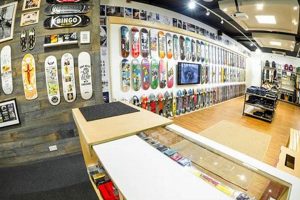
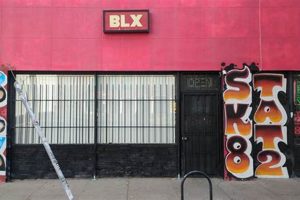
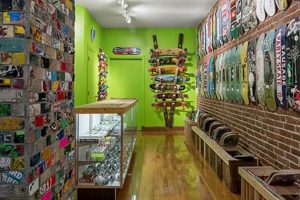
This establishment serves as a retail outlet specializing in equipment and apparel for skateboarding. It provides a range of products, including skateboards, shoes, protective gear such as helmets and pads, and related accessories. For example, a customer might visit to purchase a complete skateboard setup, replace worn-out wheels, or acquire skateboarding-specific footwear.
Such businesses play a vital role in supporting the local skateboarding community by offering access to necessary equipment and serving as a hub for skaters to connect. Historically, these specialized stores have often been instrumental in fostering the growth of skateboarding culture within their respective regions, providing not only products but also advice and support for both novice and experienced skaters.
The following discussion will delve into various aspects of this type of retail operation, exploring topics such as inventory management, customer service strategies, and the impact of online sales on brick-and-mortar businesses within the skateboarding industry.
Skateboarding Equipment and Maintenance Tips
The following guidelines aim to enhance the performance and longevity of skateboarding equipment through informed selection and consistent maintenance practices.
Tip 1: Deck Selection: Choose a deck appropriate for intended use. Street skating often necessitates a narrower deck for maneuverability, while transition skating may benefit from a wider deck for stability.
Tip 2: Truck Tightness: Adjust truck tightness to match preferred riding style. Looser trucks allow for easier turning, while tighter trucks provide greater stability at higher speeds.
Tip 3: Wheel Hardness: Select wheel durometer based on skating surface. Softer wheels offer better grip on rough surfaces, while harder wheels provide greater speed and slide capability on smooth surfaces.
Tip 4: Bearing Maintenance: Regularly clean and lubricate bearings to minimize friction and maximize speed. Use a solvent to remove dirt and grime, followed by a lubricant designed for skateboard bearings.
Tip 5: Hardware Inspection: Periodically inspect all nuts and bolts to ensure they are securely tightened. Loose hardware can lead to instability and potential equipment failure.
Tip 6: Protective Gear Usage: Always wear appropriate protective gear, including a helmet, knee pads, and elbow pads, to minimize the risk of injury.
Tip 7: Grip Tape Condition: Maintain grip tape in good condition. Worn grip tape reduces traction and control. Replace grip tape as needed.
Adherence to these recommendations can contribute to an improved skateboarding experience, extending the lifespan of equipment and enhancing overall safety.
The subsequent sections will explore more advanced topics relating to skateboarding equipment and techniques.
1. Equipment Availability

Equipment availability is a critical determinant of the success and relevance of any establishment operating under the designation of “Smokey’s Skate Shop.” The direct correlation between the breadth and depth of inventory and the ability to meet customer demand is undeniable. A lack of sufficient stock, particularly in popular sizes or models, can lead to lost sales and a damaged reputation within the skateboarding community. For instance, if a skater requires a specific deck size or wheel durometer for an upcoming competition and “Smokey’s Skate Shop” is unable to provide it, the customer will likely seek alternatives, potentially establishing a relationship with a competing business.
Maintaining an adequate level of equipment availability requires proactive inventory management, including accurate forecasting of demand, strategic partnerships with suppliers, and efficient warehousing and logistics processes. “Smokey’s Skate Shop” must carefully monitor sales trends, seasonal fluctuations, and emerging product innovations to ensure that its inventory remains relevant and responsive to the evolving needs of its customer base. Furthermore, the shop’s ability to offer a diverse range of products across different price points enables it to cater to both novice and experienced skaters, thereby broadening its market reach.
In conclusion, equipment availability is not merely a logistical consideration for “Smokey’s Skate Shop” but rather a fundamental pillar upon which its viability rests. Addressing the challenges associated with maintaining optimal inventory levels requires a strategic, data-driven approach that prioritizes customer satisfaction and fosters long-term loyalty within the skateboarding community. The capacity to consistently meet the equipment needs of skaters is inextricably linked to the shop’s reputation, profitability, and overall sustainability.
2. Community Engagement
Community engagement represents a vital component of the operational ecosystem for any retail entity, particularly one such as “Smokey’s Skate Shop” that caters to a specific subculture. The extent and quality of community involvement can significantly influence brand loyalty, customer acquisition, and overall business longevity. This relationship extends beyond simple transactions to encompass shared experiences and mutual support within the skateboarding community.
- Sponsorship of Local Events
Sponsoring local skateboarding competitions, demonstrations, or workshops directly supports the growth of the skateboarding community. “Smokey’s Skate Shop” can provide financial resources, equipment, or personnel to assist in the organization and execution of these events. This involvement enhances brand visibility, fosters goodwill, and strengthens the shop’s connection to the local skateboarding scene. A practical example involves providing prizes or support for “best trick” contests at local skate parks.
- Partnerships with Skate Parks and Organizations
Collaborating with skate parks and local skateboarding organizations enables “Smokey’s Skate Shop” to contribute to the development and maintenance of skateboarding facilities and programs. This could involve donating equipment, assisting with park maintenance, or offering skateboarding lessons or clinics. Such partnerships demonstrate a commitment to the long-term health and sustainability of the skateboarding community, thereby reinforcing the shop’s position as a key stakeholder.
- Hosting Workshops and Demonstrations
Organizing skateboarding workshops and demonstrations at “Smokey’s Skate Shop” or at local skate parks provides opportunities for skaters of all skill levels to learn new tricks, improve their technique, and connect with other members of the community. These events can feature experienced skaters or brand representatives who can share their expertise and promote new products. These educational activities serve as a valuable service to the community, further solidifying the shop’s reputation as a hub for skateboarding knowledge and innovation.
- Supporting Local Skaters
Providing support to local skateboarders, whether through sponsorships, equipment discounts, or simply offering encouragement and advice, is crucial for fostering a sense of community. “Smokey’s Skate Shop” can help local skaters gain exposure by featuring their videos or photos on its social media channels or by sponsoring their participation in regional or national competitions. This support can help to nurture emerging talent and strengthen the shop’s ties to the most influential members of the skateboarding community.
In conclusion, community engagement is not merely a marketing tactic for “Smokey’s Skate Shop,” but a strategic imperative. By actively investing in the skateboarding community through sponsorships, partnerships, workshops, and individual support, the shop can cultivate a loyal customer base, enhance its brand image, and contribute to the overall growth and vitality of the skateboarding culture in its local area. The success of “Smokey’s Skate Shop” is intrinsically linked to the well-being and prosperity of the community it serves.
3. Skateboarding Expertise

Skateboarding expertise functions as a core competency within “Smokey’s Skate Shop,” significantly influencing its operational effectiveness and customer perception. The level of knowledge possessed by the shop’s personnel directly impacts its ability to provide informed recommendations, accurate product assessments, and competent technical support to its clientele. For instance, a staff member with extensive skateboarding experience can accurately assess a customer’s skill level and riding style to recommend an appropriate skateboard setup, including deck size, truck specifications, and wheel durometer. This tailored advice contributes to customer satisfaction and enhances the likelihood of repeat business.
Furthermore, skateboarding expertise enables “Smokey’s Skate Shop” to differentiate itself from general sporting goods retailers by offering specialized services, such as custom skateboard assembly, truck tuning, and bearing maintenance. These services not only generate additional revenue streams but also solidify the shop’s reputation as a trusted resource within the skateboarding community. Consider the example of a customer seeking to optimize their board’s performance for a specific type of terrain; a knowledgeable staff member can provide insights into truck bushing selection, wheel bearing lubrication, and grip tape application techniques, thereby enhancing the customer’s overall skateboarding experience. The absence of such expertise relegates the shop to a mere purveyor of goods, diminishing its value proposition and undermining its competitive advantage.
In summary, skateboarding expertise is not merely an ancillary attribute of “Smokey’s Skate Shop” but rather a foundational element that shapes its service offering, customer relationships, and long-term sustainability. The shop’s capacity to provide knowledgeable guidance and specialized services directly correlates with its ability to attract and retain customers, foster community engagement, and establish itself as a recognized authority within the skateboarding landscape. Challenges related to maintaining a high level of expertise include ongoing staff training, staying abreast of emerging product innovations, and adapting to evolving skateboarding trends. Addressing these challenges is crucial for ensuring that “Smokey’s Skate Shop” remains a relevant and valuable resource for skateboarders of all skill levels.
4. Product Quality

Product quality is a foundational element influencing the viability and reputation of any retail establishment, especially “Smokey’s Skate Shop.” The provision of durable, well-manufactured skateboarding equipment directly impacts customer satisfaction, safety, and the shop’s long-term success. Inferior products can lead to equipment failure, potential injuries, and a decline in customer trust. Conversely, offering high-quality skateboards, components, and protective gear fosters customer loyalty and enhances the shop’s standing within the skateboarding community. For example, selling a deck constructed from substandard materials that delaminates prematurely will likely result in customer dissatisfaction and negative word-of-mouth, while providing a helmet that effectively absorbs impact in a fall can prevent serious injury and reinforce the shop’s commitment to safety and quality.
Selection criteria for inventory at “Smokey’s Skate Shop” must prioritize proven durability, adherence to industry safety standards, and positive user feedback. This necessitates careful vetting of suppliers, rigorous product testing, and ongoing monitoring of customer reviews. Offering products from reputable brands known for their commitment to quality is a crucial strategy. Furthermore, clear communication regarding product specifications, warranties, and proper usage guidelines can mitigate potential issues and enhance customer understanding. Consider the practical application of offering a complete skateboard setup with detailed information on weight limits, recommended terrain, and maintenance procedures; this approach minimizes the risk of misuse and contributes to customer satisfaction.
In summary, product quality is not merely a desirable attribute for “Smokey’s Skate Shop” but an essential determinant of its success and sustainability. Challenges related to maintaining high product standards include combating counterfeit products, managing supply chain complexities, and adapting to evolving industry innovations. Addressing these challenges requires a proactive, customer-centric approach that prioritizes the provision of safe, reliable, and high-performing skateboarding equipment. The reputation and longevity of “Smokey’s Skate Shop” are inextricably linked to the quality of the products it offers.
5. Local Reputation

The perception of “Smokey’s Skate Shop” within its geographic area significantly influences its long-term viability and commercial success. A positive local reputation generates customer loyalty, attracts new clientele, and fosters a sustainable business model. Conversely, a negative reputation can lead to declining sales and potential closure. Therefore, understanding the factors that contribute to, and detract from, a favorable local reputation is crucial for the shop’s operational strategy.
- Customer Service Excellence
The quality of customer service directly impacts the formation of a local reputation. Courteous, knowledgeable, and responsive interactions with customers foster positive impressions and encourage repeat business. “Smokey’s Skate Shop” can cultivate this excellence by providing comprehensive product training for its staff, implementing efficient customer feedback mechanisms, and proactively addressing customer complaints. A tangible example includes promptly resolving issues related to defective merchandise or providing expert advice on skateboard maintenance. Neglecting customer service, conversely, leads to dissatisfaction and negative word-of-mouth.
- Community Involvement and Support
Active participation in local community events strengthens the connection between “Smokey’s Skate Shop” and its clientele. Sponsoring skateboarding competitions, donating equipment to local schools, or supporting charitable initiatives demonstrate a commitment to the well-being of the community. These actions enhance the shop’s visibility and generate goodwill among residents. Failure to engage with the community can result in a perception of detachment or disinterest, ultimately damaging the shop’s reputation.
- Product Quality and Reliability
The consistent provision of high-quality and reliable skateboarding equipment is fundamental to building a positive local reputation. Offering durable skateboards, components, and protective gear that meet or exceed customer expectations reinforces the shop’s commitment to excellence. Conversely, selling substandard products or misrepresenting product specifications erodes customer trust and tarnishes the shop’s image. For example, carrying reputable brands known for their quality craftsmanship instills confidence in customers and reinforces the perception of “Smokey’s Skate Shop” as a reliable source for skateboarding equipment.
- Ethical Business Practices
Adherence to ethical business practices, including fair pricing, transparent policies, and responsible advertising, contributes significantly to a positive local reputation. “Smokey’s Skate Shop” can demonstrate its commitment to ethical conduct by providing clear and accurate product information, honoring warranties, and avoiding deceptive marketing tactics. This approach fosters trust and strengthens the shop’s credibility within the community. Conversely, engaging in unethical practices, such as price gouging or misleading customers, can severely damage the shop’s reputation and lead to legal repercussions.
These elements, when combined effectively, contribute to a robust and positive local reputation for “Smokey’s Skate Shop.” By prioritizing customer service, community involvement, product quality, and ethical business practices, the shop can cultivate a strong brand image and ensure its long-term success within the competitive skateboarding market. Sustained effort in these areas is essential for maintaining customer loyalty, attracting new business, and fostering a thriving skateboarding community.
Frequently Asked Questions Regarding Skateboarding Equipment
The following section addresses common inquiries concerning skateboarding equipment selection, maintenance, and safety protocols. These questions aim to provide clarity and informed guidance for both novice and experienced skateboarders.
Question 1: What constitutes an appropriate skateboard deck size for a beginner?
Deck size selection depends upon foot size and intended use. Generally, a deck width between 7.75 and 8.25 inches is suitable for beginners. Smaller decks are typically more maneuverable, while larger decks offer greater stability.
Question 2: How frequently should skateboard bearings be cleaned and lubricated?
Bearing maintenance frequency is contingent upon usage and environmental conditions. Under normal circumstances, cleaning and lubrication are recommended every 2-4 weeks. Exposure to water, dirt, or sand necessitates more frequent maintenance.
Question 3: What is the function of truck bushings and how does their durometer affect performance?
Truck bushings provide resistance to turning and influence the board’s responsiveness. Softer bushings allow for easier turning at lower speeds, while harder bushings offer greater stability at higher speeds. Durometer, measured in A-scale, indicates bushing hardness. Lower durometer values correspond to softer bushings.
Question 4: What safety equipment is considered essential for skateboarding?
Mandatory safety equipment includes a properly fitted helmet certified by a recognized safety standards organization, such as ASTM or CPSC. Knee pads and elbow pads are strongly recommended, particularly for beginners and those attempting advanced maneuvers.
Question 5: How does wheel durometer affect grip and speed on different surfaces?
Wheel durometer impacts grip and speed based on surface conditions. Softer wheels (lower durometer) provide greater grip on rough surfaces but may offer lower speeds. Harder wheels (higher durometer) excel on smooth surfaces, delivering greater speed and slide capability. Selection should align with the skater’s preferred riding environment.
Question 6: What are common indicators that a skateboard deck requires replacement?
Indicators of deck replacement include delamination (separation of wood layers), significant cracking, or loss of pop (reduced springiness). The presence of these issues compromises the deck’s structural integrity and reduces its performance capabilities.
Adherence to these guidelines can promote safer and more enjoyable skateboarding experiences. Understanding the nuances of equipment selection and maintenance is paramount for both novice and experienced skaters.
The following section will delve into more advanced topics related to skateboarding techniques and strategies.
Concluding Remarks on Smokey’s Skate Shop
This exploration has underscored that the success of “Smokey’s Skate Shop”, or any similar establishment, hinges on several interdependent factors. Equipment availability, community engagement, skateboarding expertise, product quality, and local reputation are not merely independent elements but rather interconnected facets of a comprehensive business strategy. A deficiency in any of these areas can significantly undermine the overall performance and sustainability of the enterprise. Specifically, a lack of equipment availability frustrates customers and drives them to competitors, while a failure to engage with the local skateboarding community alienates a key demographic. Insufficient skateboarding expertise among staff members diminishes credibility, and the provision of substandard products erodes customer trust. A negative local reputation, stemming from any of these shortcomings, can ultimately lead to business failure.
The continued viability of “Smokey’s Skate Shop” is contingent upon a commitment to excellence in all aspects of its operation. Maintaining this commitment requires ongoing adaptation to evolving market conditions, proactive engagement with the skateboarding community, and a steadfast dedication to providing high-quality products and services. Future success will be determined by the shop’s ability to not only meet the current needs of its customers but also to anticipate and adapt to the changing demands of the skateboarding landscape. The challenges are significant, but the potential rewards, in terms of sustained profitability and community impact, are substantial.
![Your Guide to Skate Shops in San Jose CA - [Year] | Learn to Surf & Skate: A Beginner's Step-by-Step Guide](https://universitysurfandskate.com/wp-content/uploads/2026/04/th-506-300x200.jpg "Your Guide to Skate Shops in San Jose CA - [Year] Learn to Surf & Skate: A Beginner's Step-by-Step Guide")