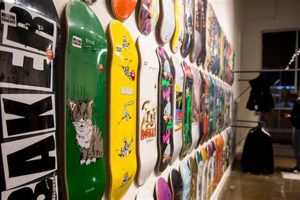
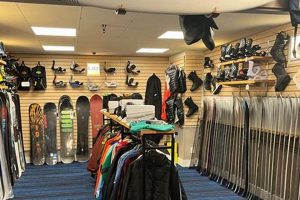
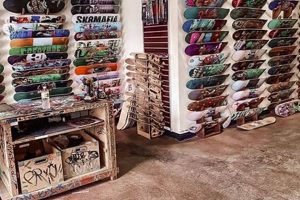
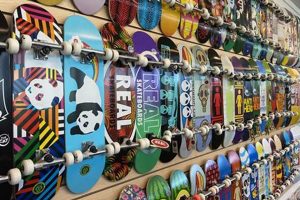
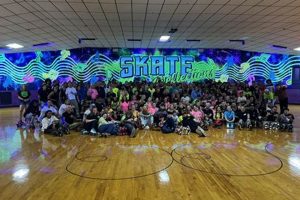
A local establishment dedicated to skateboarding constitutes a crucial resource for practitioners of the sport within a specific community. Such a business typically offers a range of skateboarding-related products, including boards, components, apparel, and protective gear. Furthermore, these entities often serve as community hubs, providing spaces for skaters to congregate, exchange knowledge, and foster a sense of belonging.
The presence of a dedicated skateboarding outlet can significantly impact the local skateboarding scene. It ensures access to necessary equipment, supports the development of skills, and provides a venue for community interaction. Historically, these places have been instrumental in shaping skateboarding culture and promoting its growth at the grassroots level, often sponsoring local events and supporting aspiring skaters.
The subsequent sections will delve into specific aspects of supporting local businesses catering to this sport, examining the range of products and services they provide, and highlighting their contribution to the community’s recreational landscape. This exploration aims to underscore the significance of these establishments in fostering a thriving skateboarding ecosystem.
Expert Advice from a Local Skateboarding Retailer
The following tips are presented to enhance the skateboarding experience, optimize performance, and ensure safety. This information is provided by an established skateboarding outfitter familiar with the needs of riders in this region.
Tip 1: Prioritize Safety Equipment: A helmet is non-negotiable. Knee and elbow pads are highly recommended, especially for beginners. Wrist guards can prevent common injuries. Consistent use of protective gear minimizes the risk of serious harm.
Tip 2: Select the Correct Board: Consider board size and shape based on skill level and intended riding style. Wider boards offer greater stability, while narrower boards are more maneuverable. Consult with skateboarding professionals for personalized recommendations.
Tip 3: Regularly Inspect Equipment: Before each session, examine the board for loose trucks, worn wheels, and deck cracks. Address any issues promptly to prevent accidents and ensure optimal performance. Maintaining equipment extends its lifespan and enhances safety.
Tip 4: Master Fundamental Skills: Begin with basic maneuvers such as pushing, balancing, and controlled stopping. Progress gradually to more complex tricks only after establishing a solid foundation. Rushing the learning process increases the risk of injury.
Tip 5: Choose Appropriate Skateboarding Environments: Start in smooth, flat areas away from traffic and obstacles. As skills improve, gradually transition to skate parks and street environments. Avoid skateboarding in areas where it is prohibited or unsafe.
Tip 6: Understand Terrain: Be aware of all hazards to ensure safe passage for everyone. Avoid slippery, cracked, or uneven services in your ride.
Tip 7: Stay Hydrated and Rest: Skateboarding is physically demanding. Drink plenty of water before, during, and after sessions to prevent dehydration. Take breaks as needed to avoid fatigue and maintain focus. Adequate hydration and rest are crucial for optimal performance and injury prevention.
Adhering to these guidelines promotes a safer and more enjoyable skateboarding experience. The knowledge and resources available from a specialized skateboarding business can be invaluable in achieving skateboarding goals.
The subsequent sections will provide further insights into advanced techniques, equipment customization, and the broader skateboarding community.
1. Equipment and Apparel

The provision of skateboarding-related equipment and apparel forms the cornerstone of a local skateboarding business, dictating its ability to serve the needs of its clientele and contribute to the local skateboarding culture. The availability of a comprehensive selection, coupled with expert guidance, directly impacts the community’s access to quality goods.
- Skateboards and Components
Skateboards, comprising decks, trucks, wheels, bearings, and hardware, are the primary product offering. Quality and variety are crucial. A local skate shop stocks boards suited for different skill levels and riding styles, ensuring beginners and experienced skaters find suitable equipment. This encompasses complete setups and individual components for customization and repairs. The stock will enable the skateboarding shop to service a very wide community for their skateboarding needs.
- Protective Gear
Helmets, knee pads, elbow pads, wrist guards, and mouthguards are essential for safety. A local establishment offers a range of sizes and styles from reputable brands. Emphasizing the importance of protection, staff assist customers in selecting properly fitting gear. This facet helps minimize the risk of injury and promotes responsible skateboarding practices.
- Footwear
Skateboarding shoes are engineered for durability, grip, and board feel. Local shops typically carry a selection of skate-specific footwear from established brands known for their quality and performance. Staff can advise on shoe features and fit, catering to individual preferences and requirements. The right kind of footwear can enable safety.
- Apparel and Accessories
Beyond functional items, clothing and accessories reflect skateboarding culture. T-shirts, hoodies, pants, hats, and bags featuring brand logos and skateboarding-related designs contribute to the aesthetic. These items help foster a sense of identity and community among skaters. These items enable the skateboarding community to connect to each other.
The selection and quality of equipment and apparel directly correlate with the success and reputation of a local skateboarding business. By offering a diverse range of products and providing informed guidance, these establishments serve as vital resources for skaters of all levels, contributing to the growth and vibrancy of the local skateboarding scene. This emphasis on quality products directly contributes to the sustainability of the sport within the community.
2. Community Engagement
A local skateboarding retail outlet often functions as more than a commercial entity; it serves as a central hub for the skateboarding community. Active engagement fosters a symbiotic relationship, benefiting both the business and its constituents.
- Sponsorship of Local Skaters
Direct financial or material support for local skaters elevates individual talent and promotes the sport. This may include providing equipment, covering competition entry fees, or funding travel to events. Such patronage fosters loyalty and solidifies the outlet’s position as a supporter of local talent, thereby encouraging aspiring skaters and enhancing visibility within the community.
- Hosting Skateboarding Events and Competitions
Organizing events, from casual gatherings to formal competitions, provides opportunities for skaters to showcase their skills and connect with peers. These events draw spectators, generating revenue for the shop and promoting skateboarding culture within the broader community. Active participation in event coordination positions the business as a central figure within the skateboarding landscape.
- Collaboration with Local Skate Parks
Partnerships with skate parks enable shared initiatives such as park maintenance, skill workshops, and equipment demonstrations. This collaborative approach improves the quality of local skating facilities and promotes safe skateboarding practices. Such engagement underscores the shop’s commitment to the overall well-being of the community’s skateboarding infrastructure.
- Educational Workshops and Skill Development
Offering workshops on skateboarding fundamentals, equipment maintenance, and safety protocols provides valuable learning opportunities. These sessions cater to various skill levels, fostering inclusivity and promoting the responsible practice of skateboarding. By equipping individuals with the knowledge and skills to progress safely, the shop contributes to the sustainable growth of the local skateboarding scene.
These diverse forms of engagement collectively reinforce the crucial role played by a local skateboarding retailer in nurturing the skateboarding community. Through consistent support, active involvement, and educational initiatives, the business strengthens its ties with its clientele and contributes to the overall vibrancy of the local skateboarding culture. The presence of an actively engaged retailer has a significant positive influence on the trajectory and quality of skateboarding within its locale.
3. Expert Product Knowledge

Expert product knowledge serves as a critical differentiator for a local skateboarding business. It directly impacts customer satisfaction, loyalty, and the overall perception of the establishment within the skateboarding community. Unlike general sporting goods retailers, dedicated skateboarding outlets possess specialized understanding of skateboarding equipment, components, and apparel. This expertise allows staff to provide informed recommendations tailored to individual skill levels, riding styles, and specific needs. For example, a novice skater might seek guidance on selecting a suitable skateboard deck size and wheel durometer, while an experienced skater could require advice on optimizing truck performance for specific tricks. The ability to address these varying needs with accuracy and clarity establishes credibility and fosters trust.
The practical significance of expert product knowledge extends beyond simple sales transactions. It enables staff to diagnose equipment issues, offer repair advice, and guide customers on proper maintenance procedures. A skater experiencing wheel slippage might consult the retailer for suggestions on bearing upgrades or wheel replacements. Furthermore, knowledgeable staff can educate customers on the latest skateboarding technology, such as advancements in deck construction or truck designs. This consultative approach transforms the retail experience into a valuable learning opportunity, empowering skaters to make informed decisions and enhance their performance. The lack of such expertise can lead to customer dissatisfaction and potentially unsafe equipment choices.
In summary, expert product knowledge is an indispensable component of a thriving local skateboarding business. It drives customer loyalty, facilitates informed purchasing decisions, and fosters a sense of community. Challenges arise in maintaining this expertise, requiring ongoing staff training and staying abreast of industry advancements. However, the benefits far outweigh the costs, solidifying the business as a trusted resource and contributing to the overall health and growth of the local skateboarding scene. Ultimately, this specialized understanding is fundamental to the success and sustainability of the enterprise.
4. Skateboarding Culture Hub

A skateboarding business acts as a nucleus for its local culture, offering more than retail transactions. It becomes a place for skaters to meet, share, and grow. A successful skateboarding business promotes a sense of community through its activities, physical space, and employee interactions. These interactions cultivate shared identity and collective experiences.
Consider a hypothetical example: “The Grind Shop” supports the local culture by hosting weekly skate meetups, displaying local skate photography, and playing local bands in-store. These initiatives generate a sense of ownership and pride among local skaters, transforming the store into more than just a place of commerce. This sense of belonging becomes a significant factor in skaters frequenting that location. Regular events, whether video screenings, product launches, or casual sessions, foster consistent interaction.
In summation, the function of a business as a culture hub is intrinsically linked to its engagement. Failure to cultivate a local community can undermine the business’s long-term viability, demonstrating the crucial role of these retail locations in forming a local scene. An authentic culture hub creates a feedback loop that supports skaters and reinforces a deep, ongoing relationship between the establishment and its local community.
5. Skills and Event Promotion

The promotion of skateboarding skills and related events is integral to the function and sustainability of a local skateboarding establishment. Active participation in these areas reinforces its position within the community and contributes to the growth of the sport.
- Skill Workshops and Demonstrations
The provision of workshops focusing on fundamental techniques, advanced maneuvers, and safety protocols directly addresses the learning needs of skaters at various skill levels. Demonstrations showcase skill potential and can generate enthusiasm. For example, a retailer might host a workshop on ollie techniques followed by a demonstration of advanced aerial tricks. This enhances both skill development and product awareness, leading to potential equipment sales.
- Local Skateboarding Competitions
Organizing or sponsoring local competitions fosters a competitive spirit and provides a platform for skaters to showcase their abilities. These events attract participants and spectators, generating revenue for the retailer and promoting skateboarding culture. An example would be a “Best Trick” contest sponsored by the shop, with prizes including equipment and store credit. This incentivizes participation and raises the retailer’s profile.
- Community Skateboarding Events
Events such as group skate sessions, park clean-ups, and skateboarding-themed festivals foster a sense of community and promote positive engagement with the sport. These events can be organized independently or in collaboration with local skate parks and community organizations. A retailer could organize a “Skate Day” event featuring a community skate session, equipment demonstrations, and skateboarding-related activities. This strengthens community ties and enhances the retailer’s reputation.
- Online Promotion and Social Media Engagement
Utilizing online platforms to promote skateboarding skills and events expands reach beyond the local community. Social media channels, websites, and online forums can be used to share instructional videos, event announcements, and skateboarding-related content. This strategy can attract new customers and solidify the retailer’s position as a source of information and inspiration.
Through strategic skills and event promotion, local skateboarding establishments cultivate a thriving skateboarding community, foster skill development, and enhance their visibility within the local landscape. This synergistic approach contributes to the sustainability of both the business and the sport, underlining the significance of these initiatives.
Frequently Asked Questions
This section addresses common inquiries concerning the function, offerings, and significance of skateboarding retail outlets. The provided information aims to clarify misconceptions and provide a comprehensive understanding of these community assets.
Question 1: Why choose a dedicated skateboarding retailer over a general sporting goods store?
Dedicated skateboarding outlets possess specialized knowledge of equipment, components, and apparel, enabling informed guidance tailored to specific needs and skill levels. General sporting goods stores lack this focused expertise, potentially leading to suboptimal purchasing decisions.
Question 2: What is the role of a local skateboarding shop within the community?
Beyond retail transactions, these establishments serve as hubs for skateboarding culture, fostering community through events, sponsorships, and the provision of skateboarding-specific knowledge. This extends beyond basic retail functions.
Question 3: How can skateboarding equipment impact performance and safety?
Properly fitted and well-maintained equipment is crucial for both performance and safety. A dedicated retailer can assess individual needs and provide recommendations that minimize the risk of injury and enhance skateboarding abilities. The quality of equipment impacts skateboarding directly.
Question 4: What are the long-term benefits of supporting a local skateboarding business?
Supporting local outlets contributes to the sustainability of the local skateboarding scene, funding community events, supporting local skaters, and fostering a vibrant skateboarding culture. Economic support of the shop directly benefits the local community.
Question 5: How can one identify a reputable skateboarding retailer?
A reputable retailer demonstrates extensive product knowledge, actively engages with the local skateboarding community, and prioritizes customer safety and satisfaction. These attributes are indicators of the establishment’s commitment to the sport.
Question 6: What is the importance of maintaining skateboarding equipment?
Regular maintenance ensures optimal performance and extends the lifespan of skateboarding equipment. A dedicated retailer can provide guidance on proper maintenance procedures and offer repair services, preserving investment.
In conclusion, skateboarding retail locations serve various functions critical to their local community, ensuring access to equipment, community growth, and safe sport conduct. These resources are critical for skateboarders in any region.
The subsequent section will explore the economic impact of supporting local businesses involved in skateboarding.
Conclusion
This exploration has delineated the multifaceted role of the resident skate shop within its respective community. From providing essential equipment and expert advice to fostering local talent and cultivating skateboarding culture, these establishments function as vital components of a thriving recreational ecosystem. The analysis has emphasized the importance of specialized knowledge, community engagement, and active promotion in ensuring their continued relevance and success.
The sustained health of the skateboarding scene hinges, in part, upon the patronage and support afforded to these local businesses. Recognizing their significance is crucial for skaters and the broader community alike. Continued investment in resident skate shops will ensure the enduring vibrancy and growth of skateboarding in the region for years to come.