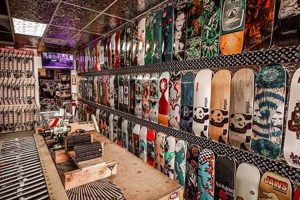
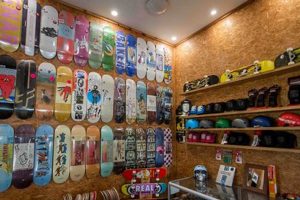
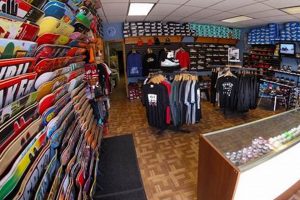
A retail establishment specializing in equipment and apparel related to skateboarding. These stores typically offer a variety of skateboards, components such as decks, trucks, wheels, and bearings, as well as protective gear like helmets, pads, and shoes designed for skateboarding. Many also stock clothing brands popular within the skateboarding community.
Such establishments serve as vital hubs for skateboarding culture. They provide access to essential equipment, expert advice, and often function as meeting places for local skaters. Historically, these stores have played a crucial role in the growth and evolution of skateboarding, fostering community and supporting local scenes. Access to quality equipment and knowledgeable staff can significantly impact a skateboarder’s progression and safety.
With a foundational understanding established, subsequent sections will delve into specific aspects of selecting the right equipment, maintaining skateboards, and exploring the broader skateboarding landscape, covering topics such as different skateboarding styles and relevant safety considerations.
Expert Guidance
The following recommendations, derived from seasoned professionals in the skateboarding retail sector, are intended to improve the overall skateboarding experience through informed equipment selection and best practices.
Tip 1: Equipment Assessment. Prior to any purchase, rigorously assess the skateboarder’s skill level, intended use (street, park, vert), and physical attributes. This ensures that the chosen board configuration aligns with the user’s specific needs.
Tip 2: Component Quality. Invest in high-quality components. Durable decks, reliable trucks, and precision bearings significantly enhance performance and longevity. Compromising on quality can lead to premature wear and potential safety hazards.
Tip 3: Wheel Selection. Select appropriate wheel durometer (hardness) based on the intended riding surface. Softer wheels provide better grip on rough surfaces, while harder wheels offer increased speed and slide capabilities on smoother surfaces.
Tip 4: Footwear Considerations. Employ skate-specific shoes. These shoes typically feature reinforced construction, durable outsoles, and cushioned insoles to withstand the demands of skateboarding. They also provide superior board feel and grip.
Tip 5: Protective Gear. Prioritize safety by consistently wearing appropriate protective gear. Helmets, knee pads, elbow pads, and wrist guards are essential for minimizing the risk of injury, particularly for beginner and intermediate skateboarders.
Tip 6: Deck Maintenance. Regularly inspect decks for signs of wear and tear, such as cracks or delamination. Damaged decks can compromise stability and increase the risk of breakage, leading to potential accidents. Timely replacement is crucial.
Tip 7: Bearing Maintenance. Clean and lubricate bearings periodically to maintain optimal performance. Dirty or dry bearings can significantly reduce speed and efficiency. Specialized bearing cleaning kits are available for this purpose.
The consistent application of these guidelines will contribute to improved performance, enhanced safety, and extended equipment lifespan, ultimately maximizing the enjoyment and benefits derived from the skateboarding activity.
The subsequent sections will elaborate on specific techniques, safety protocols, and emerging trends within the skateboarding landscape, providing a comprehensive resource for both novice and experienced skateboarders.
1. Selection availability

Selection availability constitutes a critical determinant of a skateboarding retail establishment’s overall value and appeal. The range of products offered directly impacts the store’s ability to cater to a diverse clientele, from novice riders seeking entry-level equipment to seasoned professionals requiring specialized components.
- Equipment Diversity
Equipment diversity encompasses the breadth of skateboarding hardware available, including decks of varying sizes and constructions, trucks with different geometries, wheels of diverse durometers and profiles, and bearings of varying precision grades. This variety allows customers to fine-tune their setups to match their specific riding styles and preferences. The lack of adequate equipment diversity limits the ability of “this skate shop” to meet the nuanced demands of the skateboarding community.
- Apparel and Footwear Range
The range of apparel and footwear stocked within the shop indicates its commitment to catering to the complete skateboarding lifestyle. Skate-specific shoes with reinforced construction and durable outsoles are essential for performance and safety. The availability of clothing brands aligned with skateboarding culture contributes to the shop’s overall appeal as a cultural hub. Inadequate apparel and footwear options detract from the shop’s credibility within the skateboarding community.
- Protective Gear Options
Protective gear, including helmets, knee pads, elbow pads, and wrist guards, plays a crucial role in mitigating the risk of injury. A comprehensive selection of protective gear in various sizes and styles demonstrates the shop’s commitment to customer safety. Limited protective gear options can dissuade potential customers, particularly those new to skateboarding or concerned about potential injuries.
- Component Availability and Customization
The availability of individual components, such as replacement bearings, bushings, hardware, and grip tape, allows skateboarders to maintain and customize their boards. This facilitates repairs and performance enhancements, ensuring that equipment is optimized for specific riding conditions. Shops lacking a robust selection of individual components may fail to serve the needs of experienced skaters seeking to personalize their setups.
A robust selection availability, spanning equipment diversity, apparel range, protective gear options, and component availability, directly correlates with the perceived value and relevance of “this skate shop” within the skateboarding community. Stores with limited selection may struggle to attract and retain customers, hindering their long-term success and impact on the local skateboarding scene.
2. Expertise availability

Expertise availability represents a critical, often undervalued, asset of a skateboarding retail establishment. The presence of knowledgeable staff significantly impacts customer experience, purchase decisions, and the overall cultivation of skateboarding culture. The degree to which personnel possess and disseminate relevant information directly influences the perceived value and utility of “this skate shop”.
- Product Knowledge and Application
Detailed knowledge of skateboard components, construction techniques, and application scenarios is paramount. Sales associates must effectively communicate the nuances of different deck materials, truck geometries, wheel durometers, and bearing specifications. This expertise enables customers to make informed purchasing decisions tailored to their individual skill levels and riding styles. For example, a salesperson can explain the benefits of a concave deck for advanced street skating versus a flatter deck for beginners. Inadequate product knowledge translates to misinformed customers and potentially unsuitable equipment choices.
- Technical Assistance and Troubleshooting
Technical competence in skateboard assembly, maintenance, and repair is essential. Staff should be capable of assisting customers with tasks such as mounting trucks, replacing bearings, adjusting hardware, and troubleshooting common mechanical issues. This service builds customer loyalty and reinforces the shop’s role as a resource for skateboarding enthusiasts. A skater experiencing wheel bite, for instance, should be able to receive guidance on adjusting truck tightness or adding riser pads. Lack of technical support can deter customers and negatively impact the shop’s reputation.
- Skateboarding Culture and History
An understanding of skateboarding history, influential figures, and current trends strengthens the shop’s connection to the broader skateboarding community. Staff equipped with this knowledge can engage customers in meaningful conversations, fostering a sense of belonging and shared passion. They can, for instance, discuss the evolution of skateboarding shoe technology or recommend influential skate videos for inspiration. A purely transactional approach, devoid of cultural awareness, can alienate customers who value authenticity and community connection.
- Safety Guidance and Best Practices
The ability to provide clear and concise safety guidance is a crucial responsibility. Personnel should emphasize the importance of protective gear, recommend appropriate safety practices, and educate customers on potential hazards associated with skateboarding. This proactive approach demonstrates a commitment to customer well-being and minimizes the risk of injury. Staff, for example, should actively encourage the use of helmets and wrist guards, particularly for beginners. Neglecting safety advice can expose customers to unnecessary risks and erode the shop’s credibility.
These facets of expertise availability collectively determine the value proposition of “this skate shop”. A retail establishment prioritizing knowledgeable staff fosters customer trust, cultivates a vibrant skateboarding community, and reinforces its position as a trusted resource within the local skateboarding ecosystem. Conversely, a lack of expertise can lead to customer dissatisfaction, diminished sales, and a weakened connection to the skateboarding community.
3. Community engagement
Community engagement represents a significant pillar supporting the sustained relevance and success of a skateboarding retail establishment. The connection between “this skate shop” and active participation within its local skateboarding community establishes a symbiotic relationship: the shop provides goods and services essential to the activity, while the community offers patronage, loyalty, and a vital platform for organic growth. This engagement manifests in several tangible forms, directly impacting both the shop’s profitability and the community’s overall vitality. For example, a shop hosting skateboarding clinics for beginners not only generates revenue but also cultivates new participants in the sport, expanding the potential customer base and fostering a sense of inclusivity. Conversely, a shop that remains detached from its community risks becoming a mere purveyor of goods, losing the competitive edge provided by genuine connection and understanding.
Further examples of effective community engagement include sponsoring local skateboarding events, such as competitions or demonstrations. This sponsorship provides financial support to the community, raises the shop’s profile within the target demographic, and demonstrates a tangible commitment to the sport’s advancement. Furthermore, “this skate shop” can serve as a central gathering point, facilitating communication and collaboration among local skaters. Bulletin boards showcasing upcoming events, opportunities for skaters to connect, and even informal gatherings within the shop can foster a sense of camaraderie and shared identity. Online forums and social media groups managed by the shop can extend this engagement beyond the physical location, creating a virtual community hub. These initiatives transform the shop from a purely commercial entity into an integral part of the local skateboarding experience.
In summation, the connection between “this skate shop” and community engagement is characterized by a reciprocal exchange of value. The shop benefits from increased visibility, customer loyalty, and a deeper understanding of the community’s needs, while the community gains access to resources, opportunities, and a sense of belonging. The challenge lies in authentically integrating community engagement into the shop’s core business model, moving beyond superficial gestures and embracing a genuine commitment to supporting and nurturing the local skateboarding scene. A failure to do so risks undermining the shop’s long-term prospects and diminishing its role within the skateboarding ecosystem.
4. Pricing strategy

The pricing strategy implemented by a skateboarding retail establishment directly influences accessibility, sales volume, and long-term financial stability. As a foundational element of “this skate shop,” a thoughtfully constructed pricing model must balance profitability with market competitiveness. Cause-and-effect relationships are evident: excessively high prices may deter potential customers, leading to reduced sales and diminished market share; conversely, unsustainably low prices, while attracting initial interest, can jeopardize the shop’s financial solvency. For example, a shop consistently undercutting competitors on complete skateboard setups may experience a surge in short-term sales but risk operating at a loss if operational costs are not adequately addressed. Therefore, a nuanced understanding of cost structures, competitor pricing, and customer price sensitivity is crucial.
Effective pricing strategies frequently incorporate tiered pricing models, catering to diverse customer segments. Entry-level equipment, targeted towards beginners or budget-conscious consumers, is typically priced competitively to attract a broad customer base. Mid-range products offer a balance of quality and affordability, appealing to intermediate skaters seeking performance upgrades. Premium components, designed for advanced riders, command higher prices reflecting superior materials and craftsmanship. Furthermore, discounting strategies, such as seasonal sales or package deals, can stimulate demand and clear excess inventory. A skateboarding shop offering both complete beginner boards at affordable prices alongside high-end professional decks demonstrates this tiered approach. Failure to implement such strategies limits “this skate shop’s” market reach and overall potential.
In conclusion, pricing strategy serves as a critical determinant of success for “this skate shop.” Striking a balance between profitability, competitiveness, and customer accessibility is essential for long-term sustainability. Misalignment between pricing and perceived value can lead to market failure. The adoption of tiered pricing structures, strategic discounting, and a thorough understanding of cost dynamics are paramount. The overall understanding allows more skate shop’s to have more people coming to buy skates for themself. Future assessments might focus on the impact of online retailers on brick-and-mortar skateboarding retail pricing models.
5. Location accessibility

Location accessibility represents a paramount consideration for the viability of “this skate shop.” The ease with which potential customers can physically reach the retail establishment directly impacts foot traffic, sales volume, and overall market penetration. An inaccessible location, characterized by limited public transportation options, inadequate parking facilities, or geographical remoteness, can severely restrict customer flow, regardless of the quality of goods or services offered. The resulting constriction of customer reach inevitably undermines the shop’s profitability and long-term sustainability. For instance, a skate shop situated in an industrial zone with limited pedestrian access and minimal parking spaces is likely to experience significantly lower sales compared to one located in a high-traffic commercial district or near a popular skate park.
Considerations extending beyond immediate proximity encompass factors such as surrounding demographics, competing businesses, and the overall atmosphere of the neighborhood. A location near schools, parks, or youth centers can provide a consistent stream of potential customers. Conversely, a location adjacent to businesses with conflicting customer bases or within an area perceived as unsafe may deter potential shoppers. A skate shop situated near a school with a thriving skateboarding club and ample bike parking demonstrates positive synergistic location benefits, where a skate shop near a commercial business would be less helpful. The integration of online navigation and mapping services, allowing customers to quickly and accurately locate “this skate shop”, further enhance accessibility and contribute to a seamless customer experience.
In conclusion, location accessibility functions as a critical determinant of success for “this skate shop.” Factors influencing accessibility extend beyond mere geographical proximity, encompassing transportation infrastructure, surrounding demographics, and the overall environment. The establishment of a strategically chosen and readily accessible location constitutes a fundamental prerequisite for maximizing customer reach, boosting sales, and ensuring the long-term viability of the retail operation. Challenges may arise from fluctuating property values or increased competition for prime locations, necessitating adaptable strategies and innovative approaches to maintain optimal accessibility.
6. Reputation establishment

Reputation establishment serves as a cornerstone for the long-term sustainability and profitability of a skateboarding retail establishment. A positive reputation attracts customers, fosters loyalty, and provides a competitive advantage in the marketplace. Conversely, a negative reputation can deter potential patrons and undermine the shop’s viability.
- Customer Service Excellence
Consistently providing exceptional customer service fosters a positive reputation. Knowledgeable and helpful staff, efficient transaction processes, and a willingness to address customer concerns contribute to positive word-of-mouth referrals. A skate shop known for its friendly and attentive service is likely to attract and retain customers. Conversely, instances of rude or unhelpful staff can quickly damage the shop’s reputation.
- Product Quality and Authenticity
Selling high-quality and authentic skateboarding products is essential for building trust with customers. Skaters rely on durable and reliable equipment for performance and safety. A shop that consistently offers counterfeit or substandard products risks alienating its customer base and tarnishing its reputation. Verifying the source and quality of merchandise is paramount.
- Community Involvement and Support
Actively participating in and supporting the local skateboarding community enhances a shop’s reputation. Sponsoring local events, offering workshops, and providing a welcoming space for skaters fosters a sense of goodwill and loyalty. A shop that actively engages with and contributes to the community is viewed favorably. A shop only focused on profit with no regard for the surrounding skateboarding culture can risk alienating its customers.
- Ethical Business Practices
Operating with transparency and integrity is critical for building a strong reputation. Honest pricing, fair return policies, and responsible advertising practices contribute to customer trust and confidence. A shop known for its ethical business practices is more likely to attract and retain customers. Instances of price gouging or deceptive marketing can severely damage a shop’s reputation.
These facets are interconnected and collectively contribute to the overall reputation of “this skate shop”. Effective management of these factors is crucial for creating a positive brand image and ensuring the long-term success of the business. Failure to cultivate a positive reputation can lead to decreased sales, loss of customer loyalty, and ultimately, business failure.
Frequently Asked Questions
The following addresses commonly encountered inquiries pertaining to the operations, offerings, and considerations relevant to skateboarding retail establishments.
Question 1: What constitutes a suitable skateboard for a beginner?
A complete skateboard, typically pre-assembled by the manufacturer, is often the most appropriate choice for a beginner. These setups are designed to provide a stable and forgiving platform for learning basic skills. Focus should be placed on overall board size relative to the skaters height, and a balanced build for general use.
Question 2: How frequently should skateboard bearings be cleaned and lubricated?
Bearing maintenance frequency depends on usage and environmental conditions. Bearings exposed to dirt, water, or debris require more frequent cleaning. Under typical usage, cleaning and lubrication every one to three months is generally sufficient. Regular maintenance sustains optimal performance.
Question 3: What factors influence the selection of skateboard wheel durometer?
Wheel durometer, measured on the A scale, indicates wheel hardness. Lower durometer wheels (e.g., 78A-85A) offer greater grip and are suitable for rough surfaces. Higher durometer wheels (e.g., 99A-101A) provide increased speed and slide capability on smoother surfaces. Riding surface and style should guide the durometer selection.
Question 4: What protective gear is deemed essential for skateboarding safety?
A helmet is the most crucial piece of protective gear, mitigating the risk of head injuries. Knee pads, elbow pads, and wrist guards are also strongly recommended, particularly for beginners and those attempting more advanced maneuvers. Proper fitting gear is imperative for maximal effectiveness.
Question 5: How does board size impact skateboarding performance?
Board width affects stability and control. Wider boards offer greater stability, particularly for larger skaters or those focused on transition (vert) skating. Narrower boards provide enhanced maneuverability, favored by street skaters. Board length also influences balance and responsiveness.
Question 6: How does truck height impact skateboarding?
Truck height, or the distance between the deck and the wheels, significantly affects the skateboard’s responsiveness. Lower trucks offer increased stability and are often preferred for street skating. Higher trucks provide greater wheel clearance, facilitating carving and vert skating. Matching truck height to wheel size is crucial to avoid wheelbite.
These answers offer a foundational understanding of common concerns pertaining to skateboarding retail and equipment. Informed decision-making enhances the overall skateboarding experience and promotes safety.
The subsequent section will address advanced techniques and emerging trends within the skateboard domain, and allow the skateboarder to learn more with “this skate shop” keyword.
In Conclusion
The preceding exploration of “this skate shop” has illuminated the multifaceted role these establishments play within the skateboarding ecosystem. From providing essential equipment and expert guidance to fostering community engagement and adhering to ethical business practices, the significance of a well-managed skate shop extends beyond mere retail transactions. The availability of quality products, knowledgeable staff, and a commitment to supporting the local skateboarding scene are critical determinants of success.
The sustained viability of “this skate shop” hinges on adaptability, innovation, and a genuine understanding of the evolving needs of the skateboarding community. Continual assessment of pricing strategies, location accessibility, and reputation management is paramount. Moving forward, a commitment to ethical practices and community involvement will solidify its position as a cornerstone of the skateboarding landscape. This continued development promises a future with more skateboarders using “this skate shop”.