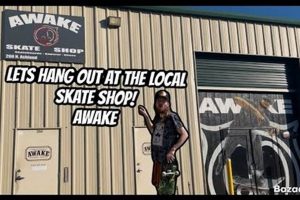
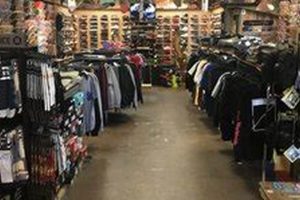
The establishment functions as a retail outlet specializing in skateboarding equipment and apparel. It offers a range of products including skateboards, wheels, trucks, bearings, shoes, clothing, and protective gear. The business model typically involves purchasing inventory from manufacturers and distributors and selling it directly to consumers. Custom board assembly and maintenance services are often provided.
Such a business plays a significant role in fostering the local skateboarding community. It provides access to necessary equipment, facilitating participation in the sport. These establishments often serve as gathering places for skaters, promoting social interaction and skill development. Historically, these shops have been integral to the growth and evolution of skateboarding culture, acting as a resource for information and expertise.
The subsequent sections will delve into specific aspects of running such a venture, including inventory management, customer service strategies, community engagement initiatives, and effective marketing techniques. These elements contribute to the success and sustainability of the retail operation.
Skateboarding Equipment and Maintenance Tips
The following suggestions offer guidance on equipment selection and upkeep to ensure optimal performance and safety.
Tip 1: Deck Selection: Consider board width based on shoe size and skating style. Wider boards offer greater stability, advantageous for transition and cruising. Narrower boards facilitate quicker rotations, benefiting street skating.
Tip 2: Wheel Hardness: Select wheels according to skating surface. Softer wheels (78a-87a durometer) provide better grip and shock absorption on rough surfaces. Harder wheels (97a-101a durometer) offer faster speeds and slide more easily on smooth surfaces.
Tip 3: Bearing Maintenance: Regularly clean and lubricate bearings to maintain speed and smoothness. Use a solvent to remove dirt and grime, then apply a bearing lubricant specifically designed for skateboards.
Tip 4: Truck Tightness: Adjust truck tightness according to preference and skating style. Looser trucks allow for easier turning but may sacrifice stability. Tighter trucks provide greater stability but may limit maneuverability.
Tip 5: Shoe Durability: Choose skate shoes with reinforced stitching and durable materials such as suede or leather. Consider shoes with vulcanized soles for optimal board feel and grip.
Tip 6: Protective Gear: Always wear appropriate protective gear, including a helmet, knee pads, and elbow pads. This minimizes the risk of serious injury during falls.
These recommendations emphasize the importance of informed equipment choices and diligent maintenance. Consistent application of these practices will contribute to improved performance and enhanced safety.
The following sections will explore community engagement and marketing strategies relevant to the skateboarding retail environment.
1. Inventory Management

Inventory management is a critical operational function directly influencing the financial health and customer satisfaction of a skateboarding retail outlet. Mismanaged inventory can lead to lost sales due to stockouts, or conversely, excessive holding costs associated with unsold merchandise. In the context of a skate shop, effective inventory control requires a nuanced understanding of product lifecycles, seasonal demand, and customer preferences. For instance, a newly released skateboard deck from a popular brand may experience a surge in demand, necessitating a larger initial stock order, while accessory items like grip tape require consistent, but smaller, replenishment.
Consider the practical consequences of poor inventory management. If a skate shop consistently runs out of commonly requested wheel sizes or bearing types, customers may seek alternative vendors, resulting in lost revenue and a diminished reputation. Conversely, overstocking niche products that appeal to a limited clientele ties up capital and can lead to discounted sales, reducing profit margins. Data analysis plays a crucial role in mitigating these risks. By tracking sales trends, monitoring inventory turnover rates, and analyzing customer purchase patterns, businesses can make informed decisions about stock levels and product selection.
Ultimately, the correlation between inventory management and a skate shop’s performance is undeniable. Implementing robust inventory tracking systems, establishing reorder points, and proactively adjusting stock levels based on market trends are essential for maintaining profitability and meeting customer expectations. Efficient inventory management not only safeguards against financial losses but also contributes to a seamless customer experience, fostering loyalty and driving long-term growth.
2. Customer Service

Customer service is a foundational component of any retail business, and its impact is particularly pronounced within the specialized environment of a skateboarding shop. This is because, beyond the mere transaction of goods, the customer relationship often involves expert advice, community connection, and specialized product knowledge. Instances of inadequate service, such as uninformed staff or a failure to address product-related issues, can quickly erode customer trust and loyalty, particularly among the discerning skateboarding community. Conversely, knowledgeable and attentive service fosters a sense of belonging and confidence, encouraging repeat business and positive recommendations. The quality of this interaction directly influences the perceived value of the establishment.
A real-world example illustrating the significance of customer service can be observed in the scenario of a novice skateboarder seeking their first board. A positive customer service experience would involve a staff member patiently assessing the individual’s skill level, intended use, and physical characteristics to recommend a suitable board configuration. This extends beyond simply selling a product; it involves providing valuable education and guidance. In contrast, a negative experience might entail a pushy salesperson directing the novice toward an expensive, unsuitable board, leading to dissatisfaction and a potential aversion to both the sport and the shop. Effective service also encompasses prompt and courteous handling of returns, warranties, and repairs, solidifying the customer’s confidence in the business’s commitment to quality.
In summary, superior customer service is not merely a supplementary aspect of a skateboarding retail operation; it is integral to its long-term success. It builds trust, fosters community, and ultimately differentiates a successful skate shop from its competitors. Failing to prioritize customer service can lead to negative repercussions, while investing in training and cultivating a customer-centric culture cultivates a loyal customer base and enhances the business’s reputation within the skateboarding community.
3. Community Engagement

Community engagement represents a critical facet of a successful skateboarding retail establishment. The relationship transcends simple commerce, evolving into a symbiotic partnership where the business supports the local skateboarding scene, and the community, in turn, supports the business. This involves active participation in local events, sponsorship of skaters, and the creation of a welcoming space that serves as a hub for skateboarding enthusiasts. The absence of such engagement can isolate the business, reducing its visibility and limiting its customer base. A direct effect of dedicated community involvement is enhanced brand loyalty and positive word-of-mouth referrals, leading to sustainable growth. This proactive role positions the shop not merely as a retailer, but as a stakeholder deeply invested in the well-being and progression of the skateboarding community.
Consider the example of a skate shop regularly hosting skateboarding clinics for beginners. This not only attracts potential new customers but also fosters goodwill and demonstrates a commitment to growing the sport. Or, a shop that sponsors local skateboarding competitions, providing prizes and financial support, solidifies its position as a key contributor to the skateboarding scene. Furthermore, organizing community events such as skateboarding film screenings or art shows creates a social atmosphere, encouraging interaction and building lasting relationships. The practical application of these strategies translates directly into increased customer traffic, enhanced brand recognition, and a stronger connection with the target demographic.
In conclusion, community engagement is not an optional add-on but an essential component of a flourishing skateboarding retail business. Its integration fosters customer loyalty, strengthens brand identity, and promotes the growth of the local skateboarding scene. While challenges may arise in terms of resource allocation and logistical coordination, the long-term benefits of a dedicated community engagement strategy far outweigh the potential difficulties. By prioritizing community involvement, skateboarding shops can establish themselves as integral parts of the local skateboarding culture, ensuring their continued success and relevance.
4. Product Knowledge
Proficient product knowledge is a cornerstone of successful operation for any skateboard-related retail establishment. A skate shop’s credibility and customer satisfaction are directly correlated with the depth of its staff’s understanding of the merchandise it offers. This extends beyond simple features and pricing, encompassing a comprehensive grasp of the technical specifications, performance characteristics, compatibility, and historical context of skateboarding equipment. Deficiencies in product knowledge can lead to misinformed recommendations, dissatisfied customers, and ultimately, a diminished reputation within the skateboarding community. A concrete example illustrates this point: recommending an inappropriate wheel durometer to a novice skater can significantly impede their progress and enjoyment of the sport, resulting in customer dissatisfaction and potential loss of future business.
The practical application of thorough product knowledge manifests in various aspects of a skate shop’s daily operations. Staff members equipped with this expertise can effectively guide customers through the often-complex process of selecting the right skateboard components based on individual needs and skating styles. They can accurately diagnose and resolve equipment issues, offering troubleshooting advice and repair services. Furthermore, a deep understanding of product variations and advancements allows staff to educate customers on emerging technologies and industry trends, establishing the shop as a trusted resource for skateboarding expertise. In the context of a potential sale, the ability to articulate the benefits of a particular product, supported by technical understanding, significantly increases the likelihood of a successful transaction and fosters customer loyalty.
In summary, product knowledge is not merely a desirable attribute for employees of a skateboarding retail business; it is an indispensable requirement. It directly impacts customer service, sales performance, and the overall perception of the business within the skateboarding community. While maintaining a current and comprehensive understanding of an ever-evolving product landscape presents a continuous challenge, the investment in training and development in this area yields significant returns in terms of customer satisfaction, enhanced reputation, and long-term sustainability. A failure to prioritize product knowledge can undermine even the most well-intentioned business strategy, highlighting its critical importance in the skateboarding retail sector.
5. Skateboarding Culture and a Retail Establishment

Skateboarding culture exerts a profound influence on the character and success of a skateboarding retail establishment. The shop is not merely a purveyor of goods; it serves as a tangible manifestation of the values, aesthetics, and social dynamics inherent within the skateboarding community. This culture, characterized by a spirit of innovation, self-expression, and counter-establishment ethos, shapes product selection, marketing strategies, and the overall customer experience. For instance, a shop that actively embraces and promotes independent skateboarding brands, known for their artistic deck designs and unique construction, signals a commitment to the core values of the culture. This, in turn, attracts customers who identify with this ethos, fostering a sense of community and shared identity.
The practical significance of understanding this connection is paramount for the business. A skate shop that remains oblivious to the evolving trends and subcultures within skateboarding risks alienating its customer base. Consider the scenario of a shop stocking predominantly mainstream, mass-produced products while disregarding the demand for smaller, rider-owned brands. Such a strategy neglects a significant segment of the skateboarding population that values authenticity and supports independent businesses. Furthermore, the shop’s physical space and online presence should reflect the visual language of skateboarding culture, incorporating elements of street art, photography, and music that resonate with the target demographic. The integration of these cultural elements transforms the shop into more than just a point of sale; it becomes a cultural hub that fosters interaction, skill development, and the perpetuation of skateboarding’s unique identity.
In conclusion, the symbiotic relationship between skateboarding culture and a skateboarding retail business is undeniable. The shop’s commitment to embracing and promoting the core values of the culture directly influences its appeal, customer loyalty, and long-term sustainability. Challenges may arise in navigating the ever-evolving landscape of skateboarding culture and remaining authentic to its diverse expressions. However, a genuine understanding and appreciation of the cultural underpinnings of the sport are essential for establishing a thriving and respected presence within the skateboarding community.
6. Location, accessibility

The strategic positioning of a retail establishment substantially influences its viability, and this is especially pertinent for a specialized business. Proximity to skateboarding infrastructure, such as skate parks and popular street skating spots, directly impacts customer traffic. Ease of access via public transportation and adequate parking facilities further enhance the potential customer base. A location distant from these elements necessitates more aggressive marketing strategies to compensate for diminished organic visibility. For example, a skate shop situated within walking distance of a renowned skate park benefits from a readily available stream of potential customers, whereas a shop located in a remote industrial area may struggle to attract consistent foot traffic.
Accessibility extends beyond mere physical proximity. Factors such as clear signage, well-lit surroundings, and a welcoming store front contribute to a perception of ease and safety, encouraging potential customers to enter. Conversely, a location with poor visibility, inadequate security measures, or limited operating hours may deter customers, even if it is geographically convenient. In urban environments, the presence of bicycle racks and designated skateboarding storage areas can further enhance accessibility for the target demographic. Moreover, virtual accessibility through a well-designed website and active social media presence allows the business to reach a broader audience beyond its immediate geographical area.
In summation, the location and accessibility of a retail business are inextricably linked to its success. A strategically chosen location, coupled with efforts to enhance accessibility for the target demographic, significantly increases the likelihood of attracting and retaining customers. While other factors such as product quality and customer service are also crucial, the fundamental advantage conferred by a well-chosen and accessible location cannot be overstated.
7. Financial Viability
Financial viability constitutes a critical determinant of a skate shop’s sustainability and long-term operational capacity. The ability to generate sufficient revenue to cover expenses, service debt, and reinvest in the business is paramount. Without financial viability, a skate shop, regardless of its community engagement or product knowledge, cannot endure. This dependency manifests in several ways. Insufficient revenue generation directly impedes the shop’s capacity to maintain adequate inventory, potentially leading to lost sales and dissatisfied customers. Furthermore, a lack of financial stability can restrict the shop’s ability to adapt to market changes, such as shifting consumer preferences or the emergence of new technologies.
Consider the practical implications of neglecting financial viability. A skate shop that consistently operates on thin margins may be unable to offer competitive pricing, attracting customers who are more price-sensitive to competing businesses. Moreover, a financially strained shop may be forced to postpone essential maintenance or upgrades, potentially compromising the safety of its facilities or the quality of its products. Real-world examples abound of skate shops that have closed due to insufficient financial planning, despite having strong community ties and a loyal customer base. These closures underscore the importance of meticulous financial management, including accurate budgeting, cost control, and proactive revenue generation strategies. This might involve implementing loyalty programs, offering repair services, or expanding product lines to diversify income streams.
In conclusion, financial viability is not merely a desirable attribute for a skate shop; it is a fundamental prerequisite for its survival and growth. While factors such as community engagement and product expertise contribute to the shop’s overall success, these elements are contingent upon a solid financial foundation. The challenges associated with achieving and maintaining financial viability require ongoing vigilance, strategic decision-making, and a willingness to adapt to the evolving economic landscape. A skate shop’s commitment to financial sustainability ensures its ability to continue serving the community and fostering the growth of skateboarding culture for years to come.
Frequently Asked Questions
The following provides responses to frequently asked questions to clarify common inquiries.
Question 1: Does the establishment offer skateboard assembly services?
Yes, complete skateboard assembly services are provided. Customers can select individual components, and trained staff will assemble the skateboard to the specified requirements. Fees may apply depending on the complexity of the assembly.
Question 2: Is there a warranty offered on skateboards or components purchased?
Warranty coverage varies depending on the manufacturer and the specific product. Defective products are typically covered under the manufacturer’s warranty. Details regarding warranty periods and coverage are available upon request for individual items.
Question 3: Are skateboarding lessons available?
The availability of skateboarding lessons may vary. Please inquire directly regarding the scheduling, pricing, and skill levels catered to by the lessons. Contact information can be found on the website or by calling during business hours.
Question 4: Does the shop offer skateboard repair services?
Skateboard repair services are available, including deck replacement, truck mounting, bearing maintenance, and wheel replacement. Repair costs are assessed based on the nature and extent of the damage.
Question 5: What payment methods are accepted?
Accepted payment methods typically include cash, debit cards, and major credit cards. Some locations may also offer mobile payment options. Inquiries regarding specific payment methods are welcome.
Question 6: Is it possible to order products online?
The availability of online ordering varies. Refer to the official website to determine if online purchasing is supported. If online ordering is available, shipping policies and delivery times will be outlined on the website.
These answers provide general information regarding frequently asked questions. For further inquiries, direct communication is encouraged.
The subsequent section explores future directions and opportunities for the establishment.
Final Assessment
The preceding analysis has explored diverse facets relevant to the operation and success of a skateboarding retail enterprise. Key considerations encompass inventory management, customer service protocols, community engagement initiatives, the cultivation of product knowledge, and the recognition of skateboarding culture. Furthermore, location accessibility and financial viability have been identified as crucial elements. Each aspect contributes significantly to the overall performance and long-term prospects of the establishment. Without adequate attention to these facets, a business risks diminishing its potential within a competitive market.
Future strategic initiatives should prioritize continuous improvement across all operational domains. This includes proactive adaptation to evolving market trends, ongoing investment in staff training, and sustained commitment to community engagement. By meticulously attending to these details, the enterprise can solidify its position as a valuable resource within the skateboarding community and ensure its continued success in a dynamic retail landscape.
![Find Surf Skate Shops Near Me: [Your City] Experts | Learn to Surf & Skate: A Beginner's Step-by-Step Guide](https://universitysurfandskate.com/wp-content/uploads/2026/04/th-136-300x200.jpg "Find Surf Skate Shops Near Me: [Your City] Experts Learn to Surf & Skate: A Beginner's Step-by-Step Guide")