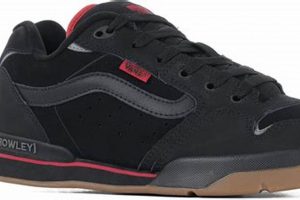
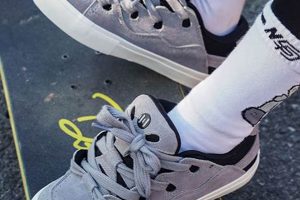
Worn footwear, specifically those used in skateboarding, often exhibits significant damage from the repetitive friction and impact inherent to the activity. Indicators include frayed canvas, worn-down soles displaying the shoe’s internal structure, ripped stitching, and a general loss of structural integrity. These are commonly a sign of prolonged use during skateboarding.
The condition of skateboarding footwear serves as a visual representation of a skater’s commitment and skill level, indicating countless hours spent practicing tricks. These items can also gain sentimental value, representing memories and experiences associated with the skater’s progression. From a historical context, the evolution of design in skate shoes reflects the changing demands of the sport, with durability becoming a key factor.
The subsequent sections will explore the various materials used in constructing these shoes, common repair techniques for extending their lifespan, and their potential repurposing for artistic or functional purposes. Furthermore, discussions on the environmental impact of discarding these items and alternative disposal methods will follow.
Extending the Life of Heavily Used Skateboarding Footwear
The lifespan of skateboarding footwear is often limited by the rigorous demands of the sport. Implementing preventative measures and adopting appropriate maintenance techniques can significantly extend its usability.
Tip 1: Reinforce High-Wear Areas: Applying durable adhesives, such as shoe goo or epoxy, to areas prone to abrasion, like the toe cap and ollie patch, can provide an additional layer of protection. This proactive approach minimizes initial wear and tear.
Tip 2: Regular Cleaning: Removing dirt and debris regularly prevents the deterioration of materials. A soft brush and mild soap can effectively clean canvas and suede without causing excessive damage.
Tip 3: Use Protective Tape: Applying gaffer tape or duct tape to areas that are already showing signs of wear can temporarily reinforce the structure and prevent further damage during a session.
Tip 4: Shoe Rotation: Alternating between multiple pairs of skateboarding footwear allows each pair to rest and dry thoroughly, reducing moisture buildup and extending the overall lifespan of each.
Tip 5: Insoles Replacement: Replacing worn insoles can improve comfort and support, indirectly reducing stress on the shoe’s construction. Consider high-impact insoles for enhanced cushioning.
Tip 6: Stitching Reinforcement: Periodically check and reinforce stitching, particularly in high-stress areas like the sole attachment. Damaged stitching can lead to separation and accelerated wear.
Tip 7: Utilize Toe Caps: Consider skate shoes with built-in toe caps or purchase separate toe caps that can be glued on. These significantly reduce wear in the area most susceptible to damage from tricks like ollies.
Employing these strategies can substantially prolong the functionality and durability of skateboarding footwear, representing a cost-effective and environmentally conscious approach to the sport.
The following section will address creative repurposing options for footwear that has reached the end of its useful life for skateboarding.
1. Material Degradation

Material degradation is a primary factor in the worn condition of skateboarding footwear. The continuous abrasive forces and high-impact stresses inherent in skateboarding accelerate the breakdown of constituent materials, ultimately leading to the “trashed” state.
- Rubber Outsole Deterioration
The rubber outsole, designed for grip and durability, experiences constant friction against the skateboard and ground. Over time, this friction leads to abrasion, cracking, and eventual disintegration of the rubber compound. A hardened or crumbling outsole severely compromises grip and board feel, rendering the footwear unsuitable for skateboarding.
- Foam Midsole Compression
The foam midsole provides cushioning and impact absorption. Repeated high-impact landings cause compression of the foam cells, diminishing its ability to absorb shock. This loss of cushioning translates to increased stress on the skater’s joints and a less responsive feel during tricks. Eventually, the compressed midsole offers minimal support, contributing to overall degradation.
- Canvas/Suede Upper Wear
The upper material, typically canvas or suede, is subject to abrasion from grip tape and general wear. Canvas can fray and tear, while suede can lose its nap and become thin. Holes and tears in the upper compromise the shoe’s structure and protection, accelerating the overall deterioration process.
- Adhesive Bond Failure
The adhesives used to bond the various components of the shoe can weaken and fail due to constant flexing, impact, and exposure to moisture. This failure results in delamination of the sole from the upper, significantly impacting the shoe’s structural integrity and usability. Separation of the sole is a definitive indicator of advanced material degradation.
The cumulative effect of these degradation processes significantly contributes to the eventual discarding of skateboarding footwear. The types and severity of material degradation observed offer insights into the skater’s style, the intensity of use, and the potential for repair or repurposing. Addressing material science and adhesive improvements could extend the usable life of skateboarding shoes, decreasing waste and improving the cost-effectiveness for skaters.
2. Sole Separation

Sole separation represents a critical failure point in skateboarding footwear, serving as a primary indicator of a “trashed” condition. This detachment, occurring between the outsole and the upper material, compromises the shoe’s structural integrity, rendering it functionally inadequate for skateboarding. The root cause often stems from a combination of factors: the constant flexing and impact forces exerted during skateboarding maneuvers, the gradual degradation of adhesives due to moisture and temperature fluctuations, and inherent material fatigue from prolonged use. A detached sole eliminates the necessary grip and board feel required for controlled movement, posing a significant safety risk to the skater. Real-world examples abound, showing countless instances of skaters abruptly ending sessions due to sole separation, highlighting the immediate and detrimental impact on performance.
The severity and location of sole separation can also provide valuable information about the skater’s style and the specific stresses the shoe has endured. Separation primarily occurring in the toe area suggests frequent use of flip tricks, where the toe region experiences substantial abrasion against the grip tape. Separation along the heel often points to a style involving heavy landings and significant impact on the heel area. Understanding the mechanisms contributing to this failure allows for targeted improvements in footwear design, such as incorporating more durable adhesives, reinforcing bonding areas with stitching, or utilizing alternative construction techniques to enhance the bond between the sole and upper. This analysis informs both the consumer, in terms of shoe selection, and the manufacturer, in terms of design refinement.
In summary, sole separation is a defining characteristic of worn skateboarding footwear, directly resulting from the forces encountered during skateboarding and the degradation of materials over time. Recognizing the causes and consequences of sole separation is vital for skaters seeking durable footwear and for manufacturers aiming to produce longer-lasting products. Addressing the issue through design improvements and material advancements represents a key step in mitigating waste and enhancing the overall skateboarding experience. The implications extend beyond mere functionality, impacting safety, performance, and environmental sustainability.
3. Canvas Fraying
Canvas fraying, a ubiquitous characteristic of worn skateboarding footwear, signifies material degradation resulting from the abrasive forces encountered during skateboarding. Its presence is a reliable indicator of prolonged use and often marks a stage in the progression towards the “trashed” condition.
- Grip Tape Abrasion
The primary cause of canvas fraying is the constant friction against the skateboard’s grip tape. The rough surface of the grip tape, designed to provide traction, acts as a potent abrasive against the canvas upper. Ollie spots and kickflip areas exhibit pronounced fraying, indicating the skater’s preferred style and frequency of these maneuvers. The degree of fraying directly correlates with the intensity and duration of skateboarding sessions. This correlation offers insight into the usage patterns and inherent wear characteristics of the footwear.
- Impact Zone Deterioration
Beyond grip tape abrasion, impact forces during landings contribute to canvas breakdown. Repeated impact stresses the canvas fibers, leading to weakening and eventual fraying, particularly around the toe box and heel counter. Reinforcements in these areas are common design features aimed at mitigating impact-induced fraying. However, even with reinforcement, these zones remain susceptible to wear over extended periods of use.
- Environmental Factors
Exposure to environmental elements accelerates canvas degradation. Moisture, sunlight, and dirt contribute to the weakening of canvas fibers, making them more prone to fraying. Prolonged exposure to wet conditions can lead to mildew and further breakdown of the material. Cleaning practices also influence canvas durability; aggressive cleaning methods can exacerbate fraying, while gentle cleaning can help prolong the lifespan of the material.
- Structural Integrity Compromise
Canvas fraying not only affects the aesthetic appearance but also compromises the structural integrity of the footwear. Extensive fraying can lead to holes and tears, exposing the foot to injury and diminishing the shoe’s protective capabilities. Moreover, fraying weakens the seams, increasing the likelihood of separation between the upper and the sole. Thus, canvas fraying is not merely a cosmetic issue but a functional concern that contributes to the overall degradation of the footwear.
The observable patterns of canvas fraying on skateboarding footwear provide a detailed history of the shoe’s usage and the skater’s activity. Its presence is a definitive sign of wear, often marking the transition towards a “trashed” state. Understanding the underlying causes and implications of canvas fraying allows for informed decisions regarding shoe repair, repurposing, or eventual disposal. The visual indicator serves as a testament to the skater’s engagement with the sport, each fray a record of tricks landed and challenges overcome.
4. Stitching Failure

Stitching failure, characterized by broken threads, unraveling seams, and separated components, represents a significant factor in the degradation process leading to the “trashed” condition of skateboarding footwear. The intense stresses placed on these shoes during skateboarding maneuvers exert considerable force on the stitched connections holding the various material components together. The location and severity of stitching failure directly correlate with the skater’s style, the types of tricks performed, and the overall intensity of use. In areas subjected to high stress, such as the ollie patch or around the sole attachment, stitching is particularly vulnerable. Once stitching fails, the structural integrity of the shoe is compromised, accelerating wear and leading to premature disposal. This failure exemplifies a critical breakdown point in the lifespan of these shoes, marking a clear transition towards an unusable state.
The types of threads used and the stitching techniques employed significantly influence the shoe’s resistance to stitching failure. Thicker, more durable threads, such as those made from nylon or polyester, offer increased resistance to abrasion and tension compared to weaker cotton-based threads. Reinforcement techniques, like double or triple stitching, strengthen critical seams and distribute stress more evenly, minimizing the likelihood of failure. Shoes with poorly executed stitching or inferior thread quality are inherently more susceptible to damage, regardless of the skater’s style or frequency of use. Real-world observations frequently demonstrate the direct link between inadequate stitching and rapid shoe degradation. Skateboarding footwear exhibiting frayed and broken stitching often disintegrates far more quickly than comparable models with robust and well-maintained seams.
In summary, stitching failure is a key determinant in the progression of skateboarding footwear towards a “trashed” state. The forces generated during skateboarding place immense stress on stitched connections, leading to thread breakage, seam unraveling, and component separation. Robust stitching techniques, durable thread materials, and reinforcement strategies are crucial for extending the lifespan of these shoes. Understanding the dynamics of stitching failure informs both skaters and manufacturers, enabling informed choices regarding footwear selection and design. A focus on improved stitching contributes directly to enhanced durability, reduced waste, and a more sustainable approach to skateboarding footwear.
5. Impact Absorption

Impact absorption is a crucial performance characteristic of skateboarding footwear, directly influencing both the skater’s comfort and the shoe’s lifespan. The degradation of impact absorption capabilities is a primary factor in the transition of skateboarding shoes toward a “trashed” state. This reduced cushioning increases stress on the skater’s joints and compromises the shoe’s protective function.
- Midsole Compression
The midsole, typically constructed from foam materials like EVA or polyurethane, is responsible for absorbing impact forces during landings. Over time, repeated high-impact landings cause the foam cells to compress permanently, reducing their ability to cushion and protect. A compressed midsole provides diminished support and increases the risk of injury. The degree of compression observed in the midsole serves as a reliable indicator of the shoe’s age and usage intensity. For example, a skater who frequently performs aerial tricks will likely experience faster midsole compression than a skater who primarily skates flat ground.
- Insole Deterioration
The insole contributes to initial impact absorption and overall comfort. Insoles made from materials like gel or memory foam are prone to degradation under repeated stress. These materials can lose their elasticity and cushioning properties, becoming flattened and providing minimal support. A worn insole not only reduces comfort but also contributes to the overall decrease in impact protection. Replacing the insole can temporarily improve cushioning, but the underlying issue of midsole compression often remains a limiting factor.
- Outsole Rigidity
The outsole’s flexibility influences the overall impact absorption characteristics of the shoe. A rigid outsole transmits more force to the foot and ankle, while a more flexible outsole allows for better energy dissipation. Over time, the outsole material can become less flexible due to wear and environmental factors. This increased rigidity reduces the shoe’s ability to absorb impact, contributing to discomfort and potential injury. The material composition of the outsole and its wear patterns can reveal valuable insights into the shoe’s impact absorption performance.
- Material Fatigue
The repeated stress of skateboarding causes fatigue in all shoe components, including those responsible for impact absorption. This fatigue weakens the material structure, leading to a gradual decline in performance. Fatigue can manifest as cracking, crumbling, or delamination of the midsole, insole, or outsole. The cumulative effect of material fatigue diminishes the shoe’s ability to protect the skater from impact forces, increasing the risk of injury and accelerating the transition toward a “trashed” state. The rate of material fatigue depends on factors such as the skater’s weight, skating style, and the quality of the materials used in the shoe’s construction.
The degradation of impact absorption capabilities is a key factor contributing to the lifespan limitations of skateboarding footwear. As the midsole, insole, and outsole lose their ability to cushion and protect, the risk of injury increases, and the overall skating experience deteriorates. The patterns of wear and material degradation observed in skateboarding shoes provide valuable insights into their impact absorption performance and their transition toward a “trashed” condition. Improving material durability and impact absorption properties remains a critical focus for manufacturers seeking to extend the lifespan of skateboarding footwear.
Frequently Asked Questions
This section addresses common inquiries regarding the condition, care, and disposition of skateboarding footwear exhibiting significant wear and tear.
Question 1: What constitutes “trashed” skateboarding footwear?
Skateboarding footwear is considered “trashed” when exhibiting severe material degradation, rendering it unsuitable for its intended purpose. Indicators include sole separation, extensive canvas fraying, stitching failure, compromised impact absorption, and general loss of structural integrity. The footwear no longer provides adequate protection or performance.
Question 2: Can all worn skateboarding footwear be repaired?
The feasibility of repair depends on the extent of the damage. Minor fraying or stitching issues may be addressed with adhesives or re-stitching. However, severe sole separation, extensive material degradation, or significant loss of cushioning often render repair impractical or uneconomical. Repairing these shoes may also compromise the footwear’s structural integrity and safety.
Question 3: What materials are most susceptible to damage in skateboarding footwear?
Canvas and suede uppers are prone to abrasion from grip tape. Rubber outsoles are vulnerable to wear and cracking due to constant friction. Foam midsoles compress and lose their cushioning properties over time. Adhesives used to bond components can weaken and fail due to flexing and moisture exposure. These materials represent common points of failure.
Question 4: How can the lifespan of skateboarding footwear be extended?
Preventative measures include reinforcing high-wear areas with adhesives, regularly cleaning to remove debris, rotating between multiple pairs, and replacing worn insoles. Selecting footwear constructed from durable materials and employing robust stitching techniques also contributes to longevity. Proper maintenance is essential for maximizing the lifespan of skateboarding shoes.
Question 5: Are there environmentally responsible disposal methods for worn skateboarding footwear?
Discarding these items responsibly involves considering alternatives to landfill disposal. Repurposing the materials for artistic or functional projects reduces waste. Some organizations collect old footwear for recycling or donation. Researching local recycling programs and donation options is advisable.
Question 6: Does the condition of skateboarding footwear reflect the skater’s ability?
While the extent of wear can indicate the frequency and intensity of skateboarding activity, it does not solely determine the skater’s skill level. Factors such as skating style, terrain, and maintenance practices also influence the condition of the footwear. The “trashed” state primarily represents a consequence of the sport’s demands on the footwear, not necessarily a direct measure of the skater’s proficiency.
In summary, understanding the factors contributing to the degradation of skateboarding footwear allows for informed decisions regarding care, repair, and disposal. Recognizing the limitations of repair and exploring responsible disposal options promotes a more sustainable approach to the sport.
The following section will address creative repurposing options for skateboarding footwear that has reached the end of its useful life for skateboarding.
Conclusion
The preceding analysis has dissected the characteristics, causes, and implications associated with skateboarding footwear reaching an unserviceable state. This investigation encompassed material degradation, the consequences of stitching failure, and the erosion of impact absorption capabilities. Understanding these elements is crucial for both participants in the sport and manufacturers producing the relevant equipment.
The lifecycle of skateboarding footwear extends beyond its functional lifespan. Responsible disposal or creative repurposing represents a necessary consideration. Acknowledging the environmental impact and adopting sustainable practices constitutes a fundamental step towards minimizing the sport’s ecological footprint. Continued innovation in material science and design presents opportunities to enhance durability and reduce waste.