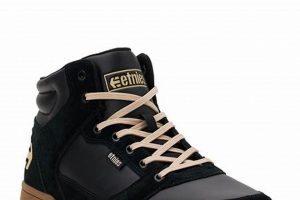
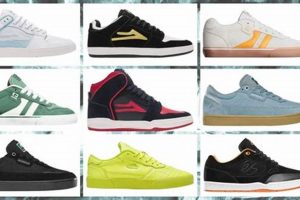
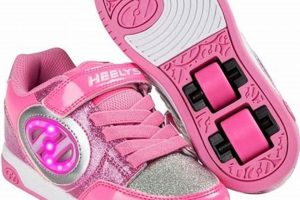
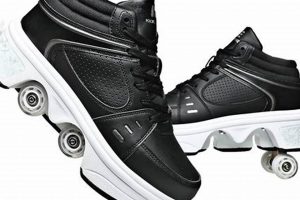
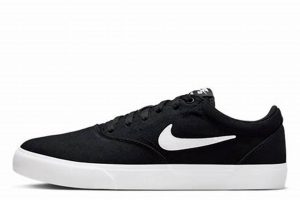
Footwear designed to mimic the aesthetic of skateboarding shoes, but scaled down for infants and toddlers, is a product increasingly found in the children’s apparel market. These miniature versions often incorporate features like padded collars, durable outsoles, and stylistic elements reminiscent of adult skateboarding shoes, while prioritizing comfort and safety for developing feet.
The appeal of these items lies in their fashionable appearance and perceived association with an active lifestyle, even before a child is capable of skateboarding. Benefits extend to parents seeking to express a particular aesthetic or personal style through their child’s clothing. Historically, the popularity of skateboarding culture has influenced broader fashion trends, leading to the adoption of skateboarding shoe design elements in mainstream children’s footwear.
This article will explore aspects of materials, sizing, safety considerations, and common brands associated with infant and toddler athletic-inspired footwear. Furthermore, guidance on selecting appropriate models based on developmental stage and activity level will be provided.
Selection Guidance
The following guidance aims to assist in choosing appropriate athletic-inspired footwear for infants and toddlers. Careful consideration of developmental stage, material composition, and functional attributes is paramount.
Tip 1: Prioritize Breathable Materials: Opt for models constructed with breathable fabrics such as cotton canvas or perforated leather to minimize moisture buildup and maintain foot comfort. Synthetics, if used, should incorporate ventilation features.
Tip 2: Evaluate Sole Flexibility: The outsole should exhibit sufficient flexibility to allow for natural foot movement during crawling or early walking stages. Overly rigid soles can impede proper development.
Tip 3: Assess Closure Mechanisms: Secure closures, such as hook-and-loop straps or elastic laces, are preferable to ensure a snug fit and prevent accidental removal. Avoid laces that pose a tripping hazard for unsteady toddlers.
Tip 4: Verify Size Accuracy: Accurate sizing is crucial to prevent discomfort and potential foot problems. Measure the child’s foot using a reliable sizing chart and allow for approximately one thumb’s width of space between the longest toe and the end of the shoe.
Tip 5: Inspect for Secure Attachment of Embellishments: Examine the footwear for securely attached embellishments, such as logos or decorative elements. Loose parts can present a choking hazard to young children.
Tip 6: Consider the Environment: Choose the shoe based on the surfaces the child will be exposed to. Indoor shoes can be more flexible, while outdoor shoes should have more durable soles.
Tip 7: Regularly Check for Wear and Tear: Examine the shoes regularly for signs of wear and tear, such as worn soles, loose seams, or damaged closures. Replace footwear as needed to maintain safety and support.
Adherence to these recommendations promotes appropriate footwear choices for infants and toddlers, supporting healthy foot development and minimizing potential risks.
The subsequent section will address safety standards and certifications relevant to children’s footwear.
1. Sizing Accuracy

Sizing accuracy in infant and toddler footwear, particularly in skate-style designs, is paramount for healthy foot development. Inaccurate sizing, whether too large or too small, can impede natural foot growth and function, leading to potential orthopedic issues. Footwear that is too constrictive can restrict blood circulation and cause discomfort, while oversized shoes may promote instability, increasing the risk of falls and hindering the development of proper gait mechanics. The rigid structure and relatively flat soles common in skate-style footwear necessitate precise fitting to avoid exacerbating these risks. For instance, a baby with a foot length of 10 cm requires a shoe with an internal length closely matching that dimension, accounting for minimal growth allowance, as excessive space can lead to slippage and improper weight distribution.
Manufacturers often provide sizing charts, yet variations exist across brands and styles. Relying solely on age-based sizing can be misleading, as foot size varies significantly among children of the same age. Accurate foot measurement using a Brannock device or similar tool is recommended before purchasing any footwear. Furthermore, parents should regularly monitor their child’s foot size and shoe fit, as rapid growth necessitates frequent adjustments. The inherent design characteristics of skate-inspired footwear, which often lack significant arch support or cushioning, amplify the importance of proper sizing to mitigate potential discomfort and prevent the development of foot deformities.
In conclusion, sizing accuracy is a critical component of infant and toddler skate-style footwear. Failure to ensure proper fit can have detrimental effects on foot health and development. Regular monitoring of foot size, precise measurement before purchase, and careful consideration of individual brand sizing variations are essential practices. A commitment to accurate sizing contributes significantly to the safety, comfort, and developmental suitability of skate-inspired footwear for young children.
2. Sole Flexibility

Sole flexibility in infant and toddler footwear, specifically within the realm of skate-style designs, directly impacts biomechanical development and safety. The rigid construction often associated with adult skateboarding shoes, when replicated in miniature for children, can impede natural foot movement. Infants and toddlers require a pliable sole that allows for unrestricted articulation of the foot during crawling, standing, and initial walking phases. A stiff sole can restrict the foot’s ability to adapt to varying terrains, hindering the development of intrinsic foot muscles and contributing to abnormal gait patterns. For example, a toddler wearing footwear with an inflexible sole may exhibit an altered walking pattern, such as excessive toe-walking, to compensate for the restricted movement. This compensatory mechanism can strain other musculoskeletal structures and delay the attainment of proper walking form.
The importance of sole flexibility is further underscored by its influence on sensory feedback. A flexible sole enables the foot to receive more comprehensive sensory input from the ground, facilitating the development of proprioception, the body’s awareness of its position in space. This sensory information is crucial for maintaining balance and coordinating movements. In contrast, a rigid sole diminishes sensory input, potentially compromising balance and increasing the risk of falls. Furthermore, materials used in the sole construction significantly affect flexibility. Natural rubber or flexible synthetic compounds are preferable to hard plastics or dense composites, as they allow for greater range of motion. The sole’s design, including the presence of flex grooves or articulated segments, also contributes to its overall flexibility. Parents should assess the sole’s pliability by manually bending the shoe at the ball of the foot before purchase.
In summary, sole flexibility is a critical design element in athletic-inspired footwear for infants and toddlers. A rigid sole can negatively impact foot development, gait mechanics, and balance, whereas a flexible sole promotes natural movement, enhances sensory feedback, and supports healthy musculoskeletal development. Addressing the challenge of replicating the aesthetic of adult skate shoes while prioritizing pediatric biomechanical needs necessitates careful material selection and design considerations, with sole flexibility serving as a key determinant of suitability. Understanding its importance ensures safer and more developmentally appropriate footwear choices for young children.
3. Material Safety
The correlation between material safety and infant skate-style footwear is critical due to direct and prolonged skin contact. Infants and toddlers have a higher susceptibility to adverse reactions from potentially harmful substances present in shoe materials. The developing immune systems of young children are less equipped to handle chemical exposure, increasing the risk of allergic reactions, skin irritation (dermatitis), or even systemic absorption of toxins. Low-quality materials, particularly in inexpensive footwear, may contain phthalates, lead, or other heavy metals that are known to be detrimental to health, affecting neurological development and potentially causing long-term health complications. For instance, the Consumer Product Safety Improvement Act (CPSIA) regulates the use of certain phthalates in children’s products, yet non-compliant items may still enter the market through unregulated channels or overseas manufacturing. Therefore, material composition directly impacts the safety profile of athletic-inspired infant footwear and needs careful consideration by caregivers.
The implications of material selection extend beyond immediate health concerns. The durability and longevity of the footwear are also affected. Inferior materials may degrade rapidly, releasing small particles or fibers that could pose a choking hazard to infants. Furthermore, the breakdown of materials can compromise the structural integrity of the shoe, reducing its support and increasing the risk of injury. Examples include adhesives used to bond shoe components which may contain volatile organic compounds (VOCs), posing an inhalation risk. The choice of materials, therefore, represents a compromise between aesthetic appeal, cost, and safety. Manufacturers aiming to prioritize consumer safety must invest in testing and certification to verify the absence of harmful substances and ensure compliance with relevant safety standards, such as those established by the American Society for Testing and Materials (ASTM).
In conclusion, material safety is a paramount consideration in the production and selection of athletic-inspired footwear for infants and toddlers. The potential for adverse health effects from exposure to harmful substances necessitates stringent material selection, rigorous testing, and compliance with safety regulations. While the visual appeal and affordability of these products are important factors, they should not overshadow the fundamental need to prioritize the health and well-being of the child. A comprehensive understanding of material composition and potential risks empowers informed purchasing decisions, mitigating potential health risks associated with infant footwear.
4. Ankle Support

The functional role of ankle support in infant and toddler footwear, specifically in designs mimicking skateboarding shoes, merits careful consideration due to its impact on stability and injury prevention. Infants and toddlers, during their early motor development, possess underdeveloped musculoskeletal systems and reduced proprioceptive awareness. Skate-style shoes, typically characterized by a flat sole and a more rigid upper construction mirroring adult designs, can inadvertently compromise ankle stability if not appropriately engineered. Insufficient ankle support can lead to an increased risk of ankle sprains, strains, or even more severe injuries during activities like walking, running, or playing. For example, a toddler wearing a skate-style shoe with a low-cut design and minimal padding around the ankle is more vulnerable to lateral ankle instability, especially on uneven surfaces.
Addressing this concern requires strategic design modifications that balance the aesthetic requirements of the skate-style with the biomechanical needs of developing feet. The inclusion of a moderately padded collar around the ankle opening can provide additional support and reduce the likelihood of excessive ankle inversion or eversion. Extended heel counters, which wrap around the rearfoot, contribute to rearfoot stability and limit excessive pronation. Furthermore, the choice of upper materials, such as stiffer leather or reinforced synthetics, influences the degree of ankle support. Footwear manufacturers must prioritize these supportive features without sacrificing the flexibility and range of motion necessary for natural foot development. Testing protocols that evaluate ankle stability under simulated loading conditions can provide valuable insights into the efficacy of various design modifications.
In summary, adequate ankle support is a crucial component of skate-style footwear designed for infants and toddlers. A lack of sufficient support can increase the risk of ankle injuries during early motor skill acquisition. Manufacturers must integrate supportive design elements, such as padded collars and reinforced heel counters, while maintaining appropriate flexibility. The proper integration of these design features is vital to ensure safety and promote healthy musculoskeletal development, helping prevent future issues. An understanding of the functional relationship between ankle support and the biomechanics of young children is vital for creating footwear that is both stylish and safe.
5. Closure Security
Closure security in infant and toddler athletic-inspired footwear is not merely a convenience; it is a fundamental safety element that directly influences the stability and injury prevention capabilities of the shoe. Secure closures prevent accidental shoe removal, ensuring that the child’s foot remains properly supported and protected, reducing the likelihood of trips, falls, and other mishaps.
- Retention of Footwear
The primary function of a secure closure system is to ensure the shoe remains firmly attached to the foot during activity. A loose or easily opened closure mechanism compromises this retention, allowing the shoe to slip off. This is especially critical for infants and toddlers still developing their gait and balance. Imagine a toddler wearing ill-fitting athletic footwear with a weak hook-and-loop fastener attempting to walk on a playground surface; the shoe may detach, increasing the likelihood of a fall and potential injury.
- Ankle Stability
Effective closure systems contribute indirectly to ankle stability, particularly in designs with higher ankle profiles. By snugly securing the foot within the shoe, the closure mechanism enhances the shoe’s ability to support the ankle joint and limit excessive pronation or supination. For instance, lace-up closures, when properly tightened, provide a more secure and customizable fit compared to single-strap hook-and-loop closures, thereby offering superior ankle support during dynamic movements.
- Prevention of Entrapment Hazards
Closure designs lacking adequate security can pose entrapment hazards. Long, unsecured laces or dangling straps can become entangled in playground equipment, furniture, or other objects, leading to falls or even more serious injuries. Thus, closure systems should be designed to minimize the risk of entanglement, through features like recessed lace eyelets, shortened strap lengths, or secure strap retainers.
- Adjustability and Fit
A secure closure system should also permit adjustability, accommodating variations in foot width and volume. Closures that offer limited adjustability may result in either excessive tightness, restricting circulation, or insufficient snugness, compromising stability. Hook-and-loop straps with ample adjustment range, or lace-up designs with flexible lacing patterns, are examples of closures that can accommodate a wider range of foot shapes and sizes, thus ensuring a more secure and comfortable fit.
The aforementioned facets of closure security emphasize its broader implications for infant and toddler safety. Evaluating the effectiveness of the closure mechanism should be a primary consideration during the selection of athletic-inspired shoes for young children. Properly designed and executed closures help promote safer and more stable movement, while mitigating the risks associated with falls, injuries, and other potential hazards.
6. Durability

The longevity and resilience of athletic-inspired footwear designed for infants and toddlersspecifically those styled to resemble skateboarding shoeshold significant implications for both economic and safety considerations. Durability, in this context, extends beyond mere resistance to cosmetic wear; it encompasses the capacity of the shoe to withstand the rigors of repeated use, maintain its structural integrity, and continue providing adequate support and protection throughout its intended lifespan. The selection of durable materials and robust construction techniques directly influence the frequency with which replacements are necessary, affecting the overall cost of ownership. For example, a shoe constructed with reinforced stitching and abrasion-resistant outsoles will inherently outlast one made from flimsy, easily-torn fabrics, thereby reducing the need for frequent repurchases. Similarly, the integrity of the sole’s bond to the upper is paramount. Delamination, where the sole separates from the upper, renders the shoe unusable and potentially hazardous.
Beyond economic implications, durability directly correlates with safety. A shoe that prematurely degrades compromises its ability to provide essential support, cushioning, and protection. Worn-out soles lose traction, increasing the risk of slips and falls. Frayed seams and weakened fabrics can lead to structural failures, exposing the foot to potential injuries. The small components used in footwear construction, such as eyelets or decorative elements, pose a choking hazard if they detach due to poor construction or material degradation. Thus, assessing durability involves evaluating the quality of materials used, the strength of seams and adhesives, and the resistance to wear and tear under normal usage conditions. Testing standards that simulate real-world stresses can provide valuable insights into the long-term performance of these products. Proper maintenance, such as regular cleaning and appropriate storage, can also extend the lifespan of durable shoes.
In conclusion, durability in infant and toddler athletic-inspired footwear represents a critical attribute that balances economic value with safety imperatives. The selection of robust materials, coupled with meticulous construction techniques, ensures the shoe not only withstands the demands of daily wear but also continues providing the necessary support and protection throughout its useful life. Assessing durability necessitates a comprehensive evaluation of material quality, structural integrity, and resistance to wear, informing consumer purchasing decisions and mitigating potential risks associated with premature footwear degradation. It’s crucial to see that the design of the shoe is not only aesthetically pleasing but also functionally sound, promoting the well-being of the child.
Frequently Asked Questions
This section addresses common inquiries and misconceptions surrounding footwear designed to emulate the aesthetic of skateboarding shoes for infants and toddlers. The following provides clarification based on established principles of pediatric foot health and product safety.
Question 1: Are athletic-inspired shoes, designed like skateboarding shoes, suitable for infants learning to walk?
The suitability depends on design features. Footwear should prioritize flexibility, breathability, and a secure fit rather than solely replicating the stiff construction of adult skateboarding shoes. Models with flexible soles that allow for natural foot movement are preferable.
Question 2: How to accurately determine the correct size for athletic-inspired footwear?
Foot measurement using a reliable sizing chart is essential. Account for slight growth allowance, but avoid excessive space that could compromise stability. Regular monitoring of foot size is advisable due to rapid growth during infancy and toddlerhood.
Question 3: What specific materials should be avoided in infant athletic-inspired footwear?
Materials known to contain phthalates, lead, or other heavy metals should be avoided. Opt for footwear constructed from breathable, non-toxic materials that meet established safety standards.
Question 4: Can skateboarding-styled footwear for infants improve motor skill development?
Such footwear does not inherently improve motor skill development. A flexible sole is more likely to promote a natural movement than a sturdy and thick skate shoe model, and it should allow for natural foot movement. The absence of restrictive footwear, coupled with ample opportunity for free movement, is conducive to optimal motor skill development.
Question 5: How often should infant and toddler athletic-inspired footwear be replaced?
Replacement frequency depends on growth rate and wear. Regular inspection for signs of wear, such as worn soles or compromised closures, is recommended. Footwear should be replaced when it no longer provides adequate support or fit.
Question 6: Do expensive athletic-inspired shoes necessarily provide superior safety compared to more affordable options?
Price does not always correlate with safety. Evaluate footwear based on materials, construction quality, and adherence to safety standards, rather than solely on price point. Certifications from recognized testing organizations provide additional assurance of product safety.
In summary, the selection of infant athletic-inspired footwear requires careful consideration of design features, material composition, and fit accuracy. Prioritizing safety, comfort, and developmental suitability over aesthetic trends is paramount.
The subsequent section addresses common brands and retail sources for infant and toddler athletic-inspired footwear.
Conclusion
The foregoing analysis has examined the multifaceted considerations surrounding baby skate shoes. The article has explored issues of safety, developmental appropriateness, material selection, sizing accuracy, and structural durability. It highlights how an informed approach is essential in this niche market.
The decision to purchase footwear styled after adult skateboarding shoes for infants and toddlers demands responsible evaluation, placing pediatric health and safety as the paramount concern. Caregivers are encouraged to seek products designed with developmental appropriateness in mind, and to consult with healthcare professionals regarding proper foot health. The informed selection of baby skate shoes contributes not only to aesthetic expression but more significantly, to the long-term well-being of the child.