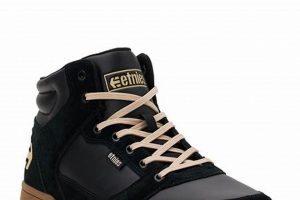
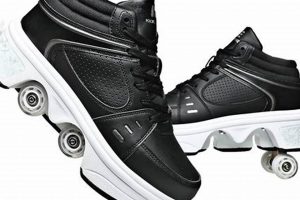
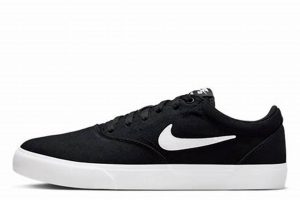
Footwear designed for skateboarding that incorporates features traditionally found in military or law enforcement equipment represents a specific category. This type of shoe often prioritizes durability, protection, and enhanced grip, differentiating it from standard skateboarding footwear. For example, a reinforced toe cap, ballistic nylon panels, and slip-resistant outsoles are common attributes.
The incorporation of rugged materials and protective elements offers advantages beyond typical skateboarding applications. Extended lifespan, increased resistance to abrasion, and improved foot safety are significant benefits. The evolution of this specialized footwear reflects a demand for products that can withstand harsh conditions and provide a stable platform for various activities. Historically, this intersection of skateboarding and tactical gear emerged from a need for equipment that could endure rigorous use and offer added functionality.
Subsequent sections will delve into the specific materials used in construction, the technological advancements contributing to their performance, and the target demographic benefiting from these design features. A comparison with standard skateboarding shoes will further highlight the distinct characteristics and advantages offered by this hybrid footwear option.
Selection and Maintenance Guidance
Choosing and caring for footwear designed to blend skateboarding functionality with tactical attributes requires consideration of specific factors. The following guidelines aim to provide objective advice for optimal performance and longevity.
Tip 1: Assess Intended Use: Determine the primary activities for which the footwear will be used. Skateboarding, hiking, or general work environments each place different demands on the shoe’s construction and features. Evaluate terrain, impact forces, and anticipated wear patterns.
Tip 2: Evaluate Material Composition: Examine the materials used in the upper, midsole, and outsole. Ballistic nylon, reinforced leather, and high-abrasion rubber compounds contribute to durability. Confirm the presence of adequate padding and breathable linings to mitigate discomfort during extended wear.
Tip 3: Verify Protective Features: Confirm the presence of protective elements such as reinforced toe caps, ankle supports, and impact-absorbing insoles. These features are critical for mitigating potential injuries in high-impact environments.
Tip 4: Inspect Sole Traction: The outsole’s tread pattern and rubber compound should provide adequate grip on various surfaces. Consider the specific surfaces encountered during intended activities and select a sole pattern that maximizes traction in those conditions.
Tip 5: Prioritize Proper Fit: Ensure a snug, secure fit that allows for natural foot movement. Ill-fitting footwear can lead to blisters, discomfort, and decreased performance. Utilize accurate foot measurements and consider trying on the shoes with appropriate socks.
Tip 6: Implement Regular Cleaning: Clean the footwear regularly to remove dirt, debris, and sweat. Use a soft brush and mild detergent to avoid damaging the materials. Allow the shoes to air dry completely before wearing to prevent the growth of bacteria and fungi.
Tip 7: Address Wear and Tear Promptly: Inspect the shoes regularly for signs of wear and tear, such as cracks, tears, or delamination. Repair or replace damaged components promptly to maintain performance and prevent further deterioration.
Adhering to these guidelines enhances the performance, lifespan, and overall utility of this type of footwear. Prioritizing durability, protection, and proper maintenance ensures a reliable and safe experience.
The subsequent sections will elaborate on specific product recommendations and provide comparative analyses of various models available on the market.
1. Reinforced Construction

Reinforced construction forms a fundamental element of specialized footwear, directly influencing its durability and performance in demanding situations. This involves the strategic use of robust materials and enhanced manufacturing techniques to fortify critical stress points. In skateboarding applications, the repetitive abrasion against grip tape and hard surfaces necessitates enhanced structural integrity. Tactical applications introduce additional stressors such as rough terrain, impact forces, and potential exposure to sharp objects. The implementation of reinforced construction directly addresses these challenges.
For instance, double or triple stitching along seams prevents premature failure due to stress concentration. The use of ballistic nylon or reinforced leather in the upper provides increased resistance to tearing and abrasion. A reinforced toe cap protects the foot from impact and prevents delamination of the sole. These elements are crucial for maintaining the footwear’s structural integrity and ensuring user safety. The absence of adequate reinforcement results in a significantly reduced lifespan, compromised protection, and potential for injury. Consider the example of a standard skate shoe versus one incorporating reinforced construction; the latter demonstrably withstands significantly more wear and tear under comparable conditions.
Understanding the significance of reinforced construction provides consumers with a rational basis for selecting appropriate footwear. Prioritizing products with demonstrably robust construction methods improves durability, user safety, and overall value. The implementation of these design principles extends the operational lifespan of the product, reduces the frequency of replacement, and provides enhanced protection in demanding environments, effectively translating into a lower long-term cost and improved performance.
2. Enhanced Grip

Enhanced grip is a critical performance attribute in footwear designed for dynamic activities, particularly in the context of specialized skateboarding shoes intended for tactical or demanding environments. The ability to maintain secure footing on various surfaces is paramount, influencing stability, maneuverability, and overall safety. Specific design and material considerations contribute to this essential characteristic.
- Outsole Tread Pattern Design
The geometric configuration of the outsole tread directly influences the shoe’s ability to adhere to different surfaces. Aggressive patterns with deep grooves and varied lug orientations are engineered to maximize contact area and provide superior traction on loose, uneven, or slippery terrain. In contrast, smoother patterns are optimized for hard, flat surfaces often encountered in skateboarding parks or urban environments. The optimal tread pattern is contingent on the intended application.
- Rubber Compound Composition
The specific type of rubber compound used in the outsole significantly affects its frictional properties. Softer, tackier compounds offer enhanced grip on smooth surfaces but may exhibit reduced durability. Harder compounds provide increased abrasion resistance but may compromise traction on wet or uneven surfaces. The selection of an appropriate rubber compound involves a trade-off between grip performance and durability.
- Surface Contact Area
The total surface area of the outsole in contact with the ground directly impacts the amount of friction generated. A larger contact area generally results in increased grip, provided that the tread pattern is effective at channeling away water and debris. Design features such as wider sole platforms and strategically placed grooves contribute to maximizing the contact area.
- Flexibility and Ground Conformity
The flexibility of the outsole allows it to conform to irregularities in the ground surface, increasing the contact area and improving grip on uneven terrain. A more flexible sole enables the shoe to adapt to the contours of the surface, enhancing stability and preventing slippage. This is particularly important in environments where the ground surface is unpredictable.
These elements contribute synergistically to the overall grip performance of specialized skateboarding footwear. Footwear incorporating these design features provides users with enhanced stability, control, and confidence across varied terrains and demanding applications. This attribute enhances both performance and user safety.
3. Ankle Support

Ankle support in specialized skateboarding footwear constitutes a crucial design element, particularly within the context of tactical applications. It mitigates the risk of injury, enhances stability, and improves overall performance in demanding environments. The following outlines key facets of ankle support in relation to such specialized shoes.
- High-Top Design and Structure
The extension of the shoe’s upper above the ankle joint provides physical support and restricts excessive movement. This is commonly achieved through a high-top design, which encircles the ankle and limits lateral and medial displacement. Examples include reinforced collars constructed with dense padding or rigid materials to enhance stability. In tactical situations, this design prevents ankle sprains and strains when navigating uneven terrain or executing rapid maneuvers.
- Internal and External Support Systems
Many tactical skateboarding shoes incorporate internal or external support structures to further reinforce the ankle. Internal supports may consist of molded heel counters or supportive insoles that cradle the foot and provide additional stability. External supports can include straps, exoskeletal cages, or reinforced panels that wrap around the ankle. These systems enhance resistance to inversion and eversion injuries, particularly during high-impact activities or sudden changes in direction.
- Padding and Cushioning
Adequate padding and cushioning around the ankle joint contribute significantly to both comfort and support. Strategic placement of padding in key areas reduces friction and pressure points, minimizing the risk of blisters and discomfort during prolonged wear. Cushioned collars provide additional impact absorption, protecting the ankle from blunt force trauma. The effectiveness of the padding relies on its density, thickness, and placement relative to the ankle’s anatomical structures.
- Material Selection and Rigidity
The materials used in the construction of the ankle support system influence its overall rigidity and level of protection. Stiffer materials, such as reinforced leather or ballistic nylon, offer greater support and resistance to deformation. However, excessive rigidity can restrict movement and reduce comfort. Softer, more flexible materials provide greater range of motion but may compromise stability. The optimal material selection balances the need for support with the demands of the intended activity.
The integration of these facets contributes to the overall effectiveness of ankle support in specialized skateboarding footwear. This ensures protection and stability while accommodating the dynamic movements required in both skateboarding and tactical operations. By carefully considering these design elements, manufacturers can optimize footwear performance and minimize the risk of ankle injuries in demanding environments.
4. Impact Absorption
Impact absorption is a critical design parameter in footwear intended for demanding activities, particularly those involving high-impact forces. In the context of specialized skateboarding shoes designed for tactical applications, effective impact absorption mitigates the risk of injury, reduces fatigue, and enhances overall performance. This is achieved through the strategic implementation of various materials and construction techniques.
- Midsole Materials
The midsole, situated between the insole and the outsole, plays a primary role in impact absorption. Materials such as ethylene-vinyl acetate (EVA), polyurethane (PU), and proprietary foam compounds are commonly used due to their energy-dissipating properties. EVA offers a balance of cushioning and weight, while PU provides greater durability and support. Specialized foam compounds, often incorporating air or gel pockets, are engineered to maximize impact absorption and minimize energy transfer to the foot and lower limbs. For example, a skateboarding shoe utilized by law enforcement might incorporate a high-density PU midsole to withstand the impact of jumps and provide support during prolonged standing.
- Insole Design and Composition
The insole, the innermost layer of the shoe, contributes to impact absorption and overall comfort. Insoles constructed from materials such as open-cell foam or gel offer additional cushioning and support. Ergonomic designs, incorporating contoured arch supports and heel cups, promote proper foot alignment and reduce stress on joints. A typical tactical skateboarding shoe might feature an insole with shock-absorbing gel inserts in the heel and forefoot to mitigate the impact of hard landings. Examples include PORON XRD materials.
- Outsole Construction and Pattern
The outsole, the outermost layer of the shoe, interacts directly with the ground and contributes to impact absorption. Outsole materials, typically composed of rubber or synthetic rubber compounds, provide cushioning and traction. Aggressive tread patterns with deep grooves and lugs enhance shock absorption by deforming upon impact and distributing forces over a larger area. A skateboard shoe designed for tactical use might incorporate a durable rubber outsole with a waffle-patterned tread to provide both grip and impact protection on varied surfaces.
- Heel Counter and Collar Padding
The heel counter, a rigid or semi-rigid structure that surrounds the heel, provides stability and support. It helps to control foot motion and prevent excessive pronation or supination, reducing stress on the ankle and lower limbs. Padded collars, surrounding the ankle opening, offer additional cushioning and impact protection. In tactical skate shoes, these features help stabilize the foot during high-impact activities and protect against ankle injuries. The composition is normally with dense memory foam for prolonged usage.
The effectiveness of impact absorption in specialized skateboarding footwear is a function of the synergistic interaction between these elements. The strategic selection of materials, combined with innovative design and construction techniques, optimizes the shoe’s ability to mitigate impact forces, reduce the risk of injury, and enhance overall performance in demanding environments. By prioritizing impact absorption, manufacturers can create footwear that provides a balance of protection, comfort, and functionality for users engaged in rigorous activities.
5. Abrasion Resistance

Abrasion resistance is a critical performance characteristic in tactical skate shoes, directly impacting their durability and longevity. These shoes are subjected to considerable wear and tear, necessitating materials and construction techniques that withstand friction, scuffing, and general surface degradation. The following details elucidate the key facets of abrasion resistance in this context.
- Material Selection for Uppers
The choice of materials for the shoe’s upper significantly influences its resistance to abrasion. Ballistic nylon, reinforced leather, and specialized synthetic fabrics are commonly employed due to their inherent durability and resistance to surface damage. For instance, a shoe upper constructed from 1000D ballistic nylon exhibits superior abrasion resistance compared to standard canvas or synthetic materials. This translates to a longer lifespan and sustained performance in demanding environments.
- Reinforced Overlays and Panels
Strategic placement of reinforced overlays and panels in high-wear areas enhances the overall abrasion resistance of tactical skate shoes. These overlays, typically constructed from durable rubber or abrasion-resistant polymers, protect vulnerable areas such as the toe, heel, and side panels. For example, a rubberized toe cap prevents premature wear caused by friction against rough surfaces, extending the shoe’s lifespan and maintaining its structural integrity.
- Outsole Compounds and Tread Patterns
The composition and design of the outsole contribute substantially to abrasion resistance. Outsoles constructed from high-abrasion rubber compounds offer superior resistance to wear compared to standard rubber. Furthermore, aggressive tread patterns with deep grooves and lugs provide enhanced traction and distribute wear more evenly, prolonging the outsole’s lifespan. For instance, a tactical skate shoe with a high-abrasion rubber outsole and a multi-directional tread pattern will exhibit greater resistance to wear and tear on concrete or asphalt surfaces.
- Protective Coatings and Treatments
The application of protective coatings and treatments can further enhance the abrasion resistance of tactical skate shoes. Durable water repellent (DWR) coatings protect the upper from moisture and dirt, while abrasion-resistant finishes provide an additional layer of protection against surface damage. These treatments help to maintain the shoe’s appearance and performance over time, preventing premature degradation caused by environmental factors.
The combined effect of these facets underscores the importance of abrasion resistance in tactical skate shoes. By incorporating durable materials, reinforced construction, and protective treatments, manufacturers can create footwear that withstands the rigors of demanding activities and provides reliable performance over an extended lifespan. This ensures that tactical skate shoes maintain their functionality and appearance, even under harsh conditions.
6. Versatile Application

The attribute of versatile application distinguishes specialized skateboarding footwear, broadening its utility beyond its primary function. This adaptability is especially salient in the context of tactical skate shoes, where a synthesis of skateboarding design and tactical functionality allows for broader deployment across varied scenarios. The capacity to transition between distinct operational requirements represents a significant advantage.
- Urban Mobility and Evasive Maneuvering
The design facilitates swift and agile movement within urban environments, a critical requirement for security personnel or law enforcement officers operating in densely populated areas. The low profile and flexible sole common to skate shoes allow for silent and rapid traversal of obstacles, stairs, and uneven terrain. Examples include undercover operations or foot patrols where maintaining a low profile and maximizing mobility are paramount. This capability differs significantly from traditional, less agile footwear commonly used in tactical settings.
- Low-Profile Appearance and Blending In
The aesthetic of skate shoes allows personnel to blend into civilian populations, minimizing attention and maintaining operational security. This is a distinct advantage in surveillance operations or situations where overt displays of authority are undesirable. The ability to move inconspicuously through urban environments is a key characteristic that separates tactical skate shoes from more conspicuous tactical footwear, such as boots.
- All-Terrain Traction and Stability
Specialized outsole designs provide reliable traction on a variety of surfaces, including concrete, asphalt, dirt, and gravel. This adaptability is essential for navigating unpredictable urban landscapes and maintaining stability during dynamic movements. The multi-directional tread patterns and durable rubber compounds contribute to enhanced grip, minimizing the risk of slips and falls in challenging environments. This provides a functional advantage over standard athletic shoes that may be optimized for specific surfaces but lack versatility.
- Equipment Compatibility and Comfort
The low-profile design and flexible construction of tactical skate shoes facilitate compatibility with various types of equipment, including backpacks, load-bearing vests, and concealed carry systems. The lightweight and comfortable nature of the footwear reduces fatigue during prolonged periods of activity, enhancing operational effectiveness. This addresses a common limitation of traditional tactical boots, which can be bulky, heavy, and restrictive, potentially hindering mobility and causing discomfort during extended use.
Consequently, the versatility inherent in these shoes, encompassing urban mobility, low-profile aesthetics, all-terrain traction, and equipment compatibility, extends their applicability beyond conventional skateboarding. It allows for operational deployment in scenarios necessitating agility, discretion, and adaptability to variable environmental conditions, effectively bridging the gap between athletic and tactical footwear.
Frequently Asked Questions
The following addresses common inquiries regarding footwear blending skateboarding functionality with tactical attributes. This information aims to provide clarity on their construction, application, and suitability for various purposes.
Question 1: What defines tactical skate shoes, differentiating them from standard skateboarding footwear?
Tactical skate shoes incorporate features typically found in military or law enforcement equipment. These include reinforced construction using durable materials like ballistic nylon or reinforced leather, enhanced grip outsoles, and protective elements such as reinforced toe caps. Standard skateboarding shoes prioritize board feel and flexibility, often sacrificing durability and protection.
Question 2: Are tactical skate shoes suitable for conventional skateboarding?
While usable for skateboarding, the added weight and rigidity may affect board feel and maneuverability. Standard skateboarding shoes offer greater flexibility and a more direct connection to the board. However, the increased durability of tactical variants can be advantageous for aggressive skateboarding styles or rough terrain.
Question 3: What environments are best suited for utilizing tactical skate shoes?
These shoes are designed for environments requiring durability, protection, and enhanced traction. Examples include urban environments, construction sites, or outdoor activities where foot protection is paramount. They are also suitable for law enforcement or security personnel who require both mobility and a low-profile appearance.
Question 4: How does the grip of a tactical skate shoe differ from that of a standard skate shoe?
Tactical skate shoes often utilize outsoles with aggressive tread patterns and high-abrasion rubber compounds to provide superior grip on varied surfaces. Standard skate shoes prioritize a flat, smooth outsole for optimal board feel. The tactical variant prioritizes grip across diverse terrain.
Question 5: What are the primary materials used in constructing tactical skate shoes?
Common materials include ballistic nylon, reinforced leather, high-abrasion rubber, and durable synthetic fabrics. These materials enhance the shoe’s resistance to wear, tear, and abrasion, ensuring longevity and protection in demanding environments.
Question 6: How does one properly maintain tactical skate shoes to maximize their lifespan?
Regular cleaning with a soft brush and mild detergent is essential. Addressing wear and tear promptly, such as repairing damaged stitching or replacing worn outsoles, extends the shoe’s lifespan. Proper storage in a dry, ventilated area prevents the growth of mold and mildew.
These answers offer insight into the design and utilization of footwear integrating skateboarding and tactical features. Selecting the appropriate footwear depends on the specific requirements of the intended activities.
The subsequent section will provide a comparative analysis of specific models available, further clarifying their individual strengths and weaknesses.
Conclusion
The preceding analysis has examined “tactical skate shoes” as a distinct category of footwear, exploring their defining characteristics, material composition, performance attributes, and versatile applications. Reinforced construction, enhanced grip, ankle support, impact absorption, and abrasion resistance were identified as crucial features contributing to their suitability for demanding environments beyond conventional skateboarding. The synthesis of these elements offers a functional advantage in scenarios requiring both agility and durability.
The informed selection and proper maintenance of “tactical skate shoes” remain paramount for optimizing their performance and longevity. Further research and development in material science and ergonomic design will likely enhance their protective capabilities and expand their utility across diverse operational contexts. The ongoing evolution of this specialized footwear reflects a continued need for adaptable and resilient equipment in challenging environments.